


10 Science-Backed Ways to Eat Less Without Feeling Deprived
Eating less is often recommended for weight loss and improved health, but traditional dieting approaches typically lead to feelings of restriction, frustration, and eventual overeating. Fortunately, research continues to uncover strategies that help you curtail portion sizes naturally, reduce cravings, and tune in to your body’s cues—without relying on willpower alone. Below, we outline ten proven methods to eat less, supported by science for long-term success.
1. Use Smaller Plates and Bowls
Visual cues strongly affect how much we eat. Studies show that using smaller plates and bowls reduces serving sizes and encourages you to eat less, because the same portion appears larger on smaller dishware. This phenomenon, called the Delboeuf illusion, tricks your brain into feeling satisfied with less food.
- Switch to 9-inch plates for meals instead of the standard 11- to 12-inch versions.
- Serve snacks in ramekins or small bowls, not bags or large containers.
- Opt for tall, narrow glasses over wide ones for drinks—research shows people pour and consume less in these shapes.
Key Tip: Reduce plate size by about 20% and you’ll likely eat nearly 20% less food at meals, often without noticing the difference.
2. Slow Down When You Eat
Eating too quickly can outpace your body’s satiety signals, leading to overeating. Multiple studies demonstrate that slowing down allows hormonal signals of fullness to reach your brain before you’ve had too much. People who slow their pace—chewing more, pausing between bites, and setting down utensils—often eat fewer calories overall and report higher satisfaction.
- Set a timer for 20-30 minutes at mealtimes to consciously pace yourself.
- Chew each bite thoroughly (at least 15-20 times) before swallowing.
- Engage in conversation, put utensils down between bites, and savor flavors to help slow your speed.
3. Start Meals With Water or a Low-Calorie Soup
Consuming water or starting with broth-based soups before a meal can help reduce overall calorie intake. Research published in Appetite found that people who drank a glass of water or ate a low-calorie soup before dinner reduced their total calorie consumption by up to 20%. Liquids create a feeling of fullness, curbing cravings and appetite before the main course.
- Drink a large glass of water 10-15 minutes before eating.
- Choose clear, broth-based soups with vegetables, not cream-based options.
- Add leafy greens to soups for extra fiber and satiety.
Key Tip: Avoid sugary or creamy drinks, which can add unnecessary calories and may stimulate rather than curb appetite.
4. Focus on Fiber-Rich Foods
Fiber increases feelings of fullness and slows digestion, naturally helping you eat less. Whole grains, legumes, fruits, and vegetables are rich in fiber and linked repeatedly in studies to lower daily calorie intake. Fiber-rich foods also stabilize blood sugar and limit cravings for processed snacks.
- Fill half your plate with vegetables at lunch and dinner.
- Choose whole grains (brown rice, quinoa, oats) over refined carbs.
- Snack on fruit, raw vegetables, or high-fiber nuts instead of crackers or chips.
| Food | Fiber (per serving) | Satiety Level |
|---|---|---|
| Black beans (1 cup) | 15g | High |
| Broccoli (1 cup) | 5g | Moderate |
| Oats (1 cup, cooked) | 4g | High |
| Apple (medium) | 4g | Moderate |
5. Prioritize Protein at Every Meal
Higher protein intake has a robust effect on fullness and appetite suppression. Studies indicate that meals with 25-30 grams of protein help reduce total calorie intake and snacking later in the day. Lean meats, fish, eggs, dairy, beans, and tofu are excellent sources.
- Aim for 20-30 grams of protein at breakfast to prevent midmorning hunger.
- Include protein in snacks (e.g., Greek yogurt, hard-boiled eggs, roasted chickpeas).
- Pair proteins with fiber-rich foods for compounded satiety.
Key Tip: Vegetarian proteins like lentils and tempeh also provide significant fiber, doubling the satisfaction effect.
6. Minimize Distractions While Eating
Eating mindlessly—while watching TV, browsing the phone, or working at your desk—can lead to overconsumption. A meta-analysis published in American Journal of Clinical Nutrition found that distracted eaters consumed up to 25% more calories than those who ate attentively. Focusing fully on your food (mindful eating) helps you notice hunger and fullness cues.
- Eat meals at the table, away from screens and workstations.
- Practice mindful eating by observing texture, flavor, and aroma.
- Pause periodically to assess your hunger and fullness levels.
Key Tip: Even subtle distractions during snacking (like scrolling social media) may lead to hundreds of additional calories over time.
7. Avoid Keeping Highly Palatable, Ultra-Processed Foods At Home
Ultra-processed foods are engineered to be hyper-palatable, overriding natural hunger cues and triggering overeating. Studies consistently connect foods high in added sugars, refined grains, and artificial additives to increased portions and poor metabolic health—even when calories are matched.
- Stock your pantry with whole-food snacks such as nuts, fruit, and plain yogurt instead of chips or cookies.
- Shop the perimeter of your grocery store for fresh produce, lean proteins, and dairy.
- Read ingredient labels and avoid products with many additives or unfamiliar items.
Key Tip: Small, consistent reductions in ultra-processed foods have lasting advantages for appetite control and overall health.
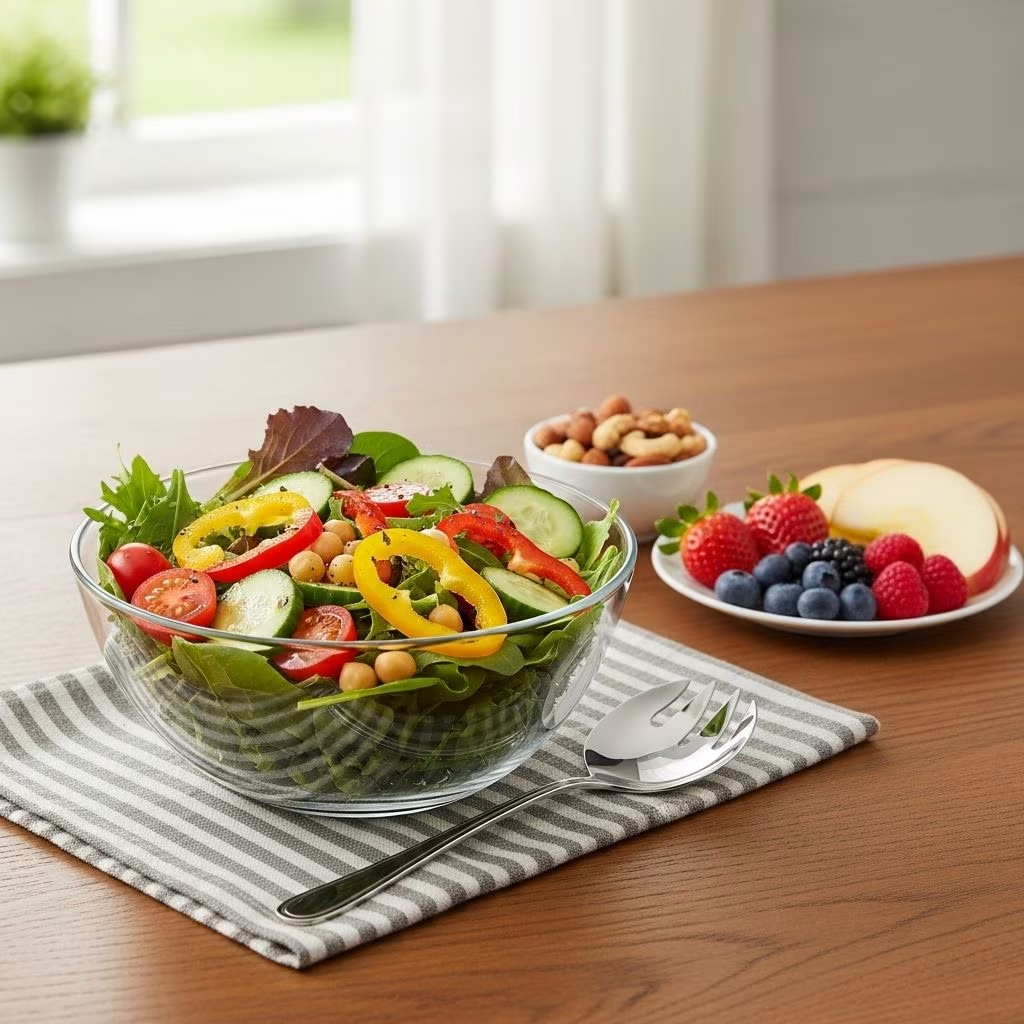
8. Load Your Plate With Volumetrics: Low-Calorie, High-Volume Foods
The ‘volumetrics’ principle centers on filling up with foods that are bulky but low in calories, like leafy greens, cucumbers, tomatoes, and peppers. These foods satisfy hunger through stomach stretch and fullness signals while keeping calorie intake low. Research has shown that eating larger volumes of low-calorie foods can help people eat less overall and stick to weight goals without hunger.
- Start meals with large salads or use spiralized vegetables as pasta alternatives.
- Bulk up stews, omelets, and stir-fries with extra vegetables.
- Serve fruit as dessert to end meals on a satisfying note.
Key Tip: Strive for meals composed of at least 50% non-starchy vegetables for maximum impact on fullness and calorie control.
9. Practice Portion Awareness—Not Strict Restriction
Rather than rigid calorie counting, portion awareness involves using visual and tactile cues to intuitively manage serving sizes. Studies reveal that simple portion-control habits (measuring, pre-plating, avoiding ‘family style’ service) make a substantial difference in daily intake—and are more sustainable than strict rules.
- Dish out portions in the kitchen rather than at the table to prevent second servings.
- Use hand guides: a palm for protein, a cupped hand for carbs, and a fist for veggies.
- Store leftovers right away after serving to reduce temptation.
Key Tip: Make healthy portioning the “default” at home; environmental cues shape habits more powerfully than willpower alone.
10. Make Gradual, Sustainable Changes Instead of Drastic Dieting
Extreme diets may produce short-term weight loss, but often backfire due to slowed metabolism and rebound overeating. Sustainable habits—such as swapping highly processed foods for whole grains, eating more vegetables, and moderating portions—are more effective for lasting change.
- Emphasize progress, not perfection; every small swap contributes to long-term results.
- Consult healthcare providers for personalized changes suitable to your lifestyle and health status.
- Celebrate non-scale victories, such as improved energy, digestion, and mood, as you shift your eating patterns.
Frequently Asked Questions
Q: Are all processed foods bad for you?
A: No. Not all processed foods are unhealthy. Minimally processed items—such as bagged greens, canned beans, or yogurt—can be nutritious. Ultra-processed foods (those with additives, sugars, and refined grains) are most likely to contribute to overeating and poor health.
Q: Does eating healthy mean I need to avoid pleasurable foods?
A: No. Science suggests that healthy eating is about balance and satisfaction, not deprivation. Including enjoyable foods occasionally, paired with nutrient-dense choices, supports long-term adherence and well-being.
Q: How can I tell if I’m truly hungry or just eating out of habit?
A: Practice mindful eating by tuning into physical hunger signals (growling stomach, low energy, or lightheadedness) rather than emotional cues (stress, boredom, comfort seeking). Pause before eating, assess your state, and choose nourishing foods if you are physically hungry.
Q: What are easy swaps for high-calorie snacks?
A: Opt for whole fruits, raw vegetables with hummus, unsalted nuts, plain Greek yogurt, or hard-boiled eggs. These swaps are nutrient-rich and naturally satisfying.
Q: Is it possible to eat less without tracking calories?
A: Yes. Focusing on food quality, portion size, mindful eating, and reducing ultra-processed foods reliably supports reduced intake and weight management without calorie counting.
Summary Table: Science-Backed Ways to Eat Less
| Strategy | Main Benefit | Science Grade |
|---|---|---|
| Smaller plates & bowls | Reduces serving size visually | A |
| Eat slowly | Enhances satiety signals | A |
| Pre-meal water/soup | Reduces appetite before meal | B |
| Fiber-rich foods | Prolongs fullness | A |
| Protein at meals | Suppresses hunger | A |
| Minimize distractions | Promotes mindful eating | B |
| Limit ultra-processed foods | Supports health & appetite control | A |
| Volumetrics (low-cal foods) | Fills stomach, low calories | A |
| Portion awareness | Reduces inadvertent overeating | B |
| Sustainable swaps | Improves long-term outcomes | A |
Conclusion
Eating less successfully and sustainably is about leveraging simple cues, food choices, and habits—not rigid dieting or short-term fixes. When you focus on smaller portions, fiber and proteins, mindful eating, and whole foods, you naturally regulate intake and improve health—with far greater ease than relying solely on willpower. These ten science-backed tips pave the way for lasting change, empowering you to make eating less feel effortless and satisfying.
References
- https://www.prevention.com/food-nutrition/healthy-eating/a65664887/ultra-processed-foods-weight-loss-gut-health-study/
- https://www.prevention.com/weight-loss/a36065492/rethinking-body-weight/
- https://www.ama-assn.org/public-health/prevention-wellness/what-doctors-wish-patients-knew-about-ultraprocessed-foods
- https://odphp.health.gov/healthypeople/priority-areas/social-determinants-health/literature-summaries/access-foods-support-healthy-dietary-patterns
- https://www.prevention.com/food-nutrition/healthy-eating/a20466783/39-of-americans-are-eating-less-meat/
- https://www.prevention.com/food-nutrition/healthy-eating/a64297964/healthy-aging-diet-study/
- https://www.prevention.com/weight-loss/g20508128/what-you-need-to-know-about-these-10-popular-diets-before-you-try-one/
- https://www.prevention.com/food-nutrition/healthy-eating/a20453131/nutrition-studies/
- https://www.prevention.com
- https://pmc.ncbi.nlm.nih.gov/articles/PMC5556586/


