


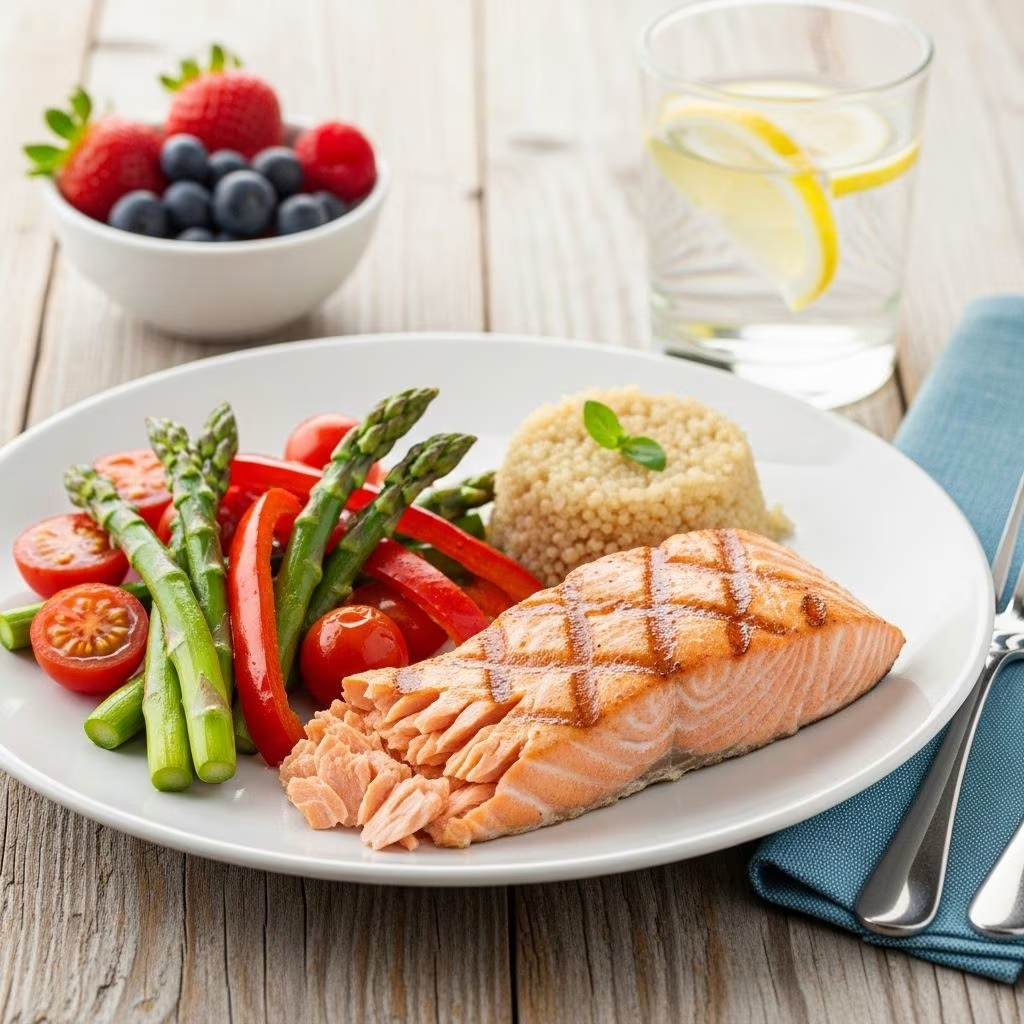
Everything You Should Know About the South Beach Diet
\n
When it comes to diets promising swift yet sustainable results, the South Beach Diet stands out as one of the most enduring and popular eating plans. Backed by decades of mainstream attention and thousands of success stories, it remains a go-to plan for those seeking measurable weight loss and improved heart health. But is it right for you? In this comprehensive guide, we’ll break down precisely how the diet works, explore its distinctive phases, reveal which foods are encouraged or forbidden, examine possible health benefits and drawbacks, and address frequently asked questions.
\n\n
What Is the South Beach Diet?
\n
Originally developed in the mid-1990s by Dr. Arthur Agatston, a cardiologist, the South Beach Diet was initially intended to help patients reduce their risk for heart disease—before quickly evolving into a globally popular weight-loss plan. Unlike many low-carb diets, South Beach emphasizes healthy fats, lean proteins, and the strategic, gradual reintroduction of complex carbohydrates. The ultimate goal is to help you lose weight without constant hunger or fatigue, while also enhancing long-term health.
\n\n
How Does the South Beach Diet Work?
\n
The South Beach Diet is structured around three distinct phases, each designed to gradually shift your eating habits, jump-start weight loss, and maintain results. Here’s how each phase breaks down:
\n\n
Phase 1: The Kick-Start (First 14 Days)
\n
- \n
- Purpose: Rapidly reduce cravings for sugar and refined carbs, stabilize blood sugar, and trigger initial weight loss.
- What to Eat: Lean proteins (such as chicken, turkey, fish, and eggs), non-starchy vegetables (like spinach, broccoli, cucumbers), limited healthy fats (avocado, nuts, olive oil), low-fat dairy, and some legumes.
- What to Avoid: All grains (rice, bread, pasta), fruit, alcohol, sugary snacks, and most starchy vegetables (corn, potatoes, beets).
- Meals: Three meals a day plus two snacks—protein-rich snacks are encouraged.
- Expected Weight Loss: Most people lose 8–13 pounds during Phase 1.
\n
\n
\n
\n
\n
\n\n
Phase 2: Steady Weight Loss
\n
- \n
- Starts: On Day 15, continuing until your goal weight is reached.
- What to Add Back: Gradually reintroduce some high-fiber fruits (berries, apples), whole grains (brown rice, whole grain bread, quinoa), and certain starchy vegetables.
- Allowed Foods: All of Phase 1 foods, with these new additions. Controlled portions of healthy carbs are key.
- Expected Weight Loss: 1–2 pounds per week is typical during this phase.
\n
\n
\n
\n
\n\n
Phase 3: Maintenance for Life
\n
- \n
- Starts: When your target weight is reached.
- Focus: Maintain your new weight with a balanced approach, built on habits from previous phases. Occasional treats are permitted, but portion control and awareness remain critical.
- Principles: If you start to regain weight or lose control of cravings, you can return briefly to Phase 1.
\n
\n
\n
\n\n
What Foods to Eat on the South Beach Diet
\n
The South Beach Diet encourages nutrient-dense, unprocessed foods, focusing on balancing lean protein, high-fiber vegetables, and healthy fats. Here’s a quick breakdown of foods typically encouraged and those to limit or avoid:
\n\n
| Encouraged Foods | Foods to Limit or Avoid |
|---|---|
| Lean meats (chicken, turkey), fish & seafood | White bread, white rice, pasta |
| Eggs, low-fat dairy products | Sugary foods & desserts |
| Nuts & seeds, olive oil & avocado | Sodas, fruit juices |
| Non-starchy vegetables (broccoli, spinach, bell peppers) | Other refined grains & baked goods |
| Whole grains, berries (Phase 2+) | Potatoes, corn, beets (Phase 1) |
| Legumes, beans, lentils | Alcohol (Phase 1), most processed snacks |
\n\n
Sample Day on the South Beach Diet
\n
Below, see an example meal plan from Phase 1:
\n
- \n
- Breakfast: Vegetable omelet with spinach, tomatoes, and feta cheese
- Morning Snack: Celery sticks with hummus
- Lunch: Grilled chicken salad with mixed greens, cucumber, cherry tomatoes, and a vinaigrette dressing
- Afternoon Snack: Low-fat cottage cheese with a handful of almonds
- Dinner: Baked salmon, steamed broccoli, and roasted asparagus
\n
\n
\n
\n
\n
\n
As you progress through the phases, fruits, legumes, and whole grains can be optionally added for variety and long-term adherence.
\n\n
The Science and Benefits Behind the South Beach Diet
\n
- \n
- Supports Weight Loss: Clinical studies and long-term user experiences confirm that high-protein, lower-carb diets like South Beach effectively promote reduced appetite, increased fullness, and sustainable fat loss compared to low-fat diets.
- Heart Health: The diet was designed to lower heart disease risk. By emphasizing plant-based fats (from nuts and olive oil) and lean proteins, it supports improved cholesterol profiles and better cardiovascular outcomes.
- Improved Blood Sugar Control: The restriction on refined carbs can stabilize blood sugar and reduce insulin resistance, particularly beneficial for those with metabolic syndrome or prediabetes.
- Reduced Inflammation: A high intake of fatty fish (rich in omega-3s), leafy greens, and unprocessed fats may help decrease inflammation markers.
- Flexible & Sustainable: By gradually introducing more carbohydrates and variety as you progress, the diet can be tailored to individual needs, making it easier to maintain over time.
\n
\n
\n
\n
\n
\n\n
Potential Risks and Side Effects
\n
Although the South Beach Diet is generally regarded as safe and nutritionally balanced, some users may experience challenges, particularly during the early (Phase 1) weeks.
\n
- \n
- Temporary Side Effects: Fatigue, light-headedness, constipation, or irritability may occur as your body adjusts to fewer carbohydrates and higher protein intake.
- Risk of Ketosis: The very low-carb intake in Phase 1 could tip some people into mild ketosis—a metabolic state often accompanied by headaches and bad breath. This effect diminishes as more carbs are introduced in later phases.
- Not for Everyone: Pregnant or breastfeeding women, athletes with high energy needs, and people taking certain medications (sedatives or diabetes medication) should consult their doctor before starting.
- Long-Term Evidence: While there is considerable support for the health benefits of high-protein, lower-carb diets, claims about lifelong disease prevention are promising but not fully proven for all populations.
\n
\n
\n
\n
\n\n
Is the South Beach Diet Easy to Follow?
\n
When compared with “fad” or highly restrictive diets, South Beach’s phased structure, wide variety of food choices, and lack of strict calorie counting make it one of the more sustainable lifestyle programs. The simple rules and numerous creative recipes available help to minimize boredom and make meal planning practical. The inclusion of a commercial food delivery program can offer extra convenience for those with busier lives.
\n\n
Tips for Succeeding on the South Beach Diet
\n
- \n
- Read Food Labels: Watch for hidden sugars and unhealthy fats in sauces, dressings, and packaged snacks.
- Plan Meals Ahead: Set aside time each week to prepare or plan phase-appropriate meals and snacks to avoid temptation.
- Stay Hydrated: Drink ample water, especially when increasing protein intake.
- Incorporate Exercise: Regular physical activity is recommended alongside the diet, aiding metabolism, muscle tone, and overall wellness.
- Seek Support: Online forums, support groups, and newly published recipes can help keep motivation high.
\n
\n
\n
\n
\n
\n\n
Who Should Avoid the South Beach Diet?
\n
- \n
- Those with existing eating disorders or a history of disordered eating
- Pregnant or breastfeeding women, unless advised by a doctor
- Individuals with chronic kidney disease or those on certain medications requiring specific carbohydrate levels
- People who need a medically supervised, personalized eating schedule
\n
\n
\n
\n
\n\n
Frequently Asked Questions (FAQs)
\n\n
Q: How much weight can I expect to lose on the South Beach Diet?
\n
A: Most users lose between 8–13 pounds during the first phase, with steady, healthy losses of 1–2 pounds weekly in Phase 2. Final results depend on starting weight, metabolism, and adherence to the guidelines.
\n\n
Q: Is the South Beach Diet just another low-carb diet like Atkins?
\n
A: Not quite. While the first phase is indeed low in carbohydrates, South Beach is less restrictive overall and puts a greater emphasis on “good” carbs, healthy fats, and long-term sustainability—not complete carb elimination.
\n\n
Q: Can vegetarians or vegans follow the South Beach Diet?
\n
A: Yes, but with planning. Lean plant proteins (like tofu, tempeh, and legumes) and healthy fats (avocado, nuts, seeds) play key roles. Some adaptation for strict vegans may be required, especially in ensuring sufficient protein without animal sources.
\n\n
Q: Is the South Beach Diet safe for people with diabetes?
\n
A: The diet’s focus on low glycemic-index foods and healthy fats aligns with many diabetes management recommendations, but all changes should be made under medical supervision, especially if you’re on insulin or medication.
\n\n
Q: Will I really keep the weight off long-term?
\n
A: The phased structure and reintroduction of healthy carbs are meant to create sustainable habits. Those who maintain the principles of Phase 3, including portion control and regular exercise, report long-term success.
\n\n
Bottom Line: Is the South Beach Diet Right for You?
\n
If you’re looking for an eating plan built on science, flexibility, and variety, that cuts unhealthy carbs without eliminating whole food groups, the South Beach Diet deserves consideration. It’s especially well-suited for those struggling with blood sugar spikes, food cravings, or weight loss plateaus. As with any major dietary change, always consult your doctor—particularly if you have underlying health conditions or take prescription medication.
\n\n
Explore further with suggested recipes, user success stories, and detailed planning tips from registered dietitians who specialize in heart health and sustainable weight management.
\n
References
- https://www.healthline.com/nutrition/south-beach-diet
- https://resources.healthgrades.com/right-care/food-nutrition-and-diet/south-beach-diet
- https://www.bostonspecialists.org/south-beach-diet
- https://www.medicalnewstoday.com/articles/7501
- https://www.mayoclinic.org/healthy-lifestyle/weight-loss/in-depth/south-beach-diet/art-20048491
- https://www.webmd.com/diet/south-beach-diet-what-it-is
- https://www.mymlc.com/health-information/articles/s/south-beach-diet/?section=Diet+details
- https://regene.ai/articles/south-beach-diet-a-holistic-approach


