


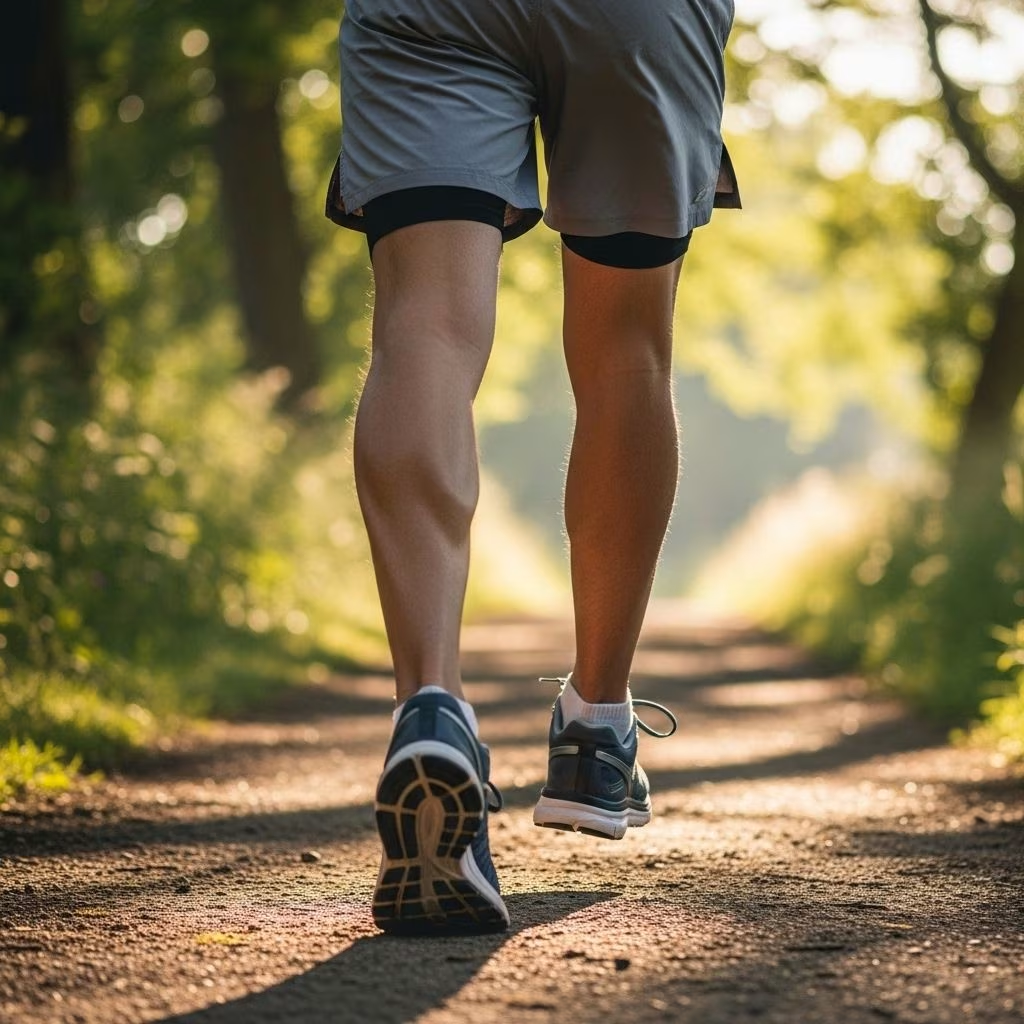
What Happens When You Walk Before Every Meal for a Month
Adding small, consistent habits to your daily routine can deliver surprising health benefits. One such change—walking before every meal—might sound simple, but it can have significant effects on your body and mind. Follow this experiment and its outcomes over a month: from intentions through results and scientific context, plus guidance for adopting this habit yourself.
The Purpose: Why Try Walking Before Meals?
There’s no shortage of weight loss advice out there. But most tricks promise quick results with little effort—often with disappointing or unsustainable outcomes. With so much conflicting information, finding an effective, manageable habit is key. This experiment aimed to answer: If you committed to walking for 15 minutes before every meal, would it impact weight, hunger, energy, and overall wellness in just one month?
- Walking is accessible: No need for pricey equipment or gym memberships—just a good pair of shoes.
- Fasted exercise theory: Doing light activity when you’re hungry may help mobilize stored fat and increase metabolic flexibility, according to some evidence.
- Mindful transition: Walking before meals can act as a mindful pause, potentially reducing overeating and supporting digestion.
The Experiment Set-Up: How It Worked
The approach was straightforward. Each day, before breakfast, lunch, and dinner:
- Walk for at least 15 minutes outside
- Move at a moderate pace—not a casual stroll, but not a power walk
- Keep consistent, tracking the number of daily walks, meals, and changes in weight or well-being
Prior to starting, the baseline included:
- Typically exercising 2-3 times weekly, mostly sedentary otherwise
- No major recent dietary or lifestyle changes
- Usual eating patterns—three main meals per day
Week One: Adjusting to the Walks
The initial days were the toughest. Squeezing in three walks daily required adapting routines and occasionally resisting the urge to skip—especially when time or the weather conspired against good intentions. Notable experiences emerged:
- Realization that daily planning is essential to fit in pre-meal walks before hunger sets in
- Walking in the morning felt energizing, while midday walks provided a helpful break from work
- Evening walks often doubled as a stress-relief ritual before eating
This week established the pattern. There were some hungry moments, but completing the walk before eating felt rewarding—a small victory before each meal.
Week Two: Building Consistency and Noticing Changes
With the routine established, walking before each meal became less of a forced commitment and more a natural transition. Early results included:
- Increased awareness of hunger—knowing the difference between true hunger and just eating by the clock
- Mental clarity after each walk, especially before breakfast
- A subtle decrease in stress eating—the walk provided time to decompress and check in emotionally
- First signs of weight loss: the scale dropped a pound by the close of the week, despite no other major lifestyle changes
Week Three: The Benefits Multiply
After two weeks, the body and mind seemed to adapt:
- Walking became instinctive, with fewer skipped walks even on busy days
- Appetite started to regulate; feeling less ravenous before meals and satisfied with slightly smaller portions
- Improved digestion and less post-meal sluggishness, possibly due to both movement and enhanced mindfulness around eating
- Energy levels remained more stable throughout the day
The number on the scale continued to trend downwards, totaling about 2.5 pounds lost since starting.
Week Four: Lasting Impacts and Reflections
By the end of the month, routine was deeply established and results became clearer:
- Total weight loss: About 3 pounds over four weeks, without extreme dieting
- Improved energy: Less afternoon crash and more alertness in the evening
- Feeling happier and less stressed; regular movement provided space to reset before each meal
Perhaps most importantly, this experiment made it clear how walking could be a sustainable, long-term habit thanks to its simplicity and adaptability to different lifestyles and schedules.
The Science Behind Walking Before Meals
Is the “walk before meals” ritual actually effective beyond individual anecdotes? Several studies support the observed benefits, especially relating to weight loss, metabolic control, and digestive health.
Enhanced Fat Loss and Weight Management
- Fasted walking may encourage the use of stored fat for energy. Morning walks on an empty stomach seem especially beneficial for metabolism and fat reduction, according to research from the International Journal of Obesity.
- In a one-month study, walking briskly right after meals resulted in greater weight loss than waiting an hour after eating before walking, with participants losing up to 3 kg (about 6.6 lbs).
Regulating Hunger and Mindful Eating
- Walking before meals creates a pause, providing time to check in with true hunger cues, reducing mindless or emotional eating.
- The added routine helps break up the day, supporting consistent meal timing and reducing the likelihood of skipping meals or overeating later.
Supporting Digestion and Blood Sugar
- A brisk walk helps stimulate the gastrointestinal tract, supporting digestion and reducing bloating.
- Light activity has been shown to lower post-meal blood sugar spikes, which is particularly beneficial for people with prediabetes or type 2 diabetes.
Mood, Energy, and Cognitive Benefits
- Physical activity, even at low intensity, increases endorphins and energy, leading to elevated mood and improved focus throughout the day.
- Short, frequent walks can act as stress-relief triggers and help decrease anxiety around eating and weight management.
Table: Key Scientific Benefits of Walking Before Meals
| Benefit | Effect | Supporting Evidence |
|---|---|---|
| Fat Loss | Increases the usage of stored fat when done before eating | International Journal of Obesity |
| Blood Sugar Control | Reduces post-meal spikes, supports insulin sensitivity | PLOS One, Sports Medicine |
| Digestive Health | Improves digestion, reduces bloating and discomfort | PLOS One |
| Mood & Energy | Boosts energy, relieves stress, and supports better focus | Multiple psychological studies |
How to Make Walking Before Meals a Sustainable Habit
Consistency is key. Building a new habit requires planning and a few strategic shifts:
- Prepare Ahead: Schedule walks as calendar appointments and treat them as non-negotiable mini-breaks.
- Keep it Short: 10-15 minutes is enough for solid benefits; if you’re short on time, even a 5-minute walk helps.
- Go Outside if Possible: Fresh air and sunlight magnify the energizing effects.
- Dress Comfortably: Have walking-friendly shoes and layers ready for any weather.
- Multitask Wisely: Use walks to listen to podcasts, call a friend, or simply enjoy silence.
- Adapt as Needed: If you miss a pre-meal walk, fit it in at the next meal or right after eating—don’t let perfect be the enemy of good.
Common Questions About Walking Before Meals
Can walking too close to mealtime cause cramps or discomfort?
For most people, gentle to moderate walking right before eating does not cause issues. Brisk activity immediately after meals can cause cramps in some; adjust intensity as needed and listen to your body.
How much weight can you lose by walking before every meal?
Results vary. In the referenced experiment, the author lost about 3 pounds (around 1.4 kg) in a month without dieting. One small study showed participants lost up to 3 kg (6.6 lbs) in one month with brisk post-meal walks.
Is walking before or after meals better?
Both pre- and post-meal walks offer benefits. Walking before meals may increase fat burning and support mindful eating, while post-meal walks best aid digestion and blood sugar regulation. Choose whichever fits your schedule and body best.
What intensity and duration is ideal?
Moderate pace—enough to elevate your heart rate slightly but not so fast you can’t hold a conversation. Aim for 10-20 minutes for best results, though even short walks help.
Do you need any special equipment?
No. The main requirements are comfortable shoes and weather-appropriate clothing.
Tips for Long-Term Success
- Track your progress: Use a journal or app to log walks and reflect on energy, mood, and hunger cues.
- Enlist support: Walking with a friend or pet increases enjoyment and accountability.
- Celebrate non-scale victories: Note improved mood, digestion, and well-being—not just pounds lost.
- Be kind to yourself: Missing a walk isn’t failure. Resume at the next opportunity.
Conclusion: Is Walking Before Meals Worth the Hype?
Walking before every meal for a month emerges as a low-barrier, high-impact upgrade to any lifestyle. While you might not drop multiple clothing sizes instantly, the benefits add up—weight loss, greater energy, better digestion, and improved mood. Most importantly, it’s a habit that feels empowering and sustainable, helping lay the groundwork for long-term health success.
Frequently Asked Questions (FAQs)
Q: What are the top three benefits of walking before meals?
A: Increased fat burning, better appetite regulation, and more stable energy and mood throughout the day.
Q: Can you substitute walking after meals instead?
A: Yes—walking after meals offers especially strong digestive and blood sugar benefits; both approaches are valuable.
Q: Is this habit safe for everyone?
A: For most healthy adults, yes. Those with certain conditions (e.g., severe arthritis, heart problems) should check with a physician before making significant activity changes.
Q: How do I motivate myself to walk before every meal?
A: Use reminders, social support, or rewards, and keep your shoes handy. The more automatic the routine, the easier it becomes.
Q: Will the habit help if I already exercise regularly?
A: Pre-meal walks add gentle, frequent activity and complement more intense workout routines, often resulting in additional mood, energy, and metabolic benefits.
References
- https://timesofindia.indiatimes.com/life-style/health-fitness/fitness/empty-stomach-walk-vs-post-meal-walk-which-is-better-for-weight-loss/articleshow/112718162.cms
- https://womanshospital.com/blog/entry/5-benefits-of-walking-after-eating
- https://pmc.ncbi.nlm.nih.gov/articles/PMC3119587/
- https://www.prevention.com/weight-loss/g20454873/walk-before-every-meal-for-a-month/
- https://betterme.world/articles/eat-before-or-after-walking-to-lose-weight/
- https://diabetes.org/health-wellness/fitness/eating-tips-before-after-exercise
- https://www.goodrx.com/well-being/movement-exercise/benefits-of-walking-after-eating


