


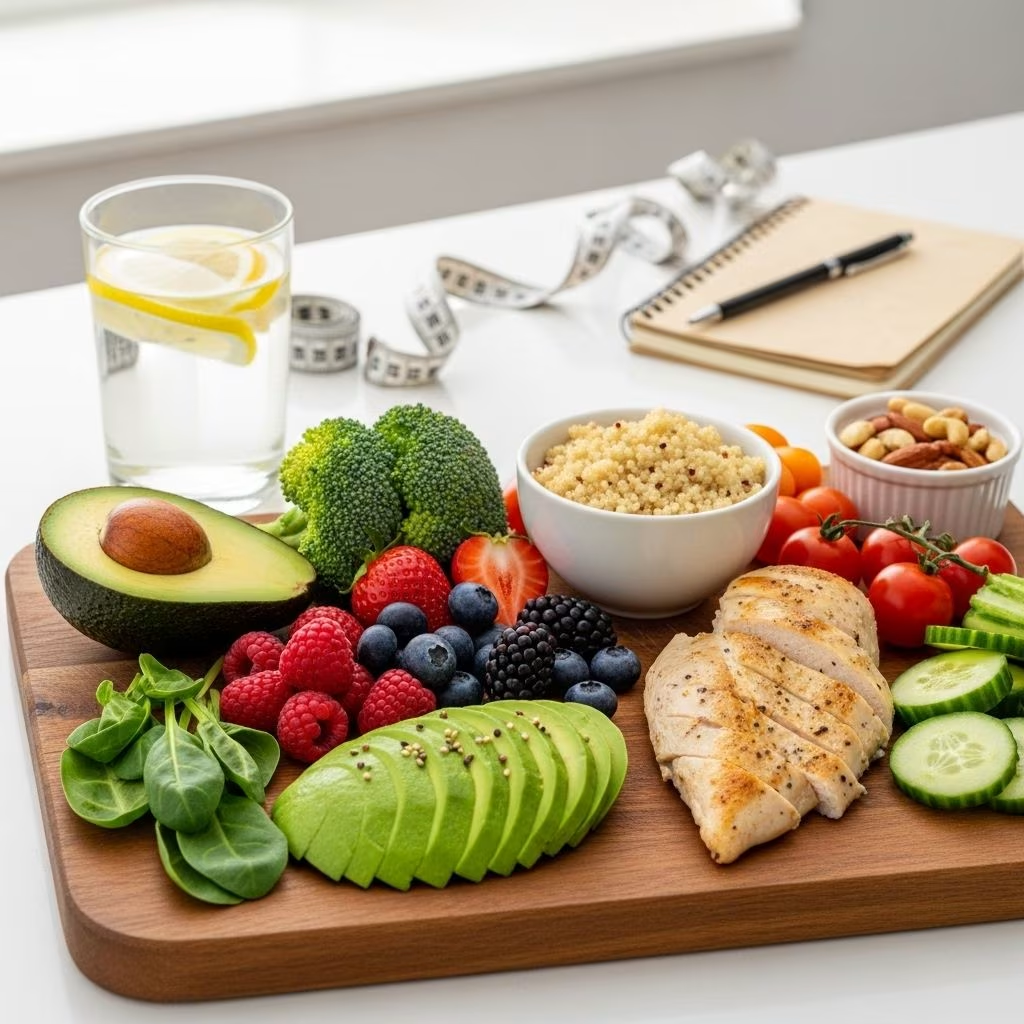
Expert Diet Tips: Proven Strategies for Healthy Weight Loss
Losing weight and maintaining a healthy lifestyle isn’t about crash diets or sacrificing the foods you love; it’s about embracing expert strategies, understanding the science behind your choices, and cultivating habits that work for your unique body. In this guide, you’ll learn essential diet tips directly from medical and nutrition professionals, discover practical ways to improve your eating habits, and get answers to the most frequently asked questions about healthy weight loss.
Why Expert Advice Makes All the Difference
With countless fad diets and conflicting advice circulating online, it’s easy to feel overwhelmed. However, leading health experts agree that a science-backed, balanced approach yields the best and most sustainable results. Dr. Francisco Lopez-Jimenez, cardiologist at the Mayo Clinic, recommends focusing on foods sold by the pound—such as fresh produce and whole grains—while minimizing processed items and unhealthy fats.
- Eat to live: Prioritize foods that fuel your wellbeing.
- Food as medicine: Choose nutrient-dense ingredients for disease prevention and energy.
- Balance over restriction: You don’t have to eliminate treats entirely; learn to enjoy them mindfully.
Building the Foundation: What Is a Healthy Diet?
According to expert consensus, a healthy diet includes a variety of plant-based foods—with moderation of animal products except for fish and dairy—a diverse mix of fruits, vegetables, legumes, nuts, and whole grains, plus healthy fats like olive oil. Dr. Lopez-Jimenez’s advice boils down to:
- Fresh produce: Prioritize vegetables and fruits at every meal.
- Whole grains and legumes: Include brown rice, quinoa, lentils, beans.
- Nuts and healthy fats: Almonds, walnuts, olive or avocado oil.
- Lean proteins: Fish, poultry, low-fat dairy, and limited red meat.
Portion Control: The 75/25 Rule
Jim White, RDN, advises not to fear favorite foods—just ensure they’re enjoyed in moderation. Aim for nutrient-dense foods 75% of the time, filling the remaining 25% with occasional treats or less healthy options in small portions.
Core Expert Tips for Effective Weight Loss
Below, explore actionable strategies recommended by nutrition professionals for losing weight safely and keeping it off:
- Prioritize whole foods over packaged or highly processed items.
- Reduce added sugars and excess sodium—major saboteurs of health and weight goals.
- Include lean protein at every meal to preserve muscle and increase satiety.
- Choose fiber-rich carbs like vegetables, fruits, and whole grains.
- Cut back on unhealthy fats, focusing on unsaturated options found in fish, nuts, and olive oil.
- Watch portion sizes, especially with restaurant meals and packaged snacks.
- Drink plenty of water throughout the day to improve metabolism and help control appetite.
Smart Strategies to Improve Daily Eating Habits
- Meal planning: Prepare healthy meals ahead of time to reduce impulsive eating.
- Snack mindfully: Keep nutritious snacks like fruit or mixed nuts easily available.
- Read nutrition labels to spot added sugars, sodium, and saturated fats.
- Cook at home whenever possible—control ingredients and portions.
- Eat slowly and savor each bite; this helps you notice fullness cues before overeating.
Table: Healthy Versus Unhealthy Food Choices
| Healthy Choices | Unhealthy Choices |
|---|---|
| Fresh vegetables and fruits | Fried foods, chips |
| Whole grains (quinoa, oats) | White bread, pastries |
| Lean proteins (fish, chicken, yogurt) | Processed or fatty meats (bacon, sausage) |
| Olive oil, avocado, nuts | Trans fats, hydrogenated oils |
| Water, herbal teas | Soda, sweetened drinks |
Common Pitfalls to Avoid
- Relying on ‘diet’ foods: Low-calorie packaged snacks may contain artificial ingredients and excess sodium.
- Skipping meals: Can backfire, leading to overeating later in the day.
- Label confusion: Not all ‘natural’ or ‘organic’ foods are automatically healthy; read ingredient lists carefully.
- Ignoring hunger cues: Eating when bored, stressed, or out of habit can undermine weight loss efforts.
Expert Insights on Foods to Limit
The World Health Organization warns that unhealthy diets—high in saturated fat and added sugar—increase the risk of malnutrition and chronic disease globally. Top foods to minimize according to nutrition specialists include:
- Deep-fried foods
- Sugar-sweetened beverages
- Highly processed snacks
- Refined grains (white bread, pasta)
- Red and processed meats
- Excess sodium sources like packaged soups
Instead, focus on eating more plant-based meals—rich in vegetables, fruits, and whole grains—which numerous studies associate with reduced disease risk and better long-term health.
How to Transition Toward Nutrient-Dense Foods
- Gradually swap out refined grains for whole grains.
- Experiment with new vegetables each week.
- Add beans or lentils to salads, soups, and pasta dishes.
- Replace sugary snacks with fruit or yogurt.
- Shift to lean proteins and plant-based alternatives.
Should You Cut Out Entire Food Groups?
Experts note that you rarely need to cut out entire food groups unless medically necessary. Instead, quality and quantity matter. For example, dairy offers valuable calcium, but opt for lower-fat versions if you’re limiting calories. With meat, smaller portions and less frequent consumption support better health.
- Use fish and plant proteins as the base of your meals more often.
- Enjoy higher-calorie foods occasionally for balance.
FAQs: Your Biggest Diet and Weight Loss Questions Answered
Q: Can you lose weight without giving up all your favorite foods?
A: Yes. Experts recommend moderation and portion control, allowing you to enjoy treats occasionally without derailing your progress.
Q: How important is meal timing for weight loss?
A: Some evidence suggests that timing meals and snacks to support activity—such as eating a healthy snack pre-workout—can enhance energy usage and weight loss.
Q: Is it necessary to avoid carbs to lose weight?
A: No. Choose nutrient-rich, high-fiber carbs like whole grains, vegetables, and legumes instead of refined carbs.
Q: What is the role of protein in a healthy diet?
A: Eating lean protein helps preserve muscle during weight loss and increases feelings of fullness, supporting long-term success.
Q: How do you know if your diet is working?
A: Sustainable progress, improved energy, and better well-being are good signs. Avoid diets that leave you feeling deprived or fatigued.
Q: Can drinking more water help with weight loss?
A: Yes. Hydration aids metabolism, reduces hunger, and is especially important when increasing physical activity.
Practical Action Plan for Healthy Eating and Lasting Results
- Adopt a plant-rich, whole-food-based meal pattern.
- Enjoy treats on occasion but keep portions reasonable.
- Plan meals ahead and keep healthy foods on hand.
- Listen to hunger and fullness signals from your body.
- Stay hydrated and make movement a part of your daily routine.
Remember, healthy eating isn’t a sprint—it’s a journey. With expert-backed tips and a flexible mindset, you can reach your weight loss goal while feeling energized and satisfied every step of the way.
References
- https://www.prevention.com/food-nutrition/healthy-eating/a63423411/foods-you-should-not-eat/
- https://www.prevention.com/health/a65401665/expert-walking-tips-weight-loss/
- https://www.prevention.com/food-nutrition/
- https://www.prevention.com/food-nutrition/healthy-eating/a64297964/healthy-aging-diet-study/
- https://www.prevention.com
- https://www.prevention.com/weight-loss/a20461192/diet-tricks-that-work-for-weight-loss/
- https://www.prevention.com/food-nutrition/a63749873/guide-to-eating-protein/
- https://www.prevention.com/health/a60486206/heal-your-body-with-food/
- https://www.prevention.com/weight-loss/


