


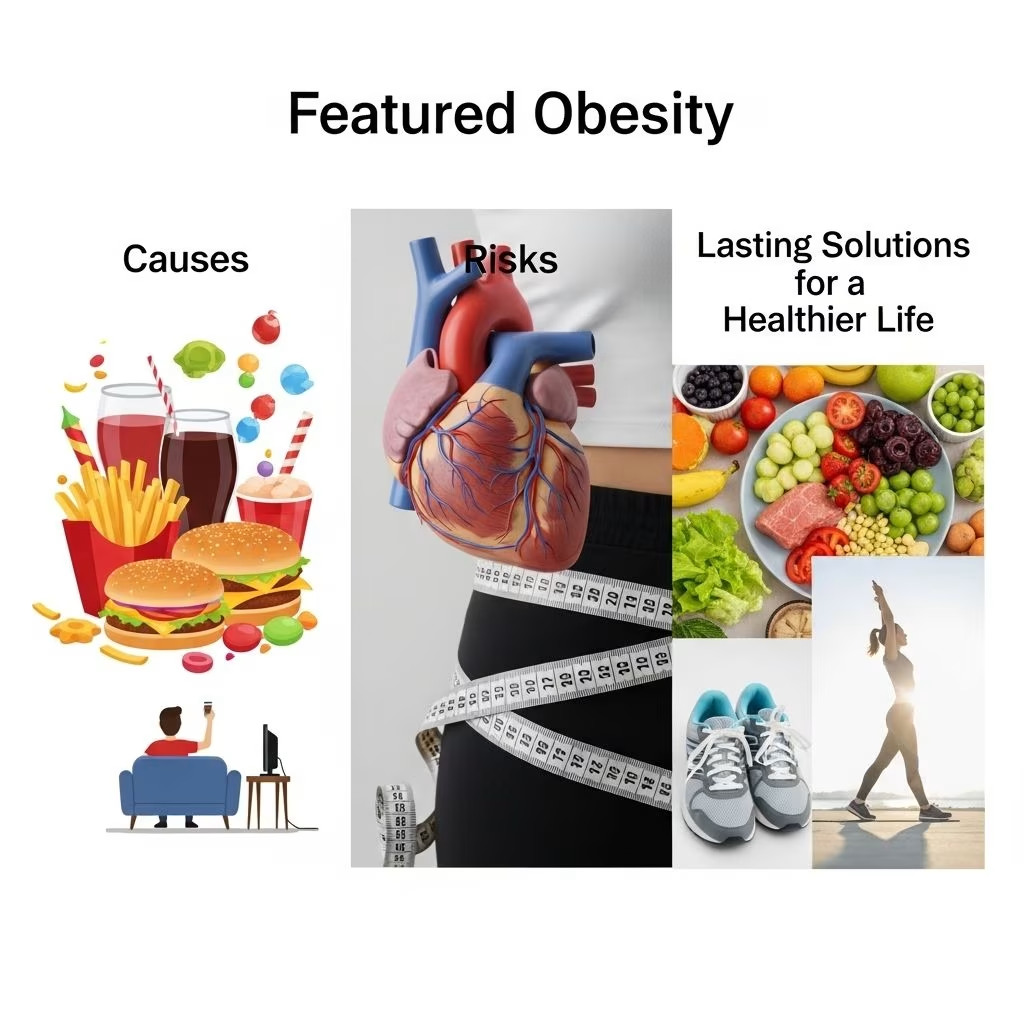
Obesity: Causes, Risks, and Lasting Solutions for a Healthier Life
Obesity is not just a matter of appearance—it is a chronic, complex disease affecting millions globally. Understanding obesity’s causes, associated health risks, and effective management strategies is crucial for long-term health and well-being. This comprehensive guide explores why obesity is so widespread, how it affects the body, and what science-backed habits can help manage or prevent it—regardless of body type.
Understanding Obesity: Definition and Prevalence
Obesity is defined as excessive fat deposits in the body that can impair health. Measured commonly using Body Mass Index (BMI), a person is considered obese if their BMI is 30 or higher. However, BMI alone is not a perfect predictor of health risks, and where excess fat is located—such as abdominal fat—can play an even greater role in health outcomes.
Current estimates show that approximately two-thirds of adults in the United States are classified as overweight or obese, reinforcing that this is a major public health concern. Alarming trends are also noted in children and adolescents:
- Adolescents (ages 12–19): 20.6% prevalence
- School-aged children (6–11): 18.4% prevalence
- Preschool children (2–5): 13.9% prevalence
These rates suggest that childhood obesity is likely to translate into lifelong challenges for many individuals.
Health Risks and Complications of Obesity
Obesity is linked to a host of serious health problems, both physical and psychological:
- Cardiovascular Disease (CVD): The risk of heart attacks and strokes is significantly increased.
- Type 2 Diabetes: Obesity raises insulin resistance, a key driver of diabetes.
- High Blood Pressure (Hypertension): Extra body fat often results in higher blood pressure.
- Metabolic Syndrome: A cluster of conditions including high blood sugar, cholesterol, and abdominal fat.
- Respiratory problems: Sleep apnea and other issues are more common.
- Depression and Mental Health Disorders: Weight-related stigma and hormonal changes can trigger psychological distress.
- Joint Pain and Osteoarthritis: Added weight strains joints, increasing pain and inflammation.
Abdominal obesity (fat concentrated around the waist) is especially concerning. For example, a waist circumference greater than 35 inches for females or 40 inches for males is associated with higher risks for type 2 diabetes and cardiovascular diseases.
Root Causes: Biology, Environment, and Society
Obesity’s origins are complex, spanning genetics, behaviors, environment, and societal influences:
- Biological Factors: Metabolism, hormones, and genetics play a significant role.
- After eating, your body converts excess calories into fat. When fat stores accumulate, enlarged fat cells secrete hormones and chemicals leading to inflammation and insulin resistance—setting the stage for chronic diseases.
- Environmental Factors: Ready availability of calorie-dense foods, larger portion sizes, limited access to physical activity, and increased screen time.
- Societal Factors: Social norms sometimes discourage healthy eating or movement (e.g., fast food culture, high-stress lifestyles).
Importantly, the concept of “calories in, calories out” is oversimplified. Many elements—such as sleep, emotional stress, underlying health conditions, and certain medications—affect how the body metabolizes energy and stores fat.
Rethinking Weight: Why Body Size Isn’t the Whole Story
While body weight is commonly associated with health, experts increasingly emphasize that focusing exclusively on weight can be misleading:
- Health behaviors outweigh the scale: Sustainable habits like nutritious eating, moving regularly, and managing stress are far more important for long-term health than simply hitting a specific weight target.
- Thin doesn’t always mean healthy: People with “normal” BMIs can still develop obesity-related conditions if their lifestyle is unhealthy.
- Stigma harms, not helps: Weight-related stigma can fuel shame, stress, and disordered eating, all of which undermine well-being.
| Weight-Centric Approach | Health-Focused Approach |
|---|---|
| Pursues short-term weight loss goals | Builds sustainable healthy habits |
| Uses restrictive diets | Encourages balanced nutrition |
| Emphasizes BMI | Considers overall well-being |
| May promote guilt/shame | Supports self-care and acceptance |
Habits That Matter: Nutrition, Physical Activity & Sleep
Long-term health is about habits, not just numbers. Research highlights three key pillars for preventing and managing obesity—nutrition, movement, and sleep:
Nutrition & Consumption
- Eat a variety of fruits, vegetables, whole grains, and legumes.
- Limit sugar-sweetened beverages and highly processed snack foods.
- Focus on plant-based foods and moderate red meat intake.
- Practice family meals when possible—this builds healthier eating patterns for both children and adults.
- Control portion sizes, especially for calorie-dense foods.
Patterns of Activity
- Engage in regular physical activity: Even modest increases help manage weight and reduce disease risk.
- Limit screen time, especially for children.
- Encourage outdoor play and movement as a family.
Rest and Stress Management
- Prioritize adequate, high-quality sleep: Short sleep duration is linked to weight gain.
- Model healthy emotional self-regulation: Chronic stress can trigger overeating or unhealthy habits.
- Foster a positive home environment—stressful family dynamics increase risk of unhealthy behaviors.
Obesity Prevention and Management Strategies
Most obesity-related diseases and complications can be prevented or managed with a multi-pronged approach consisting of diet, activity, mindset, medical support, and ongoing lifestyle adjustment.
Individual Level Strategies
- Set realistic goals: Focus on achievable health behaviors rather than dramatic weight reduction.
- Track and reflect: Periodically assess your eating, activity, and stress levels.
- Start early: Preventive behaviors in childhood pay lifelong dividends.
- Limit weight gain during pregnancy and encourage breastfeeding: Supports healthy growth cycles for mother and child.
Family & Community Level Strategies
- Encourage healthy family routines: Shared meals, outdoor play, and emotional support.
- Involve healthcare providers: Regular check-ups and counseling build accountability and address health risks proactively.
- Promote access to healthy foods: Advocate for environments where nutritious choices are affordable and accessible.
Role of Healthcare Practitioners
- Assess weight, height, and overall health at routine visits.
- Offer guidance on healthy diet and activity, tailored to individual needs.
- If diagnosed as obese, provide integrated care—including behavioral counseling and medical therapies if appropriate.
- Monitor risks for noncommunicable diseases (NCDs): Blood pressure, glucose, and cholesterol.
The bottom line: Prevention and management require recognizing the multi-factorial nature of obesity—and developing lasting habits in nutrition, movement, and mental wellness.
Frequently Asked Questions (FAQs)
Q: Is obesity only about overeating or lack of willpower?
A: No, obesity results from a complex interplay of genetics, metabolism, hormones, environment, and social factors—not just personal choices or willpower.
Q: Can I be healthy even if I am overweight?
A: Yes. Research shows that adopting healthy habits—like balanced eating, regular movement, and stress management—provides health benefits at any size; focusing solely on weight loss can be restrictive and counterproductive.
Q: Why do so many diets fail in the long run?
A: Highly restrictive diets often slow the metabolism, produce rebound hunger, and aren’t sustainable. Instead, gradual, positive lifestyle changes support durable health improvement.
Q: How can families support obesity prevention?
A: Families can help by fostering healthy home habits, modeling positive emotional coping, sharing nutritious meals, and encouraging physical activity. Early interventions offer the greatest long-term benefits.
Q: When should someone seek medical help for obesity?
A: If you have concerns about your weight or related health issues—such as high blood pressure, elevated glucose, or persistent fatigue—consulting a healthcare provider can lead to tailored support, screening, and treatment as needed.
Key Takeaways
- Obesity is a complex, chronic disease shaped by biological, social, and environmental factors.
- Maintaining healthy habits is more powerful for well-being than chasing an “ideal” weight.
- Prevention and management require early, sustained lifestyle adjustments—not quick fixes.
- Shame and stigma undermine health; support, self-care, and science-backed choices drive lasting change.
If concerned about obesity for yourself or your loved ones, remember: changing habits, building a positive home environment, and seeking professional guidance lay the foundation for health at every size.
References
- https://www.who.int/news-room/fact-sheets/detail/obesity-and-overweight
- https://pmc.ncbi.nlm.nih.gov/articles/PMC8313625/
- https://my.clevelandclinic.org/health/diseases/11209-weight-control-and-obesity
- https://www.prevention.com/weight-loss/a36065492/rethinking-body-weight/
- https://www.prevention.com/weight-loss/g29761485/medical-weight-loss/
- https://pmc.ncbi.nlm.nih.gov/articles/PMC6088226/
- https://www.paho.org/en/topics/obesity-prevention
- https://www.mayoclinic.org/diseases-conditions/obesity/symptoms-causes/syc-20375742


