


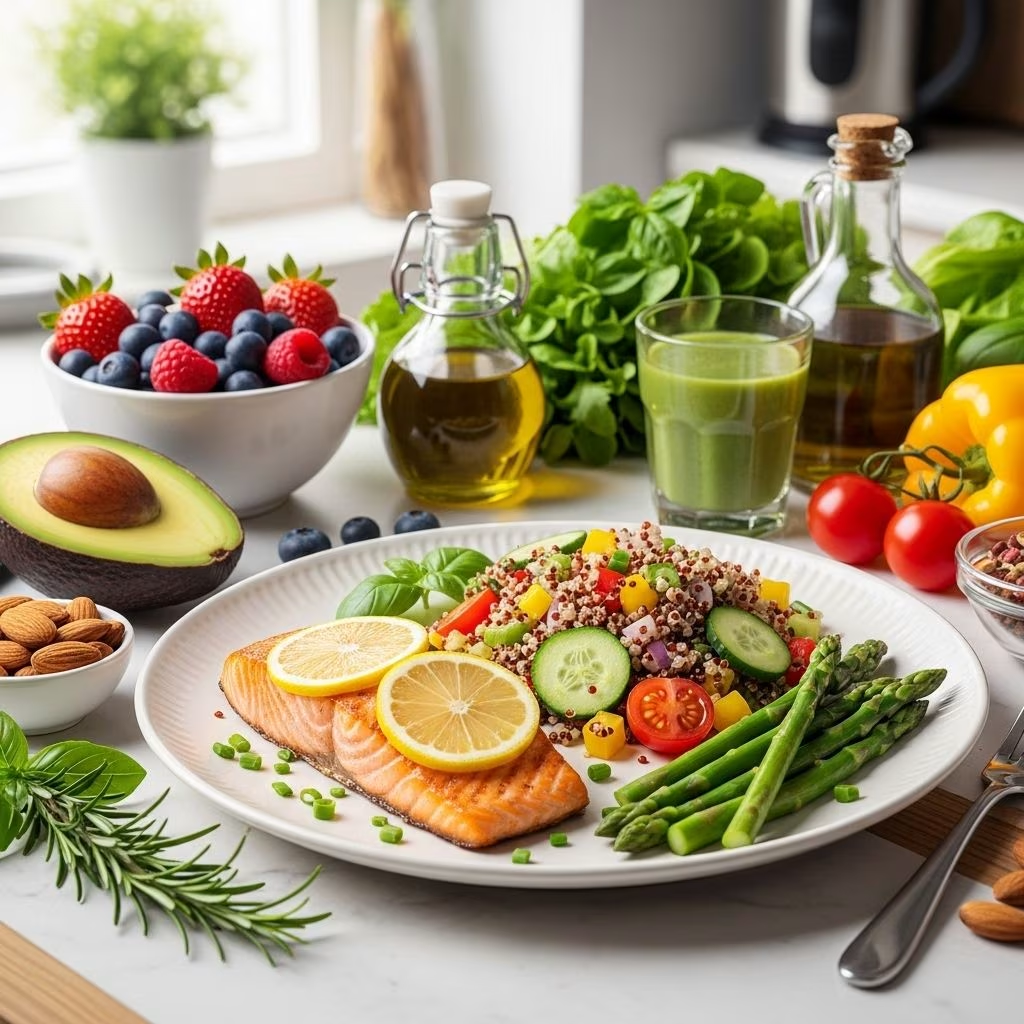
Shedding extra pounds doesn’t have to mean sacrificing flavor or enjoyment in your meals. A purposeful, sustainable approach to weight loss can help you drop pounds, boost your health, and cultivate lasting habits—without deprivation or extreme restrictions. This guide explores a practical, flexible, and evidence-based diet plan to help you meet your weight loss goals, maintain muscle, and nourish your body with delicious food.
Why Most Diets Fail—And How to Diet for Long-Term Success
Many diets promise quick results but often result in unsustainable habits, rebound weight gain, and nutritional deficiencies. The key to long-term weight loss is an approach that’s balanced, enjoyable, and based on real nutrition.
- Avoid highly restrictive diets: Extreme calorie cuts or food group eliminations can leave you fatigued and nutritionally deficient.
- Be wary of ‘detox’ and fad diets: Such approaches rarely result in permanent weight loss, and may stress your body.
- Pace yourself: Sustainable fat loss typically occurs at a rate of 1–2 pounds per week.
- Emphasize whole, nutrient-dense foods: Prioritize vegetables, lean proteins, high-fiber carbs, and healthy fats.
- Make room for enjoyment: Allow occasional treats to reduce feelings of deprivation and avoid yo-yo dieting.
Determining Your Calorie Needs
Weight loss begins with a calorie deficit—consuming fewer calories than your body burns. However, the right deficit balances effectiveness with your health and enjoyment.
- The average American woman consumes about 2,300 calories per day, which often leads to gradual weight gain over time.
- To lose approximately 1 pound per week, experts recommend cutting 500 calories daily from your usual intake.
- Customizing your plan: Your age, gender, size, and activity level affect your needs. For most, a 1,500–1,700 calorie plan works well, but more active or taller individuals may require more.
How to Estimate Your Needs
- Determine your maintenance calories (the total you need to keep your current weight). Online calculators, based on age, gender, weight, height, and activity, can help.
- Subtract 500 calories per day to target a healthy, sustainable weight loss of about 1 pound per week.
- Add calories back if you feel excessively hungry, lethargic, or notice performance/health declines.
A Flexible 7-Day Meal Plan for Weight Loss
This example plan provides balanced nutrition at approximately 1,700 calories daily and is easily customizable based on personal needs. It includes satisfying breakfasts, lunches, dinners, snacks, and even the occasional dessert, while prioritizing flavor, fiber, and protein.
| Meal | Sample Options |
|---|---|
| Breakfast |
|
| Lunch |
|
| Afternoon Snack |
|
| Dinner |
|
| Dessert / Evening Snack | Enjoy a piece of dark chocolate, fruit, or a small dessert as long as you stay within your calorie limit. |
Repeat this meal structure, swapping proteins (chicken, turkey breast, fish, tofu), changing up the produce, and using whole grains like quinoa or barley to keep things interesting. Add an extra 250 calories for beverages if you include milk, unsweetened non-dairy drinks, or moderate alcohol (if permitted in your plan).
Making It Work: Core Principles for Lasting Results
Even the best meal plan can fall flat if it’s too rigid, inconvenient, or unsatisfying. The following strategies help you turn your plan into an actionable, sustainable routine:
- Plan ahead: Prep ingredients or even full meals in advance. Batch-cooking, overnight oats, and prepping protein can save time and reduce the temptation for less nutritious choices.
- Track your progress: Food journals or apps can help you stay aware of your intake and successes. Studies show self-monitoring doubles your chances of weight loss.
- Set realistic goals: Focus on behavior and consistency, not perfection.
- Eat mindfully: Practice slow, attentive eating and listen for fullness cues. This curbs overeating and helps you enjoy your food more.
- Find your favorite flavors: Experiment with herbs, spices, vinegars, and citrus to freshen up dishes and avoid boredom.
Sample Snack and Meal Ideas
- Breakfast:
- Stuffed French toast with fresh berries
- Greek yogurt with nuts and sliced banana
- Veggie omelet with salsa
- Lunch:
- Turkey and avocado wrap with spinach and tomato
- Lentil or bean soup with whole grain crackers
- Hearty salad with chicken, nuts, and vinaigrette
- Dinner:
- Grilled shrimp with roasted veggies and quinoa
- Chicken stir-fry with broccoli, snap peas, and brown rice
- Vegetable curry with chickpeas over barley
- Snacks:
- Apple slices with nut butter
- Carrot sticks and hummus
- Cottage cheese with pineapple
- Popcorn (air-popped, lightly seasoned)
The Power of Part-Time Dieting: The 2-Day Low-Carb Plan
Recent research suggests that you don’t need to follow the same strict rules every single day to lose weight successfully. A part-time approach, such as the 2-Day Diet, emphasizes lower-carb eating just two days a week. Here’s how it works:
- Pick two non-consecutive days per week to follow a low-carb regimen (less than 50g carbs per day).
- Base your meals around eggs, fish, poultry, leafy greens, and non-starchy vegetables. Avoid bread, pasta, sweets, and other carb-rich foods on those days.
- On the other five days, eat a more typical, balanced plan that avoids added sugar and highly processed snacks but doesn’t strictly limit carbs.
- This approach has shown better weight loss and improved blood sugar and inflammation markers compared with continuous strict dieting.
Example 2-day low-carb plan:
- Breakfast: Omelet with spinach and feta
- Lunch: Grilled chicken salad with olive oil dressing
- Snack: String cheese and a few almonds
- Dinner: Salmon with green beans or broccoli
Smart Weight Loss Tips from Top Diets
Borrow the best ideas from proven plans to boost confidence, foster accountability, and keep your momentum going:
- Start a reverse food diary: Map out your ideal eating day ahead of time, aiming to meet your goals instead of just recording past choices.
- Celebrate victories: Reinforce good habits with positive feedback, not guilt. Use simple rewards (like gold star stickers or digital badges) for eating your veggies or sticking to your plan.
- Be flexible: Every plan needs room for life’s curveballs. Don’t give up on your goals after a single indulgent meal.
- Mix up your menu: Variety not only improves nutrition but also helps you find foods and routines you genuinely enjoy.
Frequently Asked Questions (FAQs)
Q: Do I need to give up my favorite foods?
A: No. Occasional indulgences, built into a overall balanced plan, can make it easier to stick with your healthy habits and prevent feelings of deprivation.
Q: How fast can I expect to lose weight?
A: Most experts recommend aiming for 1–2 pounds per week, which helps preserve muscle, avoid nutritional deficiencies, and reduce the risk of regaining lost weight.
Q: What if I’m still hungry between meals?
A: Make sure you’re including protein, fiber-rich foods, and healthy fats, all of which promote greater satiety. Sometimes, mild hunger is normal when reducing calories, but strong or constant hunger signals the need to review your plan.
Q: Can I eat dessert?
A: Yes, in moderation! Enjoying a small dessert can keep you on track by satisfying cravings and offering enjoyment, as long as it fits in your daily calorie allowance.
Q: Is exercise required?
A: While diet plays the largest role, regular movement and strength training can enhance your results, improve metabolism, and protect lean muscle during your weight-loss journey.
Expert Insights: What to Look for in Any Weight Loss Diet
- Balance: Diets should never be severely restricted in calories or food groups.
- Whole, nutrient-dense foods: Focus on natural, minimally processed options for vitamins, minerals, and fiber.
- Sustainability: The best diet for weight loss is the one you can continue for life.
- Accountability and support: Community, tracking, or guidance boosts your chances of success.
Conclusion: Your Path to Lasting Weight Loss
Effective, sustainable weight loss is about more than numbers on the scale—it’s about learning how to nourish your body, enjoy your favorite foods in moderation, and create habits you’ll keep for the long run. Start with small, manageable changes and celebrate every positive step along the way. Real change is built on consistency and self-care, not deprivation.
References
- https://www.prevention.com/weight-loss/diets/a20461673/weight-loss-diet-plan-0/
- https://www.prevention.com/weight-loss/diets/a63174975/best-diets-for-weight-loss-2025/
- https://www.prevention.com/weight-loss/a20450656/weight-loss-plan-from-the-2-day-diet/
- https://www.prevention.com/weight-loss/a20465900/weight-loss-programs-diet-tips/
- https://www.prevention.com/weight-loss/
- https://www.prevention.com/weight-loss/diets/a30159654/19-day-weight-loss-plan/
- https://www.prevention.com/weight-loss/g24805401/fat-burning-foods/
- https://www.prevention.com/weight-loss/diets/a60578947/how-to-lose-weight-fast-safely/
- https://www.prevention.com/weight-loss/g19576831/healthy-snack-ideas-weight-loss/
- https://www.prevention.com


