


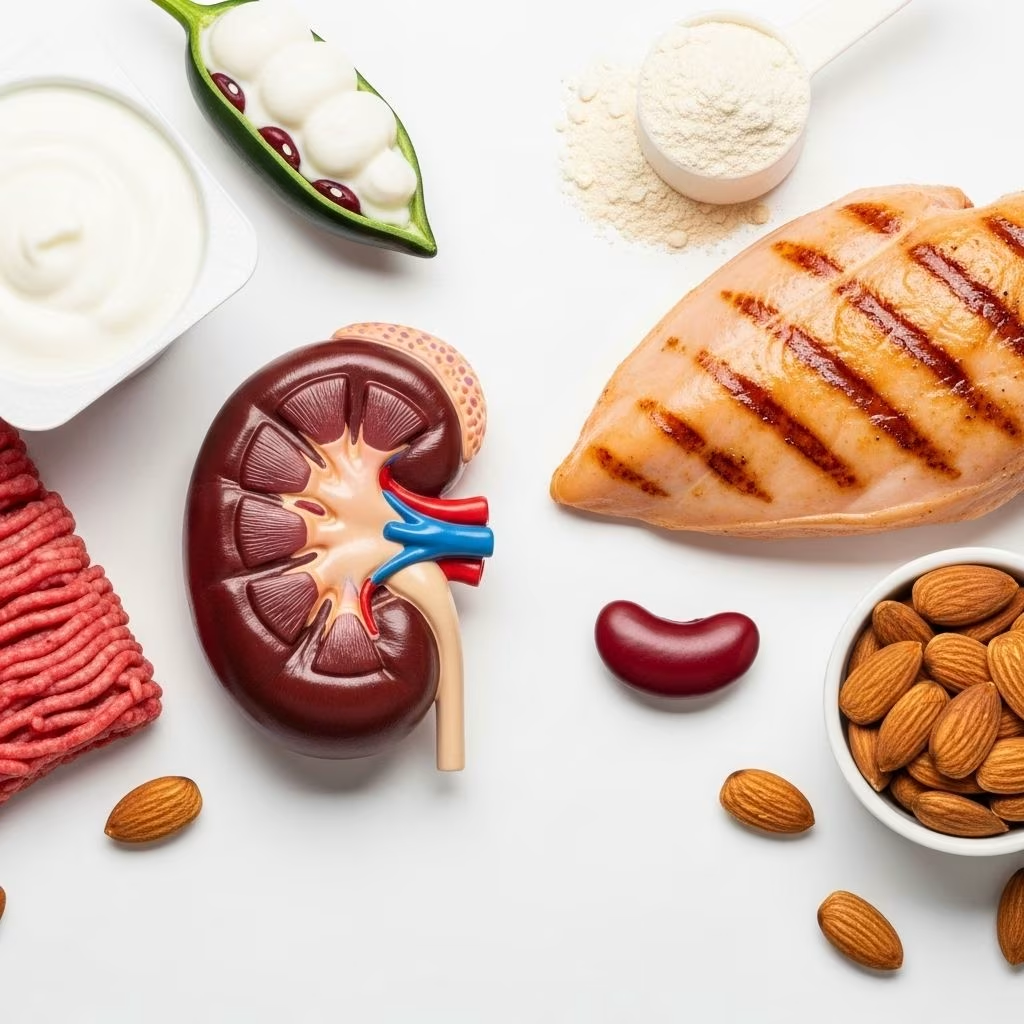
High-protein diets have soared in popularity among those seeking rapid weight loss, building muscle, or managing blood sugar. But these diets come with persistent concerns: do they damage your kidneys? This article reviews the scientific evidence, clarifies misconceptions, and explains who should exercise caution when upping their protein intake.
Why Are High-Protein Diets So Popular?
High-protein diets are frequently recommended to:
- Increase satiety and reduce hunger cravings
- Boost metabolism, aiding in weight management
- Preserve and build muscle mass, especially during weight loss or aging
- Support athletic performance and recovery
Popular plans like the Keto, Paleo, Atkins, and low-carb diets emphasize protein, sometimes advocating daily intakes well above the standard recommendation.
Understanding Kidney Function and Protein Processing
The kidneys are vital organs responsible for filtering waste, excess water, and toxins—many of which come from the digestion of foods, including protein-rich meals. When you consume protein, your body breaks it down into amino acids, using what it needs and converting the excess into waste products—primarily urea—excreted through urine.
This filtration process is essential, but it also means your kidneys work harder with increased protein intake—a fact that has prompted health experts to investigate whether high-protein diets could strain or damage the kidneys over time.
Where Did the Concern for High-Protein Diets and Kidney Problems Originate?
The fear that protein harms the kidneys first appeared decades ago, primarily based on the observation that people with existing kidney disease were advised to limit their protein intake to slow the progression of their illness. The logic was extended: if high protein worsens kidney damage in sick individuals, could it also harm healthy kidneys?
However, many diet trends pushed protein well above the recommended daily allowance (RDA) of 0.8 grams per kilogram of body weight—sometimes double or triple that amount—amplifying worry among clinicians and consumers alike.
The Science: What Do Clinical Studies Say?
Research in People with Normal Kidney Function
Large-scale meta-analyses and controlled trials in healthy individuals have largely debunked the idea that high-protein diets cause chronic kidney disease or significant decline in kidney function. A comprehensive review of more than two dozen studies found no evidence that otherwise healthy people develop kidney problems from a high-protein diet. These studies examined kidney filtration rate (GFR), protein excretion in urine, and other markers of renal health, consistently showing no harm over periods ranging from weeks to several years.
In fact, researchers noted benefits such as increased satiety and fat loss, along with muscle preservation in older adults and those engaged in resistance training.
Short-Term vs. Long-Term Effects
Consuming excess protein does increase glomerular filtration rate (GFR) temporarily, a condition called hyperfiltration. This simply means the kidneys are processing more blood per minute to eliminate extra waste. Critics of high-protein diets cite this as a potential precursor to kidney damage. However, evidence shows that in healthy kidneys, this adaptation does not translate into measurable harm or scarring.
Do All Proteins Affect Kidneys Equally?
Animal proteins (such as red meat, poultry, and dairy) and plant proteins (legumes, nuts, seeds) differ in their effects on kidney workload. Some observational studies suggest a higher acid load and toxin production from animal proteins, theoretically increasing kidney strain. However, well-controlled studies have failed to decisively show a greater risk from animal-based protein in people with healthy kidneys.
Who Should Be Cautious with High-Protein Diets?
Certain groups are more vulnerable to the effects of high-protein diets on kidney health. These include:
- Individuals with Chronic Kidney Disease (CKD): For those already diagnosed with reduced kidney function, a high-protein diet can exacerbate disease progression and increase proteinuria (excess protein in urine).
- People at High Risk of Kidney Problems: Including those with diabetes, hypertension, or a family history of kidney disease.
- Older adults (due to normal age-related decline in kidney function)
- Individuals with a single kidney or known kidney anomalies
For these groups, maintaining moderate protein intake and coordinating with a physician or registered dietitian is strongly advised.
How Much Protein Is Too Much?
The protein RDA for an average adult is:
- 0.8 grams per kilogram of body weight per day (about 56g for a 70kg adult)
High-protein diets typically recommend up to 1.2–2.0 grams per kilogram—sometimes even more for athletes. Studies generally show that intakes up to 2.0g/kg are safe for healthy people. However, prolonged, very high protein intake may be unnecessary for average fitness and weight maintenance goals.
Clinical Evidence: The Details
| Population Studied | Protein Intake | Kidney Health Outcome | Duration | Conclusion |
|---|---|---|---|---|
| Healthy adults | 1.2–2.0 g/kg/day | No negative effect | Up to several years | Safe for kidney health |
| CKD patients | >0.8–1.0 g/kg/day | Accelerated decline | Months to years | Should limit protein |
| Elderly adults | 1.0–1.5 g/kg/day | Generally safe if no disease | 6–24 months | Monitor renal markers regularly |
| Obese/diabetic people | >1.2 g/kg/day | Potential risk | Varies | Personalized guidance recommended |
Expert Opinions: What Do Leading Organizations Recommend?
- Healthy individuals can safely follow higher-protein diets within reason, but should avoid extremes for long periods without medical monitoring.
- Anyone with kidney disease or at risk should consult a nephrologist to determine an appropriate protein limit.
- Long-term research is still needed to clarify subtle risks, especially for high-risk groups.
Balanced Perspectives: Are There Exceptions?
While most healthy adults can enjoy a high-protein diet without fear, there are nuanced caveats:
- Short-term increases in kidney workload (hyperfiltration) are not the same as disease progression, but their impact over decades is less understood.
- Extremely high intakes (>2.5g/kg/day) have not been studied extensively and may present unknown risks.
- A balanced diet rich in fruits, vegetables, and whole grains is important to offset potential acid load from animal protein.
- Hydration is key: As protein metabolism generates more waste, adequate water helps your kidneys do their job.
Frequently Asked Questions
Q: Do high-protein diets cause kidney stones?
A: High-protein, especially animal-based diets, may increase the risk of some types of kidney stones by raising calcium excretion and lowering urine pH. Staying hydrated and moderating intake may lower this risk.
Q: Is the effect of high-protein diets on kidneys the same for everyone?
A: No. Individuals with existing kidney disease, diabetes, hypertension, or other chronic illnesses, as well as older adults and people with only one kidney, are more vulnerable. Healthy, active adults are less likely to experience problems with moderate increases in protein.
Q: Are plant-based proteins easier on the kidneys?
A: Some evidence suggests that plant proteins may be less taxing on kidneys due to a lower acid load and the presence of beneficial compounds, although high-quality, controlled studies show little difference in healthy subjects. For those with CKD, however, plant-based diets may be preferable.
Q: Can a high-protein diet help with weight loss?
A: Yes, protein is more satiating than fats or carbohydrates, and can help preserve muscle mass during calorie restriction. This is why protein-rich diets are often effective for short-term weight loss and muscle building.
Q: What symptoms signal kidney problems?
A: Early kidney damage is often silent. Signs to watch include swelling in the legs, fatigue, changes in urination, blood in the urine, or persistent nausea. If you experience any of these while on a high-protein diet, consult your healthcare provider.
Key Takeaways for Safe Protein Intake
- High-protein diets are generally safe for healthy adults when practiced in moderation.
- People with kidney disease or high risk should restrict protein based on medical advice.
- Long-term studies continue to track subtle risks, but for most people, modest increases in protein do not pose a threat.
- A balanced diet with adequate hydration supports both kidney health and overall wellness.
Practical Advice: How to Protect Your Kidneys on a High-Protein Diet
- Get a baseline kidney function test before starting a high-protein diet, especially if you belong to a high-risk group.
- Focus on a variety of protein sources—mix plant and animal proteins.
- Include plenty of fruits, vegetables, and whole grains to reduce dietary acid load.
- Drink enough water each day to flush out the metabolic byproducts of protein.
- Schedule periodic blood and urine tests to monitor kidney function if consuming a high-protein diet long-term.
Conclusion
Modern research shows that high-protein diets are safe for healthy individuals—but those with kidney disease need to exercise caution. Sensible, moderate adjustments tailored to personal health profiles, combined with regular medical monitoring, make the high-protein diet an effective and safe strategy for many.
References
- Large meta-analyses debunking early myths about high-protein diets and kidney disease
- Current recommendations from nephrology, nutrition, and internal medicine organizations
- Recent controlled trials on protein intake in both healthy and at-risk groups
References
- https://pubmed.ncbi.nlm.nih.gov/32669325/
- https://academic.oup.com/ndt/article/35/1/1/5614387
- https://brighterworld.mcmaster.ca/articles/myth-busted-researchers-show-that-a-high-protein-diet-does-not-affect-kidney-function/
- https://health.clevelandclinic.org/planning-to-start-a-high-protein-diet-check-with-your-kidneys-first
- https://www.frontiersin.org/journals/nutrition/articles/10.3389/fnut.2024.1408424/full
- https://www.mayoclinic.org/healthy-lifestyle/nutrition-and-healthy-eating/expert-answers/high-protein-diets/faq-20058207
- https://www.kidney.org/kidney-topics/ckd-diet-how-much-protein-right-amount


