


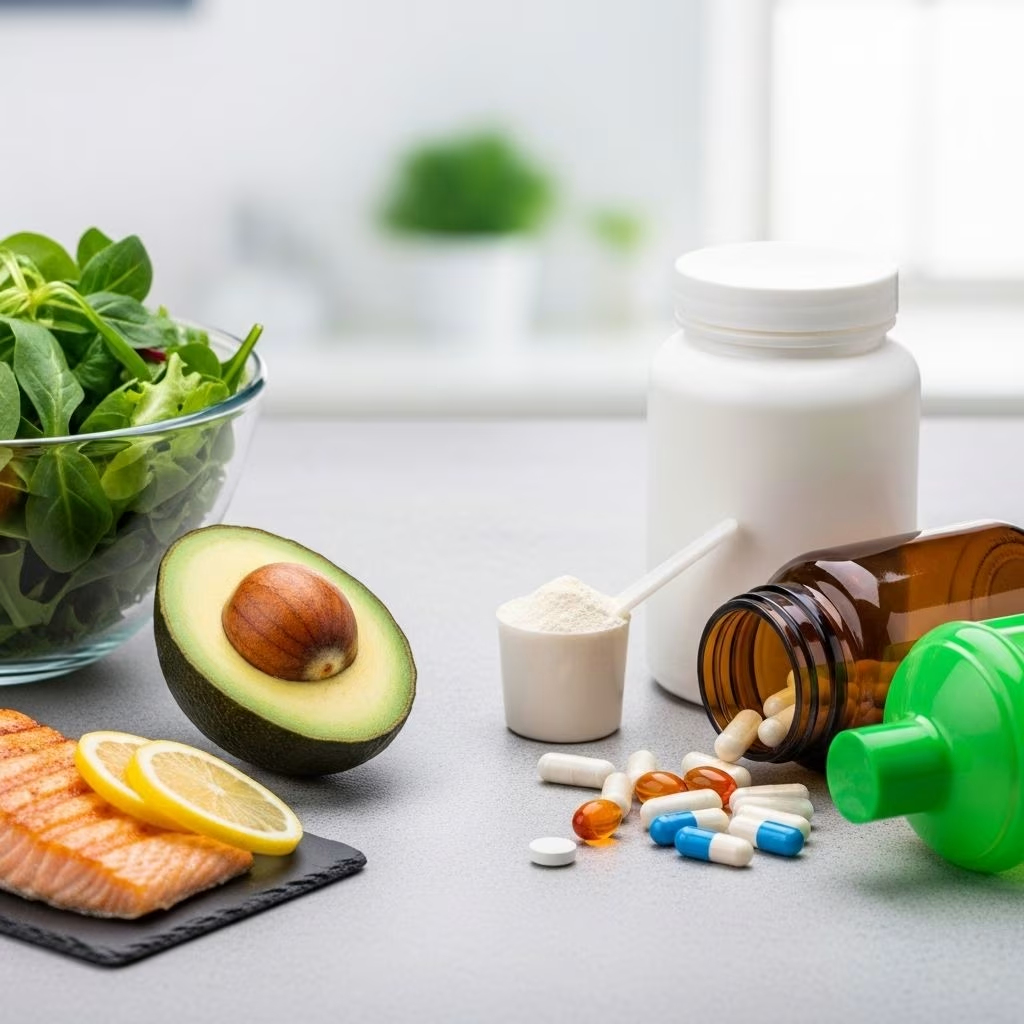
When it comes to losing weight, the shelves are loaded with pills, powders, teas, and supplements—each promising miraculous results. But do these supplements really work, and are any backed by scientific evidence? This article breaks down the science behind common weight loss supplements, explores whether vitamins can actually help you slim down, and uncovers what experts truly recommend for supporting healthy weight management.
Do Weight Loss Supplements Really Work?
The supplement industry is a multi-billion dollar business, and weight loss products are among the top sellers. Common supplement ingredients range from herbal extracts to synthetic compounds, each claiming special fat-burning or appetite-suppressing powers. But how much of this is proven by research?
- Most weight loss supplements provide modest or no clinically meaningful benefit.
- The FDA does not require supplements to prove efficacy before being sold, leading to a market saturated with products lacking solid evidence.
- Even when clinical effects are found, the average results are usually small and may not be meaningful for long-term weight loss.
According to experts, supplements are never a substitute for dietary and lifestyle changes, such as balanced nutrition, regular exercise, and healthy sleep.
Popular Weight Loss Supplements: Ingredients and Evidence
Let’s take a closer look at some of the most hyped dietary supplements for weight management, examining their active ingredients, scientific evidence, and safety concerns.
Caffeine and Green Tea Extract
- Caffeine is found in many weight loss supplements. It can boost metabolism and increase energy expenditure temporarily, but effects on actual fat loss are typically modest.
- Green Tea Extract (GTE) contains compounds like EGCG, which may enhance fat oxidation. Some evidence supports small reductions in body fat for overweight individuals when combined with exercise and calorie control, but not dramatic weight loss.
- Excessive intake of caffeine or GTE can lead to side effects such as insomnia, rapid heart rate, anxiety, and digestive upset.
Pyruvate
- Pyruvate is marketed as a fat-burner. Studies in humans show very modest benefits—a few pounds of extra weight loss within a few weeks, typically in combination with ultra-low-calorie diets and high doses not recommended for long-term use.
- Most reputable sources agree that while small differences add up, pyruvate offers no magic shortcut and can be expensive and unnecessary.
- Some people may experience stomach upset if taken on an empty stomach.
Garcinia Cambogia
- Garcinia Cambogia contains hydroxycitric acid (HCA), a compound once thought to suppress appetite and block fat formation.
- Human studies have largely failed to show significant weight loss benefits compared to placebo, and claims are based mainly on animal research.
- Current evidence does not support garcinia cambogia as an effective or reliable supplement for weight reduction.
Fiber (Including Glucomannan)
- Fiber supplements, especially glucomannan, can help increase feelings of fullness and control appetite.
- Some randomized trials show that, when taken with plenty of water before meals, glucomannan may support modest weight loss (a few pounds over weeks to months).
- Most health experts recommend focusing on naturally fiber-rich foods rather than supplements for sustainable results and added health benefits.
Green Coffee Bean Extract (GCBE)
- GCBE contains chlorogenic acids that may affect fat metabolism, but clinical trials report inconsistent and generally modest outcomes.
- Potential side effects include digestive discomfort and caffeine-related symptoms.
Choline
- Choline plays a role in fat metabolism and liver health but there is little evidence that supplementation significantly boosts weight loss unless a deficiency is present.
- High doses may cause fishy body odor, sweating, and digestive upset.
Capsaicinoids and Capsinoids
- Capsaicinoids (from chili peppers) and similar compounds in some supplements may increase energy expenditure slightly by triggering thermogenesis (heat production in the body).
- Effects on actual weight loss remain limited and are rarely sufficient for major, sustained fat loss.
Vitamins and Weight Loss: Are There Any Magic Bullets?
The idea that a simple multivitamin, or specific vitamins like vitamin D or B12, can directly cause weight loss is not supported by strong scientific evidence. However, adequate nutrition is critical for overall health and metabolic function.
Vitamin D and Calcium
- Some studies suggest low vitamin D is common in people with obesity and that correcting a deficiency supports healthy muscles and bones.
- Few rigorous studies show actual weight loss with vitamin D or calcium supplementation.
- One research trial found that vitamin D and calcium-fortified orange juice did not lead to significant weight loss compared to those who did not take it, though there was a minor reduction in visceral (belly) fat for those with supplements.
- Another study hinted calcium may suppress appetite, but effects are mild.
Experts agree: if you’re low in vitamin D or calcium, correcting that is important for health—but supplements are not weight loss pills.
Other Vitamins
- B vitamins are essential for metabolism, but taking extra won’t speed up weight loss unless you are deficient.
- Magnesium, iron, and other micronutrients are important for well-being, but do not melt away the pounds.
Should I Take Weight Loss Supplements?
Before reaching for any dietary supplement, consider these key points:
- Most supplements are unlikely to cause dramatic or sustainable weight loss.
- Risks include contamination, false advertising, and potential side effects, especially when taken in excess.
- Supplements may interact with medications or other health conditions—consult your healthcare provider if you’re considering any new supplement.
- Quality control varies widely; picking reputable brands and looking for third-party testing is important.
- For most people, focusing on a balanced diet, regular exercise, and healthy lifestyle habits will produce better results than supplements alone.
How to Make Informed Choices about Supplements
Here are actionable steps to take if you are considering any dietary or weight loss supplement:
- Read labels and ingredient lists carefully.
- Be wary of products promising rapid or effortless weight loss.
- Seek out clinical evidence for any claims—look for research in reputable journals, not just testimonials or marketing buzzwords.
- Talk to your healthcare provider, especially if you take medication or have a medical condition.
Comparing Popular Weight Loss Supplements at a Glance
| Supplement | Claim | Scientific Support | Potential Risks |
|---|---|---|---|
| Pyruvate | Fat burner, boosts metabolism | Small, short-term weight loss in some studies | Stomach upset at high doses |
| Garcinia Cambogia | Suppresses appetite, blocks fat | Largely unsupported in human studies | Mostly safe at standard doses |
| Green Tea Extract | Fat oxidation, boosts metabolism | Modest fat loss in some trials | Insomnia, anxiety, digestive issues |
| Glucomannan | Promotes fullness | Modest support for appetite control | May cause digestive discomfort if not taken with enough water |
| Green Coffee Extract | Reduces fat absorption | Mixed findings, minor benefits | Caffeine-related side effects |
| Capsaicinoids | Burns more calories | Very modest effects | Heartburn, digestive upset |
What About Other Herbal Supplements?
Herbal products such as raspberry ketones, bitter orange, and hoodia continue to surface in weight loss supplements. However, evidence for these is even weaker, and some may carry cardiovascular or digestive risks. Be particularly wary of products with a long list of unknown ‘proprietary blends’ or exotic herbs not backed by safety data.
What Do the Experts Really Recommend?
- The cornerstone of long-term weight management remains healthy eating and physical activity, not dietary supplements.
- Aim to fill your plate with whole grains, fruits, vegetables, lean proteins, and healthy fats.
- Supplements may play a role if you have a medical deficiency but will not cause significant fat loss on their own.
- Beware of counterproductive effects: believing supplements are a shortcut can lead to neglecting healthy habits.
Frequently Asked Questions (FAQs)
Q: Can vitamins help you lose weight?
A: There is no strong evidence that any vitamin supplement will directly result in weight loss, unless you’re correcting a deficiency that had been impairing your metabolism or energy levels.
Q: Are weight loss supplements safe?
A: Most ingredients, when taken according to instructions, are reasonably safe for healthy adults. However, risks increase with high doses, interactions with medications, and for people with underlying conditions. Always consult your healthcare provider before starting any supplement.
Q: Will fiber supplements help me lose weight?
A: Fiber supplements like glucomannan can help with appetite control and support very modest weight loss when used as part of a calorie-controlled diet. Eating a naturally high-fiber diet is even better.
Q: Should I try green tea or caffeine supplements for weight loss?
A: Green tea and caffeine may slightly boost metabolism, but effects on weight are limited and not reliably sustained. Excessive consumption can cause side effects, so moderation and realistic expectations are key.
Q: Are there any supplements that doctors recommend for weight loss?
A: Most physicians recommend making diet and lifestyle changes for weight loss. Supplements may sometimes be suggested for correcting deficiencies, but not as a primary weight loss strategy. Always seek professional advice.
Key Takeaways
- No supplement is a magic bullet. Scientific evidence supporting dramatic weight loss from supplements is lacking.
- Address genuine nutrient deficiencies under professional guidance.
- Adopt healthy, evidence-based habits for true, lasting results.
References
- https://www.prevention.com/health/a35553431/vitamins-for-weight-loss/
- https://www.prevention.com/weight-loss/diets/a20429598/weight-loss-supplements/
- https://pmc.ncbi.nlm.nih.gov/articles/PMC9099655/
- https://www.prevention.com/weight-loss/a65888760/turmeric-curcumin-helps-weight-loss-study/
- https://www.prevention.com/weight-loss/a20459547/weight-loss-and-dietary-supplements/
- https://www.prevention.com/weight-loss/a20466892/weight-loss-supplements-0/
- https://www.prevention.com/weight-loss/diets/a20718413/apple-cider-vinegar-for-weight-loss/
- https://www.prevention.com/weight-loss/diets/a20429580/dietary-supplement-and-weight-loss/
- https://www.prevention.com/health/a65812871/vitamins-to-take-after-age-40/
- https://www.prevention.com/food-nutrition/healthy-eating/a65664887/ultra-processed-foods-weight-loss-gut-health-study/


