


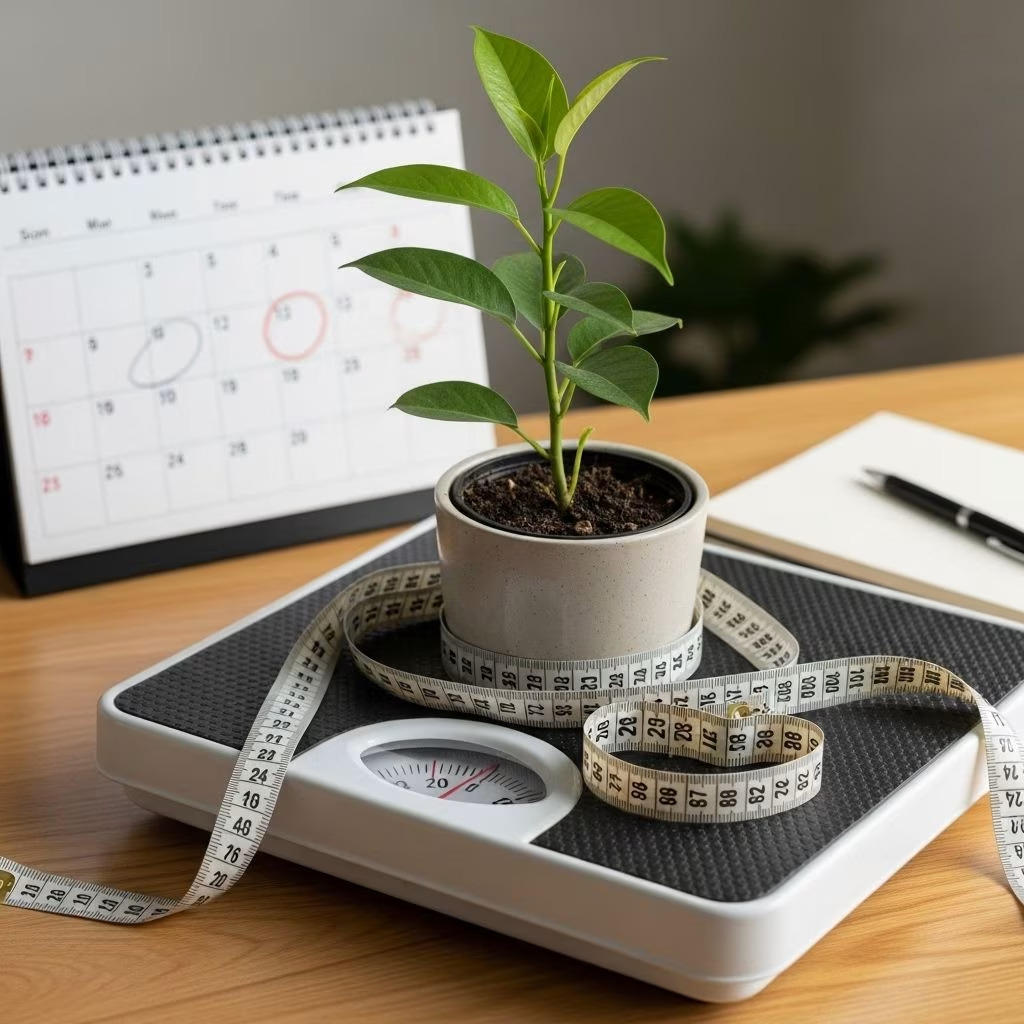
Making the decision to lose weight is a bold step toward better health. But even before you start, it’s common to ask: how long does it actually take to lose weight? Headlines and before-after photos set up the expectation that transformation can happen virtually overnight. The reality—grounded in scientific research and professional guidance—looks far different. In this comprehensive guide, expert dietitians and weight loss physicians explain how weight loss works, outline healthy and realistic timelines, and detail the most important factors on the journey to sustainable results.
Understanding How Weight Loss Occurs
The basic principle of weight loss is simple in theory but complex in practice. According to Crystal Scott, R.D., a registered dietitian with Top Nutrition Coaching:
- Weight loss happens when there is a sustained calorie deficit, meaning you consistently burn more calories than you consume.
- This deficit forces the body to tap into stored fat for energy, causing weight loss over time.
- Achieving a calorie deficit typically involves a combination of reducing caloric intake (through diet) and increasing energy expenditure (via physical activity).
While the physiological rule is straightforward, the real-world application is affected by metabolism, age, genetics, medical conditions, and lifestyle behaviors. This is why weight loss rates and ease can vary widely from one person to another.
Common Misconceptions and Diet Culture Pitfalls
Modern diet culture often focuses on rapid results—”quick fixes” and dramatic transformation stories. Yet, timeframes for healthy and lasting weight loss are neither universal nor fast. Experts caution against:
- Comparing yourself to others’ journeys, as genetics and metabolism differ.
- Trusting “overnight” transformations, which usually aren’t sustainable or genuine.
- Falling for restrictive fads that promise instant results but are hard to maintain and may compromise your well-being.
Meet the Experts
- Crystal Scott, R.D.: Registered dietitian, Top Nutrition Coaching
- Megan Hilbert, R.D.: Registered dietitian, Top Nutrition Coaching
- Mir Ali, M.D.: Bariatric surgeon, Orange Coast Medical Center
What Is a Safe Rate of Weight Loss?
Both Scott and Hilbert emphasize the importance of realistic, healthy goals. For most individuals, the recommended pace is:
- 0.5 to 1 pound (0.2–0.45 kg) per week of fat loss is considered safe and sustainable.
- Some may see early changes—particularly in water weight—within the first week, but meaningful, lasting fat reduction takes longer.
- Progress is rarely linear: some weeks you may lose more, other weeks may bring a plateau.
This gradual approach helps:
- Preserve precious muscle mass
- Establish healthy habits
- Promote long-term adherence and maintenance
Risks of Losing Weight Too Quickly
Extreme calorie restriction and rapid weight loss come with significant downsides, according to registered dietitians and physicians:
| Potential Risk | Description/Impact |
|---|---|
| Muscle Loss | Rapid weight loss can cause your body to break down muscle for energy, resulting in a slower metabolism and poorer body composition. |
| Gallstones | Major drops in body weight in a short time can prevent your gallbladder from emptying properly, increasing the risk of gallstones. |
| Electrolyte Imbalances | Severe calorie restriction can upset your body’s chemical balance, leading to potentially serious consequences. |
| Nutrient Deficiencies | Eating too few calories increases the risk of missing out on essential vitamins and minerals, leading to both short- and long-term health issues. |
| Psychological Impact | Overly restrictive eating patterns can lead to irritability, feelings of deprivation, disordered eating, and a negative relationship with food. |
General guidance for minimum calorie intake: Adults typically need between 1,600 and 2,400 calories a day, depending on age, sex, and activity level. Individualized needs are best determined with a registered dietitian.
What to Expect: Realistic Weight Loss Timelines
If you’re eating at a calorie deficit and engaging in regular activity, here’s a general timeline of what to expect:
- First week: Some people see minor losses immediately (often due to water weight reduction).
- 2–4 weeks: You may notice steady, modest changes in weight and possibly in how your clothes fit.
- Several months: As healthy habits take root, loss becomes more noticeable and consistent—though periods of slower progress and plateaus are normal.
- Long-term (6+ months): People who lose weight steadily and establish new behaviors are more likely to maintain results over the long haul.
Key Point
Weight loss is a journey, not a sprint. Most people need to think in terms of months for healthy, maintainable progress. Start with small, realistic goals and celebrate each step, not just the finish line.
Factors That Affect How Quickly (or Slowly) You Lose Weight
Why do some people see results faster than others? Here are common variables influencing the pace of weight loss:
- Starting weight and body composition: Individuals with more body fat may see faster initial drops, but this generally slows as weight decreases.
- Calorie deficit level: Larger deficits produce speedier results but increase the risk of losing muscle and encountering negative side effects. Small to moderate deficits are safer and more sustainable.
- Activity level: Exercise not only burns calories directly, but also helps preserve muscle mass and maintain metabolic rate.
- Age: Metabolic rate generally slows with age, making progress slower for some older adults.
- Sex: Men tend to lose weight slightly faster due to higher muscle mass.
- Medications and medical conditions: Some conditions (e.g., hypothyroidism, PCOS) and certain medications can make weight loss more difficult.
- Genetics: Plays a role in metabolism and fat storage patterns.
- Consistency with habits: The more consistently you eat nutritiously and move your body, the more likely you’ll see — and maintain — progress.
Expert Insight
“Progress is often not totally linear. Some weeks you may lose more, others may be plateaued. This is all part of the process,” says Megan Hilbert, R.D.
Strategies for Sustainable Weight Loss
Instead of chasing quick results, lasting weight loss comes from building new habits and balancing your approach. Here are valuable strategies, backed by nutrition professionals:
- Prioritize whole foods: Base meals around vegetables, fruits, lean proteins, whole grains, and healthy fats.
- Eat enough—but not too much: Don’t drop calories below your minimum needs.
- Move often: Aim for a blend of aerobic activity and strength training for optimal results.
- Practice mindful eating: Pay attention to hunger and fullness, eat without distractions, and savor meals slowly.
- Start small: Make one or two manageable changes at a time, such as drinking more water or adding an extra serving of veggies.
- Get support: Consult with a registered dietitian for individualized plans and guidance.
Sample Table: Sustainable Weight Loss Tips
| Healthy Habit | Why It Works |
|---|---|
| Meal prepping | Reduces the likelihood of impulsively eating high-calorie foods |
| Portion control | Prevents overeating and helps you respect true hunger cues |
| Regular exercise | Increases calorie expenditure and helps retain lean muscle |
| Sleep hygiene | Poor sleep is highly correlated with weight gain and cravings |
| Tracking food intake | Builds awareness of eating patterns and calorie consumption |
How to Handle Plateaus and Weight Fluctuations
No matter how well you stick to your plan, plateaus—periods where weight loss slows or stops—are common. Here’s how to manage them:
- Reassess your habits: Food portions and physical activity might have drifted; use tracking or a food diary to spot changes.
- Switch things up: Try a new workout, add resistance training, or tweak your macro balance to give your metabolism a nudge.
- Be patient: Your body may be ‘resetting’ and preparing for more progress.
- Focus on non-scale victories: Notice improvements in energy, fitness, mood, and how your clothes fit.
Remember: Weight naturally fluctuates day-to-day due to hydration, hormones, and other variables. Don’t obsess over small ups and downs—stay focused on long-term progress.
Key Takeaways: What It Really Takes for Weight Loss
- The foundation of healthy weight loss is a sustained, moderate calorie deficit combined with regular physical activity.
- Expect to lose about 0.5–1 lb per week for safe, lasting results.
- Plateaus and temporary slowdowns are normal; overall consistency matters most.
- Extreme diets and rapid weight loss are not only unsustainable—they also pose serious health risks.
- Lasting, meaningful weight loss takes weeks to months (not days).
When to Seek Professional Guidance
If you have significant weight to lose, a complex medical history, or if your weight loss stalls, it’s wise to:
- Consult a registered dietitian for a personalized, sustainable plan.
- Work with your primary care physician, especially if you have health conditions or are considering medication or surgical options.
Frequently Asked Questions (FAQs)
Q: How soon will I notice weight loss?
A: Many people see changes in the first 2 to 4 weeks, especially from water loss. More visible fat loss typically becomes noticeable after a month or more of consistent effort.
Q: Is losing 10 pounds in one month safe?
A: Losing more than 1–2 pounds per week is generally not recommended. Larger losses are possible at higher starting weights or with medical interventions but need medical supervision.
Q: What’s more important—diet or exercise?
A: Both play crucial roles. A calorie deficit is usually created through diet, but physical activity preserves muscle, boosts metabolism, and supports long-term maintenance.
Q: Why did my weight loss suddenly stop?
A: Plateaus are normal. Your body adapts to calorie deficits; review your habits, make small adjustments, and stay patient—progress will usually resume.
Q: Should I use a weight loss app or tracker?
A: Tracking progress can help you stay accountable and informed. Logging meals, workouts, and measurements can reveal patterns and keep motivation high.
Final Thoughts
Weight loss isn’t a one-size-fits-all sprint—it’s a unique, evolving journey requiring patience, flexibility, and self-compassion. Set modest, achievable goals. Rely on evidence-based habits, seek professional support if needed, and celebrate every step forward, no matter the pace. With this approach, sustainable results and improved health are not just possible—they’re probable.
References
- https://www.prevention.com/weight-loss/a20433861/follow-this-weight-loss-timeline-to-a-tee-for-results-that-stick/
- https://www.prevention.com/weight-loss/a44398539/how-long-does-it-take-to-lose-weight/
- https://www.prevention.com/weight-loss/a30188568/lose-weight-without-exercise-0/
- https://www.prevention.com/weight-loss/g20498713/lose-weight-without-trying/
- https://www.prevention.com/weight-loss/diets/a60578947/how-to-lose-weight-fast-safely/
- https://www.prevention.com/health/a65401665/expert-walking-tips-weight-loss/
- https://www.prevention.com/weight-loss/g20490240/10-rules-to-live-by-for-long-lasting-weight-loss/
- https://www.prevention.com/weight-loss/a20505318/lose-weight-by-eating-more-fat/
- https://www.prevention.com
- https://www.prevention.com/weight-loss/g20516064/7-signs-youre-making-weight-loss-harder-than-it-needs-to-be/


