


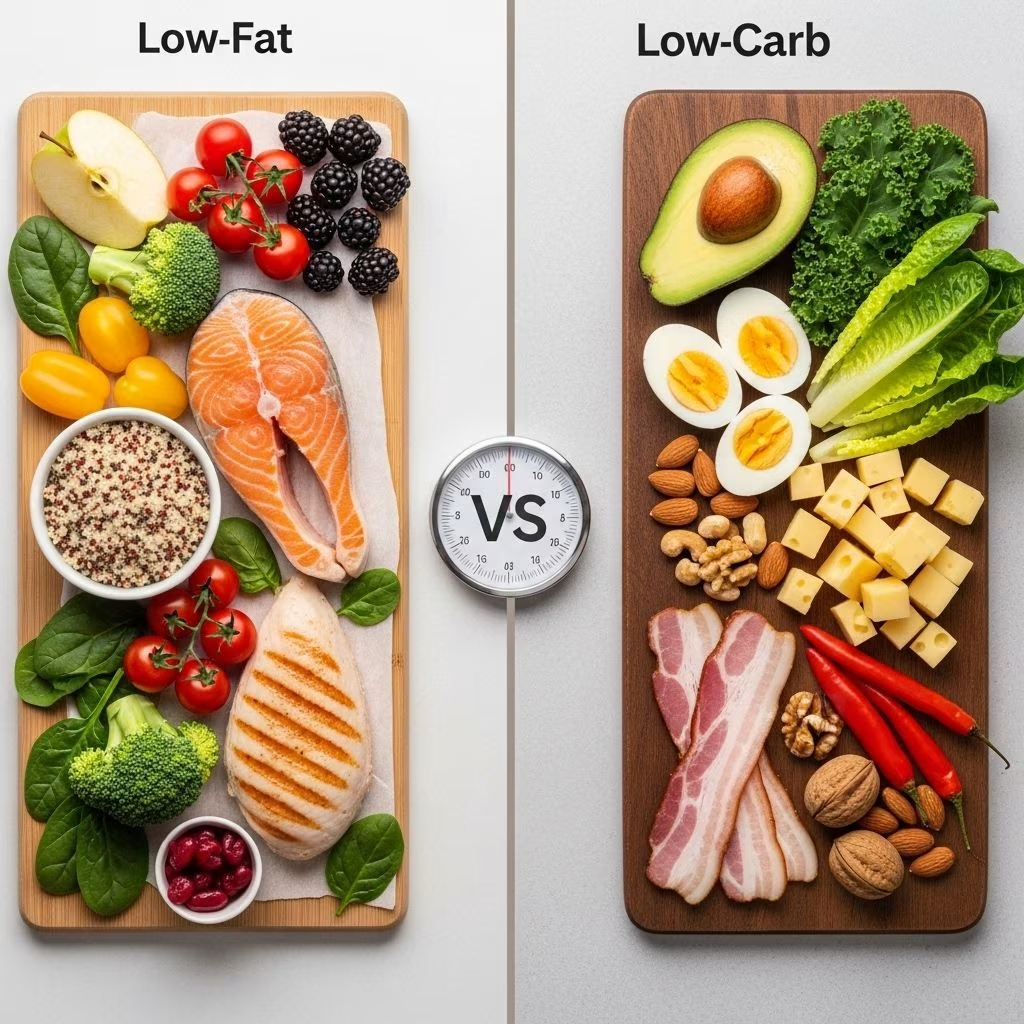
Low-Fat vs. Low-Carb Diets: The Ultimate Evidence-Based Comparison
The debate over low-fat versus low-carb diets has dominated nutrition circles for decades. Both approaches promise weight loss benefits and improved health, but each restricts major food groups in different ways. This article provides an in-depth comparison, examining how the diets work, what scientific studies say about their effectiveness, the risks and benefits, and guidance for selecting the right plan for lasting results.
What Are Low-Fat and Low-Carb Diets?
While both aim to reduce calories and promote weight loss, low-fat diets and low-carb diets are fundamentally different in their approach to macronutrient restriction.
Low-Fat Diets
- Fat intake is restricted to less than 30% of total daily calories, often even lower in stricter versions.
- Foods high in fat like oils, butter, full-fat dairy, nuts, avocados, and seeds are limited.
- Emphasis is placed on low-fat foods such as fruits, vegetables, whole grains, skinless poultry, fish, egg whites, legumes, and fat-reduced dairy products.
- Many fat-reduced or “diet” products may include added sugar or artificial sweeteners.
Low-Carb Diets
- Carbohydrate intake is restricted, typically ranging from very low (less than 10% of calories) to moderate (up to 44% of calories).
- Very low-carb diets (e.g., ketogenic diets) induce ketosis, a metabolic state where fat is used for energy instead of carbs.
- Foods like breads, pasta, grains, legumes, starchy vegetables, and high-carb fruits are limited or eliminated.
- Focus is on protein (meat, eggs, fish), fats (oils, nuts, high-fat dairy), and non-starchy vegetables.
| Diet Type | Main Food Restrictions | Primary Allowed Foods |
|---|---|---|
| Low-Fat | Oils, Butter, Full-fat Dairy, Nuts, Avocados | Fruits, Vegetables, Lean Meats, Legumes, Grains |
| Low-Carb | Breads, Pasta, Grains, Starchy Veggies, High-Carb Fruits | Meat, Fish, Eggs, Non-starchy Veggies, Oils, Nuts |
Scientific Research: Which Diet Offers Faster and Better Weight Loss?
Multiple well-conducted studies have examined the benefits of restricting either fat or carbohydrates to promote weight loss:
Short-Term Weight Loss
- Low-carb diets tend to be more effective for rapid, short-term weight loss than low-fat diets. For example, a six-month study of people with obesity showed participants on a low-carb diet lost more than three times as much weight as those on a low-fat, calorie-restricted diet.
- Adolescents with excess weight who followed a low-carb diet lost an average of 21.8 pounds (9.9 kg), compared with 9 pounds (4.1 kg) for those on a low-fat diet.
- In a two-year comparative study, people lost 10.4 pounds (4.7 kg) on low-carb, 6.4 pounds (2.9 kg) on low-fat, and 9.7 pounds (4.4 kg) on a Mediterranean diet.
Long-Term Weight Loss
- Several reviews and meta-analyses suggest the initial edge of low-carb diets in weight loss diminishes over time. After 12 months, differences between low-fat and low-carb diets may decrease and both can support significant weight loss if followed strictly.
- A large meta-analysis found both diet approaches led to similar weight loss over the long term, with the key factor being adherence rather than macronutrient composition.
Real-World Studies and Clinical Trials: Beyond Weight Loss
How do these diets impact health markers like cholesterol, blood sugar, and overall well-being?
Low-Carb Diets and Cardio-Metabolic Health
- Rigorous clinical trials indicate low-carb diets may outperform low-fat diets in reducing cardio-metabolic risk factors (e.g., triglycerides, HDL cholesterol), even when diets are precisely controlled and calories are matched.
- In a study where participants consumed customized meals to community settings for five months, those on low-carb diets had a greater reduction in cardiovascular risk—despite three times the saturated fat compared to the high-carb group.
Low-Fat Diets: Appetite and Calorie Intake
- Research from the NIH compared a low-fat, plant-based diet to animal-based, low-carb diets. Those on low-fat diets consumed 550 to 700 fewer calories per day.
- Despite the lower calorie intake, study participants did not report increased hunger, indicating low-fat, high-carb diets may suppress appetite for some individuals.
- While both diets led to weight loss, only the low-fat diet produced a significant decrease in body fat during one such study.
Insulin Levels and Blood Sugar
- Low-fat, high-carb diets (especially plant-based) may trigger larger spikes in blood glucose and insulin after meals, which is a concern for people with insulin resistance or diabetes.
- Both low-fat and low-carb diets can be constructed to include mostly unprocessed foods and non-starchy vegetables, reducing potential negatives of either plan.
Benefits and Drawbacks of Each Diet Approach
Benefits of Low-Fat Diets
- Easier to include a wide variety of fruits, vegetables, and whole grains.
- Often lower in calories, aiding weight loss through reduced energy intake.
- May improve cholesterol levels and support heart health when saturated fat is minimized.
- Suitable for individuals with certain health conditions, including cardiovascular disease.
Drawbacks of Low-Fat Diets
- Excess intake of processed low-fat foods can increase added sugars.
- Diet may feel restrictive for those who enjoy fatty foods like avocados, nuts, or cheese.
- Potential for decreased fat-soluble vitamins absorption.
Benefits of Low-Carb Diets
- Typically associated with faster short-term weight loss.
- Can lower triglycerides and raise HDL (good) cholesterol.
- Supports stable blood sugar and insulin levels, beneficial for metabolic syndrome or type 2 diabetes.
- Greater flexibility to include rich sources of protein and healthy fats.
Drawbacks of Low-Carb Diets
- Difficult to maintain for those who prefer grains and starchy foods.
- May cause initial side effects, such as headache, fatigue, or constipation (often called the “keto flu”).
- Greater intake of saturated fats may increase cardiovascular risk if not carefully managed.
- Risk of nutrient deficiencies if fruits, legumes, and certain vegetables are restricted.
Key Factors: Adherence and Sustainability
Most major studies, including landmark meta-analyses, reinforce that choosing a diet you can stick with is the most important factor for long-term success. The composition of the diet matters less than your ability to sustain healthy eating patterns over weeks, months, and years.
Tips for Choosing the Right Approach
- Assess your personal food preferences and lifestyle. Favor a plan that you enjoy, not just one based on trends.
- If you have a medical condition (diabetes, heart disease), work with a healthcare provider to tailor macronutrient levels appropriately.
- Focus on whole, minimally processed foods regardless of diet type.
- Pay attention to portion sizes, especially for high-calorie foods.
- Monitor your health markers, including cholesterol, blood sugar, and energy levels.
Low-Fat vs. Low-Carb: Frequently Asked Questions
Q: Which diet works faster for weight loss?
A: Low-carb diets usually deliver faster initial weight loss, but differences even out over the long-term.
Q: Are low-carb diets healthy for people with diabetes?
A: Low-carb diets can help stabilize blood sugar for people with diabetes, but should be undertaken with medical supervision.
Q: Can I combine elements of both diets?
A: Many successful eating patterns, like the Mediterranean diet, blend moderate fat and carbohydrate restriction for balanced nutrition.
Q: Do low-fat diets mean eating no fat at all?
A: No. Most low-fat diets allow some fats, particularly unsaturated fats from sources such as fish, olive oil, and nuts in moderation.
Q: What role do ultra-processed foods play?
A: High intake of ultra-processed foods, regardless of fat or carb content, is linked to overeating and poor health outcomes.
Sample Meals: What Do the Diets Look Like?
| Low-Fat Example Meal | Low-Carb Example Meal |
|---|---|
| Baked sweet potato, chickpeas, steamed broccoli, orange slices, low-fat yogurt | Beef stir fry, cauliflower rice, sautéed spinach, avocado slices, full-fat cheese |
| Grilled skinless chicken breast, brown rice, garden salad, apple, skim milk | Grilled salmon, asparagus, mixed nuts, hard-boiled egg, olive oil dressing |
Conclusion: The Best Diet Is the One You Can Sustain
Both low-fat and low-carb diets can offer benefits for weight loss and health when implemented with whole foods and personal sustainability in mind. Short-term results may favor low-carb plans, but long-term success hinges more on your ability to stick with healthy habits. Consult with professionals for personalized recommendations, listen to your body, and prioritize variety and enjoyment for lasting results.
Additional Resources
- For deeper research on cardio-metabolic impacts, see recent clinical trial summaries.
- Read about whole foods and minimally processed diets for practical ways to enhance any dietary approach.
- If you have underlying health conditions, always consult your physician before starting a new diet.
References
- https://www.healthline.com/nutrition/low-carb-low-fat-diet
- https://answers.childrenshospital.org/low-carb-diet/
- https://www.nih.gov/news-events/news-releases/nih-study-compares-low-fat-plant-based-diet-low-carb-animal-based-diet
- https://www.nih.gov/news-events/nih-research-matters/low-fat-diet-compared-low-carb-diet
- https://www.frontiersin.org/journals/nutrition/articles/10.3389/fnut.2022.935234/full
- https://jamanetwork.com/journals/jama/fullarticle/2673150


