


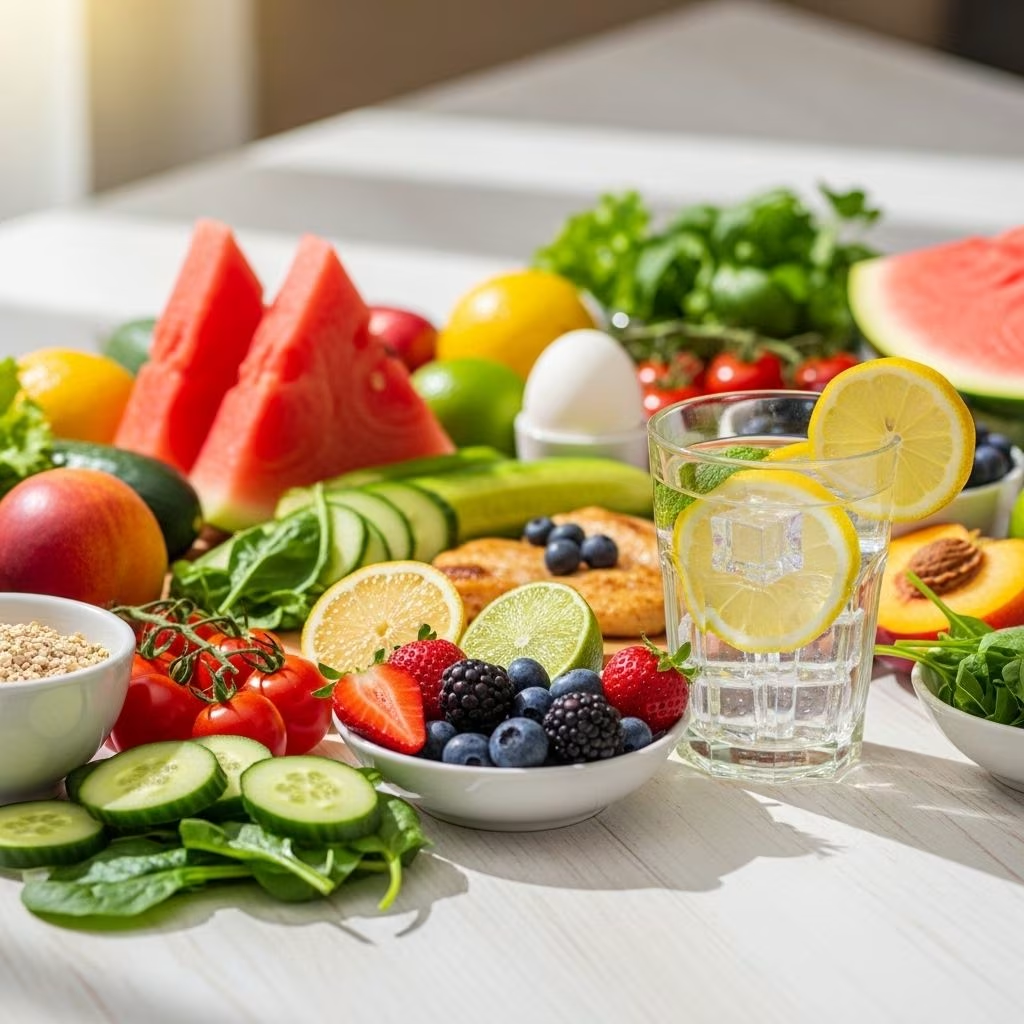
Ultimate Summer Weight Loss Diet Plan
If you want to shed excess weight and feel confident this summer, bland deprivation diets are not the answer. Instead, focusing on simple science-backed rules, balanced meals, and realistic calorie goals can help you lose weight without sacrificing flavor or satisfaction. This plan provides five essential ‘Eat-Right Rules’ and sample menu ideas to guide your healthy weight loss journey.
Contents
- Why This Plan Works
- The 5 Eat-Right Rules
- Daily Meal Breakdown
- Customizing Your Plan
- Sample Menus and Snack Ideas
- Frequently Asked Questions (FAQs)
Why This Weight Loss Plan Works
This diet strategy is designed with realistic calorie targets and meal timing that help control hunger and support steady energy throughout the day. Unlike restrictive fads, it encourages the inclusion of nutritious options and maintains your favorite flavors, making compliance far easier. As experts note, the average American consumes too many calories daily, and strategically lowering intake by 500 calories per day can yield a healthy loss of about 1 pound per week. This approach ensures a steady, manageable reduction—without drastic deprivation.
The 5 Essential Eat-Right Rules
Follow these rules to lose weight while feeling satisfied and energized:
- Stick to 1,500 Calories a Day
- If you weigh more than 200 pounds, increase to 1,700 calories by adding a 200-calorie snack, two 100-calorie snacks, or by bumping up your protein servings at lunch and dinner.
- Keeping calories in check is the foundation for consistent weight loss.
- Eat Every 4 Hours
- Avoid long gaps between meals, as they can drop blood sugar and energy, leading to poor food choices.
- Daily structure: 400-calorie breakfast, 300-calorie lunch, and 500-calorie dinner, plus a 100-calorie and a 200-calorie snack.
- Have 3 Ounces of Protein for Lunch and Dinner
- Opt for lean protein sources, such as chicken, fish, or plant-based alternatives.
- If you’re on the 1,700-calorie plan, increase portions to 4 ounces of protein per meal.
- Fill Up on Fruits and Vegetables
- They’re rich in fiber and water, which helps you stay full and satisfied on fewer calories.
- Use them as bases for meals and sides, minimizing reliance on heavier, calorie-dense foods.
- Don’t Deprive Yourself
- Allow an occasional rich dessert or indulgence within your daily calorie budget. This helps keep cravings at bay and supports long-term success.
Daily Meal Breakdown
The diet plan is structured to ensure your body receives consistent fuel while managing total caloric intake. The following table outlines suggested calorie allocations for each meal and snack:
| Meal | Calories | Notes |
|---|---|---|
| Breakfast | 400 | Should include lean protein and fiber |
| Morning Snack | 100 | Focus on fruit, nuts, or yogurt |
| Lunch | 300 | Lean protein, greens, healthy grains |
| Afternoon Snack | 200 | Pair protein and fiber for satiety |
| Dinner | 500 | Protein, vegetables, whole-grain sides |
Individuals with higher energy needs (over 200 pounds or very active) should increase protein and overall calories slightly. For most, the standard plan provides enough energy for daily activity and exercise.
Customizing Your Plan
Every individual’s needs are unique, and this plan is flexible:
- If you’re taller, heavier, or exercising intensely, add a 200-calorie snack or increase lunch and dinner protein.
- If your energy lags, assess snacking frequency or upgrade morning carbohydrates—always within your total daily limit.
- Substitute food items based on dietary restrictions, preferences, or allergies (e.g., plant-based proteins, gluten-free grains).
- Use the menu tips to modify meal quantities and ingredients without compromising nutrition.
Sample Menus and Snack Ideas
The following sample menu demonstrates how delicious and varied meals can be within the calorie guidelines. Customize as needed to fit preferences or dietary needs.
Sample 1,500-Calorie Menu
- Breakfast (400 calories): Greek yogurt parfait with fresh berries, 2 tablespoons granola, and a drizzle of honey.
- Morning Snack (100 calories): Sliced apple with 1 teaspoon nut butter.
- Lunch (300 calories): Turkey spinach salad with cherry tomatoes, cucumber, and balsamic vinaigrette.
- Afternoon Snack (200 calories): Hummus with carrot sticks.
- Dinner (500 calories): Grilled salmon fillet (3 ounces), quinoa, steamed broccoli, and a wedge of lemon.
Snack Options (100–200 Calories)
- Low-fat cottage cheese with pineapple chunks
- Whole-grain crackers with avocado spread
- Handful of unsalted almonds
- Roasted chickpeas
- Sliced strawberries and a single square of dark chocolate
Protein Choices (3 or 4 Ounces per Meal)
- Skinless chicken breast
- Wild-caught fish (salmon, cod, tuna)
- Lean pork tenderloin or turkey
- Eggs or plant-based options (tofu, lentils, tempeh)
Vegetables & Fruits: Fill Half Your Plate
- Leafy greens (spinach, arugula, kale)
- Cruciferous veggies (broccoli, cauliflower, Brussels sprouts)
- Seasonal fruits (watermelon, berries, oranges, apples)
- Snack on raw veggies to boost fiber and fullness
Indulgent Desserts (Under 200 Calories)
- Strawberry-banana stuffed French toast (half slice)
- Fruit sorbet with mixed berries
- Baked apple with cinnamon and nutmeg
- Mini chocolate mousse cup
Tips for Success
Implement these strategies to maximize results and maintain motivation:
- Plan meals and snacks ahead so you’re never caught off guard.
- Practice portion awareness; use a kitchen scale for proteins.
- Keep a food journal or use a calorie tracking app to stay accountable.
- Stay hydrated with water, herbal teas, or infused beverages; limit sugar-sweetened drinks.
- Aim for consistent daily meal timing to keep metabolism steady.
- Include family or friends for support and accountability.
Frequently Asked Questions (FAQs)
Q: How quickly can I expect to lose weight on this plan?
A: By reducing caloric intake by 500 calories daily, you can expect to lose about 1 pound per week—a safe and sustainable rate. Rapid weight loss is discouraged for lasting results.
Q: Can I adjust the plan if I am very active or have specific dietary needs?
A: Yes. Increase total calories by 200, add lean protein servings, or choose high-fiber carbohydrates to support higher energy requirements. Always ensure substitutions are nutrient-dense.
Q: What if I’m vegan or vegetarian?
A: Replace animal proteins with lentils, beans, tofu, tempeh, or seitan. The food structure remains the same, simply swap in plant-based choices for protein and enjoy plenty of vegetables and whole grains.
Q: How important is meal timing?
A: Eating every 4 hours helps stabilize blood sugar and energy, reducing the temptation to overeat. Consistent timing also aids metabolic regularity.
Q: Do I have to avoid all indulgent foods?
A: No. Occasional treats are encouraged if they fit within the daily calorie limit. Strategic indulgence helps prevent cravings and strengthens motivation.
Q: Are beverages included in the daily calorie total?
A: Yes, they count. Opt for calorie-free or low-calorie beverages; track any juice, milk, or alcohol within your daily budget.
Summary
This summer weight loss diet plan champions balance, convenience, and flavor—all grounded in five essential eat-right rules. Structured calorie goals, regularly timed meals, lean proteins, and the freedom to indulge moderately craft a proven path to lasting results. With customizable options and sample menus, you’ll never feel deprived—and you’re more likely to stay motivated and reach your goals.
References
- https://www.prevention.com/weight-loss/diets/a20461673/weight-loss-diet-plan-0/
- https://www.prevention.com/weight-loss/diets/a20460657/weight-loss-diet-plan/
- https://www.prevention.com/weight-loss/diets/a20459140/weight-loss-plan/
- https://www.prevention.com/weight-loss/a20450656/weight-loss-plan-from-the-2-day-diet/
- https://www.prevention.com/weight-loss/diets/a63174975/best-diets-for-weight-loss-2025/
- https://www.prevention.com/weight-loss/
- https://www.prevention.com/weight-loss/g24805401/fat-burning-foods/
- https://www.prevention.com/food-nutrition/g29474793/weight-loss-meal-plan/
- https://www.prevention.com/weight-loss/diets/a60578947/how-to-lose-weight-fast-safely/
- https://pmc.ncbi.nlm.nih.gov/articles/PMC8017325/


