


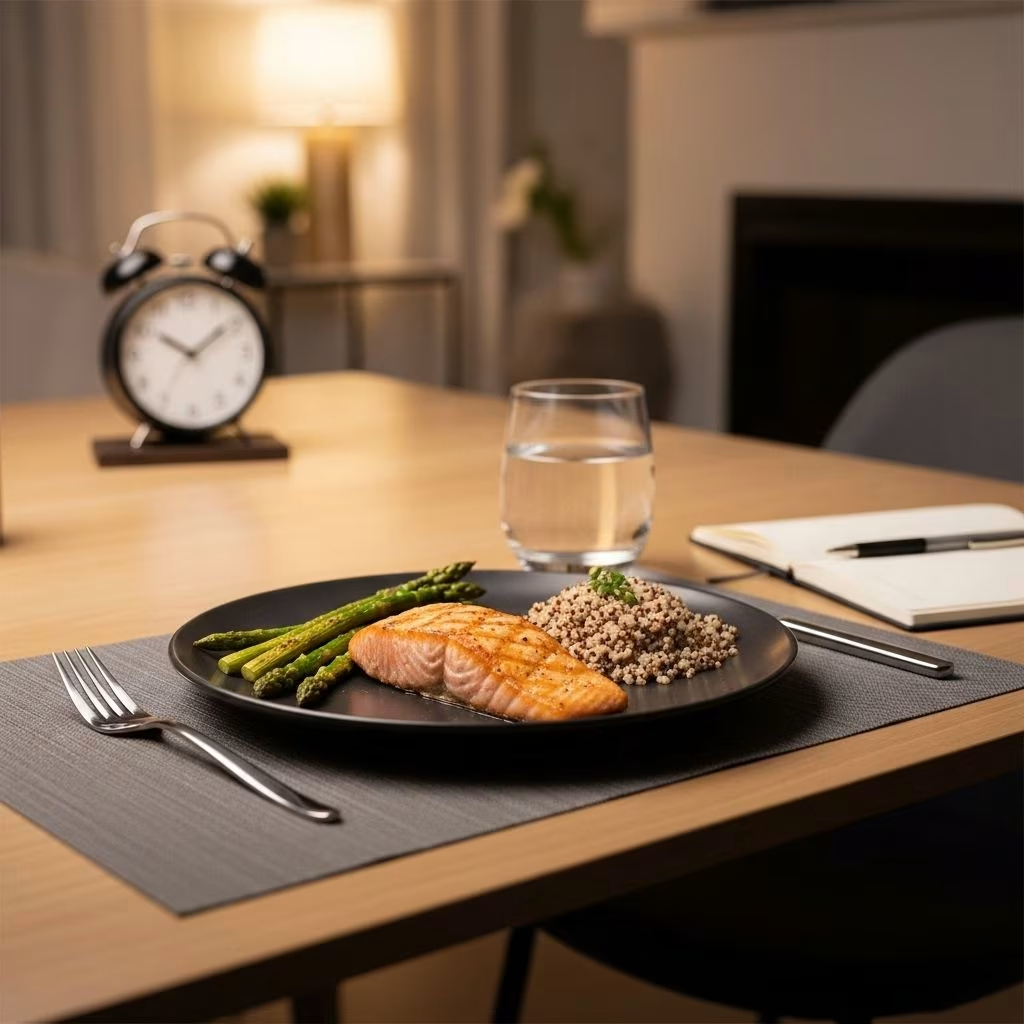
How Evening Eating Impacts Weight Loss
For many, the challenge of eating healthfully is most acute in the evening. After a busy day of work, errands, and obligations, evenings often become a time for unwinding with food. Unfortunately, this pattern can have a significant impact on weight management. In this article, we’ll examine why nighttime eating can sabotage weight loss, explore the biological and behavioral reasons behind this phenomenon, and provide science-backed strategies to help you prevent midnight munchies.
Understanding Evening Eating Patterns
Many people find themselves snacking in the evening, often on foods that are high in sugar, salt, or fat. Studies and expert opinions suggest that although it’s tempting to reach for comfort foods at night, this habit can undermine healthy eating patterns established earlier in the day.
- Decreased Activity: Evening hours typically involve less physical activity, so your body doesn’t need as many calories as earlier in the day.
- Relaxation and Reward: For some, eating in the evening serves as a reward or a means of relaxation after a stressful day.
- Caloric Surplus: Consuming extra calories at night, when energy needs are lower, can lead to gradual weight gain over time.
The Science Behind Nighttime Eating and Weight Gain
Research suggests that when you eat matters almost as much as what you eat. In a International Journal of Obesity study, individuals who consumed their largest meal earlier in the day lost more weight compared to those who ate the same meal later, even though both groups ate similar amounts of food and expended similar energy.
- Late meals disrupt circadian rhythms: Your body’s internal clocks regulate metabolism, glucose processing, and fat storage, and late-night eating can throw these processes out of sync.
- Slower Weight Loss: The study found that participants eating their main meal late in the day lost 25% less weight than those who ate earlier.
Dr. Frank Scheer, an associate neuroscientist in Boston, notes that this synchronization issue acts as if a “conductor loses track of his orchestra, and everyone starts playing to their own tune.” This may impair the body’s efficiency at burning calories and storing energy.
Why Timing Your Meals Matters
Our bodies have evolved to process food more efficiently earlier in the day, alongside periods of greater activity. Eating late can:
- Lead to a higher likelihood of storing calories as fat
- Interfere with hormone regulation related to hunger, satiety, and sleep
- Increase the risk of indigestion and disrupt sleep quality
Top Reasons for Evening Eating
Evening eating doesn’t just stem from hunger. Several other factors can drive the urge to snack at night:
- Emotional Eating: Boredom, stress, or fatigue often lead to eating for comfort rather than in response to true hunger.
- Habit: Making a ritual out of snacking while watching TV, reading, or handling evening chores can reinforce a pattern of nighttime eating.
- Social Triggers: Evening events, social gatherings, or even family routines often center around food.
- Skipping Meals: Not eating enough during the day can increase nighttime hunger and the tendency to overeat at dinner or as a late snack.
6 Effective Nutritionist-Approved Tips to Prevent Evening Eating
So how do you break the cycle of nighttime eating? Nutritionists recommend several strategies to help curb evening cravings and set yourself up for weight loss success:
1. Follow the 30% Rule at Dinner
Reduce your dinner portion so that it constitutes only 30% of your total daily caloric intake. For instance, on a 1,200-calorie meal plan, your dinner should be around 360 calories.
- Make dinner the smallest meal of the day, not the largest.
- Fill your plate with non-starchy vegetables to create volume and contribute fiber, which promotes fullness.
2. Choose Satisfying Evening Snacks
If you find you must eat at night, opt for nutrient-dense, minimally processed foods. Great snack options include:
- A small bowl of berries or frozen grapes
- A serving of Greek yogurt or cottage cheese, which add protein and keep you satisfied
- A handful of raw nuts, such as almonds or walnuts, for healthy fats and satiety
3. Set a Firm Cutoff Time
Establish an evening “kitchen closing time.” Many people find it easier to stick to a hard rule like “no food after 7 p.m.” than to attempt vague limits. Adjust this based on your schedule, but remain consistent.
- This extra structure helps prevent mindless snacking and creates boundaries that support healthy habits.
4. Address Trigger Behaviors
Become aware of the specific situations that prompt you to eat at night. Is it stress? Boredom? Social cues? Address these root causes:
- Replace snacking with non-food relaxation rituals, such as a warm bath, a walk, or an adult coloring book session.
- Practice stress management techniques, including journaling, gentle stretching, breathing exercises, or meditation.
5. Plan Daytime Meals Strategically
Eating balanced meals and snacks throughout the day may help limit nighttime cravings. Include:
- Protein at every meal to promote satiety
- Regular intervals between meals
- Complex carbohydrates for steady energy
6. Hydrate Before Reaching for Food
Thirst is often confused with hunger, especially in the evening. Before grabbing a snack, try drinking a glass of water or non-caffeinated tea. This small pause gives you a chance to assess whether you’re truly hungry or just looking for something to do.
Bonus: Evening Habits That Promote Weight Loss
Healthy choices before bed don’t just curb excess calorie intake; they also support better metabolic function and overall rest.
- Include Dairy or Lean Protein: Foods with casein, such as milk or Greek yogurt, help build muscle during sleep.
- Manage Light Exposure: As the evening progresses, limit blue light from screens to optimize circadian rhythm and sleep quality.
- Prepare Tomorrow’s Meals: Prepping healthy snacks and lunch can reduce the temptation to eat impulsively in the evening.
Evening Eating: Myths vs. Facts
| Myth | Fact |
|---|---|
| “Eating at night causes weight gain, regardless of calories.” | Overeating at any time can lead to weight gain, but late-night eating is more likely to disrupt sleep and hormonal balance, making weight management harder. |
| “Skipping dinner helps weight loss.” | Skipping meals can backfire by increasing hunger and causing binging later. |
| “You should never snack after dinner.” | Mindful, nutritious snacks after dinner can be part of a healthy diet if you are genuinely hungry. |
Strategies to Curb Late-Night Cravings
Nighttime cravings often stem from emotional triggers rather than true hunger. Here are some actionable steps to outsmart these urges:
- Pause and Distract: If you’re tempted to snack, try doing a non-food-related activity first. Call a friend, read, or go for a short walk.
- Brush Your Teeth: The taste of toothpaste can signal to your brain that eating time is over.
- Keep Trigger Foods Out of Sight: Store snacks in less visible locations, or better yet, don’t keep them at home.
- Establish a Calming Bedtime Routine: Signal your body that it’s time for rest, not more eating, with consistent rituals like dim lights, soothing music, and gentle stretching.
FAQs: Beating Midnight Munchies and Evening Eating
Q: Is it ever okay to eat after dinner?
A: Yes, if you are truly hungry, choose a light, balanced snack such as fruit with a handful of nuts or a serving of Greek yogurt. Make sure your snack is planned, not impulsive.
Q: Is there an ideal time to stop eating before bed?
A: Many nutrition experts recommend stopping eating 2-3 hours before you plan to sleep. This allows time for digestion and supports restful sleep. However, individual schedules and lifestyle factors may shift this window slightly.
Q: Why do I crave junk food in the evening?
A: Evening cravings often reflect emotional triggers, habits, or insufficient nutrition during the day. Processed foods are engineered to be especially tempting in moments of stress or fatigue.
Q: Does meal timing really matter if my total calories are under control?
A: Research suggests that meal timing influences weight loss and metabolic risk factors independently of total calories, likely due to effects on circadian rhythm, blood sugar regulation, and satiety hormones.
Q: What if I work late or have a night-shift schedule?
A: If your schedule is non-traditional, apply these principles by aligning your main meals to your active hours and limiting eating during periods of rest. Prioritize high-protein, high-fiber foods for sustained fullness.
Takeaway: Rethinking Evening Eating for Weight Loss Success
The urge to eat at night is rooted in both biology and behavior, but it’s possible to break the cycle. Strategic planning, awareness of triggers, and consistent routines can help you avoid the pitfalls of nighttime eating. By focusing not only on what you eat but also when and why, you maximize your chances of reaching your weight and health goals.
- Make dinner your smallest meal.
- Set a kitchen cutoff for evening snacks.
- Include satisfying, high-fiber, and high-protein foods in your daytime meals to limit late-night hunger.
- Develop healthy, non-food ways to unwind in the evenings.
Adopt these changes, and you’ll be better equipped to beat the midnight munchies, achieve a healthier metabolism, and wake up feeling lighter in body and mind.
References
- https://www.prevention.com/weight-loss/g20500524/how-to-lose-weight-after-6pm/
- https://www.prevention.com/weight-loss/a20441249/timing-of-meals-might-help-weight-loss/
- https://www.prevention.com/food-nutrition/g20442593/stop-eating-at-night/
- https://www.prevention.com/weight-loss/a20465593/evening-eating/
- https://www.prevention.com/weight-loss/g20435175/bedtime-habits-for-weight-loss/
- https://www.prevention.com/weight-loss/a20480681/6-bedtime-habits-that-are-making-you-gain-weight/
- https://www.prevention.com/weight-loss/a20482892/late-night-eating/
- https://www.prevention.com/weight-loss/a20500235/intermittent-fasting/
- https://www.prevention.com/weight-loss/diets/a46181912/intermittent-fasting-schedules/


