


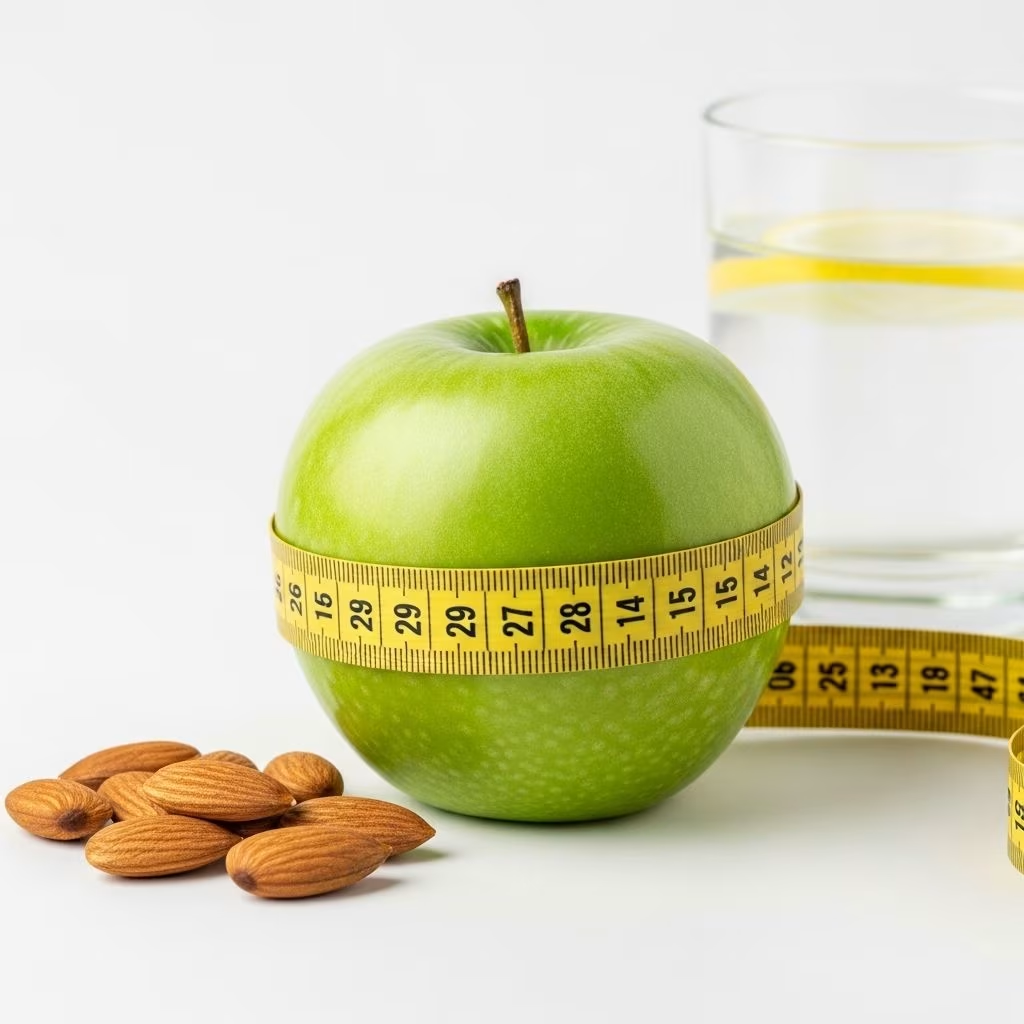
Effective Strategies for Accelerated Weight Loss
If you’re ready to make real, noticeable progress on your weight loss journey, combining evidence-based tactics with simple lifestyle changes is the key. By focusing on smart calorie management, embracing physical movement, and making conscious food choices, you can accelerate fat loss while supporting overall well-being. Below, we’ll unpack three proven strategies for faster weight loss, complete with actionable tips, practical examples, and answers to common questions.
1. Calculating Your Calories: Know Your Baseline
Success in weight loss begins with understanding your current energy expenditure. Before changing your routine, you need to know how many calories you burn in a typical day. This baseline helps you set realistic goals for safe and effective fat loss.
- Track your activity. Wear an activity monitor for a week to discover your daily movement patterns and calorie burn.
- Determine your average output. Use data from your tracker or online tools to find your baseline calories burned per day.
- Set a goal. Aim to increase your burn by at least 500 calories daily. Sustaining this for four weeks could lead to losing approximately one pound per week.
Why 500 calories? Burning 500 more calories each day over seven days totals 3,500 calories, which is equal to one pound of fat.
For accurate calorie tracking, consider the National Institutes of Health’s Body Weight Planner. Enter your current weight, activity level, and weight loss goals to determine a daily calorie target suited to your needs.
| Goal | Daily Calorie Adjustment | Expected Weekly Fat Loss |
|---|---|---|
| Lose 1 lb/week | -500 calories/day | 1 lb (3,500 calories) |
| Lose 2 lbs/week | -1000 calories/day | 2 lbs (7,000 calories) |
Once your baseline is set, you’re equipped to tweak both activity and food intake for optimal results.
2. Finding Creative Ways to Move More
Moving more doesn’t mean endless hours at the gym. Increasing daily activity in small ways can dramatically boost calorie burn and contribute to sustainable fat loss.
Increase Non-Exercise Activity Thermogenesis (N.E.A.T.)
- Choose stairs over elevators.
- Take walking meetings or stroll while on the phone.
- Stand while folding laundry or doing other chores.
- Play with kids, walk the dog, or dance during commercial breaks.
N.E.A.T. can account for over 40% of your total daily calorie burn, often more than formal exercise, especially in less active seasons.
Structured Activity Tips
- Set a daily step goal (10,000 steps as a standard challenge).
- Break up sedentary periods with 2-minute bursts of movement (e.g., squats, jumping jacks, jogging in place). Doing this during TV commercial breaks can burn up to 270 extra calories a day.
- Incorporate short, intense workouts (like HIIT) to maximize calorie burn and build lean muscle.
- Walk briskly—an accessible, low-impact way to engage muscles, support heart health, and burn visceral fat.
How to Make It Stick
- Link new activities to routines you already do (e.g., calf raises while brushing teeth).
- Track progress to stay motivated. Use a journal, app, or wearable for accountability.
Consistently seeking new movement opportunities, both small and structured, makes daily calorie burn add up quickly and supports lasting weight loss.
3. Fighting Fat with Food: Smarter Eating Habits
What and how you eat matters as much as how much you move. Making conscious, healthy food choices ensures you have energy to stay active, keeps hunger at bay, and powers lasting weight loss.
Build Your Meals Around Whole Foods
- Prioritize vegetables and fruits. Provide fiber for fullness and slow digestion, regulating appetite.
- Include lean proteins. Think grilled chicken, fish, tofu, or legumes for steady energy and muscle support.
- Select whole grains. Swap refined breads and pastas for oats, brown rice, and quinoa.
- Reduce added sugars and processed foods. Gradually cut back on packaged snacks high in sodium, sugar, and fat.
Limiting Packaged and Processed Foods
Packaged foods are often packed with hidden sugars, unhealthy fats, and excess sodium. The easiest way to cut back is simple:
- List the top five processed foods you regularly eat.
- Aim to reduce the number of times you consume them weekly.
- Replace these with whole food alternatives:
- Baby carrots and hummus
- Greek yogurt with fresh fruit
- Apple with natural peanut butter
Smart Calorie Strategies
- Follow a structured meal plan. A balanced diet of roughly 1,600 calories packed with whole foods helps satisfy appetite and fuel daily activities.
- Don’t drink your calories. Liquid calories from soda, juice, and smoothies are less filling and can contribute to weight gain. Choose water, herbal teas, or add fruit to water for flavor.
- Eat mindfully. Slow down, savor each bite, and stay present. This prevents overeating and boosts satisfaction.
- Skip diet sodas. Despite being low-calorie, artificial sweeteners may increase appetite and contribute to greater daily calorie intake.
Quick, Healthy Meal Ideas
- Five-minute, 400-calorie meals—like a veggie omelet with mixed greens, or grilled chicken and brown rice bowl—can fit easily into a busy schedule and keep you on track.
Fiber: Your Secret Satiety Weapon
- Whole grains, oats, beans, legumes, and chia seeds all help you feel fuller longer, slowing digestion and curbing unhealthy snacking.
Table: Smart Food Swaps
| Instead of… | Try… |
|---|---|
| Pasta with creamy sauce | Whole grain pasta with roasted veggies |
| Potato chips | Edamame or air-popped popcorn |
| Soda or juice | Infused water or herbal tea |
| Candy bar | Greek yogurt with berries |
| White bread | Sprouted grain or whole wheat bread |
Consistency Matters
The secret to lasting weight loss: make these nutritional changes stick.
- Gradually reduce processed foods rather than banning them overnight.
- Plan meals and snacks each week.
- Keep healthy choices easily accessible.
By fueling your body with nutrient-dense options and minimizing sneaky sources of empty calories, you’ll set yourself up for steady, sustainable weight loss.
Frequently Asked Questions (FAQs)
Q: How quickly can I expect to lose weight if I burn 500 extra calories daily?
A: Burning 500 extra calories every day—through a mix of increased movement and mindful eating choices—can result in roughly one pound of weight loss per week, as 3,500 calories equals about one pound of fat.
Q: Can simple lifestyle changes make a real difference in weight loss?
A: Small tweaks, like standing more often, adding extra walks, or cutting out one serving of processed food per week, add up over time and can significantly boost overall calorie burn and improve health.
Q: Is tracking calories necessary for success?
A: While not strictly required, monitoring your calories helps you understand your eating patterns, keeps you accountable, and ensures you’re making progress towards your weight loss goals.
Q: Will cutting out diet sodas help with weight loss?
A: Research suggests that artificial sweeteners can disrupt satiety signals and may even increase total calorie intake later in the day. Drinking water is a better alternative for weight loss and overall health.
Q: How do I avoid feeling deprived while losing weight?
A: Focus on adding more fiber-rich fruits, vegetables, and whole grains to meals, incorporate lean proteins, and enjoy small, satisfying snacks made from whole foods. Mindful eating can also boost enjoyment without excess calories.
Conclusion: Building Lasting Change
Sustainability is the foundation of healthy weight loss. By calculating your calorie needs, increasing daily movement, and choosing nutrient-rich foods, you create an environment for your body to burn fat more effectively. Pair these strategies with realistic, manageable changes, and you’ll see steady progress without drastic diets or exhausting exercise routines. Remember, incremental steps add up to big results in the long run.
Additional Resources
- National Institutes of Health Body Weight Planner
- Simple Meal Prep Ideas
- 100 Ways to Move More Every Day
Quick Tips Table
| Strategy | Easy Actions |
|---|---|
| Track Your Calories | Wear a monitor, use apps, review weekly patterns |
| Move More | Walk daily, stand often, take activity breaks |
| Eat Smarter | Plan meals, skip soda, opt for whole foods |
| Boost Fiber | Add veggies, beans, fruit to every meal |
| Practice Mindful Eating | Eat slowly, limit distractions, savor flavors |
References
- https://www.prevention.com/weight-loss/a20437039/100-easy-tricks-to-move-more-and-lose-weight/
- https://www.prevention.com/weight-loss/a20505548/small-changes-that-take-off-big-pounds/
- https://www.prevention.com/weight-loss/a20458064/new-research-on-how-to-lose-belly-fat/
- https://www.prevention.com/weight-loss/a30188568/lose-weight-without-exercise-0/
- https://www.prevention.com/health/a65401665/expert-walking-tips-weight-loss/
- https://www.prevention.com/weight-loss/a20498466/technique-to-use-for-fast-weight-loss/
- https://www.prevention.com
- https://pmc.ncbi.nlm.nih.gov/articles/PMC8017325/
- https://www.prevention.com/weight-loss/a43905863/lose-weight-safely/


