


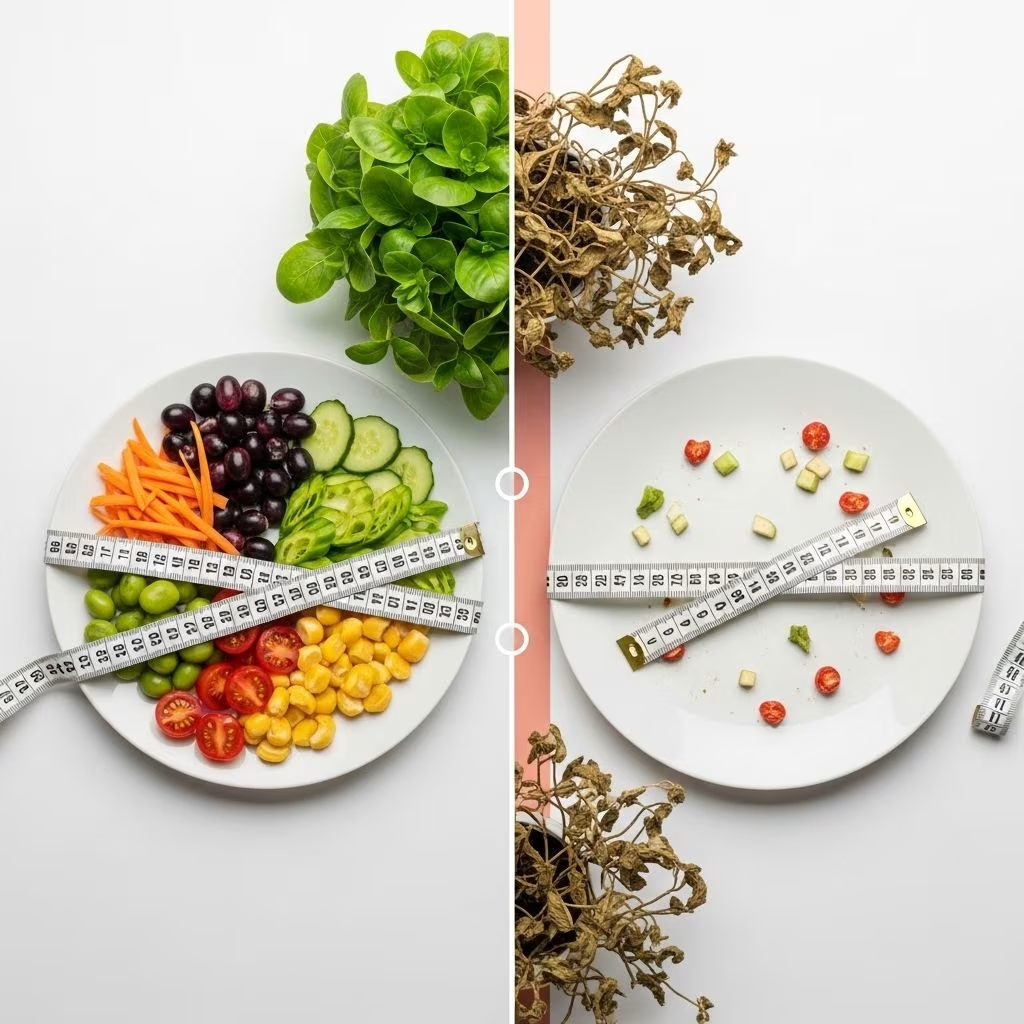
Whether it’s because of a busy schedule, a well-intended diet plan, or a desire to « make up » for overindulgence, skipping meals remains a common weight loss strategy for many. But what truly happens to your body and health when you forgo breakfast, lunch, or dinner? Despite the widespread belief that skipping meals is effective for shedding pounds, research and nutrition experts consistently reveal a much more complicated—and often counterproductive—truth.
What Happens to Your Body When You Skip a Meal?
Skipping meals sets off a cascade of changes in your body—many working against your overall health and weight loss goals. Here’s what happens physiologically when you miss a meal:
- Your blood sugar drops. Without the regular intake of food, blood glucose—the body’s main energy source—decreases. This can make you feel tired, dizzy, sluggish, and irritable.
- Your brain struggles to function. Since the brain relies on glucose, low levels lead to trouble concentrating and mental fatigue, commonly known as feeling “hangry.”
- Metabolism slows down. If meal skipping becomes a routine, your body compensates by lowering metabolism to conserve energy, burning fewer calories overall.
Research shows that adults who skip meals tend to consume more calories later in the day, particularly at the next meal. However, overall daily caloric intake may still decrease—but there’s a hidden downside: the quality of your diet often suffers when you miss meals.
Does Skipping Meals Help You Lose Weight?
Many people think eating less frequently will automatically help them lose weight. Studies do indicate that skipping one or more meals can reduce total daily calorie intake; for example, skipping breakfast has been shown to shave off more than 1,000 kilojoules from daily energy intake. Skipping multiple meals can reduce intake even further. However, what’s lost in calories may be regained in poor food choices and imbalanced nutrition:
- Increased cravings for unhealthy, high-calorie foods later in the day due to extreme hunger
- Overeating at subsequent meals—often more energy than you “saved” by skipping
- Reduction in diet quality, since certain nutrient-rich foods (like whole grains at breakfast or vegetables at dinner) are more likely to be missed
Crucially, skipping meals can slow the metabolism over time. When you go too long without eating, your body responds by conserving energy—meaning you burn calories more slowly, which ultimately makes sustainable weight loss harder.
This effect is especially pronounced for adults who’ve already lost weight, since they need roughly 20% fewer calories than before; skipping meals can drive these required calories even lower and make it harder to maintain weight loss.
How Skipping Meals Affects Hunger Hormones
Your body relies on a delicate balance of hormones—especially insulin, leptin, and ghrelin—to govern appetite, fullness, and energy use. When you skip meals:
- Ghrelin levels rise. Ghrelin is the “hunger hormone”; its levels climb when you don’t eat, amplifying hunger signals until you finally give in—often leading to overeating .
- Leptin levels fall. Leptin signals fullness, so lower levels make it harder to gauge when you’ve had enough—fueling a binge-and-crash cycle.
- Cortisol may rise. Chronic meal skipping can elevate stress hormones, further disrupting metabolism and appetite regulation.
Ignoring hunger cues day after day disrupts the body’s natural appetite feedback loop, making overeating and unhealthy cravings much more likely in the long run.
Five Surprising Ways Skipping Meals Affects Your Body
- Energy crashes: Without regular meals, you may feel sluggish and tired as your body runs out of fuel.
- Headaches and shakiness: Low blood sugar can trigger headaches, weakness, or dizziness .
- Unhealthy food choices: Extreme hunger makes it hard to resist quick, processed foods rather than nutritious options .
- Impaired focus: The brain’s reliance on glucose means concentration and memory may suffer after skipping meals.
- Mood swings: Irritability and “hanger” are direct consequences of dropping blood sugar and disrupted hormones.
What Science Says: Skipping Different Meals
| Meal Skipped | Effect on Energy Intake | Diet Quality Impact | Compensatory Eating |
|---|---|---|---|
| Breakfast | -1,053 kJ/day | Moderate | Higher intake at lunch & dinner, but not full compensation |
| Lunch | -1,099 kJ/day | Moderate | Higher intake at dinner |
| Dinner | -1,464 kJ/day | Least impact | Less compensatory eating; greatest reduction in total energy intake |
| Multiple meals | -2,500 to -3,900 kJ/day | Significant drop in diet quality | More energy deficit, but higher risk of nutrient inadequacy |
Key takeaway: While skipping a meal reduces calories, it also leads to overeating at the next meal; the total calorie reduction comes with a significant decrease in overall diet quality.
Why Do People Skip Meals?
- Time constraints (too busy in the morning, work meetings, commuting)
- Weight loss attempts (“saving” calories or intermittent fasting)
- Poor appetite or stress
- Diet trends and fads
Despite the intent, research indicates skipping meals typically backfires, leading to greater hunger, reduced focus, and a rebound in unhealthy eating.
Long-Term Health Impacts of Chronic Meal Skipping
Occasionally missing a meal isn’t catastrophic for most healthy adults. But repeatedly skipping meals increases health risks over time:
- Blood sugar instability: Especially dangerous for those with diabetes or hypoglycemia.
- Lower metabolism and muscle loss: Extended fasting can break down muscle for energy, undermining strength and kidney health.
- Elevated cholesterol levels: Studies suggest irregular eating patterns may correlate with higher LDL (“bad”) cholesterol and heart risk.
- Digestive issues: Irregular meals can disrupt normal gut motility and digestion.
- Impaired immune function: Poor nutrient intake from missed meals compromises the body’s ability to fight infections.
Common Myths About Skipping Meals
- Myth 1: Skipping meals “jumpstarts” weight loss. (Reality: It can slow metabolism and lead to regaining weight when you return to normal eating.)
- Myth 2: Hunger is a sign of lack of willpower. (Reality: It’s a complex physiological response to low blood sugar and disrupted hormones.)
- Myth 3: You can make up for skipping meals by eating less later. (Reality: Most people unconsciously overeat or choose high-calorie “quick” foods after skipping meals.)
Skippable Meals: Is It Ever Safe?
While some research suggests that forgoing dinner may have the least negative effect on diet quality and the greatest calorie reduction, experts caution against routinely skipping any meal. If you do skip a meal:
- Have a nutrient-rich snack on hand (nuts, fruit, yogurt) to prevent the urge for junk food later.
- Listen to genuine hunger cues and avoid patterning meal-skipping as a regular practice.
- If you’re experimenting with intermittent fasting, work with a dietitian to ensure nutritional adequacy.
Tips for Smarter Eating and Weight Loss
Healthy, sustainable weight loss is best achieved by consistent meals, balanced nutrition, and mindful eating. Consider these evidence-based strategies instead of meal skipping:
- Eat regularly scheduled meals and snacks rich in fiber and protein to keep you full and fueled throughout the day.
- Opt for whole foods: Prioritize fruits, vegetables, lean proteins, whole grains, and healthy fats in each meal.
- Stay hydrated: Don’t mistake thirst for hunger.
- Manage cravings: Address food cravings with healthy alternatives, rather than relying on willpower alone.
- Get enough sleep: Fatigue increases hunger hormones and disrupts appetite regulation.
Frequently Asked Questions (FAQs)
Q: Will skipping meals help burn fat faster?
A: No, even though skipping a meal can lead to temporary calorie reduction, it lowers metabolism and prompts the body to store fat more efficiently, making it harder to lose fat in the long term.
Q: What are the symptoms of low blood sugar due to skipping meals?
A: Common signs include shakiness, irritability, headaches, dizziness, fatigue, and mental fog.
Q: Can skipping meals affect my mood?
A: Yes, blood sugar swings disrupt hormone levels, often causing mood swings, irritability, and trouble focusing.
Q: Is it healthier to skip breakfast or dinner if I have to?
A: Research suggests that skipping dinner may have the least negative effect on diet quality and overall energy balance, but regularly missing any meal is discouraged. Focus instead on balanced meals and healthy snacks.
Q: Should people with diabetes skip meals?
A: No. Skipping meals can cause dangerous drops (or spikes) in blood sugar for people with diabetes, making close meal monitoring essential.
Key Takeaways
- Skipping meals can lower overall calorie intake, but often leads to poor nutrition, slowed metabolism, and increased cravings.
- The body compensates for missed meals with higher hunger and a greater likelihood of overeating later.
- Balanced, regular meals and snacks are the foundation for lasting weight loss and wellbeing.
References
- https://pmc.ncbi.nlm.nih.gov/articles/PMC10200470/
- https://louisville.edu/medicine/departments/familymedicine/files/L081611.pdf
- https://www.bannerhealth.com/healthcareblog/teach-me/here-is-what-happens-when-you-skip-meals
- https://www.bswhealth.com/blog/why-you-shouldnt-skip-meals-to-lose-weight
- https://www.cedardale-health.net/nutrition/why-skipping-meals-is-harming-your-weight-loss-efforts
- http://www.ers.usda.gov/amber-waves/2020/july/skipping-breakfast-or-lunch-has-a-larger-impact-on-diet-quality-than-skipping-dinner
- https://www.matherhospital.org/weight-loss-matters/skipping-meals/
- https://www.health.harvard.edu/blog/eating-breakfast-wont-help-you-lose-weight-but-skipping-might-not-either-2019041916457


