


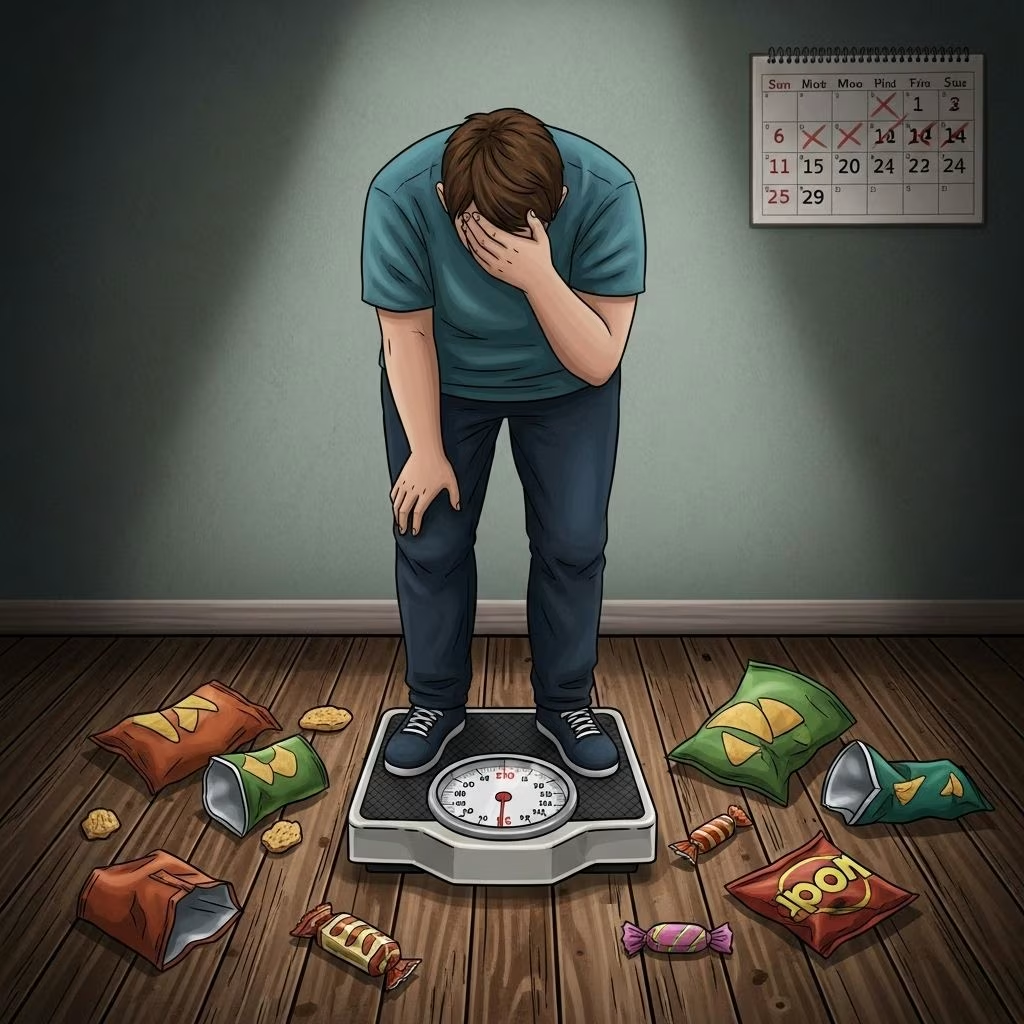
Gaining weight is a normal aspect of life—something most people experience at some point, whether due to changes in routine, stress, health issues, or the ebbs and flows of motivation. When you notice those extra pounds, your instinct may be to immediately overhaul your lifestyle or internalize guilt. But experts emphasize that how you respond to weight gain can have a major effect on your physical health, emotional well-being, and lasting success.
This comprehensive guide covers ten of the most important mistakes to avoid after gaining weight, each rooted in behavioral science and nutrition expertise. Avoiding these common pitfalls sets you up for lasting, healthy progress—without crash diets, self-sabotage, or wasted effort.
1. Don’t Start Skipping Meals
One of the first reactions to weight gain may be to cut calories aggressively—often by skipping meals. While this approach is common, research shows it is counterproductive.
- Skipping meals leads to unstable blood sugar. This can trigger overeating later, mood swings, and poor food choices.
- Regular eating stabilizes energy. Eating every few hours supports metabolism, prevents hunger-driven bingeing, and helps regulate appetite hormones.
- Plan your meals and snacks. Pre-portioning wholesome options provides structure, satisfaction, and steady progress.
In other words, don’t punish yourself by withholding food; instead, focus on balanced, predictable eating routines.
2. Don’t Mentally Punish Yourself
Self-criticism and negative self-talk are common after weight gain. People berate themselves, stand in front of the mirror searching for ‘flaws,’ or use harsh language to describe their bodies.
- Self-compassion drives better results. Studies show individuals who are kinder to themselves are more likely to make healthy behavioral changes and sustain them.
- Shame fuels emotional eating. Guilt or frustration can actually trigger further overeating, creating a cycle that’s hard to break.
- Acceptance is key. Recognize that weight fluctuates and that your worth isn’t defined by a number.
Try to focus on positive choices and progress, however small, rather than wallowing in blame.
3. Don’t Spend a Ton on New Clothes
When your clothes feel tight, your impulse may be to completely replace your wardrobe. But rapidly buying new, often larger, clothing sizes can reinforce short-term thinking, and even solidify the current weight as your new normal.
- Don’t panic-shop. It’s normal to feel frustrated with fit, but avoid immediately overhauling your closet.
- Work with what you have. Choose comfortable, forgiving pieces that fit for now—without making permanent, costly swaps before you’ve had a chance to reset your routine.
This approach gives you flexibility and avoids unnecessary expenses.
4. Don’t Obsessively Weigh Yourself
Frequent weighing—sometimes several times a day—can quickly become an obsession after weight gain. But the scale is only one metric, and it is often misleading in the short term due to fluid retention, muscle gain, and other factors.
- Weight fluctuates naturally. Day-to-day swings are normal and influenced by salt intake, hydration, hormones, and digestion.
- Focus on trends, not single numbers. Weigh yourself once a week at the same time for more accurate tracking—or focus on other progress markers like energy, mood, or how clothes fit.
- Don’t tie your self-worth to the scale. Obsessing can increase anxiety and derail your efforts.
Health is multi-dimensional. Use the scale as one tool among many, if at all.
5. Don’t Do a Crash Diet or Detox
Crash diets and detoxes promise fast results, but they rarely lead to lasting change. Instead, they can slow metabolism, cause nutrient gaps, and backfire in the long run.
- Rapid restriction isn’t sustainable. Most people regain the weight—and sometimes even more—when normal eating resumes.
- Detoxes can be unnecessary or dangerous. The body already has organs—the liver and kidneys—to cleanse itself. Starvation or severe restriction can do harm.
- Embrace realistic, incremental goals. Aim to make gradual changes that fit your life rather than swinging between extremes.
6. Don’t Blame a Single Food (or Yourself)
When the scale goes up, it’s easy to point fingers at carbs, sugar, or even yourself. But weight gain is about patterns over time—not one meal, one snack, or one food group.
- Macronutrients all serve a purpose. Carbohydrates, fats, and proteins each play roles in energy, metabolism, and well-being.
- Avoid elimination pitfalls. Overly restricting any food leads to cravings, deprivation, and often binge eating later.
- Be holistic, not reactionary. Focus on overall habits rather than scapegoating individual foods.
Remember: Lasting change is about total nutrition, not demonizing foods.
7. Don’t Over-Exercise to ‘Fix’ Everything
After weight gain, some rush into intense exercise programs as a form of punishment or compensation. This “all-or-nothing” mentality can increase injury risk and isn’t sustainable.
- Exercise is a tool, not punishment. It boosts energy, mood, and health, but pushing too hard too fast leads to burnout.
- Balance your fitness. Incorporate enjoyable movement—walking, stretching, dancing, or swimming—rather than just high-intensity options.
- Allow for recovery. Your body needs rest as much as activity.
8. Don’t Hide From Your Social Life
Guilt about weight gain can tempt you to cancel plans, skip events, or avoid situations where your body is ‘on display.’ This is counterproductive for both emotional and physical health.
- Support networks matter. Socializing helps reduce stress and boosts well-being, both important for weight management.
- Don’t isolate yourself. Friends and family can motivate and inspire healthier habits.
Staying socially engaged is part of a balanced, healthy lifestyle.
9. Don’t Ignore What Actually Changed
It can be uncomfortable to reflect on what habits or circumstances led to weight gain, but avoiding this process means missing a chance to learn and grow.
- Take honest inventory. Look at sleep, stress, exercise patterns, nutrition, and life events that may have shifted.
- Identify actionable steps. Choose one small, manageable area to address rather than feeling overwhelmed.
This approach is about self-awareness and gentle course correction—not self-blame.
10. Don’t Forget the Big Picture—Health Is Multifaceted
Ultimately, your weight is only one aspect of your health. Focusing solely on the number on the scale can obscure other achievements and discourage progress.
- Cultivate a positive mindset. Celebrate increases in strength, flexibility, stamina, or mental clarity alongside weight-related goals.
- Health also means well-being. Prioritize sleep, stress management, relationships, and joy.
Every body is different, and progress can’t always be measured in pounds. Emphasizing total well-being ensures your efforts are fulfilling and sustainable.
Table: Common Mistakes Versus Healthy Alternatives
| Mistake | Why It’s an Issue | Healthier Alternative |
|---|---|---|
| Skipping Meals | Unstable energy, triggers bingeing | Eat regularly scheduled, balanced meals |
| Self-Criticism | Leads to shame, emotional eating | Practice self-compassion and acceptance |
| Crash Dieting | Slows metabolism, unsustainable | Gradual, consistent lifestyle changes |
| Obsessive Weighing | FUels anxiety, ignores progress | Track non-scale victories (energy, mood, fit) |
| Over-Exercising | Injuries, burnout | Enjoyable, sustainable activity with rest |
Frequently Asked Questions (FAQ)
Q: Is weight fluctuation normal?
Yes, daily weight changes are common, due to fluid shifts, food intake, and hormonal changes. Focus on long-term trends rather than daily numbers.
Q: How often should I weigh myself for an accurate picture?
Once a week, at the same time of day and under similar conditions, provides a more reliable snapshot than daily weighing.
Q: Can self-compassion really affect weight loss?
Absolutely. Research consistently shows that people who are kind to themselves are more resilient in making lasting lifestyle changes and are less likely to give up after setbacks.
Q: Are there foods I should permanently avoid after gaining weight?
No single food group is to blame for weight gain. Moderation and balanced choices are key, rather than demonizing any one item.
Q: Do I need to avoid social occasions or eating out if I want to lose weight?
Maintaining a healthy social life is crucial for emotional and physical well-being. Plan ahead and make mindful choices, but continue to participate in life fully.
Key Takeaways
- Responding to weight gain with aggressive or punitive actions is ineffective—gentle, consistent positive changes are the most successful.
- Focus on health as a whole: mental well-being, joyful movement, and sustainable nutrition.
- Progress is rarely linear. Your journey is unique, and self-kindness is your most powerful tool for real, lasting results.
If you’ve recently gained weight, remember: you are not alone. With thoughtful, evidence-based choices, you can return to a healthier, more balanced path—without self-punishment or crash diets.
References
- https://yeditepehastaneleri.com/en/health-guide/healthy-nutrition/8-mistakes-make-weight-loss-harder
- https://www.prevention.com/weight-loss/a20471164/mistakes-made-after-weight-gain/
- https://drvaidyas.com/blogs/weight-management/9-common-weight-gain-mistakes-to-steer-clear-from
- https://timesofindia.indiatimes.com/life-style/health-fitness/weight-loss/5-common-everyday-mistakes-that-are-responsible-for-weight-gain/photostory/111057758.cms
- https://www.webmd.com/diet/ss/slideshow-diet-mistakes
- https://www.youtube.com/watch?v=ZQsQCh54yes
- https://www.bangkokhospital.com/en/bangkok/content/wrong-way-loss-weight
- https://www.halefamilypractice.com/post/avoid-the-common-mistakes-when-losing-weight
- https://www.morelandobgyn.com/blog/i-eat-healthy-why-am-i-gaining-weight


