


Snacking and Belly Fat: What New Research Tells Us
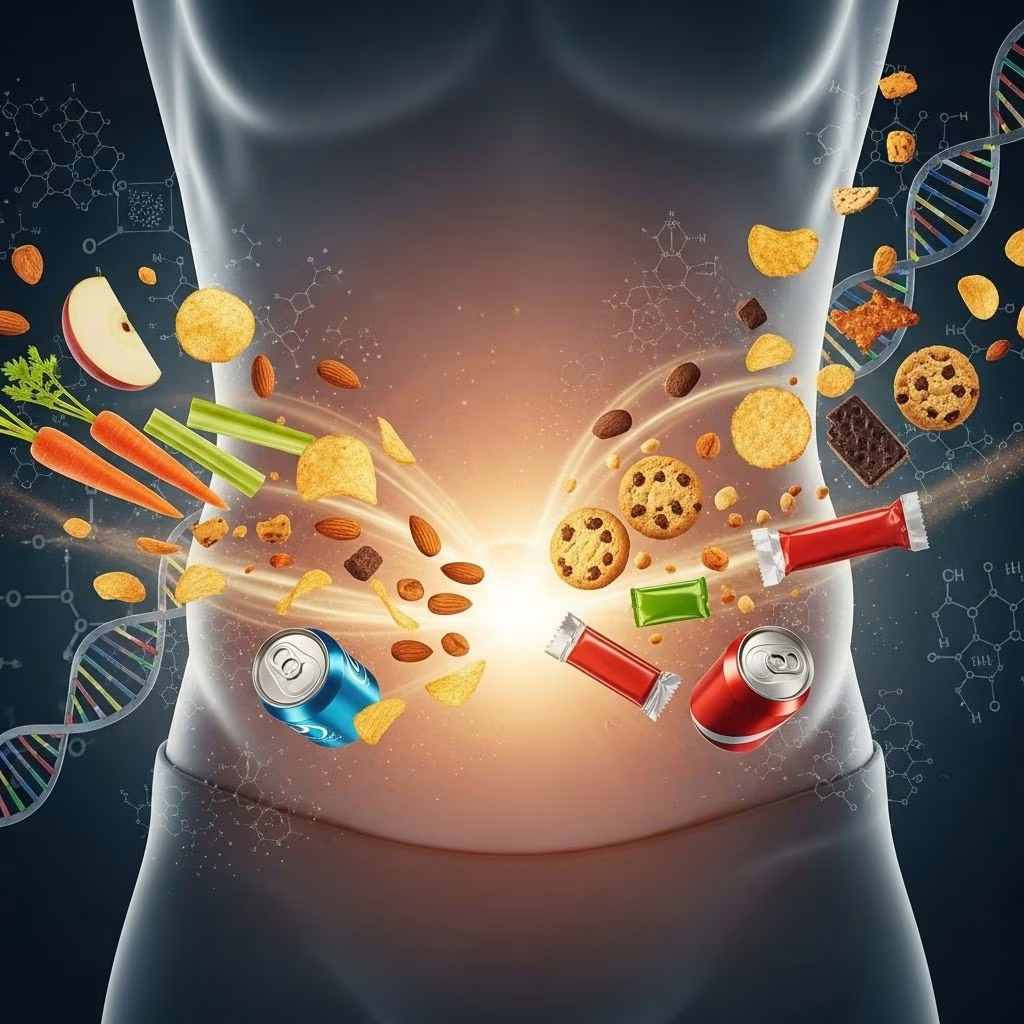
Snacking between meals has become a common habit in modern eating patterns. However, new scientific research suggests that regularly reaching for snacks—even if total daily calories remain the same—could be a significant factor in the accumulation of belly fat and associated health risks. This article dives into how meal timing and snacking frequency influence metabolic health, why the effects go beyond just “what you eat,” and what steps you can take for a healthier waistline.
Key Takeaways from the Latest Study
- Snacking between meals may lead to more belly and liver fat than ingesting the same number of calories at mealtimes.
- Frequent eating spikes insulin often, possibly impairing metabolism over time.
- Even when calories and food composition remain constant, when you eat can significantly affect fat accumulation and insulin function.
- The consequences include increased risk for conditions like diabetes and heart disease.
Inside the Research: How Meal Timing Alters Fat Accumulation
Published in the journal Hepatology, a controlled trial involving 36 lean, healthy adults explored how snacking habits affect body composition and metabolic health. Participants were assigned either a high-calorie or normal-calorie diet for six weeks:
- High-calorie group: Some consumed calorie-rich, high-fat, high-sugar drinks with meals; others consumed the same drinks as snacks 2-3 hours after meals.
At the end of the trial, all high-calorie eaters gained weight.
But the real surprise: Those who “snacked” between meals, rather than consuming all calories with their meals, showed:
- Lower insulin sensitivity
- Higher abdominal and liver fat
These changes are both known risk factors for heart disease and type 2 diabetes.
Why Does Snacking Trigger More Belly Fat?
The study authors speculate that metabolism may function best in cycles of feeding and fasting, rather than with constant exposure to nutrients from grazing all day. When the body is frequently stimulated by food, especially with high sugar and fat, insulin levels spike repeatedly, potentially lowering the body’s sensitivity over time. This pattern encourages the body to store more fat, especially around the midsection and in the liver.
Meal Timing vs. Total Calories: Does It Really Matter?
One of the study’s striking takeaways is that calories aren’t the whole story; timing can be just as important. Even when participants ate the exact same amount of calories and composition, those who snacked rather than sticking to meals had worse health outcomes.
“We showed that the accumulation of fat in the liver is also affected by timing of food intake, besides the known effects of diet composition and caloric content of food,” explains coauthor Mireille Serlie, MD, PhD, at the University of Amsterdam.
- This suggests both what and when you eat play significant roles in fat storage and health risk.
Is It Just Unhealthy Snacks? What About Nutritious Mini-Meals?
The research mainly evaluated the impact of calorie-rich, high-sugar, high-fat drinks as snacks, raising questions:
- Would healthy snacks like fruit, nuts, or veggies have the same impact?
As of now, the answer is uncertain. The study’s findings specifically highlight the negative consequences of unhealthy snacking, but researchers acknowledge more investigation is needed about healthy, lower-calorie snacks.
Nonetheless, the consistent message is that snacking frequently—even on healthy foods—still exposes the body to constant nutrient influx. This may diminish the benefits of fasting cycles and lead to similar (though perhaps less severe) metabolic changes.
Snacking vs. Structured Meals: How Eating Patterns Affect Metabolism
| Eating Pattern | Description | Potential Impact on Belly Fat |
|---|---|---|
| Traditional Meals (No Snacks) | 3 calorie-balanced meals, no food in between | May promote better insulin sensitivity and less belly/liver fat |
| Grazing / Frequent Snacking | Eating mini-meals or snacks every 2-3 hours | Associated with more belly and liver fat, decreased insulin sensitivity |
| Irregular Eating | Overeating at night, skipping meals in the day | Linked to higher risk of metabolic syndrome, though more research is needed |
Why Does Belly Fat Matter?
Excess fat in the abdominal area is particularly concerning for health because it tends to be more metabolically active than fat stored elsewhere. The risks include:
- Increased risk of heart disease
- Elevated type 2 diabetes risk
- Greater chance of liver disease (non-alcoholic fatty liver disease)
- Systemic inflammation
Beyond Snacking: Additional Tips for Reducing Belly Fat
While meal timing plays a key part, your overall eating habits and lifestyle choices also drive belly fat tendencies. Supplement your approach with these evidence-based tips:
- Eat more fiber: Include whole grains, legumes, fruits, and vegetables to improve satiety and regulate hunger.
- Limit added sugars and processed foods: High sugar and ultra-processed foods are linked to increased belly fat and inflammation.
- Stay hydrated: Water helps break down fat and supports metabolism.
- Balance exercise: Combine moderate-to-high intensity cardio with resistance training to maximize fat loss overall.
- Avoid excess sodium: Salty snacks encourage belly bloat and water retention.
- Portion your healthy fats: Nuts, seeds, and oils are good, but easy to overeat. Stick to measured servings.
Does Skipping Snacks Mean Skipping Breakfast?
No. Skipping snacks is different from skipping meals. Breakfast remains important for jumpstarting your metabolism and providing energy for the day. The focus should be on eating fewer, more balanced meals rather than grazing all day.
Grazing Myths and Realities
Many diets and popular advice suggest grazing on small bites every two to three hours to “stoke your metabolism.” However, the latest research challenges this logic. Far from boosting metabolism, frequent snacking can actually impair the metabolic machinery by continually triggering insulin production and inhibiting the benefits of natural fasting periods.
Key Tips to Break a Snacking Habit and Reduce Belly Fat
- Plan structured, balanced meals: Prioritize three filling meals a day with lean protein, complex carbohydrates, and healthy fats.
- Remove unhealthy snacks: Keep sugary, processed foods out of sight to avoid temptation.
- Identify your triggers: Notice when you crave snacks (stress, fatigue, boredom) and find other ways to cope.
- Substitute snacks smartly: If you must snack, opt for low-calorie options like raw veggies, and keep portions small.
- Drink water or tea: Sometimes “hunger” is thirst; hydrate first, then see if you’re still hungry.
- Set eating windows: Try to eat within an 8-12 hour window daily, allowing your body to experience fasting states.
Frequently Asked Questions (FAQs)
Q: Does eating more often speed up my metabolism?
A: No. There is no strong evidence that eating more frequently increases metabolism or results in greater fat burn. In fact, constant snacking can impair insulin sensitivity and encourage fat storage around the abdomen.
Q: Is all snacking bad for my health?
A: Not necessarily. Occasional healthy snacks may help with hunger or energy between meals, but frequent snacking, especially on high-calorie or sugary foods, appears to increase belly and liver fat, even if your total calories stay the same.
Q: Do healthy snacks have the same effect as junk food snacks?
A: More research is needed. The current study focused on high-fat, high-sugar snacks, but frequent eating of any kind—even healthy foods—may prevent the body from benefitting from fasting cycles that encourage optimal metabolism.
Q: If I want to lose belly fat, should I skip breakfast?
A: Skipping meals is not recommended; breakfast remains important. Instead, try eating three balanced meals a day with minimal snacking in between for better metabolic health.
Q: How can I control snack cravings?
A: Identify triggers for cravings (stress, fatigue, boredom), ensure your meals are filling and balanced, and try hydrating before reaching for a snack. When you do snack, make choices like raw veggies or a small handful of nuts.
Summary: Redefining Healthy Eating Habits
The emerging science on snacking and belly fat suggests that timing matters as much as total calories. While research continues, sticking to three well-balanced meals and minimizing snacking—especially on high-fat, sugary options—may help prevent abdominal fat gain and the associated health risks. Listen to your body, focus on quality meals, and seek expert advice if you struggle to break your snacking habit.
References
- https://www.prevention.com/weight-loss/a20472349/how-snacking-could-mean-more-belly-fat/
- https://www.prevention.com/weight-loss/a20458064/new-research-on-how-to-lose-belly-fat/
- https://www.prevention.com/weight-loss/g20508547/6-reasons-you-arent-losing-belly-fat/
- https://www.prevention.com/food-nutrition/a20508347/2-foods-that-banish-belly-fat/
- https://www.prevention.com/weight-loss/g19576831/healthy-snack-ideas-weight-loss/
- https://www.prevention.com/weight-loss/g27323543/low-calorie-snacks/
- https://www.prevention.com/food-nutrition/a20496338/salty-snacks-for-weight-loss/
- https://www.prevention.com/weight-loss/g20496527/15-weight-loss-foods/
- https://www.prevention.com/weight-loss/g20498713/lose-weight-without-trying/
- https://www.prevention.com/weight-loss/a30188568/lose-weight-without-exercise-0/


