


12 Surprising Foods You Shouldn’t Ditch When You Diet
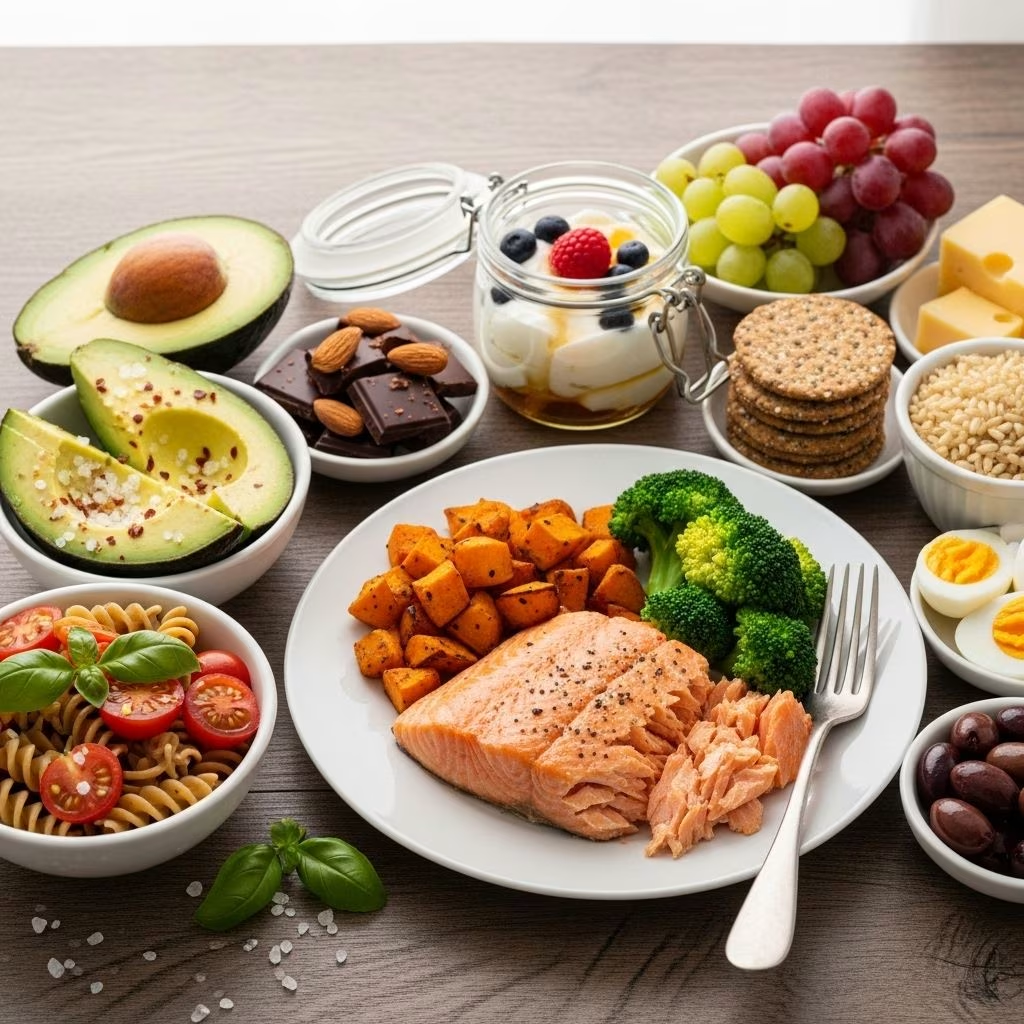
Losing weight does not mean you have to give up all your favorite foods or cut out major food groups. In fact, eliminating certain foods can backfire, making you feel deprived and increasing your cravings. The key to successful, sustainable weight management is to embrace nutritious foods that keep you satisfied and energized. Here are 12 essential foods to keep in your diet—and the reasons why they’re weight-loss superstars.
- Eggs
- Pasta
- Bananas
- Potatoes
- Corn
- Nuts
- Beans
- Red Meat
- Coffee
- Dairy
- Bread
- Avocados
Why Keeping These Foods Matters
Many people believe that cutting carbs, starches, and all forms of fat is the fastest way to lose weight. However, science shows that a balanced approach yields better, longer-lasting results. Each of the foods below plays an important role in keeping you full, fighting cravings, and delivering crucial nutrients. Let’s look at each one in detail and learn how they support your goals.
Eggs
Eggs have earned a reputation as a powerhouse for weight loss. High in quality protein and low in calories, eggs help you stay full longer after meals. Studies have shown that eating eggs for breakfast can reduce appetite and calorie intake throughout the day. The yolks also contain important nutrients like vitamin D and choline, vital for metabolism and brain health. Don’t ditch the yolks—they help with satiety and deliver most of the egg’s nutrition.
- One large egg: ~70 calories, 6g protein.
- Rich in essential amino acids.
- Helps regulate appetite and supports muscle maintenance.
Pasta
Pasta isn’t the enemy of weight loss—portion size and preparation method matter most. Whole grain or high-fiber pasta options are especially friendly to your waistline, delivering complex carbohydrates for long-lasting energy. Pairing pasta with vegetables and lean protein creates a balanced meal that won’t spike your blood sugar or leave you hungry.
- Provides complex carbs for sustained energy.
- Whole wheat or legume-based pasta boost fiber intake.
- Watch portion control—avoid oversized servings.
Bananas
Bananas are often feared for their sugar content, but that’s a misconception. They’re packed with potassium, fiber, and prebiotics, which support digestion. Their natural sweetness makes them a satisfying snack, and the fiber helps regulate blood sugar and maintain fullness.
- Excellent source of potassium for blood pressure regulation.
- High in fiber to slow digestion and keep blood sugar steady.
- Contains vitamin B6 for metabolism.
Potatoes
White potatoes are one of nature’s best sources of potassium and vitamin C. They’re low in calories and much more filling than most other side dishes. Baking or boiling is the healthiest way to enjoy them. Be mindful of toppings—sour cream, butter, and cheese add extra calories.
- Medium potato: 110 calories, 3g protein, 26g carbs, 2g fiber.
- High satiety index: keeps you full longer.
- Rich in potassium and vitamin C.
Corn
Corn is a versatile whole grain, not just a starchy vegetable. It can be boiled, grilled, or popped, and is naturally gluten-free. Full of dietary fiber, B vitamins, and antioxidants, corn makes meals more substantial without packing in excess calories.
- Supports digestive health thanks to fiber.
- Contains nutrients like lutein and zeaxanthin (eye health).
- Enjoy as corn on the cob, popcorn, or fresh in salsa.
Nuts
Nuts are calorie-dense, but their combination of healthy fats, protein, and fiber promotes fullness. They may increase metabolism and help regulate body weight. Eating them in moderation is key; a small handful can curb hunger between meals.
- Pistachios, almonds, walnuts provide healthy fats and protein.
- Rich in magnesium and vitamin E.
- Contain antioxidants that benefit heart health.
Beans
Beans, lentils, and other legumes supply complex carbs and plant-based protein. They’re high in fiber, which helps stabilize blood sugar and keeps you satisfied. Regular consumption is linked to lower cholesterol and improved weight management. Beans are affordable, versatile, and nutrient-rich.
- Excellent source of iron, folate, and magnesium.
- Chickpeas, black beans, lentils—all support weight loss.
- Easy to add to salads, soups, and dips.
Red Meat
Lean cuts of red meat are an important source of high-quality protein and iron. While fatty and processed meats should be limited, lean beef or lamb aids muscle retention and supports metabolic health. The key is moderation and mindful preparation: favor grilling, broiling, or roasting instead of frying.
- Provides zinc and vitamin B12.
- Choose lean options: sirloin, tenderloin, or round steak.
- Helps preserve muscle mass during weight loss.
Coffee
Coffee is widely recognized for its metabolism-boosting effect thanks to caffeine. It may help suppress appetite and enhance energy for exercise. The main risk lies in sugary syrups and high-calorie creamers—opt for plain coffee with skim milk or plant-based alternatives.
- Contains antioxidants for cell protection.
- Moderate caffeine intake can improve concentration.
- Avoid excess sugar, whipped cream, and syrup add-ins.
Dairy
Low-fat or fat-free dairy products like yogurt, milk, and cheese supply calcium, vitamin D, and protein. Research suggests including dairy in your diet helps with fat loss, muscle protection, and bone health. Greek yogurt, in particular, packs extra protein and probiotics for gut health.
- Supports bone, heart, and muscle health.
- Greek yogurt: excellent source of protein and probiotics.
- Works well in smoothies, snacks, sauces, and dips.
Bread
Whole grain bread provides fiber, B vitamins, and energizing carbohydrates. Instead of cutting bread entirely, choose whole wheat varieties and control portion size. Bread is a quick source of fuel before workouts and helps you feel full longer when paired with protein and healthy fats.
- Opt for breads with at least 3g dietary fiber per slice.
- Look for “whole grain” as the first ingredient.
- Enjoy in moderation—avoid oversized sandwiches or excessive spreads.
Avocados
Avocados are rich in heart-healthy monounsaturated fats, vitamins E, K, and C, magnesium, and potassium. They enhance the absorption of nutrients, support heart health, and soothe hunger pangs. Use as a spread, in salsa, or sliced into salads for creamy texture and satisfying flavor.
- Helps keep you fuller between meals.
- Contains carotenoids supporting skin and eye health.
- Delicious on toast or as guacamole.
Best Practices for Weight-Loss Success
- Focus on high-fiber foods: Beans, oats, bananas, and whole grains help control hunger and promote steady energy.
- Choose lean proteins: Eggs, lean meat, dairy, and beans support muscle maintenance and metabolic health.
- Embrace healthy fats: Nuts, seeds, avocados encourage satiety.
- Watch portions: Even healthy foods add up—use measuring cups, read labels, and savor small bites.
- Keep variety in your diet: This minimizes monotony and nutrients gaps.
Sample Table: Nutrition Snapshot
| Food | Calories (per serving) | Fiber (g) | Protein (g) | Key Nutrients |
|---|---|---|---|---|
| Eggs | 70 | 0 | 6 | Vitamin D, Choline |
| Bananas | 105 | 3 | 1 | Potassium, B6 |
| Potatoes | 110 | 2 | 3 | Potassium, Vitamin C |
| Pasta (whole grain) | 200 | 4 | 7 | B vitamins, Iron |
| Nuts (almonds) | 160 | 3 | 6 | Magnesium, Vitamin E |
| Dairy (Greek yogurt) | 120 | 0 | 17 | Calcium, Probiotics |
| Avocado | 80 | 3 | 1 | Vitamin E, Potassium |
Frequently Asked Questions (FAQs)
Q: Should I cut out bread completely for weight loss?
A: No. Whole grain bread provides important fiber and nutrients. The key is moderation and choosing bread with whole grains as its main ingredient.
Q: Can I eat potatoes if I’m trying to lose weight?
A: Yes. When not fried or slathered in fat, potatoes are naturally low in calories and among the most filling foods you can eat.
Q: Is coffee helpful or harmful on a diet?
A: Plain coffee can give a slight boost in metabolism and curb appetite, but avoid extra calories from creamers and sugar.
Q: Will eating pasta make me gain weight?
A: Consuming pasta in reasonable amounts, especially whole grain versions, as part of a balanced diet will not promote weight gain. Pair it with vegetables and protein for best results.
Q: Are bananas too high in sugar for weight loss?
A: Bananas contain natural sugars, but their fiber and nutrient content make them a healthy choice. Their calories are easily budgeted into most weight-loss plans.
Expert Tips for Keeping These Foods in Your Diet
- Combine protein, fiber, and healthy fats in meals to stay full for longer.
- Use herbs, spices, and vinegar to add flavor instead of high-calorie sauces.
- Try batch cooking healthy grains and beans for easy meal assembly.
- Watch out for “fat-free” versions—these sometimes have added sugars.
- Practice mindful eating; savor your food, and stop when full.
References
Based on research and expert recommendations highlighted in Prevention magazine’s guide to weight loss and foods you should not eliminate from your diet. Nutritional values are supported by the USDA Food Database.
References
- https://www.prevention.com/weight-loss/g20501369/eating-rules-for-faster-weight-loss/
- https://www.prevention.com/weight-loss/a20496889/7-winter-foods-that-help-you-lose-weight/
- https://www.prevention.com/food-nutrition/healthy-eating/g23065278/high-protein-foods/
- https://www.prevention.com/weight-loss/a20440657/diet-foods-that-sabotage-weight-loss-goals/
- https://www.prevention.com/weight-loss/a20443235/red-yellow-green-light-foods/
- https://www.prevention.com/food-nutrition/g20498199/foods-you-should-never-eat/
- https://www.prevention.com/weight-loss/g20482528/this-is-your-perfect-day-for-weight-loss/
- https://www.prevention.com/food-nutrition/healthy-eating/a63423411/foods-you-should-not-eat/


