


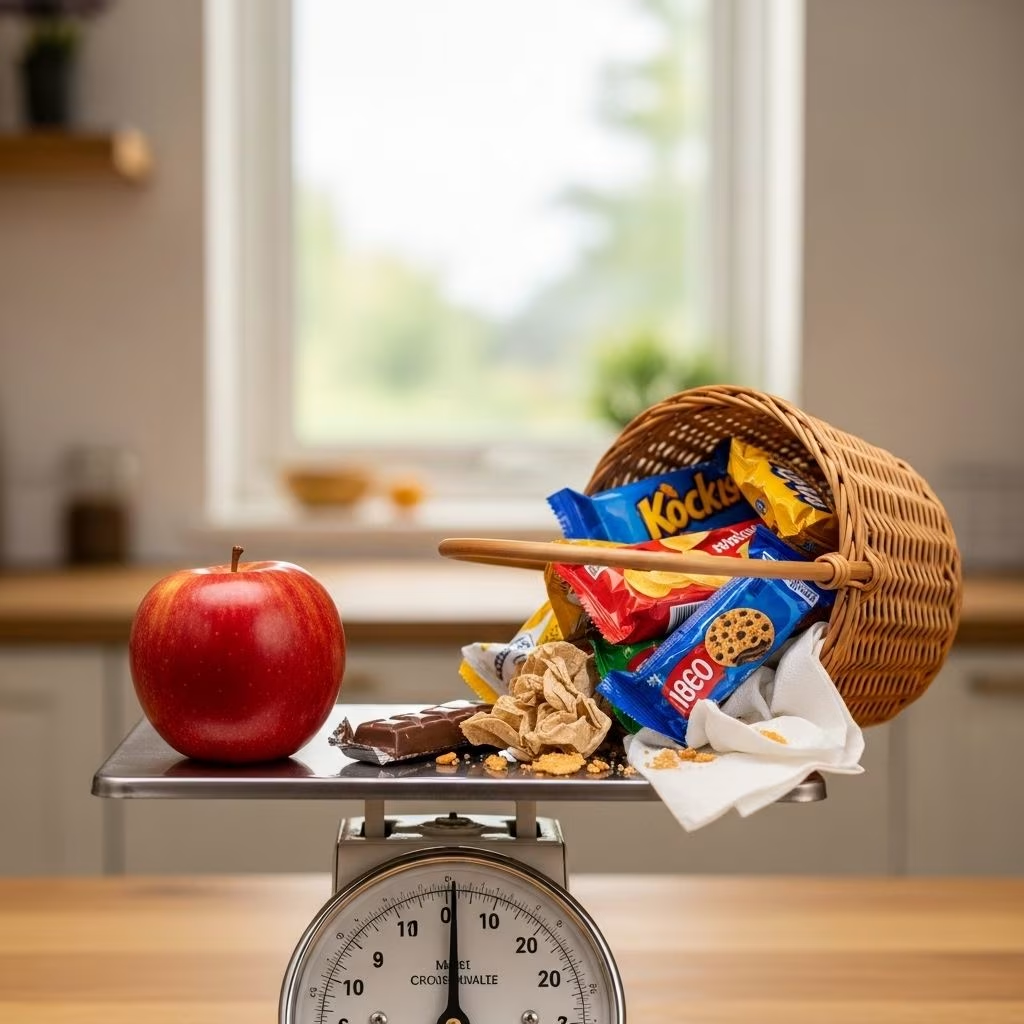
Everyone overeats at some point—whether it’s a special occasion, a stressful day, or simply an irresistible meal that sends us reaching for another helping. While it’s easy to feel guilty or regretful afterwards, nutrition experts emphasize that bouncing back is both possible and healthier than fixating on mistakes. This guide explores what to do immediately after overeating, how to prevent binging in the future, and actionable strategies grounded in science to help you regain control without shame.
Immediate Steps to Take After Overeating
First, recognize that overeating is common and nothing to beat yourself up about. The most important thing is how you respond afterwards—a measured, gentle approach fosters healthier habits.
- Forgive Yourself
Feelings of guilt, shame, or self-blame can inadvertently cause further overeating. When dieters experience shame, research shows they are more likely to eat more in subsequent meals. Vow to do better next time and move forward without judging yourself.
Tip: Replace negative self-talk with positive affirmations. - Don’t Skip Your Next Meal
Skipping meals as “penance” can trigger intense hunger and set you up for another binge. Instead, return to your regular meal pattern and focus on balanced nutrition, including lean protein, whole grains, fruits, and vegetables. - Drink Water
Sometimes thirst is mistaken for hunger. Drinking a tall glass of cold water post-binge can help ease the sensation of fullness and support digestion. Consider infusing your water with herbs or citrus for a refreshing twist. - Go for a Gentle Walk
A light walk aids digestion and can help stabilize blood sugar after a large meal. Physical movement also offers emotional benefits, giving your mind time to reset. - Notice How You Feel
Mindfully observe any physical sensations (fullness, bloating, fatigue) and emotional states. Use this awareness as gentle feedback—overeating often feels less pleasant than you expect, making healthy eating feel rewarding.
Understanding Why We Overeat
Overeating can happen for many reasons, ranging from emotional triggers to biological responses. Recognizing your personal patterns sheds light on constructive changes.
Main Causes of Overeating
- Food as Reward
Many people use food to celebrate accomplishments or cope with stress. While occasional treats are fine, frequent reward-eating can become habitual and override hunger cues.
Example: Reaching for dessert after a stressful day, not due to hunger but as a reward. - Distracted Eating
Eating while watching TV, browsing your phone, or working can impair your body’s ability to sense fullness. Distraction increases food intake and reduces satisfaction from meals.
Tip: Focus on eating as a single activity—and notice your body’s signals. - Fatigue and Lack of Sleep
Chronic tiredness weakens willpower and has been shown to raise daily calorie intake by up to 5%. Fatigue enhances cravings for high-sugar, high-fat foods.
Tip: Prioritize restful sleep for consistent appetite control. - Eating Out Frequently
Restaurants often serve larger-than-necessary portions and encourage plate-cleaning habits. More than 40% of meals are now eaten away from home—access nutrition info beforehand, order half-portions, or split dishes with friends to manage intake. - Negative Self-Talk
People who are hard on themselves after overeating tend to repeat the cycle, so learning to forgive and constructively reflect is key.
Ultra-Processed Foods and Their Role in Overeating
Modern diets heavy in ultra-processed foods (packaged snacks, sweetened cereals, fast food) can disrupt hunger regulation and pleasure pathways in the brain. These foods are often engineered to taste hyper-palatable, making it harder for the body to signal fullness. Opting for minimally processed options supports natural appetite regulation and aids in weight management.
Key takeaway: Minimally processed foods—high in fiber and protein—promote fullness and better overall health.
| Ultra-Processed Foods | Minimally Processed Foods |
|---|---|
| Packaged snacks/chips/candy | Fruits, vegetables, nuts |
| Fast food/burgers/pizzas | Whole grains, fish, lean meats |
| Sugary drinks/breakfast cereals | Plain yogurt, eggs, beans |
How to Prevent Future Overeating Episodes
- Eat Regularly
Skipping meals leads to extreme hunger and less control around food. Frequent, balanced meals (every 2–3 hours) stabilize blood sugar and dampen cravings for unhealthy snacks. - Practice Mindful Eating
Slow down and savor your food. Eating mindfully increases satisfaction and helps you recognize fullness before you overeat. Enjoy meals without distraction to give your brain time—approximately 20 minutes—to register satiety. - Question Your Motives Using HALT
The HALT technique asks: Are you Hungry, Angry, Lonely, or Tired? Address emotional needs directly rather than turning to food. Journaling, support groups, and talking to friends can help. - Monitor How Foods Make You Feel
Track how different foods affect your body and mood—in the moment and hours later. This may reveal that true satisfaction often comes from wholesome foods rather than sugary treats. - Surround Yourself with Support
Share your experiences with trusted friends, join support networks such as Overeaters Anonymous, or seek therapy. Community and shared accountability ease the journey and boost results.
Building a Healthy, Sustainable Relationship With Food
Recovery from overeating and prevention of future episodes relies on cultivating self-compassion, understanding your triggers, and developing routines that support mindful, enjoyable eating. The goal isn’t restriction or perfection—it’s building habits that celebrate food as nourishment and pleasure, while minimizing unhealthy cycles.
Mindful Eating Techniques
- Focus On Each Bite
Notice the flavors, textures, and aromas. This elevates the eating experience and curbs overeating. - Pause Midway
Check in with your fullness and satisfaction level. If you’re no longer enjoying the food, stop—even if there’s food left. - Reflect Afterwards
Think about how you feel physically and emotionally. Let these learnings guide future decisions.
Frequently Asked Questions (FAQs)
Q: Should I skip my next meal if I’ve overeaten?
A: No. Skipping meals can lead to intense hunger and increase the likelihood of repeating the cycle later on. Resume your normal, balanced eating pattern as soon as possible.
Q: Will drinking water help after overeating?
A: Yes. Hydration can help ease feelings of discomfort and support digestion. Cold water may temporarily boost metabolism, and infusing it with fresh herbs or fruit makes hydration more enjoyable.
Q: How long does it take for the body to recover from a binge?
A: Most healthy bodies recover within a day or two after overeating. Focus on hydration, gentle movement, and returning to healthy meals to naturally restore balance.
Q: What does mindful eating actually involve?
A: Mindful eating means paying attention to your food, eating slowly, enjoying the experience, and noticing how you feel both during and after your meal. It helps regulate appetite and enhances satisfaction.
Q: What are ultra-processed foods, and why do they matter?
A: Ultra-processed foods are those heavily altered or enhanced with additives—like chips, candy, and fast food. They tend to override hunger signals, and replacing them with minimally processed, fiber- and protein-rich foods supports satiety and long-term health.
Bonus: Quick Recovery Plan After You Overeat
- Forgive yourself and avoid harsh self-talk.
- Drink a glass of water and take a gentle walk.
- Get plenty of sleep that night to reset hunger hormones.
- Resume balanced, regular meals.
- Consider keeping a journal to reflect on triggers and emotions.
- Reach out for support if needed—connection speeds recovery.
Final Thoughts
Overeating is a common challenge, but it doesn’t have to derail your goals or health journey. Science shows that self-kindness, regular meals, mindful habits, and supportive communities help break the binge cycle and build a healthy relationship with food. Recognize your strengths, use slip-ups as learning opportunities, and let your next meal—even if you’ve overeaten—be a fresh start.
References
- https://www.prevention.com/weight-loss/a20476525/causes-of-overeating/
- https://www.prevention.com/weight-loss/a20472840/how-to-prevent-binge-eating/
- https://www.prevention.com/food-nutrition/healthy-eating/a65664887/ultra-processed-foods-weight-loss-gut-health-study/
- https://www.prevention.com/weight-loss/diets/a20468935/weight-gain-from-one-day-of-overeating/
- https://www.prevention.com/weight-loss/a20433766/different-food-obsessions-and-treatment/
- https://www.prevention.com/weight-loss/a20452420/overeating/
- https://www.prevention.com
- https://www.prevention.com/weight-loss/a36065492/rethinking-body-weight/
- https://pmc.ncbi.nlm.nih.gov/articles/PMC5403578/
- https://www.prevention.com/food-nutrition/a64609997/ultra-processed-food-early-death-study/


