


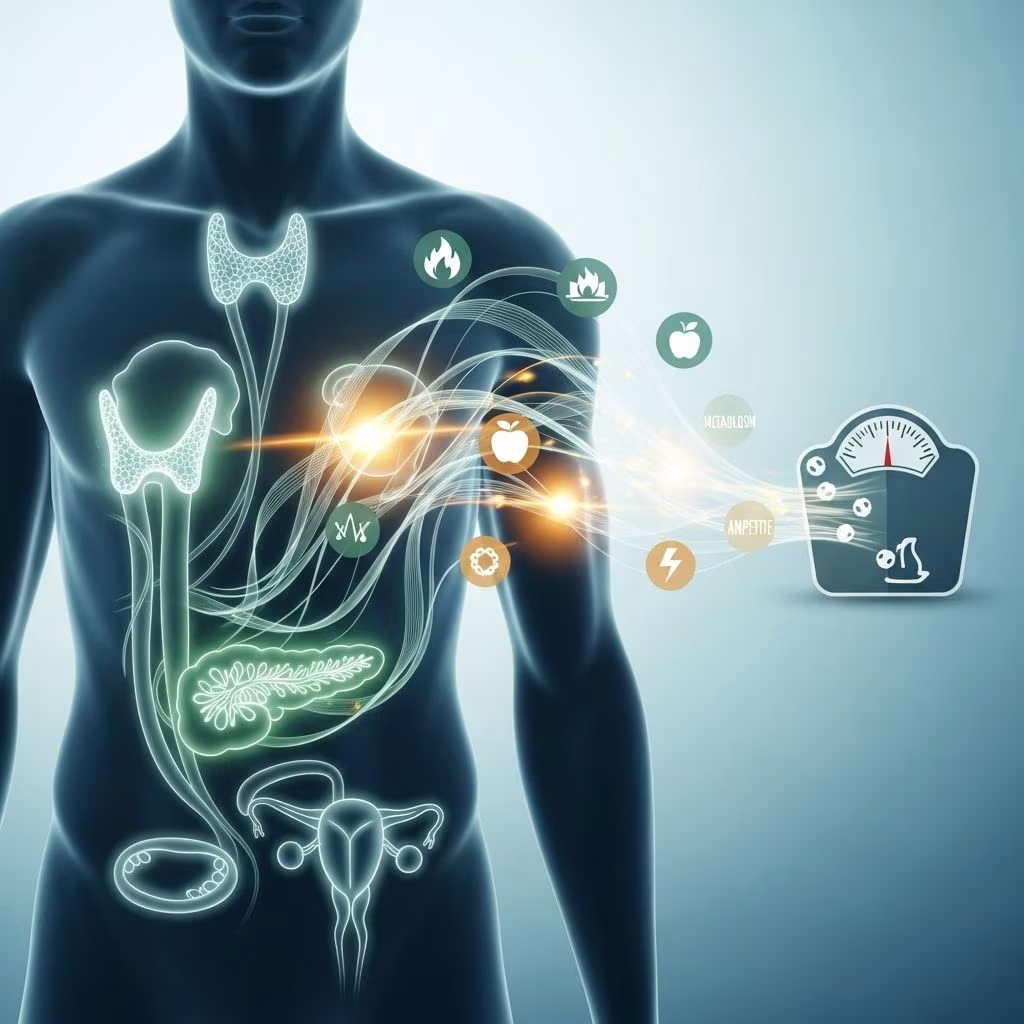
Struggling with weight loss can feel like an uphill battle, especially when diet and exercise don’t deliver the expected results. While lifestyle choices certainly matter, hormones—the body’s chemical messengers—play a major and often underestimated role in determining weight loss success. These hormones regulate everything from your hunger and fullness to where you store fat, how your body burns calories, and your motivation to stick with healthy habits. Understanding how they work — and, crucially, how to optimize them — is essential for anyone looking to shed pounds efficiently and sustainably.
Why Hormones Matter in Weight Loss
Hormones are substances produced by glands in your endocrine system that travel through your blood to organs and tissues. They send important signals that influence physical processes including appetite, metabolism, energy levels, stress responses, and fat storage. When these hormones are in balance, maintaining a healthy weight can feel much easier; when they’re not, losing weight can become exceedingly difficult, regardless of your efforts.
- Leptin communicates fullness and helps control long-term fat storage.
- Ghrelin signals hunger, prompting you to eat.
- Insulin manages blood sugar and fat storage.
- Cortisol (the stress hormone) can increase cravings and fat accumulation.
- Estrogen, thyroid hormones, and others also play significant roles.
Let’s explore the four main ways hormones can make or break your weight loss journey—and what you can do to tip the scales in your favor.
1. Hunger and Fullness Signals: The Ghrelin and Leptin Connection
Ever felt ravenously hungry right after starting a new diet? You can thank the interplay between ghrelin and leptin for that sensation. These two hormones primarily control your appetite, but they often work against your weight loss goals, especially during caloric restriction.
How Ghrelin Drives Hunger
Ghrelin is often referred to as the “hunger hormone.” When your stomach is empty, ghrelin levels rise, sending a signal to your brain that it’s time to eat. Levels drop after you consume food. However, after periods of dieting or restricted eating, ghrelin can remain elevated, making you feel hungry even when your body has enough energy available.
- Ghrelin peaks right before meals and falls after you’ve eaten.
- Chronic dieting or rapid weight loss can increase ghrelin, leading to persistent hunger.
- This can set up a cycle of overeating or yo-yo dieting.
How Leptin Signals Fullness
Leptin is produced by your fat cells and signals the brain to stop eating. It helps maintain body weight stability by telling you when you’ve had enough fuel.
- When body fat increases, leptin levels rise, triggering satiety and reducing appetite.
- When you lose fat, leptin decreases, making you feel hungrier and reducing energy expenditure.
- Some people develop leptin resistance—your body has high levels of leptin, but your brain stops responding to it, leading to overeating and weight gain.
Signs Hormones Are Sabotaging Your Diet:
- Constant hunger or preoccupation with food
- Difficulty feeling full even after normal-sized meals
- Rebounding weight after weight loss efforts
How to Balance Ghrelin and Leptin
- Eat regular, protein- and fiber-rich meals to stabilize hunger cues
- Avoid drastic caloric cuts that sharply increase ghrelin
- Prioritize sleep — sleep deprivation skews leptin and ghrelin
- Exercise regularly to improve hormonal sensitivity
2. Blood Sugar and Fat Storage: Insulin’s Hidden Hand
Insulin is secreted by the pancreas and plays a central role in regulating blood sugar. It enables your cells to use glucose for energy. But insulin also has another less-appreciated function: it tells your body to store excess glucose as fat. If your body becomes resistant to insulin—a common consequence of being overweight or eating excess sugar—your pancreas begins producing more and more insulin, which can lead to even greater fat accumulation and make weight loss more difficult.
- Insulin resistance is tied to belly fat, cravings, and increased risk of chronic illness.
- Spikes in insulin (from refined carbohydrates and sugars) turn off fat burning and turn on fat storage.
Tips for Supporting Healthy Insulin Levels
- Limit simple and refined carbs (white bread, sugary foods, sweet drinks)
- Eat more fiber-rich vegetables, healthy fats, and lean proteins
- Include regular movement and resistance training to boost insulin sensitivity
- Aim for consistent meal timing to prevent blood sugar spikes and crashes
3. Stress Hormones: The Cortisol Effect
Chronic stress can undermine your best weight-loss intentions by altering the way your body handles fat. Cortisol, produced by your adrenal glands, plays a critical role not only in controlling your mood and motivation but also in influencing how your body stores energy.
- High or chronically elevated cortisol levels are associated with increased abdominal fat (the so-called “stress belly”)
- Elevated cortisol also increases cravings for high-calorie comfort foods
- Stress disrupts sleep, further unbalancing the hunger and satiety hormones
How to Manage Cortisol for Weight Loss
- Practice stress-reduction techniques (meditation, deep breathing, yoga)
- Establish a calming bedtime routine and aim for 7–9 hours of sleep per night
- Make time for regular physical activity, which helps buffer stress
- Stay socially connected—positive relationships help buffer hormonal stress responses
4. Sex Hormones and Thyroid: Estrogen, Testosterone & Thyroid Hormones
Estrogen, testosterone, and thyroid hormones have a profound, albeit sometimes subtle, impact on fat distribution, appetite, metabolism, and energy usage.
Estrogen and Weight Fluctuations
Estrogen levels shift throughout life — during menstruation, pregnancy, perimenopause, and menopause. Both high and low levels of estrogen can lead to changes in fat distribution and metabolism:
- High estrogen (especially relative to progesterone) can promote fat storage, especially in the hips and thighs.
- Declining estrogen (as seen in menopause) redistributes fat to the abdomen and slows metabolism.
- Low estrogen can also contribute to fatigue and decreased physical activity motivation.
Testosterone: Not Just an Issue for Men
Testosterone influences muscle mass, fat storage, and energy in all genders. Low levels — which naturally decline with age or as a result of certain medical conditions — can increase body fat and reduce muscle, biasing the body towards energy storage rather than calorie burning.
Thyroid Hormones and Metabolism
The thyroid gland produces hormones (T3 and T4) crucial to metabolic rate. Even mild imbalances can have noticeable effects:
- Hypothyroidism (underactive thyroid) slows metabolism, leading to easier weight gain and tough weight loss.
- Symptoms include low energy, dry skin, constipation, and sensitivity to cold.
Supporting Healthy Sex and Thyroid Hormones
- See your healthcare provider for evaluation and testing if you suspect a hormonal imbalance.
- Maintain a balanced, micronutrient-rich diet (adequate iron, selenium, and iodine for thyroid function).
- Engage in regular, moderate-intensity exercise to support hormone balance and maintain muscle mass.
The Lifestyle–Hormone Connection: Proven Strategies for Balance
While you can’t control all aspects of your hormonal health, research consistently shows that lifestyle behaviors exert a strong influence on hormone levels. These are foundational habits to support healthier hormone balance and, by extension, more effective weight management.
- Eat regular, balanced meals featuring plenty of vegetables, lean protein, healthy fats, and whole grains to keep blood sugar and hunger hormones stable.
- Prioritize sleep: Aim for 7–9 hours nightly; poor sleep disrupts leptin, ghrelin, and cortisol.
- Exercise consistently: Both aerobic and strength training support insulin sensitivity, reduce cortisol, and preserve lean body mass.
- Reduce stress: Mindfulness, stress-reducing hobbies, and positive social connections all matter.
- Limit processed foods: Eating more whole, unprocessed foods can improve hormonal profiles.
| Hormone | Primary Effect | What Helps Balance It? |
|---|---|---|
| Leptin | Signals fullness | Regular sleep, reduce processed foods, manage stress |
| Ghrelin | Triggers hunger | Consistent meal timing, protein-rich meals, adequate sleep |
| Insulin | Regulates blood sugar & fat storage | Balanced diet, exercise, avoid sugar |
| Cortisol | Stress hormone, increases appetite & belly fat | Stress management, physical activity, restful sleep |
| Estrogen, Thyroid, Testosterone | Control metabolism, fat storage, energy | Medical evaluation, healthy diet, regular activity |
Hormones, Weight Loss, and the Importance of Individualization
It’s important to remember that hormone levels and responses are unique to each person. Genetics, gender, age, and underlying health conditions all influence how hormones interact. That’s why what worked for a friend may not deliver the same results for you. If you suspect your hormones are impacting your weight loss journey, consult with a medical professional for personalized guidance and testing.
Frequently Asked Questions (FAQs)
Q: Can hormone imbalances be fixed naturally, or do I need medication?
A: Many mild hormone imbalances related to lifestyle (sleep, diet, stress) can be improved through healthy behaviors. For those with medical conditions (such as thyroid disorders or PCOS), medication and medical supervision may also be needed.
Q: How do I know if my hormones are making it hard to lose weight?
A: Common signs include unexplained weight gain, persistent cravings, chronic fatigue, mood changes, or changes in menstrual patterns. Testing by a professional can clarify root causes.
Q: Are women more affected by hormonal weight changes than men?
A: While both men and women are impacted by hormones, women often notice more pronounced weight fluctuations due to monthly cycles, pregnancy, and menopause transitions.
Q: Can balancing my hormones guarantee weight loss?
A: Hormone balance is one piece of the puzzle. While addressing key hormones can remove obstacles and make weight loss easier, diet, exercise, and other habits remain important.
Q: How long does it take to see results after making hormone-friendly changes?
A: Some improvements (like increased energy or less hunger) may appear in a few days, but weight loss and full hormone recalibration often require several weeks to months of consistent effort.
Takeaway: Work With, Not Against, Your Hormones
Knowledge is power. Understanding how hormones shape hunger, metabolism, and fat storage empowers you to make smarter choices—rather than blaming yourself when willpower is not enough. Focus on proven lifestyle factors that normalize hormone function and consider reaching out to a healthcare expert for support if you suspect deeper imbalances. Lasting weight loss is not just about calories — it’s about finding harmony between your biology and your behaviors.
References
- https://www.brownhealth.org/be-well/how-do-hormones-influence-persons-weight
- https://pmc.ncbi.nlm.nih.gov/articles/PMC9986487/
- https://www.prevention.com/weight-loss/a20482261/4-ways-hormones-effect-weight-loss/
- https://pmc.ncbi.nlm.nih.gov/articles/PMC3147122/
- https://www.betterhealth.vic.gov.au/health/healthyliving/obesity-and-hormones
- https://www.nature.com/articles/s41366-024-01591-7
- https://www.uchicagomedicine.org/forefront/womens-health-articles/2023/april/menopause-weight-gain-hormone-therapy
- https://www.taconic.com/resources/adipose-tissue-hormone-regulation


