


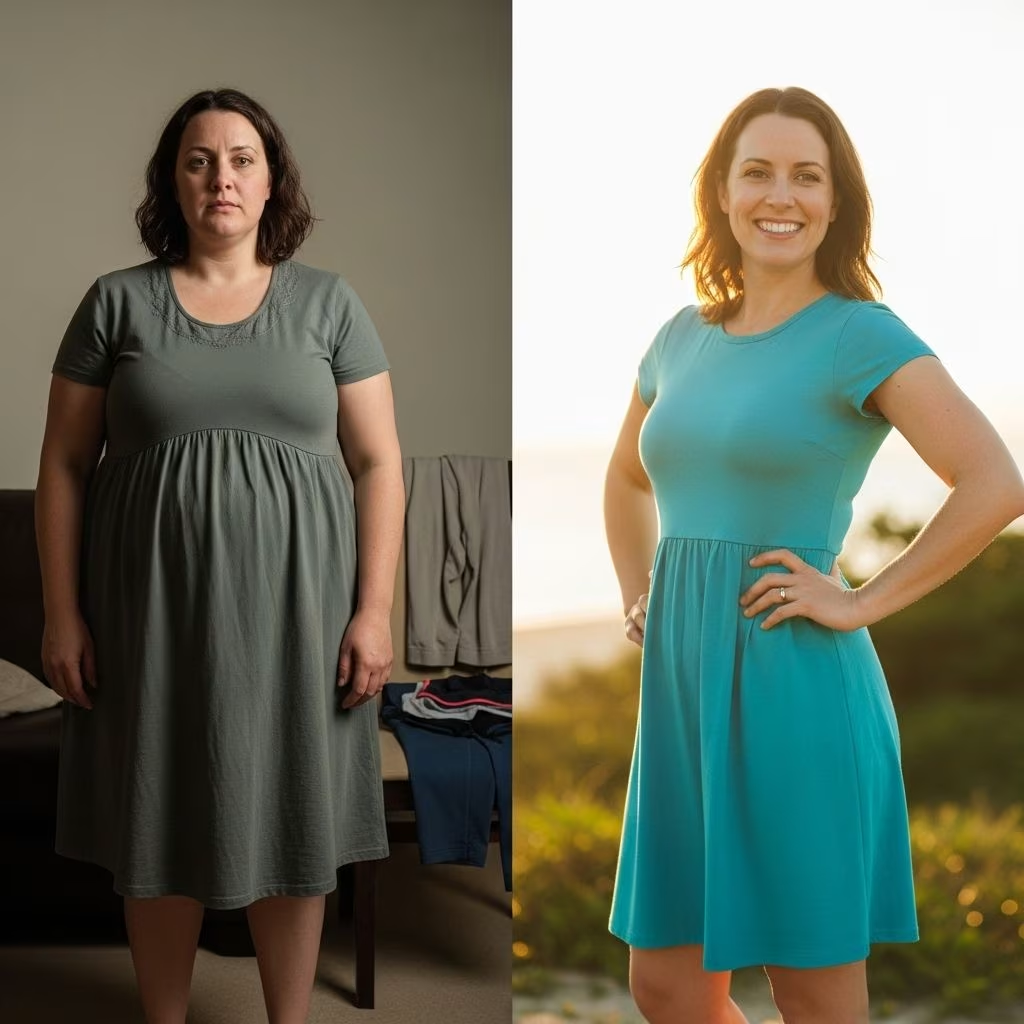
How I Lost 5 Dress Sizes and Nearly 50 Pounds
Category: Weight Loss Success Stories
For years, I felt like I was trapped in a cycle of disappointment every time I stepped on the scale or zipped up a pair of jeans. My story isn’t about a flashy before-and-after, crash diets, or expensive programs. It’s about gradual, sustainable change—from 200 pounds and a size 18, down to 152 pounds and a size 8. Here’s how I lost nearly 50 pounds and 5 dress sizes, and why my journey could inspire yours.
My Relationship with Food: The Reality Check
Food was a comfort, treat, and reward all rolled into one. Like many, I grew up in a household where food was entwined with emotion—celebrations meant cake, stress meant chips, and boredom meant baking. The real wake-up call happened in my early thirties, when I realized my favorite activities revolved around eating rather than movement. I wasn’t just eating too much; I was using food to self-soothe, celebrate, and mask stress.
- Frequent restaurant takeout and late-night snacking
- Bingeing on comfort foods after a tough day
- Ignoring portion sizes and nutritional labels
- Feeling sluggish, with aching joints and low energy
I understood that to lose weight sustainably, I had to confront not just my habits, but the why behind them.
Finding My Motivation: The Turning Point
My journey began when I couldn’t keep up with friends on a simple walk. Climbing stairs left me out of breath, and shopping for clothes was increasingly discouraging. The moment that changed everything was seeing myself in an unguarded photograph at a family party.
The realization: I was tired of feeling uncomfortable in my own body. I wanted clothes to reflect my style, not just fit. I longed for energy, strength, and self-respect.
The First Steps: Simple, Not Extreme
I started slowly—no restrictive diets, just focusing on one habit at a time:
- Tracking what I ate every day, honestly and without judgment
- Cooking at home more, using fresh vegetables, lean protein, and whole grains
- Drinking more water; cutting back on sugary sodas and juice
- Walking or doing basic cardio 3 times per week—no gym required
This approach felt manageable. For the first time, I wasn’t overwhelmed or out of breath—I was in control.
Overcoming Challenges: Plateaus and Setbacks
Weight loss isn’t linear. Some weeks, I lost three pounds. Other times, the scale didn’t budge—no matter how diligently I tracked food or moved my body. Plateaus tested my patience and resolve, sometimes for weeks at a time.
- Recognizing emotional eating triggers—loneliness, anxiety, boredom
- Practicing self-forgiveness after slip-ups instead of spiraling into guilt
- Setting incremental, realistic goals: “This month, drop a size,” not “lose 50 pounds overnight.”
- Reminding myself that setbacks are part of the journey and do not erase progress
I also learned to seek non-scale victories—like better sleep, improved mood, and compliments from friends who noticed my new energy.
Changing My Relationship With Exercise
Exercise had always felt like punishment, but I reframed it as self-care:
- Starting with 10-minute daily walks around the block
- Joining a beginner yoga class at the local community center
- Dancing in my living room—any movement counted!
- Eventually adding strength training twice a week
Gradually, I noticed my endurance and mood improving. I stopped dreading workouts and began to crave movement for the way it made me feel, rather than just as a tool for weight loss.
Mindset Shifts: Why Willpower Alone Isn’t Enough
Losing 50 pounds isn’t only a physical journey—it’s deeply mental and emotional. I worked on shifting my mindset:
- Focusing on progress, not perfection. Imperfect days didn’t mean failure—they were part of my story.
- Celebrating every milestone: dropping a dress size, choosing fruit over fries, walking up stairs without stopping
- Visualizing my healthiest self and finding motivation in everyday improvements
- Accepting that lifelong change means ongoing effort, not quick fixes
Learning to be kind to myself was the foundation for keeping weight off, even through stressful times or vacations.
Nutrition Overhaul: What Actually Worked
Instead of labeling foods “good” or “bad,” I:
- Planned meals around lean proteins, fresh fruits, and vegetables
- Swapped out white bread, pasta, and rice for whole-grain alternatives
- Allowed myself occasional treats, but watched the portions closely
- Read nutrition labels for serving sizes, sodium, and added sugars
- Prepared snacks—like cut-up veggies or nuts—at the start of each week
Learning that I could still enjoy food, but in a way that fueled my body rather than slowed me down, was liberating.
Sample of My Daily Eating Plan
| Meal | Foods Included |
|---|---|
| Breakfast | Scrambled eggs with spinach and tomatoes; whole grain toast |
| Lunch | Quinoa salad with grilled chicken, leafy greens, and vinaigrette |
| Snack | Greek yogurt with berries |
| Dinner | Baked salmon, roasted sweet potatoes, steamed broccoli |
| Treat | A small square of dark chocolate or a single-serve bag of popcorn |
This kind of simple, balanced eating allowed me to lose weight without feeling deprived.
Celebrating Non-Scale Victories
- Wearing knee-high boots for the first time in years
- Running up an escalator without stopping
- Shopping in any store without worrying about sizes
- Traveling comfortably on planes and at events
These moments meant more than any number on the scale—they were daily reminders of freedom and possibility.
Support Systems: Sharing the Journey
I didn’t do it alone. Support came from unexpected places:
- A close friend who joined me for weekly walks, celebrating every mile
- Online communities and social media groups where we shared recipes and encouragement
- A compassionate physician who monitored my progress and adjusted my goals as needed
Connecting with others on similar journeys made the process less isolating and much more sustainable.
Staying Motivated: How I Maintained My Progress
- Setting new goals (like running my first 5K) kept me challenged and excited
- Continuing to track my eating during holidays and stressful months
- Building variety into my workout routine—trying dance, cycling, hiking
- Rewarding myself with experiences (spa days, new workout gear), not just food
Maintenance became my new normal, requiring as much attention as weight loss itself, but bringing even greater rewards.
What I Learned About Myself
- Resilience: The journey wasn’t perfect, but I kept coming back
- Patience: The most profound changes were slow and steady
- Self-awareness: Understanding my triggers helped me build permanent habits
- Confidence: Being strong in my body translated to strength in all areas of my life
Most importantly, I learned that I am capable of change at any age or stage, and that you are, too.
Frequently Asked Questions (FAQs)
Q: Did you follow a specific diet or program?
A: No, I focused on balanced eating, portion control, and regular movement, making changes gradually instead of following any restrictive or branded plan.
Q: How did you handle cravings and emotional eating?
A: I learned to recognize triggers like boredom or stress, substituted healthier snacks, and sometimes distracted myself with a walk or a new activity until the craving passed.
Q: What was the hardest part?
A: Staying motivated during plateaus was tough. Non-scale victories, community support, and reflecting on my reasons for starting kept me going.
Q: Did you ever regain weight during your journey?
A: There were times when a few pounds came back—especially during holidays. Rather than giving up, I returned to my healthy habits and kept moving forward.
Q: What advice would you give to someone starting out?
A: Start small, focus on one habit at a time, and don’t judge yourself for setbacks—they’re part of the path. Remember, every healthy choice is progress.
Key Takeaways for Your Own Journey
- Sustainable weight loss is about lifestyle, not quick fixes
- Progress is more important than perfection
- Mindset and self-compassion are as critical as diet and exercise
- It’s never too late to make a change
- Celebrate every step—no victory is too small
If you’re dreaming of feeling comfortable in your body, shopping for the clothes you love, or regaining the energy you’ve missed—know that transformation is possible, one day and one choice at a time.
References
- https://www.prevention.com/weight-loss/g20497139/advice-from-women-after-weight-loss/
- https://www.prevention.com/weight-loss/a20456499/52-simple-weight-loss-tips/
- https://www.prevention.com/weight-loss/a20432911/weight-loss-success-even-without-bariatric-surgery/
- https://www.prevention.com/weight-loss/g20505977/change-your-diet-lose-50-pounds/
- https://www.prevention.com/weight-loss/a20517616/before-after-weight-loss-success-stories/


