


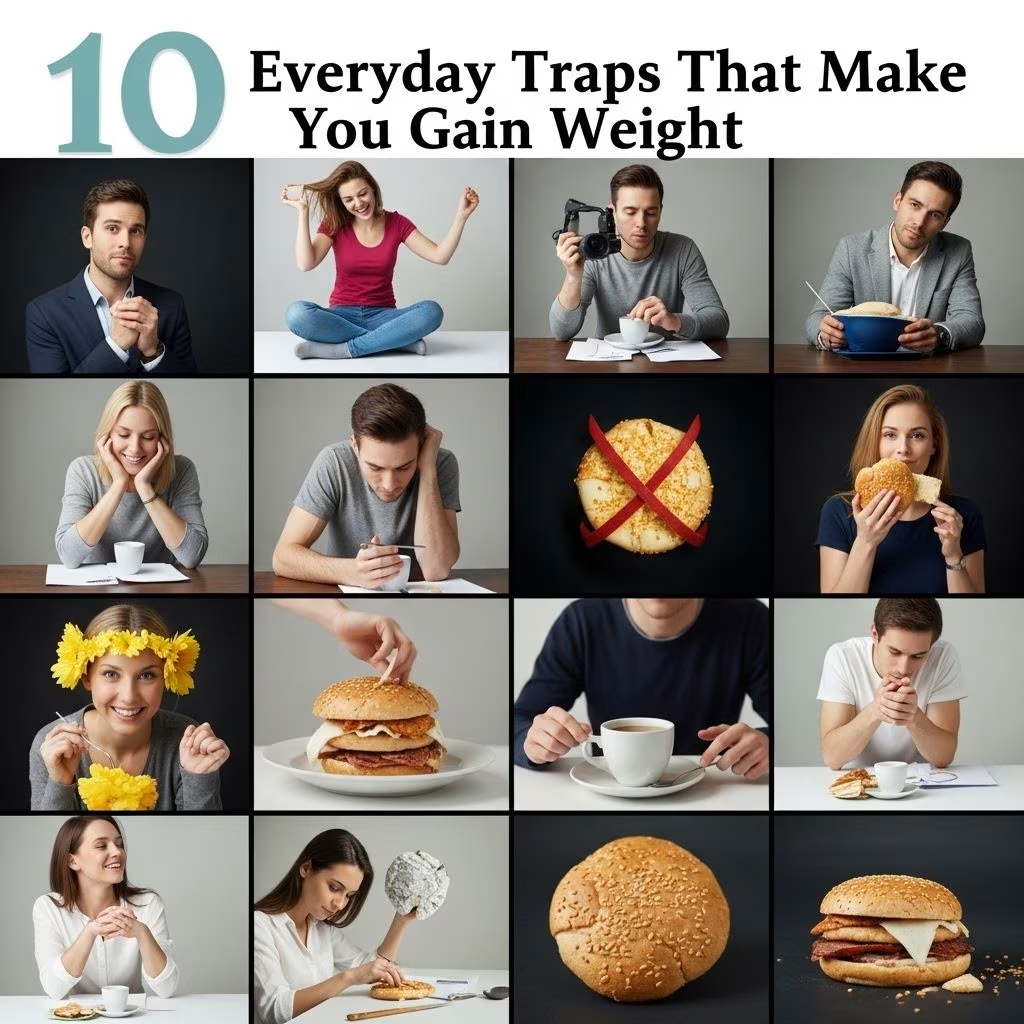
10 Everyday Traps That Make You Gain Weight
Maintaining a healthy weight seems straightforward: eat well, move your body, get sufficient rest. But everyday life is full of subtle traps—social pressures, emotional habits, even well-meaning family—that can quietly sabotage your best intentions. Understanding these hidden weight gain triggers is essential for anyone seeking to shed pounds or simply maintain their health.
Here, we break down 10 of the most common traps that cause creeping weight gain, explain the science behind them, and offer practical tips to sidestep each one.
1. How Working Long Hours Makes You Gain Weight
Juggling a demanding career? Research indicates that people who work more than 40 hours a week are about 8% more likely to become obese. For business travelers who spend over 20 nights a month away from home, obesity risks skyrocket even further: their odds are 92% higher than those who travel less frequently.
- Why? Extended work hours and business travel can disrupt your exercise, sleep, and eating routines. Business meals and expense accounts often lead to richer food choices than you’d make at home.
How to Stay Fit:
- Pretend you’re paying, even when the company foots the bill. Order lighter meals when you know you’ll dine out later.
- Keep moving. Stand up during calls, schedule walking meetings, and fit quick hotel-room workouts in while traveling.
- Meditate to fight stress eating. Mindfulness practices have been shown to reduce weight fluctuations related to stress.
2. How Getting Fired or Laid Off Can Lead to Weight Gain
Job stress and sudden unemployment don’t just impact your finances—they can also derail your health. Studies show that job loss is strongly linked to rapid weight gain. Many people turn to comfort eating in times of uncertainty, or give up previously healthy routines.
How to Avoid the Trap:
- Establish a daily routine—even if your work situation is in flux.
- Use meal planning as a structured activity; cook nutritious homemade foods to regain a sense of control.
- Stay active. Use free time to walk, cycle, or try a new exercise—it’s a proven mood booster.
3. When Your Partner’s Cooking Sabotages Your Health
Couples often mean well when sharing meals, but one partner’s preferences can unwittingly influence the household’s eating habits. Research suggests that newlyweds are particularly susceptible to ‘relationship weight gain’ as routines and food choices align. If your partner loves rich or indulgent dishes, you may start eating more of them.
- Why? Shared meals and dietary compromise can override individual preferences for lighter, healthier fare.
How to Balance It:
- Cook together and experiment with healthy recipes you both enjoy.
- Communicate openly about your goals; ask for support rather than criticism.
- Serve food in the kitchen and dish up balanced portions—don’t eat family-style from serving dishes at the table.
4. Overeating When Dining Out
Eating out is fun, social, and convenient—but restaurant meals are typically higher in calories, fat, and sodium than home-cooked food. Even health-conscious menu items can hide hidden calories in dressings, sides, and portions that are two or three times what you’d serve at home.
- Many people underestimate their caloric intake when eating out.
How to Outsmart the Trap:
- Review menus online in advance and plan your order.
- Request dressing and sauces on the side, and opt for grilled instead of fried foods.
- Box up half your meal before you start eating, or share entrees to cut calories.
- Be wary of ‘free’ bread baskets and refills—mindless nibbling can add hundreds of calories before the meal begins.
5. Social Gatherings and Peer Pressure
Celebrations, holidays, and even casual get-togethers can turn into calorie traps. People often eat (and drink) more when socializing, simply because everyone else is. Studies show that meals eaten with friends are typically larger, and indulgence is seen as contagious in groups.
- Social cues, like seeing others take large servings or go back for seconds, can subconsciously shape your own choices.
How to Stay On Track:
- Decide in advance what you’ll eat and drink, and stick to it.
- Bring healthy options to share, and focus on conversation more than what’s on your plate.
- Position yourself away from the snack table; out of sight, out of temptation.
6. Mindless Eating in Front of Screens
Watching TV or working at your computer may seem harmless, but screen time leads to mindless munching and lost track of portions. Distracted eating can result in calories piling up long before you feel full.
- Mindless snackers may consume 25% more calories than those who eat with focus.
How to Fix It:
- Commit to eating meals and snacks at a table, away from screens.
- Choose single-serving snacks to limit portion sizes.
- Keep healthy, pre-portioned snacks on hand—like sliced veggies, air-popped popcorn, or a piece of fruit.
7. Skipping Sleep and Napping Too Much
A poor night’s sleep does more than sap your energy. Lack of quality rest can disrupt hunger-regulating hormones (ghrelin and leptin), increasing your appetite. As people age, the risks increase: older adults who nap for more than an hour a day are up to 23% more likely to be obese.
| Sleep Habits | Effect on Weight |
|---|---|
| Consistent 7-8 hours/night | Helps regulate hunger |
| Frequent long naps | Higher obesity risk in later life |
How to Optimize Sleep:
- Stick to a regular bedtime and wake time—even on weekends.
- Keep naps to less than 30 minutes if you need them.
- Create a calming bedtime routine and limit caffeine in the afternoon.
8. When ‘Turning 50’ Slows Your Metabolism
As we age, muscle mass naturally declines, leading to a slower metabolism and increased body fat. The average adult sees body fat rise from 18% in their 30s and 40s to over 22% by their 50s.
- Age-related hormonal changes and reduced physical activity can accelerate the process.
How to Beat the Age Trap:
- Prioritize strength training to preserve and build muscle.
- Aim for 30–40 grams of protein at every meal to help maintain muscle mass.
- Incorporate higher-intensity cardio bursts to keep metabolism humming.
9. Emotional Eating During Stressful Times
Many people reach for food for comfort, especially during stressful periods. Stress triggers increased levels of cortisol, a hormone linked to fat storage, particularly in the abdominal area. Emotional eating rarely satisfies hunger, leading to overeating and unwanted pounds.
How to Beat Emotional Eating:
- Practice mindfulness or journal your feelings before reaching for food.
- Develop non-food coping mechanisms: walking, calling a friend, or listening to music.
- Keep tempting comfort foods out of the house, or buy them in small portions only.
10. Underestimating Portion Sizes
Even those who eat healthy foods can gain weight by consuming more calories than they realize. Restaurant servings, oversized bowls and plates, and unclear food labels can all lead to inadvertent overeating. Just 100 extra calories per day could add up to 10 pounds over a year.
- Large plates make portions look smaller, causing you to serve yourself more food.
How to Gain Portion Control:
- Use smaller plates and bowls to help control serving sizes.
- Read nutrition labels and measure out proper portions when possible.
- Listen to your body’s hunger and fullness cues—pause halfway through meals to check how you feel.
Frequently Asked Questions (FAQs)
Q: Can working a lot really cause weight gain, or is it just diet?
A: Both play a role. Long working hours can reduce activity and disrupt meals, leading to more frequent unhealthy food choices—both contribute to weight gain.
Q: What’s the biggest mistake people make that leads to weight gain?
A: Mindless eating and underestimating portion sizes are two of the most common mistakes, especially when combined with emotional stress or distracted eating.
Q: How can I stay healthy when eating out often for work?
A: Plan ahead, opt for grilled instead of fried foods, ask for sauces on the side, and consider boxing up half your meal as soon as it arrives.
Q: Are naps bad for weight management?
A: Short naps are fine, but frequent long naps—especially in older adults—are linked to higher obesity risk. It’s best to keep naps under 30 minutes.
Q: Will metabolism always slow down with age?
A: Some slowdown is natural, but regular strength training, consistent activity, and enough dietary protein help keep your metabolism active for longer.
Armed with this knowledge, you can tackle the hidden pitfalls of daily life—and make healthy weight maintenance part of your routine, not a struggle.
References
- https://www.aarp.org/health/healthy-living/surprising-foods-that-cause-weight-gain/
- https://www.menshealth.com/weight-loss/g19530135/10-traps-that-make-you-fat-1/
- https://www.prevention.com/weight-loss/a20435818/eating-mistakes-leading-to-weight-gain/
- https://www.prevention.com/weight-loss/g20492100/10-traps-that-make-you-fat/
- https://www.prevention.com/weight-loss/g20432475/15-ways-to-cut-hundreds-of-empty-calories-a-day/
- https://www.prevention.com/weight-loss/g20508128/what-you-need-to-know-about-these-10-popular-diets-before-you-try-one/
- https://www.prevention.com/weight-loss/a20479928/14-most-common-diet-obstacles/
- https://www.youtube.com/watch?v=m2uk5ckxKks


