


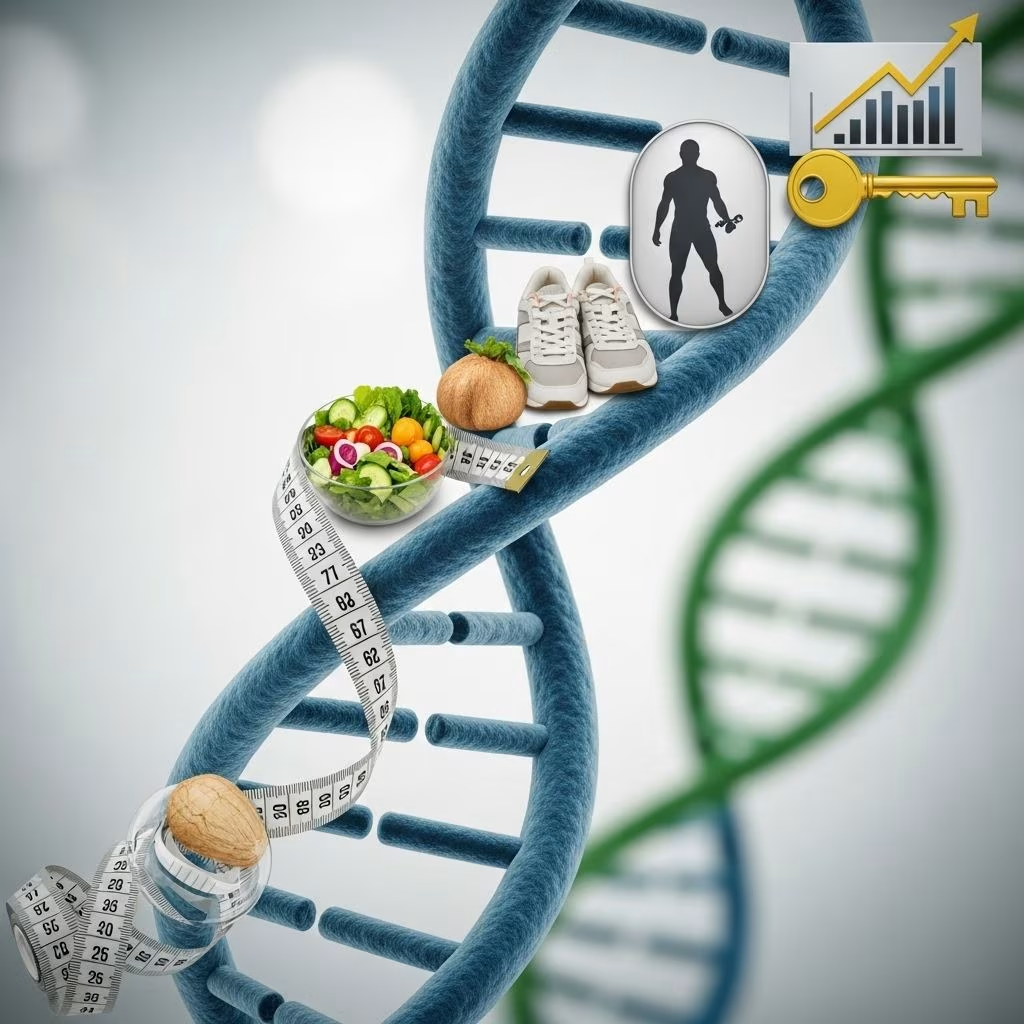
Is Your DNA the Secret to Weight Loss Success?
Decades of diet books and weight loss advice have promised one-size-fits-all results, but new research suggests that genetic makeup—and how genes are expressed—could be a powerful missing piece in the weight loss puzzle. With the advent of sophisticated DNA testing and advances in epigenetics, scientists are gaining insight into why some people seem to shed pounds with little effort, while others struggle despite diligent calorie counting and exercise.
How Genes Influence Weight Loss
The link between genetics and body weight is nothing new: scientists have long known that many aspects of individual body composition, including metabolism, appetite, and fat storage, are partially hardwired. Still, recent studies demonstrate that the story is more nuanced than a set of fixed gene sequences.
- Some rare genetic variants, such as those disrupting the GPR75 gene, have significant protective effects against obesity and influence weight gain directly. But these mutations are exceptional, affecting only a tiny fraction of the population.
- Most genetic influences on weight are the result of a combination of many common gene variants—known as polygenic risk. Each contributes a small effect, but together they shape an individual’s response to food, physical activity, and the environment.
Notably, genetic makeup interacts with lifestyle: it’s not a destiny, but a predisposition. The upshot? Two people can follow the same diet and exercise plan but experience vastly different results, primarily due to how their genetic code influences metabolism and hormone regulation.
Epigenetics and DNA Methylation: The Layer Above Genes
Beyond the DNA code itself lies a dynamic system known as epigenetics—the chemical modifications that regulate how and when genes are switched on or off. The most widely studied of these is DNA methylation, where tiny methyl groups attach to DNA and influence gene activity without changing the underlying sequence.
- DNA methylation can be altered by lifestyle factors such as diet, physical activity, and even stress.
- Some changes are temporary, while others can persist and even be passed to future generations (a process called epigenetic inheritance).
Recent research has identified specific DNA methylation sites that predict a person’s likelihood of losing weight and keeping it off, regardless of which diet they follow. These markers could serve as a roadmap for personalized nutrition, pointing to interventions most likely to succeed for each individual.
Can DNA Testing Predict Weight Loss Success?
With direct-to-consumer genetic tests flooding the market, the promise of a “DNA diet” tailored to your genes is more tantalizing than ever. But does the science support this approach?
- Large-scale studies show that while genetic markers do influence weight loss response, they are only one factor among many, including environment, culture, socioeconomic status, and behavior.
- Some genetic variants strongly affect how the body processes fats or carbohydrates, suggesting that—for select individuals—genetic information could guide dietary choices for weight loss.
- New findings on DNA methylation offer another layer, with the potential to measure current gene expression, giving doctors and dietitians a more dynamic picture than DNA alone.
The caveat: most commercially available tests only analyze common variants and can provide broad suggestions, not guarantees. The field is rapidly advancing, but at present, no test can create a foolproof, personalized weight loss plan for everyone.
Genetic ‘Types’: Do They Really Exist?
You may have encountered diets promising to identify your genetic “type”—for instance, classifying you as a “protein” or “carb” responder based on your DNA. Is there evidence to back up these claims?
- The idea that people have fundamentally different genetic responses to food is supported by robust science—but the categories are not as clear-cut as commercial tests may imply.
- Currently, research finds that broad patterns—like sensitivity to dietary fat or carbohydrates—can be traced to specific gene variants, but the evidence is strongest in rare or extreme cases.
- The most predictive markers studied to date are not fixed DNA sequences, but rather epigenetic changes—for example, 12 specific methylation sites have been shown to correlate with long-term weight loss success.
In summary: Your genetic makeup is one layer in a complex system. While some people may be more sensitive to certain foods due to their genes or epigenetics, the science is not yet at the level of delivering a universally reliable “one gene, one diet” solution.
What This Means For Weight Loss
According to leading obesity researchers, here is what’s clear:
- Genetics influence weight, but so do environment and lifestyle. Your DNA may load the gun, but what you eat and how you move pull the trigger.
- Some people are genetically predisposed to be heavier or thinner, but these predispositions are not fate. Behavior, social context, sleep, and other factors have powerful effects too.
- DNA and epigenetic testing can offer clues, but they are not yet the sole answer to sustainable weight loss.
Obesity is ultimately multifactorial—driven by genetic, psychological, social, and environmental factors. Many leading physicians argue that while genetics can help explain individual differences in response and resistance to diets, thinking of weight in exclusively genetic terms shifts focus away from proven core habits like sleep, stress management, mindful eating, and physical activity.
Diet, DNA, and Cardiometabolic Health: More Than the Scale
Emerging evidence shows that adopting a healthy diet—such as increasing fruits, vegetables, and whole grains—has cardiometabolic benefits even if weight loss is minimal or absent. In some recent studies, participants who did not lose much weight still saw measurable improvements in cholesterol, blood pressure, and insulin sensitivity.
- Weight loss is not the only or even the most important marker of improved health.
- Some people who do not lose weight with a particular intervention may still gain substantial health benefits from improved nutrition, physical activity, and other positive changes.
Personalizing Weight Loss: The Future of the Field
Researchers are optimistic that advances in genetics, epigenetics, and data science will soon make it possible to match individuals to optimal weight loss interventions based on a detailed understanding of their biology.
- Modern “omics” tools are beginning to parse out the molecular details of how different bodies respond to diet, exercise, and medication.
- Some clinics and research centers have begun using genetic or methylation data to customize treatment—including which weight loss medication might work best, or what dietary changes are most likely to work for a given individual.
However, most experts stress that these approaches are still experimental and should be seen as adjuncts to, not replacements for, proven behavioral strategies. The best results are achieved when emerging science is combined with practical, individualized support—from counseling to nutritional education and physical activity planning.
Common DNA-Related Myths and Facts
- Myth: Your genes decide your weight, no matter what you do.
Fact: Genetics play a significant role, but lifestyle and environment are equally powerful in shaping outcomes. Even those with a strong genetic predisposition can achieve and maintain weight loss with the right strategies. - Myth: Commercial DNA tests can instantly tell you how to lose weight.
Fact: Most available tests offer broad advice based on common genetic variants and are not substitutes for evidence-based medical guidance. - Myth: If you don’t lose weight on a diet, it’s a failure.
Fact: Health improvements can occur even without significant weight loss; focus on blood pressure, cholesterol, and overall well-being.
What Does a DNA-Based Weight Loss Approach Look Like?
If you choose to consult your DNA in your weight loss journey, the process typically involves several steps:
- Testing: A saliva or blood sample is analyzed to detect specific gene variants or epigenetic markers.
- Interpretation: Genetic counselors or nutritionists analyze the results, focusing on variants linked to metabolism, appetite, and macronutrient processing.
- Personalization: Based on your profile, recommendations may include:
- Altering fat or carbohydrate intake
- Adjusting exercise routines
- Considering pharmacological options if indicated by your genetic risk profile
- Monitoring: Progress is tracked, and, if possible, epigenetic markers are checked to observe changes in real time.
It’s important to work with qualified healthcare practitioners, as understanding and applying genetic information correctly is complex—and the science is still evolving.
Frequently Asked Questions (FAQs)
Q: Can my DNA make it impossible for me to lose weight?
A: No. While genes can make weight loss more difficult for some, there is no genetic variant that makes it impossible. Consistent, evidence-based strategies can overcome most genetic predispositions.
Q: Do DNA diets work better than traditional diets?
A: Current evidence does not support the claim that DNA-based diets lead to superior results for most people. However, DNA and methylation markers can help explain why individuals may respond differently to the same plan, paving the way for more personalized approaches in the future.
Q: Are there certain gene mutations that protect against obesity?
A: Yes, rare mutations such as those affecting the GPR75 gene appear to reduce the risk of obesity. These variants, however, are found in less than 0.05% of the population. For most people, weight is shaped by a combination of many genes, not a single mutation.
Q: Will insurance cover genetic testing for weight loss?
A: Not typically. Most insurers do not cover genetic or DNA methylation testing for weight loss, as the field is still considered experimental by major medical associations.
Q: Should I get my DNA tested before starting a new diet?
A: It is not necessary for most people. Evidence-based dietary changes, regular exercise, and behavioral support remain the foundations of weight management for all individuals, regardless of genetic testing.
Table: Genetics vs. Lifestyle Factors in Weight Loss
| Factor | Influence on Weight | Modifiable? |
|---|---|---|
| Genetic Variants | Shape metabolism, appetite, fat storage; can influence response to diets | No (inherited) |
| DNA Methylation/Epigenetics | Controls gene expression, interacts with lifestyle/environment | Partially (modifiable via lifestyle) |
| Diet | Direct and powerful impact on weight and health | Yes |
| Physical Activity | Aids in calorie burning, metabolism, mood | Yes |
| Sleep & Stress | Influence hormones (e.g., leptin, cortisol) affecting appetite and metabolism | Yes |
Practical Takeaways
- Focus on proven, sustainable healthy behaviors—such as improving diet quality, increasing movement, getting adequate sleep, and managing stress—regardless of your genetic background.
- If you’re considering genetic testing for weight loss, seek out experts in genetics, nutrition, or obesity science who can help interpret your results in the context of the current evidence.
- Stay skeptical of quick-fix DNA diets—look for scientific backing and expert guidance instead of miracle claims.
Final Thoughts
In the end, the future of truly personalized weight loss may combine genetic science, behavioral support, and old-fashioned consistency. DNA and epigenetic testing can offer valuable clues, but your daily choices—and the support you receive—remain the strongest predictors of success. The best approach: pair individualized insights with proven strategies, and remember that better health is about more than just the number on the scale.
References
- https://www.science.org/content/article/massive-dna-study-finds-rare-gene-variants-protect-against-obesity
- https://www.prevention.com/weight-loss/a65316143/dna-impact-weight-loss-study/
- https://hsph.harvard.edu/news/adopting-a-healthy-diet-may-have-cardiometabolic-benefits-regardless-of-weight-loss/
- https://www.foxnews.com/health/your-dna-could-stopping-you-from-losing-weight-new-study-suggests
- https://ritms.rutgers.edu/news/could-your-dna-hold-the-key-to-finding-your-perfect-weight-loss-plan-experts-explain/
- https://www.womenshealthmag.com/uk/health/a67951032/genetic-test-weight-loss-drugs/
- https://news.virginia.edu/content/its-genes-weight-and-metabolism-determined-genetics-more-diet


