


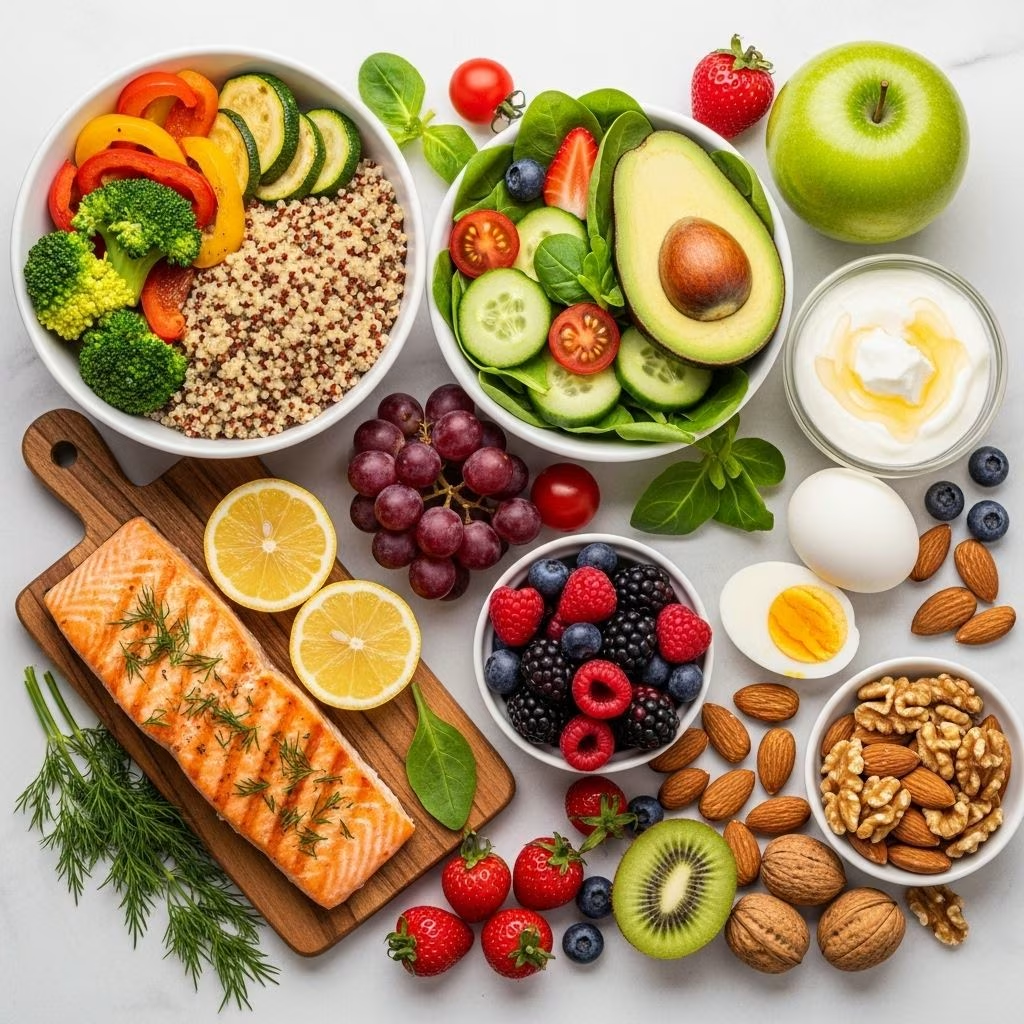
15 Best Weight Loss Foods to Boost Your Healthy Diet
Losing weight is not just about cutting calories—it’s also about making smart choices that keep you full, satisfied, and energized. With endless diet trends and fads, it’s easy to feel overwhelmed, but nutrition experts agree that focusing on simple, wholesome foods is still the most effective and enjoyable path to success. Below are 15 of the very best foods for weight loss, endorsed by top dietitians for their ability to help you feel full, healthy, and happy as you journey toward your wellness goals.
1. Plain Greek Yogurt
Greek yogurt is a versatile, high-protein dairy product packed with calcium and probiotics. Its thick, creamy texture makes it a satisfying breakfast, snack, or ingredient swap in place of sour cream or mayonnaise.
- Why it works: Greek yogurt is high in protein, which takes longer to digest and keeps you feeling full longer while supporting muscle mass.
- How to enjoy: Top with fruit and nuts for breakfast, use as a base in smoothies, or swap it for mayo in tuna salad or as a dip for veggies.
2. Sparkling Water
Sparkling water is a refreshing zero-calorie beverage that can keep you hydrated and help curb cravings for sugary drinks.
- Why it works: Sometimes thirst is mistaken for hunger; sparkling water can keep you hydrated and make you feel fuller between meals.
- How to enjoy: Drink it plain or add a squeeze of citrus for flavor and swap it for soda for a healthier, calorie-free alternative.
3. Pulses
Pulses are the edible seeds of legumes, like beans, lentils, chickpeas, and split peas. They are a nutrition powerhouse, brimming with protein, fiber, vitamins, and minerals.
- Why it works: High fiber and protein content keep you satiated, stabilize blood sugar, and curb excessive snacking.
- How to enjoy: Add cooked lentils to salads, use mashed beans in homemade veggie burgers, or blend chickpeas into hummus for a filling dip.
4. Cucumbers
Cucumbers are a hydrating, crunchy vegetable with remarkably low calorie density, meaning you can snack on them guilt-free.
- Why it works: Composed mainly of water and fiber, cucumbers add bulk to meals without adding calories. Their crunch also satisfies snack cravings.
- How to enjoy: Slice thin and dip in salsa or Greek yogurt, add to sandwiches for crunch, or toss in salads for volume.
5. Lean Poultry
Lean poultry such as skinless chicken or turkey is a concentrated source of high-quality protein with minimal saturated fat.
- Why it works: Protein preserves muscle and helps you feel full, while choosing lean cuts helps reduce overall calorie and fat intake.
- How to enjoy: Grill or roast, shred into salads, or swap ground turkey for ground beef in tacos, chili, or pasta sauce.
6. Avocados
Avocados are creamy, delicious, and famed for their “good” monounsaturated fats. They’re also packed with vitamins, minerals, and fiber.
- Why it works: Healthy fats and fiber promote satiety and can help tame cravings with that rich, satisfying mouthfeel.
- How to enjoy: Add to toast at breakfast, mash into guacamole, blend into salad dressings, or use instead of higher-calorie spreads.
7. Eggs
Eggs have made a comeback as a top weight loss food, thanks to their excellent protein and healthy fat content—including vital nutrients found in the yolk.
- Why it works: Protein promotes feelings of fullness, helping reduce overall calorie intake throughout the day. The yolk supplies valuable vitamins.
- How to enjoy: Hard-boil for a quick snack, scramble for breakfast, or poach on greens for a nutrient-rich lunch.
8. Quinoa
Quinoa is a complete plant-based protein that’s technically a seed, not a grain. It’s high in both protein and fiber, making it a satisfying substitute for rice or pasta.
- Why it works: Each serving provides all nine essential amino acids and a dose of fiber, helping stabilize blood sugar and curb appetite.
- How to enjoy: Use as a base for vegetable salads, prepare as a simple side with herbs, or mix into homemade veggie burgers.
9. Leafy Greens
Leafy greens like kale, spinach, Swiss chard, and collard greens deliver a hefty dose of fiber, vitamins, and minerals at barely any calories.
- Why it works: The fiber and light calorie load allow for bigger portions, so you feel satisfied without overeating. Darker leaves offer more nutrients and antioxidants.
- How to enjoy: Mix into smoothies, pile onto sandwiches, wilt into soups and stir-fries, or build hearty salads as the star of the dish.
10. Salmon
Salmon is a fatty fish rich in omega-3 fatty acids, high-quality protein, and several key nutrients.
- Why it works: Protein helps you feel full, while omega-3s may reduce inflammation and support heart health.
- How to enjoy: Roast, grill, or poach salmon filets; add canned salmon to salads or salmon patties for meal prep.
11. Berries
Berries (blueberries, strawberries, raspberries, blackberries) pack antioxidants, vitamins, and fiber for minimal calories and maximum flavor.
- Why it works: Their natural sweetness satisfies dessert cravings, while fiber slows sugar absorption and helps control hunger.
- How to enjoy: Add to yogurt, oatmeal, or smoothies, or eat plain for a refreshing snack.
12. Nut Butters
Nut butters (peanut, almond, cashew, sunflower) provide healthy fats and protein, raising fullness and satisfaction—just be mindful of portion size due to the concentrated calories.
- Why it works: The combination of protein and healthy fat helps curb hunger, making them perfect for balanced snacks.
- How to enjoy: Spread on apple slices, mix into oatmeal, or blend into smoothies for creaminess.
13. Whole Grains
Whole grains like brown rice, farro, barley, and oats are unrefined, keeping their fiber and key nutrients intact.
- Why it works: Fiber-rich whole grains digest slowly, keeping energy levels stable and helping you avoid the blood sugar spikes of white bread or pasta.
- How to enjoy: Use as a base for grain bowls, enjoy as hot cereals, or swap for refined grains in your favorite recipes.
14. Cauliflower
Cauliflower is a versatile, low-calorie vegetable that’s packed with fiber, vitamins C and K, and folate.
- Why it works: Low calorie and high volume help you feel full while eating larger portions. Cauliflower’s neutral flavor makes it the perfect healthy swap for higher-calorie ingredients.
- How to enjoy: Blend into rice or pizza crusts, mash as a potato alternative, or roast for a caramelized, nutty side.
15. Fermented Foods
Fermented foods like kimchi, sauerkraut, kefir, miso, and kombucha contain beneficial probiotics that support digestive health and may indirectly support weight loss by enhancing gut function and immunity.
- Why it works: A healthy gut microbiome may optimize digestion and reduce inflammation, assisting in weight regulation.
- How to enjoy: Add kimchi or sauerkraut to salads or sandwiches, drink kefir as a tangy snack, or use miso to flavor soups and dressings.
How to Incorporate These Foods Into Your Diet
Balancing your diet is key to sustainable weight loss. Here are several practical tips for adding these foods to your meals:
- Build each meal around a source of lean protein, such as chicken, fish, eggs, Greek yogurt, or tofu.
- Fill at least half your plate with vegetables and leafy greens for volume and nutrients.
- Round out meals with modest portions of healthy fats like avocado or nuts for satisfaction.
- Choose whole grains over processed grains for sustained energy.
- Include a daily dose of fermented foods to support gut health.
- Stay hydrated, opting for sparkling water instead of sugary drinks to control hunger signals.
- Satisfy sweet cravings with berries or incorporate a small portion of dark chocolate for indulgence.
Sample Weight Loss Meal Plan
| Meal | Sample Options Featuring Weight-Loss Foods |
|---|---|
| Breakfast | Greek yogurt parfait with mixed berries and a sprinkle of nut butter |
| Lunch | Quinoa bowl with leafy greens, roasted salmon, cucumbers, and avocado |
| Snack | Raw vegetables with hummus or a hard-boiled egg |
| Dinner | Grilled chicken breast with steamed cauliflower and sautéed leafy greens |
| Beverage | Sparkling water with lemon or lime |
Frequently Asked Questions (FAQs)
Q: Can I eat these foods and still lose weight without dieting?
A: Yes. These foods help regulate appetite, provide important nutrients, and can support weight loss when included as part of a balanced diet and lifestyle. Portion control and regular physical activity still matter for most people’s weight goals.
Q: Are there any foods I should exclude when trying to lose weight?
A: While no single food is strictly “off limits,” highly processed snacks, sugary beverages, and foods with excess added sugar or trans fats may hinder weight loss and should be limited.
Q: How quickly will I see weight loss results by eating these foods?
A: Results vary based on total calorie intake, activity level, and individual metabolism. Focus on making sustainable, healthy choices rather than fast results for long-term success.
Q: Should I avoid fats for weight loss?
A: No. Healthy fats from avocados, nuts, seeds, and fatty fish can actually help increase feelings of fullness and improve overall health. The key is choosing the right types of fat in proper portions.
Q: What if I have food allergies or follow a special diet?
A: Most of these foods can fit a wide range of dietary needs; choose options and swaps that fit your health requirements or preferences. If in doubt, consult a registered dietitian for personalized advice.
Final Thoughts
Achieving a healthy weight is all about nourishing your body with real, whole foods, listening to your hunger cues, and embracing habits that support your well-being. These 15 foods are not magic bullets but are among the best allies for a more delicious, healthful way to lose weight and keep it off for good.
References
- https://www.prevention.com/weight-loss/g24805401/fat-burning-foods/
- https://www.prevention.com/weight-loss/g20496527/15-weight-loss-foods/
- https://www.prevention.com/food-nutrition/healthy-eating/a65919516/foods-to-boost-metabolism/
- https://www.prevention.com/weight-loss/a30188568/lose-weight-without-exercise-0/
- https://www.prevention.com/weight-loss/a20505548/small-changes-that-take-off-big-pounds/
- https://www.prevention.com/weight-loss/
- https://www.prevention.com/food-nutrition/healthy-eating/a63423411/foods-you-should-not-eat/
- https://www.prevention.com/food-nutrition/
- https://www.cdc.gov/healthy-weight-growth/losing-weight/index.html
- https://pmc.ncbi.nlm.nih.gov/articles/PMC8017325/


