


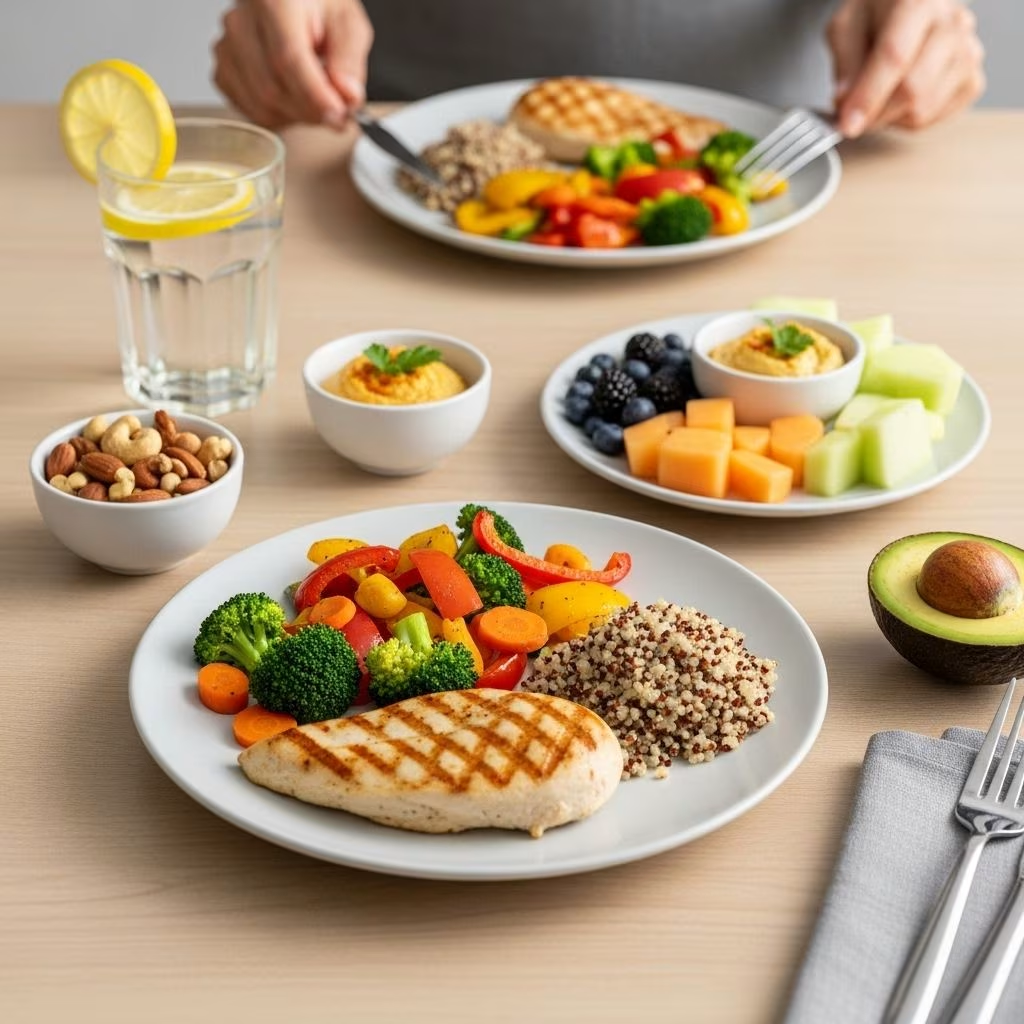
7 Effective Ways to Prepare for a Big Meal Without Derailing Your Progress
Big celebrations, holiday feasts, and special occasions bring the joy of abundant food. While it’s tempting to indulge, preparing wisely for a large meal can help you enjoy yourself without sabotaging your health or progress toward your weight goals. By focusing on thoughtful strategies ahead of time, you can optimize your metabolism, control hunger, and arrive at the table ready to make empowered choices.
1. Don’t Starve Yourself Leading Up to the Meal
One of the most common mistakes before a big meal or feast is ‘saving up’ calories by skipping earlier meals or snacks. While this might seem logical, skipping meals slows your metabolism and encourages your body to store incoming calories as fat once you finally eat.
- When you go long periods without food, your body’s nutrient and hormone levels signal that food is scarce.
- This slows metabolism and creates a storage mode, making it more likely you’ll store excess calories rather than burn them off.
- Even eating a small, balanced snack—like a handful of nuts, Greek yogurt, or a banana—can jumpstart your metabolism and regulate appetite before a feast.
Instead of fasting, eat normally throughout the day. Balanced mini-meals leading up to the occasion help prevent binging and keep your body in an optimal state for digestion.
2. Drink a Glass of Water
Hydration plays a powerful role in appetite regulation. Drinking water before a meal can help you feel fuller, manage hunger, and prevent overconsumption.
- The human stomach holds about a liter of food and liquid; starting your meal with 1–2 glasses (8–16 oz) of water can help semi-fill your stomach, so you arrive at the table with a mild sense of fullness.
- Water acts as a natural appetite regulator and helps your body differentiate between true hunger and thirst.
If you don’t like plain water, try unsweetened herbal tea as an alternative to sugary beverages. Begin sipping water at least 15–20 minutes before the meal for optimal effect.
3. Brush Your Teeth
Believe it or not, brushing your teeth or rinsing your mouth with peppermint toothpaste before a meal can help curb appetite.
- Peppermint’s strong scent and taste may work as a natural appetite suppressant, according to some studies. Aromas influence our perception of taste and can send signals of satiety to the brain.
- Even sipping peppermint or spearmint tea, or inhaling a whiff of essential oil, can reduce cravings temporarily.
- Avoid mint chewing gum before meals. Chewing signals your digestive system to release salivary amylase (an enzyme starting carbohydrate digestion), potentially increasing hunger.
Make hygiene work in your favor—brushing your teeth before a party can cause foods to taste less palatable and remind you to stick to your plan.
4. Plan Ahead Strategically
Thoughtful planning sets you up for success at big meals, even if you can’t control every detail of the menu.
- Consider what will be served and mentally rehearse your approach—Will you prioritize vegetables? Choose lean proteins? Sample desserts, but avoid seconds?
- Remind yourself it’s okay to indulge moderately. Decide in advance which treats are truly worth it to you, and set an intention to savor them mindfully.
- If possible, bring a healthy dish to share so you’re guaranteed to have at least one beneficial option available.
- Eat from a smaller plate if possible—visual cues tremendously impact satiety and reduce the risk of overeating.
By reviewing your goals and limits ahead of time, you protect yourself from impulsive decisions when faced with an overflowing table.
5. Munch on an Apple Beforehand
A simple, evidence-based trick: Eat a medium apple 10–15 minutes before the big meal.
- Apples are high in fiber and water content, both of which occupy space in your stomach and slow gastric emptying.
- Research shows eating an apple pre-meal can reduce subsequent calorie intake by as much as 15%.
- The average apple contains about 60–80 calories yet helps you avoid consuming up to 186 extra calories during the main event.
Choose an unprocessed, whole apple over juice or applesauce to maximize fiber and satiety benefits. Other crunchy, low-calorie produce like carrots or bell peppers can provide similar effects.
6. Hit the Gym or Get Moving
Physical activity before a large meal offers multiple benefits beyond calorie burning:
- Exercise increases insulin sensitivity and primes your muscles to utilize the incoming nutrients efficiently rather than storing them as fat.
- Movement also boosts mood-enhancing endorphins and reduces stress, preventing emotional overeating caused by anxiety or anticipation around food.
- A simple brisk walk, 20–40 minutes of resistance training, or even some active stretching can be sufficient.
Not only do you start the meal feeling more energized, but exercise can also improve sleep quality and overall mindset—both key to making rational food choices.
7. Sleep Well the Night Before
Quality sleep is one of the most overlooked secrets to appetite control and healthy decision-making.
- Poor sleep disrupts the natural balance of key hormones, including leptin (which signals fullness) and ghrelin (which stimulates hunger).
- Sleep deprivation increases cravings for calorie-dense, high-sugar, and high-fat foods—making it tougher to stick to your plan at festive gatherings.
- Aim for at least seven hours of sleep prior to major events; good sleep hygiene can mean the difference between filling your plate with veggies or diving for the dessert table.
Consistency is key: building a habit of adequate sleep supports long-term health and makes it easier to handle one-off indulgences without guilt.
Table: 7 Essential Strategies to Prepare for a Big Meal
| Strategy | Summary & Benefit |
|---|---|
| Don’t Starve Yourself | Maintains metabolism and prevents overeating/binging. |
| Drink Water | Controls appetite and reduces intake by filling the stomach. |
| Brush Teeth | Peppermint can reduce cravings and improve dietary restraint. |
| Plan Ahead | Encourages intentional choices and stress-free celebration. |
| Munch on an Apple | Fiber-rich pre-meal snack lowers total meal calories. |
| Exercise | Improves insulin sensitivity, mood, and decision-making. |
| Sleep Well | Balances appetite hormones to reduce cravings for junk food. |
Additional Tips for Navigating Big Meals
- Eat Mindfully: Savor every bite, chew slowly, and put your fork down between bites. This practice enhances satisfaction and helps you recognize fullness cues earlier.
- Focus on Protein and Produce: Fill half your plate with vegetables and lean protein before reaching for starchier sides or desserts.
- Pace Yourself: Start with salads or broth-based soups; they’re filling and nutrient-dense, helping to moderate the rest of your appetite.
- Don’t Be Afraid to Say No: Politely turn down seconds or unwanted foods by expressing gratitude and honesty about your goals.
- Embrace Celebration: Remember, one meal won’t derail your progress. The goal is to enjoy the occasion without guilt or self-sabotage.
Frequently Asked Questions (FAQs)
Q: If I know I’ll eat a big dinner, should I skip breakfast or lunch to save calories?
A: Skipping meals can backfire by slowing your metabolism and increasing the likelihood of overeating later. Balanced meals throughout the day support better portion control and smarter choices during the big event.
Q: How much water should I drink before a feast?
A: Drinking 8–16 ounces (about 1–2 glasses) of water 15–20 minutes before a large meal is sufficient to help curb appetite and encourage moderation, without leaving you uncomfortably full.
Q: Will exercising right before eating help burn off the big meal?
A: While you won’t instantly ‘burn off’ the meal, pre-meal exercise primes your muscles to utilize carbs and protein efficiently, supports your metabolism, and helps regulate your appetite and mindset.
Q: Can brushing my teeth really make me eat less at a party?
A: Yes, the strong taste and smell of peppermint from toothpaste can act as a mild appetite suppressant, making food less appealing. Avoid mint gum, though, as the act of chewing can increase hunger for some people.
Q: Why is sleep connected to how much I eat?
A: Lack of sleep throws off hormones that control hunger and fullness, leading to stronger cravings for high-calorie foods and reduced self-control. Restorative sleep helps you make wiser choices at celebrations.
Key Takeaways for Enjoying Big Meals Guilt-Free
- Preparation is about supporting your body and mindset for better decisions, not about punishing restriction.
- Simple habits—like staying nourished, planning ahead, and sleeping well—set the stage for empowered, guilt-free festivities.
- Remember: It’s what you do most of the time, not one meal, that shapes your long-term health and weight outcomes.
References
- Based on science-backed expert advice from registered dietitian Felicia Stoler
- Hydration and appetite research cited by nutritionist Ilana Muhlstein
- Peppermint’s effect on appetite noted by dietitian Liz Weinandy
- Apple pre-loading statistic: Libby Mills, Registered Dietitian
- Sleep, hormones, and appetite insights from Chelsea Elkin, MS, RD
References
- https://www.vailhealth.org/news/7-tips-to-successful-meal-planning
- https://www.prevention.com/weight-loss/g20501877/7-ways-to-prepare-for-a-big-meal/
- https://www.youtube.com/watch?v=NO-EbXMB4gc
- https://www.prevention.com/food-nutrition/a20506383/i-made-lunch-the-biggest-meal-of-the-day-for-a-month-and-here-s-what-happened/
- https://www.prevention.com/weight-loss/a20437039/100-easy-tricks-to-move-more-and-lose-weight/
- https://www.prevention.com/weight-loss/g20445915/7-ways-to-lose-weight-in-7-days/
- https://www.prevention.com/fitness/a37857801/7-day-weight-loss-preparation-guide/
- https://www.prevention.com/food-nutrition/a20516445/high-fiber-diet-plan/
- https://www.teladochealth.com/library/article/7-ways-to-make-meal-planning-easy-and-fun
- https://www.prevention.com


