


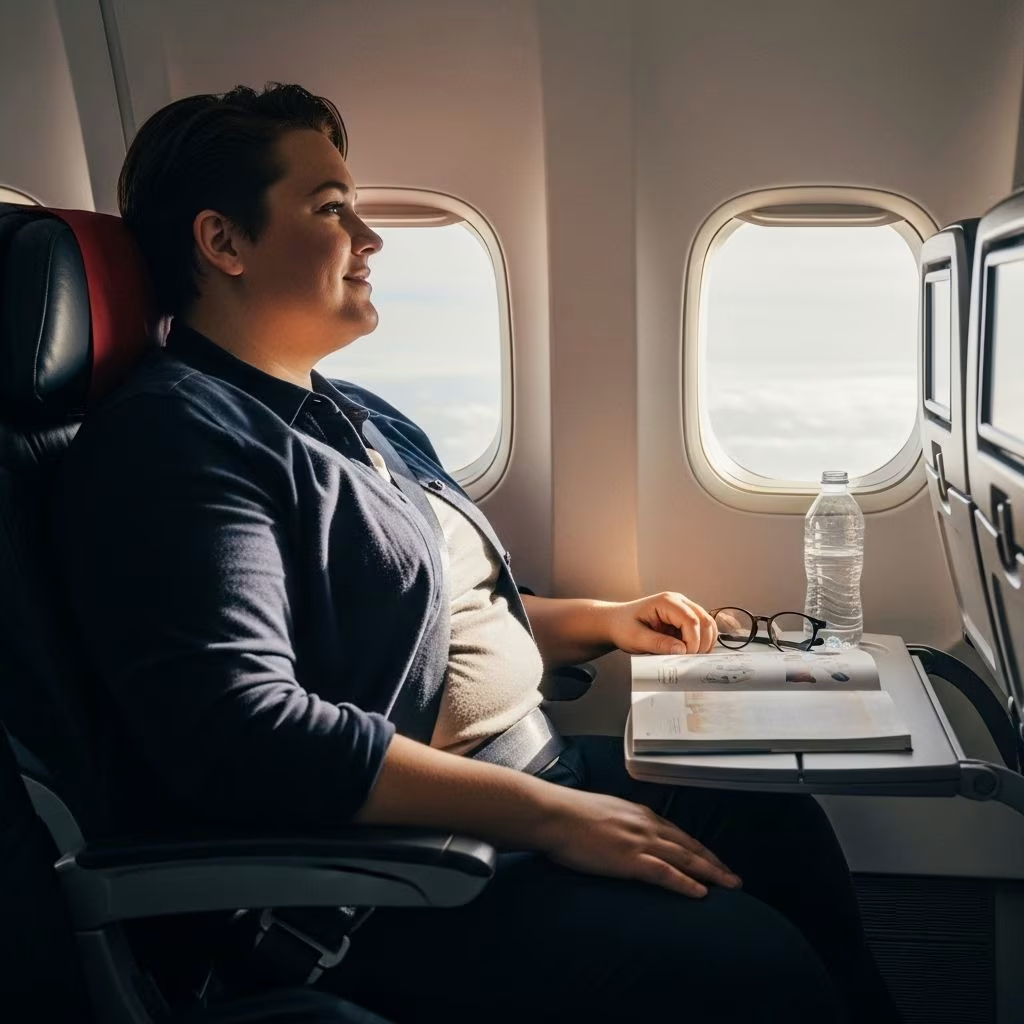
Flying When You’re 50 Pounds Overweight: The Ultimate Comfort and Confidence Guide
Navigating air travel as someone who is 50 pounds overweight—or more—can be a uniquely challenging experience. From the moment you book your ticket to the time you take your seat, a host of physical, emotional, and logistical considerations can shape your journey. Yet, with the right information and preparation, it is absolutely possible to fly comfortably and confidently, no matter your size. This guide synthesizes expert tips, personal stories, and practical advice for plus-size travelers, empowering you to make informed decisions and enjoy a smoother flight experience.
Understanding Airline Policies for Overweight Passengers
First and foremost, it’s crucial to recognize that no airlines have universal weight limits for passengers—there are no restrictions solely based on body weight. The primary guidelines revolve around safety, seat fit, and comfort, particularly the dimensions of seats and the length of seatbelts. Seat width, not weight, is the factor airlines measure, and policies on seating accommodation (such as purchasing an additional seat) vary by carrier.
- Seat dimensions and seat belt length matter more than a passenger’s weight. Airlines may offer seat belt extenders if needed.
- Additional seat purchase: Some airlines require plus-size travelers to purchase a second seat if their body cannot be accommodated within a single seat.
- Contact the airline in advance to clarify policies, seat measures, and available accommodations for larger passengers.
How Heavy Can You Be and Still Fly?
There is no specific weight cut-off. Instead, airlines focus on whether passengers fit safely and comfortably in the provided seats. If extra seat space, seatbelts, or other accommodations are needed, notify your airline early—for many, this will avert hassles at check-in or boarding.
Pre-Flight Planning: Booking Right for Maximum Comfort
Making informed choices before your travel day can be the key to enjoying your flight. Here are essential booking considerations:
- Contact the airline before booking to review seat and seatbelt sizes and find out about seatbelt extender availability.
- Consider booking an extra seat if you believe a single seat won’t suffice. Alternatively, waiting until boarding to request a second seat can sometimes work—airlines may assist you directly.
- Premium seating options: Business class and Premium Economy seats offer more width and legroom than standard Economy seats. If budget allows, these can be worthwhile investments.
- Avoid XL or emergency exit row seats: These seats prioritize legroom, but often restrict seat width, which can defeat the purpose for larger travelers.
Packing for Comfort and Confidence
What you bring on board can make a significant difference in how enjoyable and stress-free your experience is.
- Wear comfortable, breathable clothing to accommodate circulation and body temperature changes. Flexible waistbands and soft fabrics enhance freedom of movement.
- Pack extra underwear and pantyliners to handle sweat and stay fresh, especially on long flights.
- Bring your own towel—standard hotel towels are often not plus-size friendly, so a larger bath sheet is helpful.
- Compression socks are recommended to reduce swelling during extended periods of sitting.
- Carry snacks that suit your dietary needs and avoid heavy sodium before flying to minimize swelling.
- Portable fan or cooling device can keep you comfortable in warm or stuffy cabins.
Carry-On Essentials Checklist
- Seatbelt extender (request in advance or bring your own)
- Extra outfit and underwear (in your carry-on for emergencies)
- Pantyliners
- Portable bidet (for bathroom access issues)
- Travel-size towels
- Compression socks
- Personal hygiene products
- String or fishing line (to retrieve lost items in tight spaces)
- Portable fan
- Pack “chub rub” cream or balm to reduce skin irritation
At the Airport: Navigating Stress and Preparation
Getting through the airport as a plus-size traveler demands its own set of strategies and mindset.
- Arrive early to allow extra time for check-in, requests for seat changes, and security lines.
- Use airport facilities—restrooms are far roomier than those on the plane, so plan accordingly.
- Request special assistance if you have mobility limitations—airlines can provide wheelchairs or transport to gates on request.
Bathroom Strategies
Airplane lavatories are notoriously cramped and difficult to navigate. Use airport restrooms immediately before boarding, and expect discomfort if you need to use the airplane toilet during the flight. Some travelers bring portable bidets or wipes for additional personal hygiene, especially on long flights.
Boarding and On-Board Strategies for a Comfortable Flight
Once you’re on the plane, there are several adjustments and requests that can help you stay comfortable and avoid unnecessary embarrassment or inconvenience.
- Ask for a seatbelt extender from the flight crew as you board—seatbelt extenders are discreet, common, and essential for your safety and comfort.
- Choose a window seat to reduce the chances of being jostled and claim a bit more privacy.
- If you booked two seats, make sure staff know ahead of time to block off the second seat (some airlines require notification to ensure the second seat remains empty).
- Move around when possible: Standing and stretching can improve circulation, reduce discomfort, and help prevent stiffness.
- Dress well—presenting yourself confidently sometimes leads to better service.
- Pack important items on a string or lanyard to easily retrieve them if they fall in the tight seat space.
- Bring your own towel for use in hotels or airplanes if standard sizes don’t meet your needs.
- Chub rub prevention: Use balms or powders to prevent skin irritation between thighs during long sits.
Picking the Right Seat: Location and Upgrades
| Seating Option | Pros | Cons |
|---|---|---|
| Economy Standard | Lowest cost | Least legroom and seat width |
| Premium Economy | Wider seats, more space | More expensive than standard |
| Business Class | Extra space, better comfort | Most expensive |
| Emergency Exit/XL Seats | Best legroom | Narrow seat width, not ideal for larger passengers |
| Two Adjacent Economy Seats | Maximum privacy and comfort in economy | Double ticket cost |
Coping with Stares, Judgment, and Confidence Challenges
Flying while overweight can sometimes bring unwelcome attention from other travelers. It’s normal to feel self-conscious in close quarters, but remember that your right to travel and comfort are equal to anyone else’s. Confidence can be built through preparation and self-affirmation.
- Remind yourself you deserve to be there—emphasize your right to enjoy travel.
- Ignore judgmental looks; focus on your journey and comfort, not others’ opinions.
- Dress confidently to reflect inner pride and dignity, which can influence how others treat you.
- Affirmations and mantras are helpful—even simple phrases like “I belong here” can defuse anxiety.
FAQs: Flying Comfortably When Overweight
Q: Are there airlines that are more friendly to overweight passengers?
A: Some airlines, such as Southwest Airlines, allow customers of size to book a second seat and be reimbursed after travel. Policies vary, so always check the specific airline.
Q: Can I bring my own seatbelt extender?
A: Many airlines allow you to bring a personal seatbelt extender, but it’s always best to confirm with your provider before flying. Most airlines offer them for free when requested.
Q: What if I have difficulty using the bathroom onboard?
A: Airplane lavatories are notoriously tight. Plan to use airport bathrooms before boarding, and consider a portable bidet or wipes for hygiene during long-haul flights.
Q: Should overweight passengers book business or premium economy?
A: If possible, yes—these seats offer additional width and legroom for greater comfort, especially on international flights.
Q: What do I do if my seatbelt doesn’t fit?
A: Ask the flight crew for a seatbelt extender as soon as you board so you can fasten safely and comfortably.
Quick Travel Tips for Plus-Size Flyers
- Research seating policies before booking, and call airlines for specifics.
- Book window seats or two adjacent seats if you want privacy.
- Request seatbelt extenders from staff discreetly during boarding.
- Pack comfort items such as flexible clothing, compression socks, and “chub rub” balm.
- Use credit card points to upgrade your flight whenever possible.
- Check hotel and Airbnb bathroom photos before booking.
- Dress well and confidently for better service and self-esteem.
- Ignore negative attention—focus on your travel goals and the adventure ahead.
Expert Mantras and Affirmations for Confident Travel
- I deserve comfort and respect wherever I go.
- I am not responsible for other people’s opinions.
- Traveling is my right, and I claim my space with confidence.
Real Traveler Experience: Owning Your Journey
The act of traveling—especially by air—is a right, not a privilege reserved for those with a certain body type. While discomfort and stigma may rear their heads, they can be managed with preparation, planning, and confidence. Remember, the world is yours to explore, and your journey begins well before you take your seat on the plane. With the strategies and mindset outlined above, you can fly comfortably, securely, and with the dignity you deserve.
References
- https://www.flightright.com/blog/excess-weight-tips-travel-comfortably
- https://www.youtube.com/watch?v=aywYd7YVn9w
- https://stacybias.net/2012/01/flying-while-fat-superfat-tips-for-international-air-travel/
- https://www.prevention.com/weight-loss/a20514889/flying-when-your-50-pounds-overweight/
- https://www.nerdwallet.com/article/travel/plus-size-travel-tips
- https://wanderwisdom.com/transportation/flyingwhenoverweight
- http://www.themilitantbaker.com/2015/09/tips-for-flying-while-fat.html


