


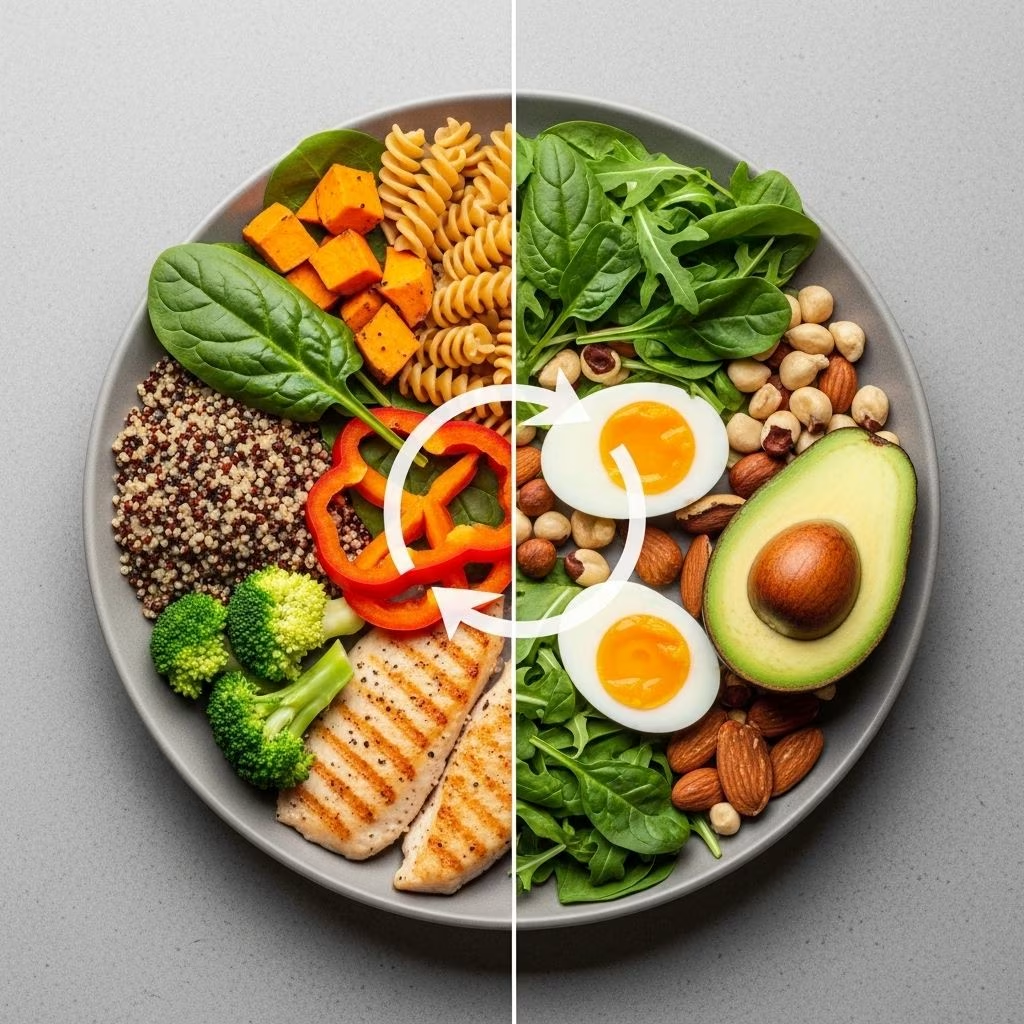
Should You Try Carb Cycling for Weight Loss?
Carb cycling has surged in popularity as a nutrition strategy among athletes, fitness enthusiasts, and those simply looking to shed excess weight. This approach alternates between high and low carbohydrate intake over specific time periods with the aim of harnessing the benefits of both worlds: optimal muscle fuel and fat burning potential. But do the results match the hype, and could this method work for you? Let’s break down the science, benefits, drawbacks, and expert advice on carb cycling for weight loss.
What Is Carb Cycling?
Carb cycling is a dietary approach in which you alternate your carbohydrate intake on a daily, weekly, or even monthly basis. Rather than eating the same amount of carbohydrates every day, you strategically plan periods of higher or lower carb consumption based on your activity levels and specific goals.
- High-carb days are typically matched with intense workouts or training to refuel muscle glycogen and support peak performance.
- Low-carb days are aligned with rest days or lighter activity, promoting fat burning as the body shifts to use stored fat for energy.
- The cycle can be as simple as alternating every other day, or as complex as several low, moderate, and high-carb days throughout the week.
This flexibility is a major reason for carb cycling’s appeal: it can be adapted to individual goals, preferences, and lifestyles.
How Does Carb Cycling Work?
When you eat fewer carbohydrates, your body is prompted to use more fat for energy. On the flip side, bringing carbs back into your diet—especially on intense training days—helps replenish muscle glycogen, support recovery, and maintain energy levels for strenuous activities.
- On low-carb days, the reduction in available glucose forces your body to mobilize fat as the primary energy source.
- On high-carb days, the extra carbohydrates are used to refill muscle glycogen stores, boost metabolism, and promote muscle recovery.
Calorie intake usually remains within a targeted range, although the macronutrient balance (carbs, proteins, fats) will shift based on the cycling schedule.
Can Carb Cycling Help You Lose Weight?
Carb cycling may support weight loss, primarily by helping you create and sustain a calorie deficit—the fundamental driver behind shedding pounds. Some people stick with carb cycling more easily than strict low-carb diets, since the periodic inclusion of higher-carb days provides psychological and physical relief .
- Studies have suggested that cycling carbs—in conjunction with an overall reduction in calories—can promote weight loss and help regulate body fat levels, especially when compared to diets that restrict carbs every day.
- The ability to pair carb intake with training days may allow dieters to maintain energy for exercise, which is important for metabolism and muscle retention.
Critically, though, losing weight while carb cycling still depends on overall calorie balance. Simply varying your carbs won’t directly yield fat loss unless you’re consuming fewer calories than you burn .
How to Carb Cycle
The details of a carb cycling routine can vary dramatically, but most plans share key features:
- Pick your cycle schedule: Many people choose a weekly approach, with three to four low-carb days, two to three moderate days, and one or two high-carb days aligned with their hardest workout sessions.
- Determine your daily carb target: On low-carb days, carb intake might be less than 50–100 grams. On high-carb days, it can exceed 150–250 grams, depending on size, gender, and training demands.
- Pair carbs with activity: Typically, the highest-carb days are scheduled for the most intense workouts to maximize muscle recovery and prevent energy dips.
- Balance your diet: Protein and healthy fat intake are generally kept steady throughout.
Here’s a sample schedule:
| Day | Carbohydrate Intake | Training Focus |
|---|---|---|
| Monday | High (e.g., 200g) | Heavy weights/cardio |
| Tuesday | Low (e.g., 50g) | Rest/light activity |
| Wednesday | Moderate (e.g., 120g) | Moderate training |
| Thursday | Low (e.g., 50g) | Rest/light activity |
| Friday | High (e.g., 200g) | Intensity/cardio |
| Saturday | Moderate (e.g., 120g) | Active recovery |
| Sunday | Low (e.g., 50g) | Rest |
This template is just a starting point; your ideal cycle may be different based on your goals and how your body responds.
Benefits of Carb Cycling
- Supports weight loss: By creating a calorie deficit and encouraging the body to burn fat, carb cycling can help reduce body fat.
- Preserves muscle mass: Strategic high-carb days help replace glycogen and may minimize muscle breakdown, especially important during fat loss phases.
- Improves exercise performance: Pairing high-carb intake with tough workouts can enhance performance, speed up recovery, and lower fatigue.
- Mental and psychological relief: Frequent inclusion of higher-carb meals can make dieting feel less restrictive, boosting adherence and motivation.
- Potential benefits for certain chronic conditions: Some evidence suggests that carb cycling may help manage symptoms associated with insulin resistance and type 2 diabetes, though more research is needed.
Is Carb Cycling Effective for Athletes?
Carb cycling originated in the athletic community, particularly among endurance athletes and competitive bodybuilders. It’s often used to enhance performance, manipulate body composition, and time nutrients around training.
- On days of intense training, loading up on carbs can provide sufficient fuel and replenish glycogen stores for strength and stamina.
- Conversely, lower carb intake on off days prompts fat utilization and can help maintain or reduce body weight.
- However, experts note that if carb intake is restricted too much around training, it could hinder performance, recovery, and even motivation.
For athletes, tailoring the timing and amount of carbohydrates to their performance needs is crucial. Too little can sap energy and lead to suboptimal results, while too much could create unwanted fat gain.
Potential Problems and Risks of Carb Cycling
- Strictness and complexity: Carb cycling can be complicated to track and implement, leading to confusion and inconsistent adherence.
- Nutrient deficiencies: Extended or poorly planned low-carb days may reduce fiber, vitamins, and minerals from fruits, whole grains, and legumes.
- Negative side effects: Some individuals experience fatigue, irritability, digestive upset, or mental fog on very low-carb days.
- Potential for disordered eating: Constantly manipulating macro intake may be triggering for those with a history of eating disorders or obsessive dietary behaviors.
- Not sustainable long-term: Most experts caution that carb cycling is best used as a short-term tool rather than a permanent lifestyle solution.
Who Should Avoid Carb Cycling?
- Individuals with a history of disordered eating should avoid carb cycling due to potential risk for relapse.
- People with existing metabolic or endocrine disorders, such as diabetes, should only attempt carb cycling under the supervision of a healthcare provider.
- Pregnant or breastfeeding women require stable nutrition for fetal and infant health; restricting carbs may be harmful in these cases.
- Anyone taking medication that is influenced by carbohydrate intake, such as insulin or other blood sugar–regulating drugs, should consult a medical professional before changing their diet.
Tips for Cycling Carbs Successfully
- Start simple: Alternate high and low-carb days based on your workout routine. For example, schedule high-carb days for heavy training and low-carb days for rest.
- Plan your meals in advance: Tracking macronutrients might help you succeed. Many mobile apps can assist with this.
- Focus on high-quality carbs: Choose whole grains, fruits, and vegetables for your high-carb days to maximize nutrients and minimize processed sugar intake.
- Don’t skip protein and healthy fats: Keeping these macronutrients stable ensures you maintain energy and protect muscle mass on lower-carb days.
- Monitor your body’s response: Track your mood, athletic performance, and weight changes to make necessary adjustments.
- Consider expert guidance: A registered dietitian or sports nutritionist can help personalize your plan and avoid pitfalls.
Sample Carb Cycling Meal Plan
| Type of Day | Example Breakfast | Example Lunch | Example Dinner |
|---|---|---|---|
| High-Carb Day | Oatmeal with berries and almond butter | Brown rice bowl with chicken and roasted veggies | Whole grain pasta with lean beef and side salad |
| Low-Carb Day | Egg scramble with spinach and feta | Grilled salmon over leafy greens with olive oil | Turkey and avocado lettuce wraps with steamed broccoli |
Frequently Asked Questions (FAQs)
What makes carb cycling different from other low-carb diets?
Carb cycling is less restrictive and more flexible than traditional low-carb diets. It includes planned high-carb and low-carb days, allowing you to reap the benefits of both approaches while minimizing the downsides of chronic restriction.
How quickly can I see results with carb cycling?
Results depend on your overall calorie intake, activity level, and adherence to the plan. Some experience changes in weight and energy within a few weeks, but sustainable changes typically require several months.
Is carb cycling safe for everyone?
Carb cycling isn’t recommended for everyone. Those with a history of eating disorders, metabolic diseases, or pregnant individuals should avoid it or seek medical advice first.
Do I have to count calories or macros when carb cycling?
Tracking macros can enhance results and prevent accidental overeating. However, some people find success by simply focusing on whole foods and adjusting carbs based on activity.
Will I lose muscle by reducing carbs on rest days?
If you maintain adequate protein intake and don’t drop calories excessively, you should be able to preserve muscle mass through high-carb training days and sufficient recovery.
The Bottom Line: Is Carb Cycling Right for You?
Carb cycling offers an intriguing combination of weight management, improved performance, and greater dietary flexibility. If extremes of strict low-carb or high-carb eating have failed you in the past, cycle-based eating might be a viable alternative—provided you plan carefully, listen to your body, and consult an expert when in doubt. As with any nutrition strategy, sustainability and an overall healthy lifestyle are key to lasting results.
References
- https://www.bodi.com/blog/what-to-know-about-carb-cycling-for-weight-loss
- https://www.healthline.com/nutrition/carb-cycling-101
- https://www.qntsport.com/en/blog/post/carb-cycling-effective-method-lose-fat-build-muscle.html
- https://www.todaysdietitian.com/newarchives/0718p10.shtml
- https://www.medicalnewstoday.com/articles/carb-cycling
- https://health.clevelandclinic.org/what-to-eat-if-youre-carb-cycling
- https://www.lumen.me/journal/lifestyle/carb-cycling-for-weight-loss-a-beginner-s-guide
- https://pmc.ncbi.nlm.nih.gov/articles/PMC2951044/


