


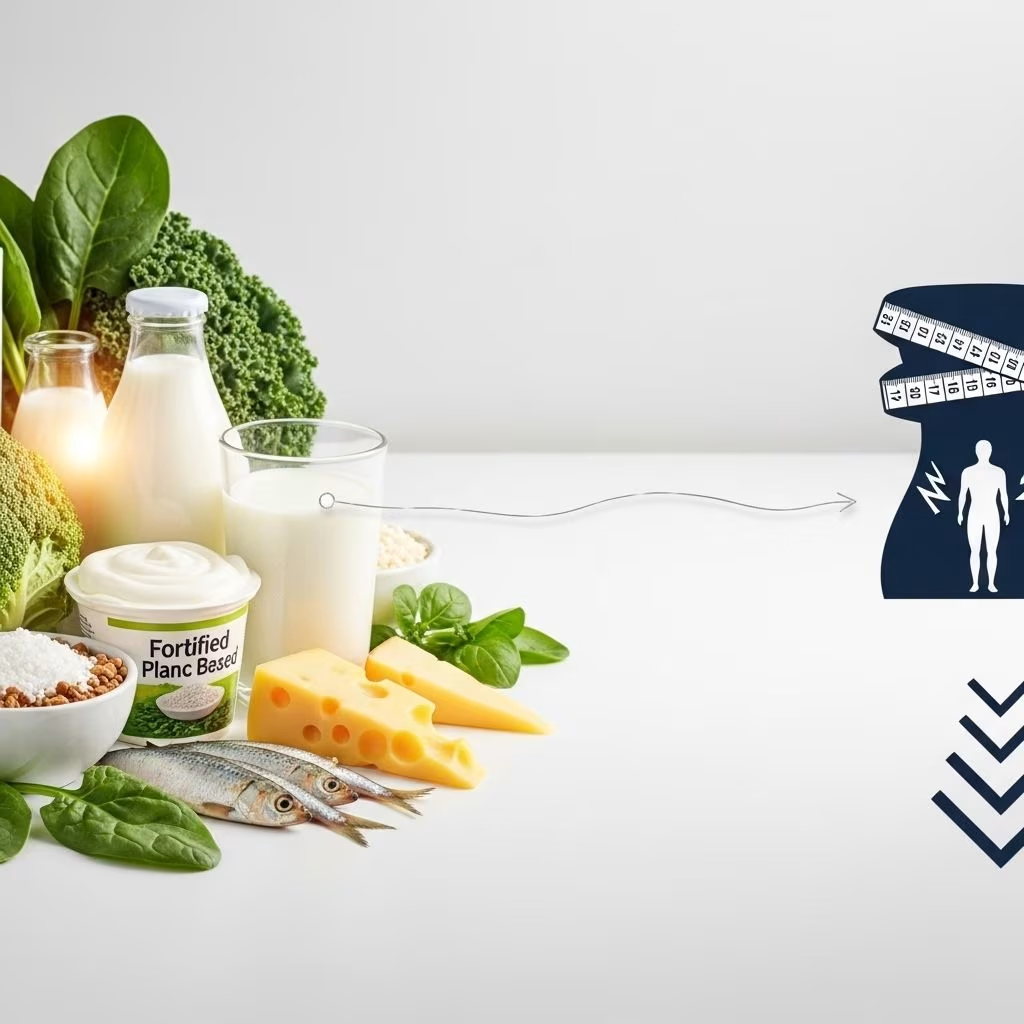
Calcium and Weight Loss: The Untold Connection
Calcium is widely known as a mineral critical for bone health, but growing research suggests it plays a powerful role in weight loss and metabolic health as well . For those seeking to shed pounds and improve overall health, understanding this connection can unlock new dietary strategies for lasting results. This article explores the science, reveals the best sources, and answers common questions around calcium and weight management.
How Calcium Influences Weight Loss
Research over the past decade has uncovered compelling links between calcium intake and weight regulation. A number of intervention trials and studies weigh in on how dietary calcium, and sometimes calcium combined with vitamin D, can accelerate fat loss—especially in people who consume little calcium or are overweight .
- Appetite Regulation: Calcium deficiency may trigger hunger signals, causing overeating. Sufficient calcium intake appears to help curb appetite .
- Fat Breakdown: Higher calcium consumption has been shown to boost fat breakdown and reduce absorption of dietary fat .
- Visceral Fat Loss: People supplementing with calcium (sometimes paired with vitamin D) during calorie restriction tend to lose more body fat and visceral fat—a dangerous form associated with metabolic disease—compared to those who don’t .
- Metabolic Health: Higher calcium intake may improve metabolic profiles, helping manage glucose and insulin responses, though results are sometimes mixed and more studies are needed .
Key Studies Supporting Calcium for Weight Loss
Several clinical trials and observational studies have detailed the impact of calcium, both alone and in combination with vitamin D, on weight management.
- A randomized, controlled trial showed calcium plus vitamin D supplementation led to significantly greater fat and visceral fat loss compared to calorie restriction alone in overweight adults with low calcium intakes .
- An observational study reported that calcium-deficient women who consumed calcium supplements lost four times more weight than those who did not .
How Calcium Deficiency Can Undermine Your Diet
When the body lacks calcium, it may compensate by triggering hunger, pushing you to eat more foods that contain the mineral . This process can undermine weight loss efforts and lead to increased calorie intake.
Common signs of calcium deficiency:
- Frequent hunger and cravings, especially for dairy or leafy greens
- Fatigue and muscle cramps
- Poor bone health over time
Considering most adults (particularly women) in Western diets fall short of recommended daily calcium intake, the risk for deficiency—and its impact on weight loss—remains high .
Best Dietary Sources of Calcium
While dairy is a well-recognized source, a variety of whole foods can deliver ample calcium without compromising your weight loss goals. Dietitians recommend focusing on foods that provide additional nutrients, promote satiety, and support metabolic health .
- Low-Fat Yogurt: Delivers up to 44% of daily calcium needs per cup, plus protein and probiotics for gut health .
- Cottage Cheese (Low-Fat): Rich in slow-digesting casein protein, supports appetite control and provides satiety between meals .
- Milk: A glass of low-fat milk supplies around 300 mg of calcium, making it easy to reach your goals.
- Cheese: Many varieties (especially hard cheeses) pack well over 200 mg per ounce—just watch portion sizes for calories.
- Dark Leafy Greens: Options like collard greens, spinach, and kale are excellent for those who avoid dairy.
- Beans: White beans provide 162 mg per cup, along with fiber and phytonutrients for healthy digestion and blood sugar control .
- Fortified Cereals: Many breakfast cereals are fortified with calcium, offering a convenient way to boost intake, especially for those with dietary restrictions .
- Tofu: A plant-based source high in calcium when made with calcium salts.
- Almonds & Chia Seeds: Almonds provide about 76 mg in a small handful, while chia seeds add a punch of 179 mg per ounce .
| Food | Calcium Content (per serving) | Key Benefits |
|---|---|---|
| Plain Yogurt (1 cup) | 448 mg | Protein, probiotics, bone health |
| Low-Fat Cottage Cheese (1 cup) | 227 mg | Satiety, appetite control |
| Milk (1 cup) | 300 mg | Bone health, easy absorption |
| White Beans (1 cup cooked) | 162 mg | Fiber, antioxidants |
| Chia Seeds (1 oz) | 179 mg | Omega-3s, protein |
| Almonds (23 nuts) | 76 mg | Healthy fats, fiber |
| Fortified Cereal | Varies (100–400 mg) | Convenience, easy absorption |
How Much Calcium Do You Need?
The Recommended Dietary Allowance (RDA) for adults varies by age and sex:
- Women aged 19–50: 1,000 mg per day
- Women over 50: 1,200 mg per day
- Men aged 19–70: 1,000 mg per day
- Men over 70: 1,200 mg per day
Meeting these guidelines supports both skeletal and metabolic health, reducing risks for osteoporosis, obesity, and related chronic diseases .
Should You Consider Calcium Supplements?
Not everyone can meet calcium needs through diet alone, particularly those with lactose intolerance, allergies, or restrictive eating patterns. In such cases, supplements could help bridge the gap. However, experts advise that calcium from food sources is generally better absorbed and utilized by the body .
- Discuss supplementation with a healthcare provider, especially if you have kidney disease, a history of kidney stones, or are on medications affecting calcium absorption.
- Look for supplements combining calcium with vitamin D, which aids absorption and further supports fat loss.
- Don’t exceed recommended dose—excess calcium can harm renal function and increase risk of heart disease.
Potential Side Effects of Excess Calcium
- Digestive upset
- Kidney stones
- Interference with iron and zinc absorption
Expert Tips for Boosting Calcium Intake—Without Weight Gain
Weight loss doesn’t have to mean missing out on calcium. Use these strategies to boost your calcium for fat loss and bone strength:
- Choose low-fat dairy options to reduce calories but provide ample calcium and protein.
- Incorporate legumes and leafy greens often—try white beans in salads or collard greens sautéed as a side.
- Add chia seeds and almonds to breakfast bowls, yogurt, or oatmeal for a plant-based boost.
- Include fortified foods like cereals or plant-based milks, especially if following a vegan or dairy-free diet.
- Spread calcium intake throughout the day—absorption is improved when consumed in moderate amounts.
Frequently Asked Questions (FAQs)
Q: Can calcium supplements help me lose weight?
A: Clinical trials show calcium (especially when combined with vitamin D) may help you lose additional fat and visceral fat during calorie restriction, but the effect on total weight loss is modest. Results may be stronger in those with low baseline calcium intakes .
Q: Are certain calcium-rich foods better for weight loss?
A: Yes, low-fat dairy, leafy greens, beans, and seeds provide calcium alongside protein, fiber, and micronutrients that support satiety, metabolic health, and weight management .
Q: Is it possible to get too much calcium?
A: Exceeding recommended intakes (usually over 2,000–2,500 mg/day) may increase risk of kidney stones, interfere with iron and zinc absorption, and (rarely) contribute to heart disease. Always consult your provider before supplementing heavily .
Q: Who benefits most from increasing calcium intake?
A: People deficient in calcium, women after menopause, and those seeking to lose weight around the abdomen gain the greatest benefits from adequate intake .
Q: Does calcium help control appetite?
A: Research suggests the brain may trigger hunger if calcium is low; increasing intake can reduce cravings and improve fullness signals .
SEO Tips: How to Find and Enjoy Calcium-Rich Foods
- Read nutrition labels for calcium content—look for at least 10% DV per serving in foods for a boost.
- Explore recipes featuring yogurt, cheese, beans, and greens for creative, satisfying meals.
- Try overnight oats with chia seeds, almond butter, and fortified milk for a high-calcium breakfast.
- Use plant-based milk alternatives when needed; many are fortified with calcium and vitamin D.
Conclusion: Calcium—Your Underrated Ally for Lasting Weight Loss
Calcium is much more than a bone-building mineral: it’s a key regulator of appetite, fat metabolism, and metabolic health. Aim to meet daily guidelines through a diverse, nutrient-rich diet, and consider supplements only when necessary. For lasting weight loss, balance calcium-rich foods with calorie control, regular exercise, and overall healthy habits.
References
- https://pmc.ncbi.nlm.nih.gov/articles/PMC3599592/
- https://www.prevention.com/weight-loss/a20429587/the-magic-mineral-for-weight-loss/
- https://www.prevention.com/food-nutrition/a64624906/best-calcium-rich-foods/
- https://www.prevention.com/weight-loss/a20457751/calcium/
- https://www.prevention.com/health/a65812871/vitamins-to-take-after-age-40/
- https://www.prevention.com/health/a44284752/physical-activity-bone-density-study/
- https://www.prevention.com/weight-loss/a65888760/turmeric-curcumin-helps-weight-loss-study/
- https://www.prevention.com/health/a20492466/know-your-bones-and-how-to-take-care-of-them-at-60/


