


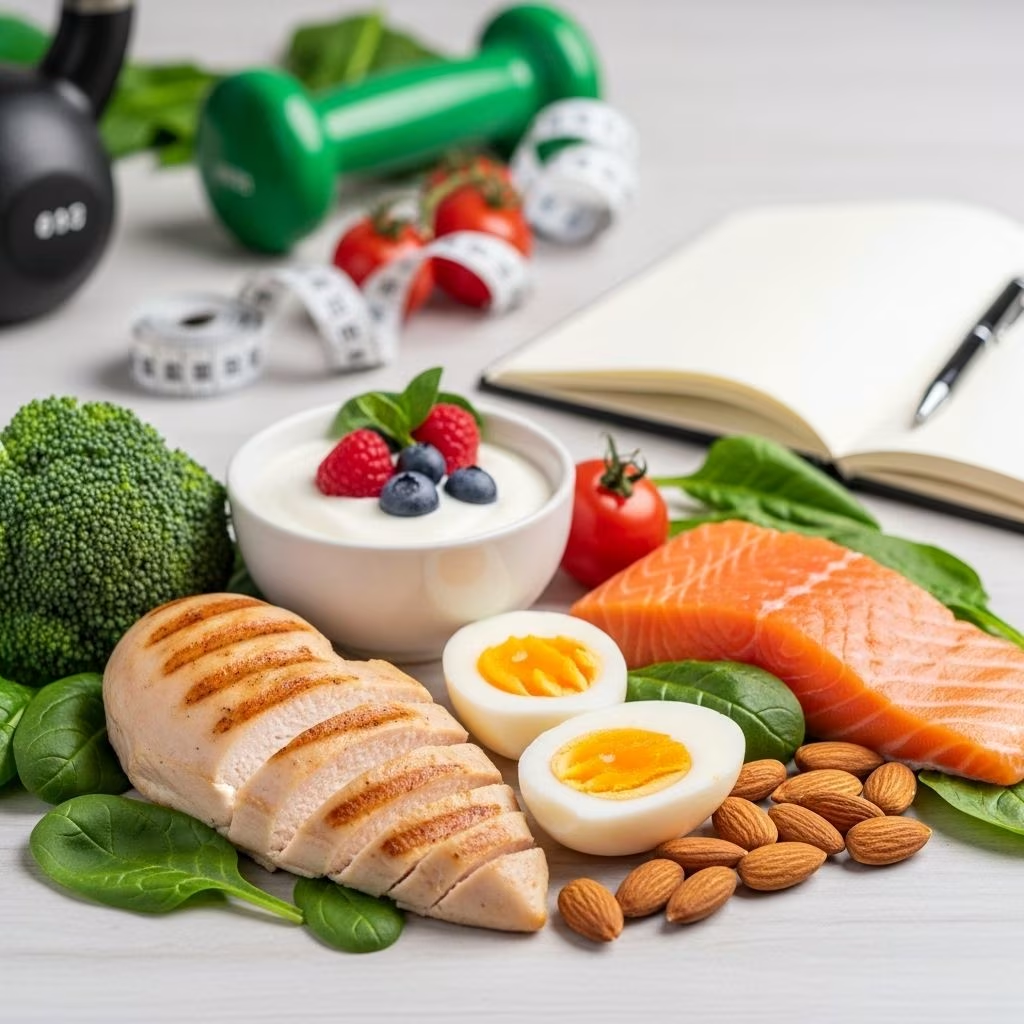
High-Protein Diets and Weight Loss: How Protein Supports Fat Loss and Health
For many people seeking effective weight loss strategies, a high-protein diet has become a popular and scientifically backed option. This article reviews the evidence, explores the mechanisms behind protein’s effects, breaks down practical ways to increase protein intake, and addresses common questions and concerns.
What Is a High-Protein Diet?
A high-protein diet is defined as one in which the proportion of calories coming from protein is significantly higher than the recommended dietary allowance (RDA), typically more than 15–25% of total calories, or more than 0.8 grams per kilogram of body weight per day.
- Protein sources: Meat, poultry, fish, eggs, dairy, legumes, nuts, and certain grains.
- Goal: Support satiety, enhance fat loss, and preserve muscle mass during weight loss.
Evidence: Does High-Protein Really Promote Weight Loss?
Numerous clinical trials have found that high-protein diets are effective for reducing body weight and fat mass while helping to preserve fat-free mass (lean muscle), especially when compared to standard or low-protein diets. Several studies lasting 6–12 months demonstrate these effects are sustainable, with high-protein diets not only assisting initial weight loss but also helping prevent weight regain — a common challenge after losing weight.
Importantly, research shows no adverse health effects in healthy adults, such as harm to bone density or kidney function, from increasing protein intake within reasonable limits. Longer-term studies (over 1 year) are needed to confirm safety and efficacy for extended use.
| Benefit | High-Protein Diet | Standard Diet |
|---|---|---|
| Weight Loss (6–12 months) | Often greater | Moderate or less |
| Fat Loss | Improved | Less pronounced |
| Muscle Preservation | Significantly better | More muscle loss |
| Appetite Control | Enhanced | Lower effect |
| Long-term Safety (Healthy Adults) | No adverse effects (6–12 months) | Safe |
How Does Protein Help With Weight Loss? Scientific Mechanisms Explained
Protein’s impact on weight loss is multi-factorial. It affects appetite, metabolism, and body composition through the following mechanisms:
1. Appetite and Satiety Hormones
- Reduces hunger: High-protein diets lower levels of ghrelin, the hormone that increases appetite, while raising levels of hormones like glucagon-like peptide-1 (GLP-1), cholecystokinin (CCK), and peptide YY, all of which promote satiety.
- Helps feeling full: Satiety is enhanced after consuming protein-rich meals, so you’re likely to eat fewer calories overall.
2. Increased Calorie Burning: Diet-Induced Thermogenesis
- Protein’s thermic effect: Digesting and metabolizing protein requires more energy (20–30% of protein calories burned during digestion) compared to carbohydrates (5–10%) or fats (0–3%).
- Higher metabolic rate: This increased energy expenditure can help offset calorie intake and contribute to fat loss.
3. Muscle Preservation During Weight Loss
- Reduces muscle loss: By protecting lean mass, protein ensures your body burns more calories at rest, since muscle is metabolically active tissue.
- Supports resting energy expenditure: Preserving muscle helps prevent the metabolic slowdown often seen in diets.
4. Regulation of Blood Sugar and Cravings
- Increased gluconeogenesis: Higher protein intake boosts the liver’s production of glucose from amino acids, helping stabilize blood sugar levels.
- Reduced cravings: Steady blood sugar can decrease cravings and energy crashes, promoting overall diet adherence.
Practical Tips: How to Get More Protein
Increasing protein at every meal doesn’t have to be complicated. Here’s how to implement this strategy:
- Start breakfast with eggs, Greek yogurt, cottage cheese, or a protein smoothie.
- Choose lean meats, fish, beans, and tofu for lunch and dinner.
- Snack on nuts, seeds, or jerky instead of high-carb options.
- Consider adding a quality protein powder to shakes or recipes if needed.
- Replace some starchy foods (like bread, rice, and pasta) with protein-rich options or vegetables.
Easy Ways to Add Protein Without Overdoing Calories
- Grill, bake, or roast proteins for extra flavor with minimal added fat.
- Pair protein with fiber-rich vegetables for a filling, nutrient-packed meal.
How Much Protein Should You Eat for Weight Loss?
While needs vary, research supports consuming 1.2 to 1.6 grams of protein per kilogram of body weight daily for most people targeting weight loss (about 20–30% of total daily calories). For a 150-pound person (~68 kg), that’s about 82–109 grams per day.
Your individual requirements should be tailored to age, activity level, and health status. Athletes or highly active individuals may require slightly higher intakes.
| Weight (kg) | Recommended Protein/Day (g) |
|---|---|
| 60 | 72–96 |
| 70 | 84–112 |
| 80 | 96–128 |
Precautions and Considerations
- Healthy adults: High-protein diets are generally safe for those without kidney disease or other contraindications.
- Kidney concerns: Individuals with pre-existing kidney conditions should consult a healthcare provider before increasing protein.
- Bone health: Studies indicate no negative impact on bone density from high-protein intake over moderate periods.
- Variety counts: Include different protein sources to ensure micronutrient variety and avoid excess saturated fat from processed meats.
What Foods Are High in Protein?
- Animal sources: Chicken breast, turkey, beef, lean pork, fish (salmon, tuna), eggs, dairy (Greek yogurt, cottage cheese, milk).
- Plant sources: Lentils, chickpeas, black beans, tofu, tempeh, edamame, quinoa, nuts (almonds, peanuts), seeds (pumpkin, chia).
| Food | Protein (g) per Serving |
|---|---|
| Chicken breast (100g) | 31 |
| Egg (1 large) | 6 |
| Lentils (1 cup cooked) | 18 |
| Greek yogurt (170g) | 17 |
| Quinoa (1 cup cooked) | 8 |
Sample High-Protein Meal Plan
- Breakfast: Scrambled eggs with spinach and feta, whole grain toast.
- Lunch: Grilled chicken salad with mixed greens, cherry tomatoes, and chickpeas.
- Snack: Greek yogurt with berries and chia seeds.
- Dinner: Baked salmon, quinoa, roasted broccoli.
Frequently Asked Questions (FAQs) About High-Protein Diets
Q: Does eating too much protein cause kidney damage?
A: In healthy adults, high-protein diets do not cause kidney damage. Those with pre-existing kidney disease should exercise caution and consult their doctor.
Q: Will a high-protein diet help prevent weight regain?
A: Yes, increased satiety and a higher metabolic rate due to high-protein intake may help prevent weight regain after dieting.
Q: Can a high-protein diet improve muscle while losing fat?
A: High-protein intake helps preserve muscle mass during weight loss, supporting better body composition compared to low-protein diets.
Q: Are plant-based protein sources as effective as animal sources?
A: Plant-based proteins can be effective as part of a varied, balanced diet, although animal sources generally provide more complete amino acid profiles. Pairing different plant sources can ensure sufficiency.
Q: How can I make my high-protein diet sustainable?
A: Focus on whole foods, mix animal and plant sources, and avoid highly processed meats. Plan meals and introduce variety to avoid boredom and ensure nutritional balance.
Conclusion: The Takeaway on Protein and Weight Loss
Scientific research confirms that high-protein diets can significantly support weight loss, reduce body fat, control appetite, and help maintain muscle mass—making them an effective tool for many people. As with any dietary change, individual needs should be considered, and variety is key for long-term health and adherence.
Consult your healthcare provider or registered dietitian before starting substantial diet changes, particularly if you have medical conditions or unique nutritional requirements.
References
- https://pmc.ncbi.nlm.nih.gov/articles/PMC7539343/
- https://pubmed.ncbi.nlm.nih.gov/32699189/
- https://www.goodrx.com/well-being/diet-nutrition/is-protein-good-for-weight-loss
- https://www.healthline.com/nutrition/how-protein-can-help-you-lose-weight
- https://www.webmd.com/diet/high-protein-diet-weight-loss
- https://www.mayoclinic.org/healthy-lifestyle/nutrition-and-healthy-eating/expert-answers/high-protein-diets/faq-20058207
- https://medicine.washu.edu/news/high-protein-diet-curbs-metabolic-benefits-weight-loss/
- https://www.abbott.com/corpnewsroom/nutrition-health-and-wellness/why-protein-is-a-key-nutrient-in-your-weight-loss-journey.html
- https://www.bbcgoodfood.com/health/nutrition/spotlight-high-protein-diets


