


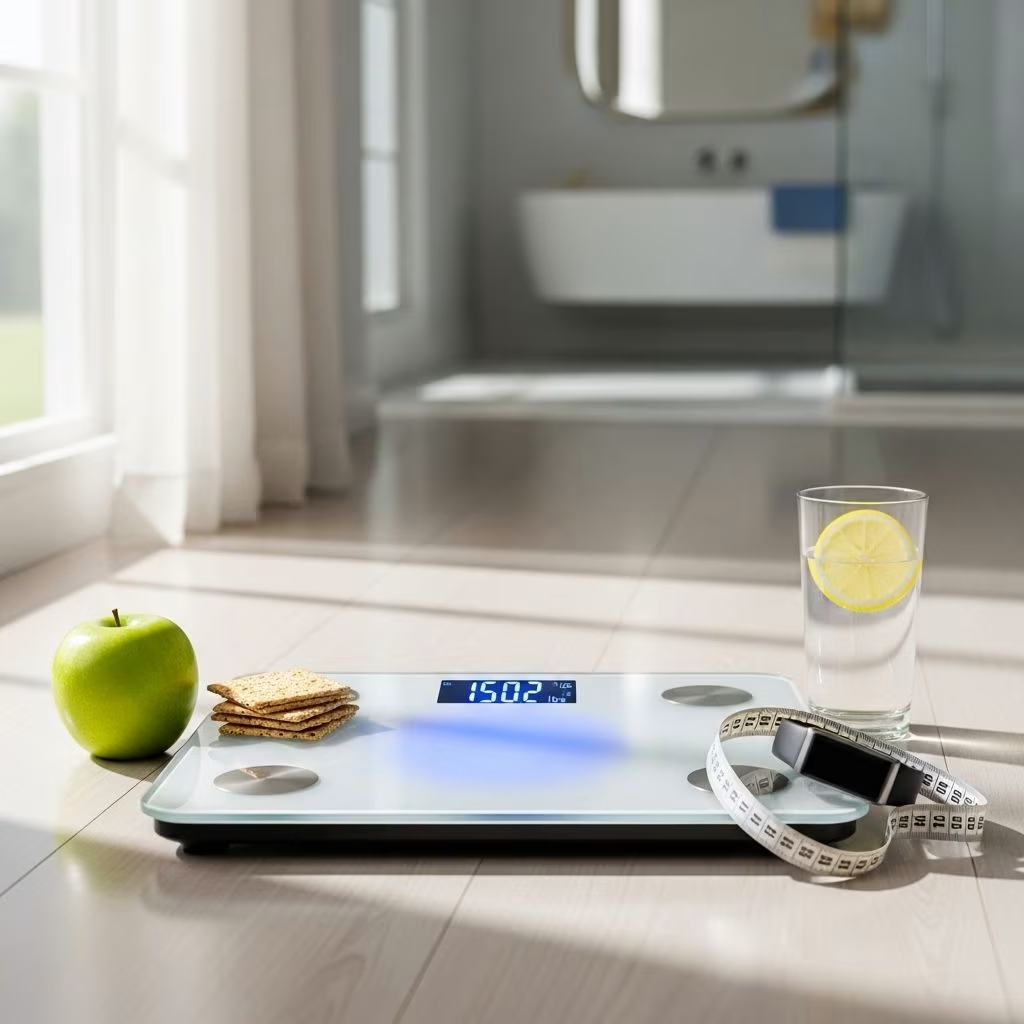
Digital Scales: Your Partner in Precision Weight Loss and Health
Tracking your weight is a cornerstone of any wellness or weight loss strategy. Yet modern digital scales now go far beyond simply displaying pounds or kilograms—they provide detailed body composition analysis, integrate with digital apps, and deliver precise, actionable insights to empower your health journey. This article explores how digital scales work, their numerous benefits, tips for choosing the best model, and strategies to make the most of self-weighing for long-term results.
What Are Digital Scales?
Digital scales are devices designed to measure body weight (and often much more) using electronic sensors and advanced algorithms. Unlike traditional mechanical scales, which rely on springs and dials, digital scales provide quick, easy-to-read results and are typically more accurate. Many recent models also assess body composition, estimate fat percentage, muscle mass, and even sync data automatically to your smartphone or fitness app for seamless tracking.
Key Features of Modern Digital Scales
- High-precision weight measurement: Sensitive sensors deliver consistent, reliable weight readings.
- Body composition analysis: Many scales estimate body fat, muscle mass, bone density, and water percentage using bioelectrical impedance analysis (BIA).
- Bluetooth or Wi-Fi connectivity: Automatically transfer data to health and fitness apps for long-term tracking.
- Multiple user profiles: Track data for different people in the same household, each with personalized stats.
- Visual displays and design: Sleek, backlit displays make results easy to read.
- Smart features: Integration with popular apps, goal setting, and progress tracking.
Why Track Your Weight?
Regular weight tracking provides powerful feedback on the effectiveness of your lifestyle choices, whether you’re aiming for weight loss, maintenance, or simply staying healthy. Research consistently finds that self-monitoring with frequent weigh-ins is linked to better weight management outcomes. The act of weighing yourself can increase awareness, keep you motivated, and help you notice trends before small gains become bigger hurdles.
Benefits of Digital Scales vs. Analog Scales
| Feature | Digital Scale | Analog Scale |
|---|---|---|
| Precision | More precise (0.1–0.2 lbs) | Usually less precise (0.5 lbs or more) |
| Body Composition | Measures fat, muscle, water, more | Not available |
| Connectivity | App integration, multiple users, data tracking | None |
| Display | Digital, backlit, easy to read | Dial, harder to read with less precision |
How Digital Scales Work: The Science Behind the Numbers
Digital bathroom scales use advanced electronic load cells to detect changes in weight with high sensitivity. For added functionality, body composition scales employ bioelectrical impedance analysis (BIA): a safe, undetectable electrical current passes through the body, measuring resistance. Because muscle, fat, and water conduct electricity differently, the scale can estimate the percentage of these tissues in the body, giving a much broader view of your health than weight alone.
What Can Digital Scales Measure?
- Body weight
- Body fat percentage
- Muscle mass
- Bone mass
- Body water percentage
- BMI (Body Mass Index)
These features provide an integrated picture of your health, especially helpful for people looking to lose fat while maintaining or gaining muscle mass.
Digital Scales and Weight Loss Success
Numerous studies show that those who weigh themselves regularly see greater weight loss and are better able to maintain their results. Digital scales, especially those connected to an app or digital health program, make it easier to self-monitor because the process is streamlined and data is tracked automatically. One observational study reported that participants who were provided with a digital scale weighed in about three times more often than those without a scale—and stayed engaged in their weight loss program for nearly two months longer on average. This increased engagement and self-monitoring is strongly linked to better outcomes.
Accountability and Motivation
- Immediate feedback: See the impact of daily choices—food, hydration, exercise—on your body.
- Data-driven goals: Set measurable targets and track progress visually over time.
- Pattern recognition: Identify trends or habits that lead to weight fluctuations.
- More actionable than annual checkups: Daily or weekly monitoring helps course-correct quickly.
Body Composition: Why the Number on the Scale Isn’t Everything
It’s important to remember that weight is just one indicator of health. Body composition metrics—like fat percentage, muscle mass, and bone density—provide deeper insights. For example, you could stay the same weight but lose fat and gain muscle, which is a positive outcome even if the scale’s number doesn’t drop dramatically. This is where digital scales with BIA capabilities prove especially valuable for those focused on fitness, strength, or overall wellbeing, not just lower numbers.
Understanding Key Metrics
- Body Fat Percentage: High levels are associated with increased risk for heart disease, diabetes, and other issues. A healthy range varies by age and sex.
- Muscle Mass: Higher muscle mass improves metabolism, function, and reduces injury risk.
- BMI: While useful, BMI does not differentiate between fat and muscle and should not be the sole measure of health.
How to Choose the Best Digital Scale
With a wide range of digital scales available, consider these critical factors to find the model that fits your needs best:
- Accuracy: Look for scales with consistent, reliable readings (±0.1–0.2 lbs); read reviews from verified users.
- Body composition capabilities: Choose a model that measures the metrics most important to you (such as fat %, muscle %, water %, bone mass).
- Connectivity and app ecosystem: Does the scale sync with your preferred health tracking apps (Apple Health, Google Fit, Fitbit, etc.)?
- Multiple user profiles: Useful for families or households with more than one person tracking their data.
- Display and design: Easy-to-read interface and durable, attractive design.
- Battery life and power: Longer battery life minimizes hassle.
- Data privacy: Ensure health data is secure, especially if transmitted to the cloud.
Popular Features in Top Digital Scales
- Automatic user recognition
- Pregnancy and athlete modes for tailored readings
- Goal setting and reminders
- Trend visualization and data export options
Tips for Weighing Yourself Successfully
To get the most accurate and meaningful results, follow these best practices:
- Use the scale at the same time each day—ideally in the morning, after using the bathroom and before eating or drinking.
- Wear the same clothing, or none at all for consistency.
- Place your scale on a hard, flat surface (tile or hardwood; avoid carpet).
- Calibrate your scale regularly if required by the manufacturer.
- Stand still, with weight evenly distributed.
- Aim for consistency: Single daily readings matter less than seeing a clear trend over weeks and months.
Common Reasons for Inaccurate Readings
- Improper calibration: Always follow manufacturer calibration guidelines, especially after moving the scale.
- Uneven surfaces: Place scales on level ground to avoid skewed readings.
- Temperature, humidity, and vibrations: Environmental factors can affect delicate sensors.
- Low batteries: Replace batteries if the display appears faint or erratic readings occur.
- Standing position: Shifting weight or not standing still can distort measurements.
Digital Scales and Data Security: What You Should Know
With health data increasingly moving online, data privacy has become a top concern. Choose a reputable scale brand that employs robust encryption and secure cloud storage for your biometric data. Check the privacy settings in connected apps, and only share data with trusted healthcare providers when necessary.
Integrating Digital Scales With Your Health Plan
Digital scales are most effective when used as part of a broader self-monitoring and wellness plan. Many digital health programs, telemedicine offerings, and insurance wellness plans now provide connected scales to members for free or at a discount, knowing they promote engagement, retention, and improved outcomes. Keeping health metrics visible and actionable is a proven way to support lasting change. Use your data alongside advice from medical professionals, fitness trainers, and nutritionists to tailor your plan and celebrate gains in health, not just weight loss.
Frequently Asked Questions (FAQs)
Q: How often should I weigh myself for best results?
A: Most research suggests daily or weekly weigh-ins for consistent self-monitoring and best long-term outcomes. The key is consistency and focusing on trends, not daily fluctuations.
Q: Are smart digital scales accurate?
A: High-quality digital scales are generally very accurate for weight, though measurements can occasionally vary due to calibration or environmental factors. Body composition estimates are helpful for tracking trends, but may not be as precise as laboratory methods.
Q: Can others in my home use the same scale?
A: Yes, most smart digital scales support multiple user profiles and auto-recognize each user for personalized data tracking.
Q: Are digital scales safe to use for people with pacemakers?
A: Body composition features use a small, harmless electric current, but people with implanted medical devices should consult their healthcare provider before use.
Q: Do digital scales help with long-term weight loss and maintenance?
A: Studies show that regular self-weighing, supported by digital scales and wellness apps, improves success with both weight loss and long-term maintenance by promoting accountability and awareness.
Q: How should I interpret my body fat or muscle readings?
A: Use these metrics to watch for trends over time. Temporary changes are normal, so focus on overall direction, and always consult with healthcare or fitness professionals for interpretation or concerns.
Takeaway: Empower Your Health with Smart Tracking
Digital scales are more than just gadgets—they provide ongoing motivation, in-depth analysis, and real-world accountability for anyone pursuing better health or weight management. By accurately tracking not only pounds but body composition, and syncing your progress to the digital world, these smart devices amplify the effect of your effort. Make daily monitoring a simple, rewarding habit and transform your numbers into lifelong wellness improvements.
References
- https://pmc.ncbi.nlm.nih.gov/articles/PMC9938433/
- https://drkumo.com/parameters-in-drkumo-digital-scale/
- https://www.scalesplus.com/blog/why-do-digital-scales-give-different-readings-10-reasons-for-inaccurate-or-fluctuating-weights/
- https://www.prevention.com/weight-loss/a20441875/digital-scales/
- https://www.prevention.com/weight-loss/a20492165/what-happens-when-you-stop-weighing-yourself/
- https://www.prevention.com/weight-loss/a20504464/track-your-weight-loss-without-a-scale/
- https://www.prevention.com/weight-loss/diets/a60578947/how-to-lose-weight-fast-safely/
- https://pmc.ncbi.nlm.nih.gov/articles/PMC4380831/
- https://www.prevention.com/weight-loss/
- https://www.ahealthcare.com/blog/en/digital-scales-and-weight-loss/


