


Is Your Snacking Habit Sabotaging Your Weight Loss?
Losing weight doesn’t mean enduring endless hunger or battling cravings all day. A common myth is that carving out fat and eating smaller, more frequent mini-meals is the golden ticket to slimming down. Yet for many, this strategy backfires—resulting in higher calorie intake and increased hunger, setting you up for potential binge eating. This guide delves into the science and practice of meal planning and snacking, revealing which strategies help you curb appetite, feel satisfied, and lose weight effectively.
Understanding Caloric Balance: The Heart of Weight Loss
To shed pounds, you must burn more calories than you consume. The structure of your eating—how many meals and snacks you have and what they’re made of—can transform your weight loss experience.
The key: finding balance among calories, macronutrients (fat, protein, carbs), and fiber to keep your body energized and your appetite in check.
Meal Plan Comparison: Snacking vs. Three Meals a Day
Let’s put two popular approaches under the microscope:
| Approach | Sample Day | Calories | Fat (g) | Fiber (g) | Pros | Cons |
|---|---|---|---|---|---|---|
| All-Day Snacking |
| 1,926 | 21 | 15 | Frequent small meals curb some appetite | High calorie, low fat/protein—may leave you hungry |
| Three Meals a Day |
| 1,500 | 42 | 35 | Satisfying, balanced, more fiber and protein; fewer calories | Requires meal prep and planning |
The bottom line: Larger, balanced meals with protein, fat, and fiber promote satiety with fewer calories than frequent low-fat, high-carb snacks. This approach makes sticking to your weight loss plan easier, as you won’t feel deprived or tempted to binge later in the day.
How Snacks Affect Hunger, Satisfaction, and Weight Loss
Healthy snacks can be a strategic tool, but the type of snack and the timing is crucial. Processed, carbohydrate-heavy snacks (like crackers and fat-free muffins) may provide a quick boost of energy, but often lead to blood sugar swings and renewed hunger. In contrast, snacks with a blend of protein, fiber, and healthy fats provide lasting satisfaction and stable energy.
- Protein helps control appetite and preserves muscle mass during weight loss.
- Fiber slows digestion, keeps you full, and supports gut health.
- Healthy fats, in moderation, help you feel satiated and aid nutrient absorption.
Experts recommend 200-250 calories per snack, with at least 10 g protein and 5 g fiber for optimal satiety.
How to Build a Weight-Loss-Friendly Eating Pattern
The most effective approach isn’t about rigidly sticking to one meal plan or going snack-free. Instead, integrate these principles:
- Include high-fiber fruits and vegetables in every meal.
- Don’t shun healthy fats (avocado, olive oil, nuts).
- Choose lean proteins (beans, poultry, fish, eggs).
- Opt for whole grains over refined carbs (brown rice, whole wheat bread).
- Portion control: be mindful, especially with high-calorie foods—even healthy ones.
- Plan your snacks in advance to avoid impulsive unhealthy choices.
Smart Snack Choices for Weight Loss
Instead of empty calories, choose snacks that contribute to your daily nutrition goals. Here are wholesome snack ideas approved by registered dietitians:
- Mini Frittatas: Bite-sized omelettes with spinach and tomato. Protein-packed and easy for on-the-go eating.
- Edamame: A cup of these soybean pods offers around 18 grams of protein and 8 grams of fiber—great for plant-based eaters.
- Pistachios: Ounce for ounce, they deliver both protein and fiber, plus valuable healthy fats. Bonus: Shelling them slows you down.
- Split Pea Soup: A surprising snack option, one cup provides about 10 grams of protein and 5 grams of fiber to keep hunger at bay.
- Low-Fat Greek Yogurt with Berries: Delivers protein and antioxidants, with a sweet flavor.
- Nut Butter with Apple Slices: Combines vitamins, fiber, and protein in a crunchy, satisfying combo.
- Cottage Cheese and Pineapple: A sweet-savory blend that’s filling and packs protein.
- Popcorn (Air-popped): When made without butter, it’s a whole-grain, low-calorie snack rich in fiber.
The Role of Personal Preferences and Eating Patterns
Diet sustainability is crucial for lasting weight loss. Personal taste and habits matter: If you dislike a food—no matter how healthy—you’re unlikely to keep eating it. Instead, seek nutritious alternatives you enjoy. Research shows that aligning your plan with your preferences increases long-term success.
- If you dislike kale, try spinach or another leafy green.
- If an early lunch works better, shift your largest meal earlier in the day to help regulate blood sugar.
- Find a routine—the same meal and snack structure each day can reduce decision fatigue and help limit overeating.
Common Mistakes That Spoil Weight Loss Efforts
- Relying on fat-free foods: Many fat-free options add sugar or extra carbs to boost flavor, resulting in higher calorie intake than expected.
- Mindless snacking: Reaching for snack after snack ups total calories and doesn’t truly satisfy hunger, especially if snacks lack protein or fiber.
- Skipping meals: This can backfire by causing you to overeat later or indulge in high-calorie foods.
- Ignoring real hunger: Eating according to a schedule, rather than tuning in to real hunger signals, can lead to unnecessary calories.
Build Your Own Weight Loss Meal Plan: Sample Options
Here is an example of a balanced meal and snack structure designed for satisfaction and energy:
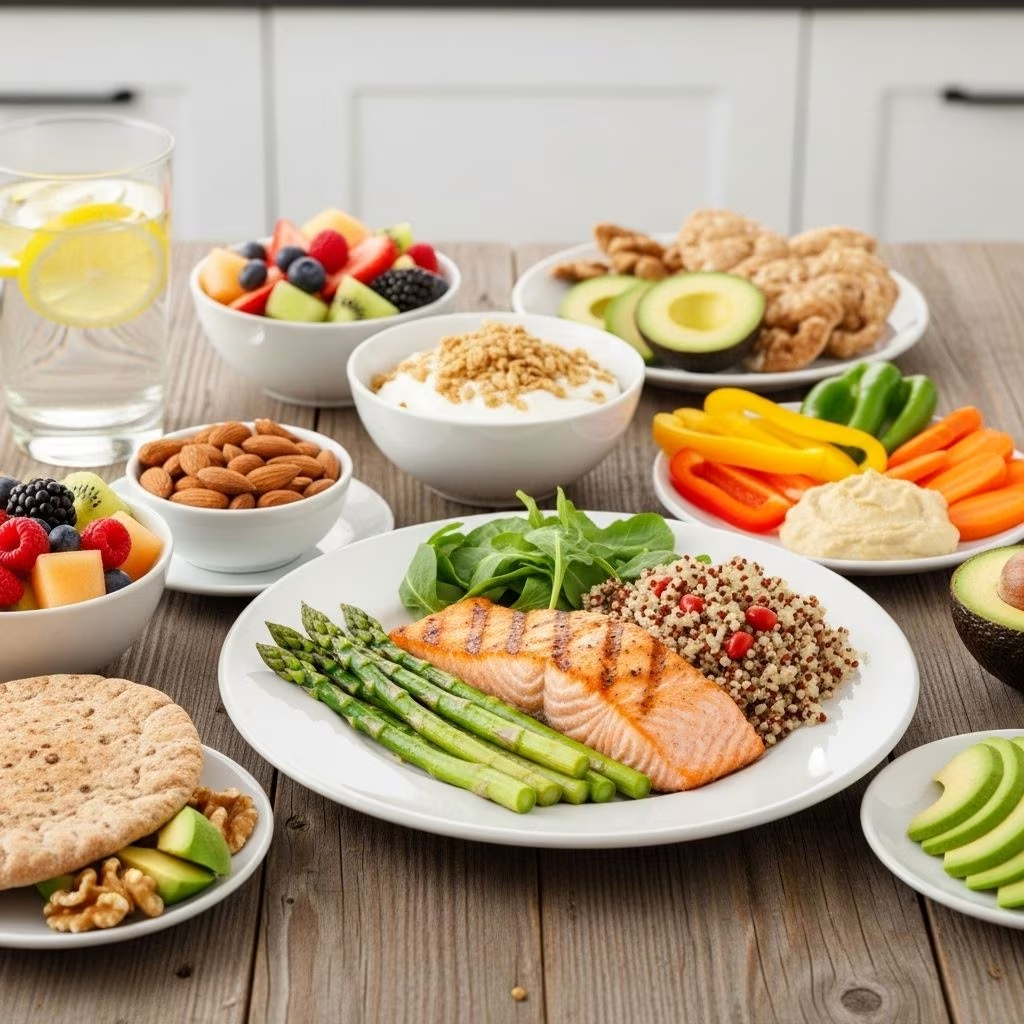
- Breakfast: Greek yogurt parfait with berries and chia seeds, whole grain toast with almond butter
- Mid-morning Snack: Mini vegetable frittata or a small handful of pistachios
- Lunch: Lentil salad with roasted vegetables, crumbled feta, and olive oil vinaigrette
- Afternoon Snack: Apple slices with peanut butter or carrot sticks and hummus
- Dinner: Grilled salmon or tofu, quinoa pilaf, sautéed spinach with garlic, fresh fruit dessert
Frequently Asked Questions (FAQs)
Q: Do I need to eliminate all snacks to lose weight?
No. Healthy snacks can curb hunger between meals, prevent overeating, and provide needed energy. The key is choosing snacks high in protein and fiber and watching your portions.
Q: Are fat-free foods best for weight loss?
Not necessarily. Many fat-free options obscure extra sugar and carbs, leading to higher calories. Moderate amounts of healthy fats actually aid satiety and help you absorb essential nutrients.
Q: Is it better to eat three meals or many mini-meals?
This depends on your lifestyle and hunger cues. Research supports three balanced meals with 1–2 planned snacks as the easiest way to stay full while controlling calories. Large, protein- and fiber-rich meals result in less hunger than frequent small carb-based snacks.
Q: What are some fast, healthy snack options?
- Low-fat Greek yogurt with fruit
- Handful of unsalted nuts
- Air-popped popcorn
- Edamame pods
- Sliced veggies and hummus
- Single-serve cottage cheese with pineapple
Q: Can I lose weight without feeling hungry all the time?
Absolutely. Focusing on whole foods high in fiber, lean protein, and modest healthy fat will help keep you full, energized, and less likely to sustain hunger pangs.
Expert Tips for Long-Term Weight Loss Success
- Plan meals and snacks ahead of time to resist impulse eating.
- Keep nutrient-dense snacks on hand: pre-chopped veggies, hardboiled eggs, or string cheese.
- Stay well-hydrated—sometimes thirst is mistaken for hunger.
- Listen to hunger and fullness cues—don’t eat by the clock alone.
- Track what you eat for a few days to spot patterns and opportunities for improvements.
- Adjust meal timing to suit your natural rhythms and schedule.
- Focus on adding healthy foods instead of just eliminating favorites.
Conclusion: Choose Meals and Snacks That Work for You
Weight loss doesn’t require starvation or bland eating. With the right mix of meal timing, snack choices, and nutrient-dense foods, you can feel satisfied while steadily losing weight. The most sustainable diet is the one that fits your appetite, schedule, and tastes. Armed with the above strategies, you can build an eating pattern that nourishes, satisfies, and supports lasting results.
References
- https://www.prevention.com/weight-loss/diets/a20460983/weight-loss-meals-and-snacks/
- https://www.prevention.com/weight-loss/g19576831/healthy-snack-ideas-weight-loss/
- https://www.prevention.com/weight-loss/g27323543/low-calorie-snacks/
- https://www.prevention.com/food-nutrition/healthy-eating/a65542138/best-high-protein-snacks/
- https://www.prevention.com/food-nutrition/g41055022/low-calorie-meals/
- https://www.prevention.com/weight-loss/g24805401/fat-burning-foods/
- https://www.prevention.com/food-nutrition/healthy-eating/a65664887/ultra-processed-foods-weight-loss-gut-health-study/
- https://www.prevention.com/weight-loss/g20458643/the-perfect-day-of-eating/
- https://www.prevention.com/food-nutrition/healthy-eating/a65919516/foods-to-boost-metabolism/
- https://www.prevention.com/weight-loss/a20472349/how-snacking-could-mean-more-belly-fat/


