


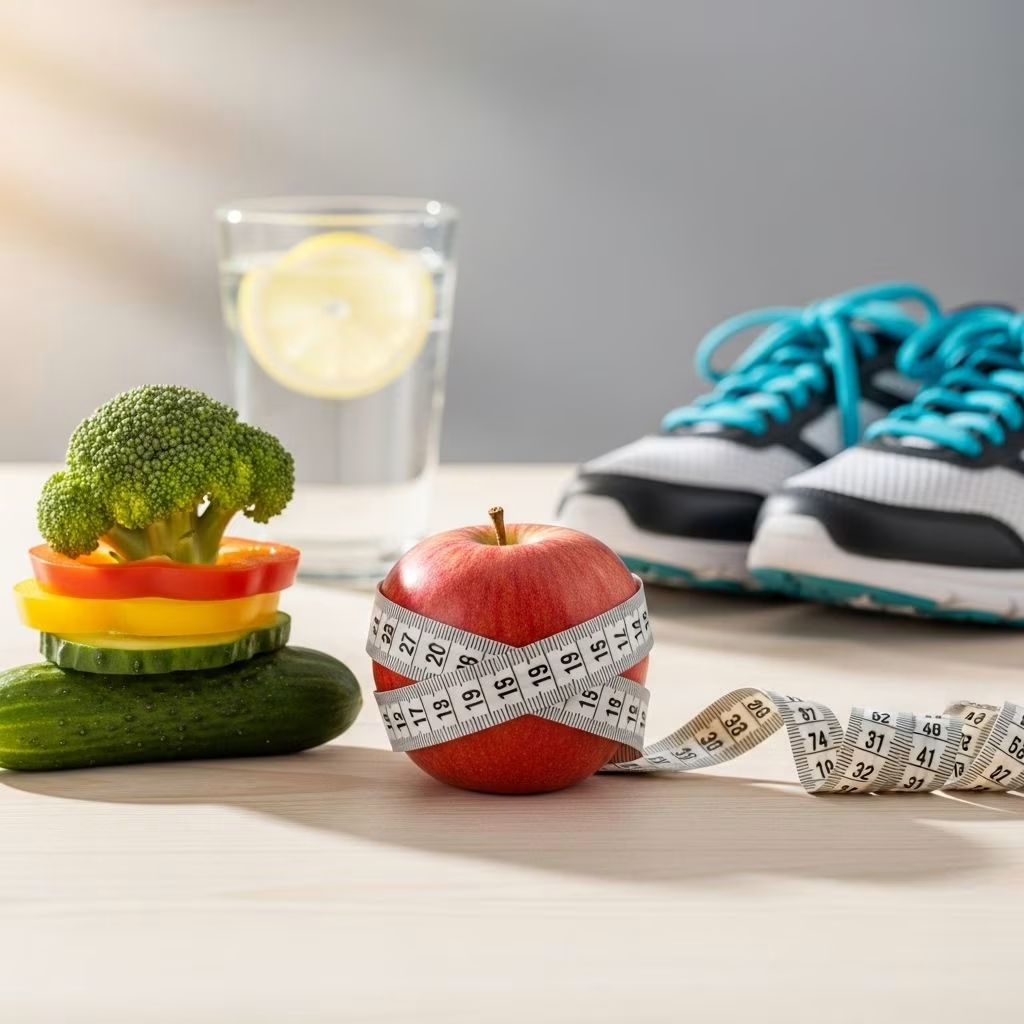
How to Lose 15 Pounds in One Month: Expert-Recommended Advice
Losing 15 pounds in a month may seem ambitious, but with the right combination of dietary changes, exercise, and lifestyle adjustments, it can be achievable and safe for many adults. The key is to focus on sustainable habits, smart planning, and a holistic approach that prioritizes health over crash dieting. This article breaks down everything you need to know: realistic expectations, nutrition strategies, exercise tips, mindset shifts, and answers to common questions, allowing readers to make informed choices.
Is It Possible to Lose 15 Pounds in One Month?
While rapid weight loss can be tempting for certain occasions, health professionals generally recommend shedding 1-2 pounds per week for long-term success. However, individuals with higher starting body weights or who make significant changes may see more rapid results. Losing 15 pounds in 30 days is not typical for everyone, and requires a coordinated, intensive effort—while still respecting your body’s needs to get adequate nutrition and not risk negative health effects.
- General guideline: Safely losing around 1% of your body weight per week without excessive restriction is often recommended.
- Rapid loss cautions: Extremely low-calorie diets are not recommended for most; never drop below 1,200 calories per day without medical guidance.
- Factors such as age, gender, medication, underlying health conditions, genetics, hormones and stress all shape your weight loss rate.
1. Define Your Motivation and Set Specific Goals
Before making any changes, it is crucial to clarify why you want to lose weight. Are you striving to improve heart health, boost energy, look and feel better, or protect yourself from disease? Write down your motivation and set concrete, measurable goals. Place these reminders where you’ll see them daily to keep motivation strong and prevent burnout.
- Visualize your success with before-and-after photos, a journal, or a tracker.
- Be realistic and compassionate with yourself—weight loss is not linear and often fluctuates.
- Set a calendar reminder to assess progress weekly.
2. Overhaul Your Eating Patterns—Smart Nutrition for Sustainable Fat Loss
Food choices are arguably the most important factor in losing weight. Rather than resorting to fad diets, aim for a balanced and flexible plan that reduces calories but ensures you’re nourished and energized.
Adopt a Calorie-Minded Meal Pattern
- Create a modest calorie deficit: Use a tracker or app to monitor intake. A common approach is to cut 500–1,000 calories per day, which leads to ~1–2 pounds of loss per week. To achieve 15 pounds in a month, your deficit may be higher, but consult a registered dietitian before attempting stricter approaches.
- Never drop below 1,200 calories per day: Going lower can cause you to lose muscle, slow metabolism, and jeopardize your health.
- Eat small, frequent meals: Helps keep metabolism active and reduces cravings.
Focus on Nutrient-Dense Foods
- Prioritize lean proteins: Chicken, fish, turkey, tofu, legumes, and low-fat dairy keep you fuller and support muscle retention.
- Fill up on fiber: Vegetables, fruits, whole grains, and beans slow digestion and prevent overeating.
- Limit added sugars and refined carbs: Opt for complex carbohydrates like sweet potatoes, quinoa, oats, and brown rice.
- Cut excess fats: Minimize processed foods and high-calorie condiments; choose healthy fats in moderation (olive oil, avocado, nuts).
- Hydrate: Water, herbal teas, and broths help control appetite.
- Reduce alcohol and sweet beverages: Skip energy drinks, regular soda, and cocktails which add empty calories.
Sample Daily Meal Plan (Approx. 1,400–1,600 Calories)
| Meal | Examples |
|---|---|
| Breakfast | Greek yogurt with berries and chia seeds |
| Snack | Apple with almond butter |
| Lunch | Grilled chicken salad with mixed veggies, olive oil & balsamic dressing |
| Snack | Hummus with carrot sticks |
| Dinner | Baked salmon, broccoli, and quinoa |
3. Move More: Exercise for Accelerated and Lasting Fat Loss
Regular exercise is a game-changer for burning calories, preserving muscle mass, and boosting mental wellbeing. You don’t need hours at the gym to make noticeable progress—consistency is key.
Recommended Structure
- Engage in 150–300 minutes of moderate activity per week: Brisk walking, cycling, dancing, or swimming all count (3–5 days weekly is optimal).
- Try higher-intensity intervals: Incorporate short bursts of more vigorous movement for increased calorie burn.
- Add resistance training: Strength exercises 2–3x/week help build muscle and rev metabolism (think squats, lunges, push-ups, resistance bands, or weights).
- Start with what’s realistic: Even 10-minute daily workouts can catalyze major change, as seen in success stories.
Sample Weekly Exercise Plan
| Day | Activity |
|---|---|
| Monday | 30 min brisk walk + 10 min core routine |
| Tuesday | 40 min cycling + 10 min resistance (bands) |
| Wednesday | Rest or gentle stretching/yoga |
| Thursday | 20 min intervals (jog/walk) + 10 min upper body |
| Friday | 30 min dance or Zumba |
| Saturday | Hiking, swimming, sports (45+ min) |
| Sunday | Active rest: casual walk or light yoga |
4. Track Progress for Accountability and Motivation
Documenting your journey is one of the most reliable ways to spot patterns and keep the momentum going. Whether you use a food diary, app, or journal, regular tracking helps catch slip-ups and build self-awareness.
- Record all meals and snacks each day (no matter how small).
- Monitor your weight or measurements weekly, not daily, to avoid discouragement.
- Log workouts, sleep, and mood for a comprehensive picture.
5. Sleep, Stress, and Mindset Matter
Weight loss accelerates when your sleep and stress are managed effectively. Chronic stress disrupts hormones related to hunger, and poor sleep contributes to increased cravings and poor food choices.
- Aim for 7–9 hours of quality sleep each night.
- Practice mental wellness: meditation, journaling, or gentle yoga.
- Develop resilience: Don’t view setbacks as failure—focus on the bigger goal and progress.
Real Success Stories: Inspiration and Perspective
One compelling example comes from Pamela Hansen, who lost 15 pounds and 7 inches off her belly by committing to just 10 minutes of exercise per day alongside simple nutrition swaps. She achieved lasting changes in her health metrics, energy levels, and self-esteem. Such stories highlight how small, consistent efforts can yield dramatic results, especially when paired with self-compassion and accountability.
Common Pitfalls and How To Avoid Them
- Yo-yo dieting: Avoid extreme restrictions that aren’t maintainable beyond 30 days. Instead, adopt gradual, enjoyable changes.
- ‘All or nothing’ trap: One off day doesn’t ruin your progress. Be flexible, and resume healthy habits the following day.
- Skipping meals: This often backfires, leading to binge-eating later on. Aim for regular, balanced meals.
- Deprivation mentality: Incorporate small portions of favorite foods to prevent feeling deprived—just in moderation.
Safety Guidelines for Effective Weight Loss
- Consult with your physician or a registered dietitian if you have existing health concerns, take medications, or have a history of disordered eating.
- If you experience dizziness, fatigue, or mood changes, adjust your plan.
- Sustainable weight loss supports lasting health; avoid programs that promise “instant” results without science.
Frequently Asked Questions (FAQs)
Can someone lose 15 pounds in one month safely?
For some, yes—especially those with higher starting weight and aggressive but safe lifestyle changes. However, many experts recommend targeting 5–8 pounds per month for most healthy adults, as faster rates increase risk of nutrient deficiencies, muscle loss, or regaining the weight later.
Is exercise required to lose weight?
You can lose weight through diet alone, but exercise increases calorie burn, preserves muscle, and supports long-term success, especially for more significant amounts of weight loss. Even short daily bouts (10 minutes) can help.
How should meals be structured to maximize fat loss?
Each meal should include lean protein, high fiber, and healthy fats (in moderation). Limit simple carbs, added sugars, and processed fats. Eating every 3–5 hours helps keep hunger in check.
Are there shortcuts like medication for faster results?
Prescription medication may result in faster initial loss, but requires careful monitoring for side effects such as muscle wasting, and is not a substitute for healthy habits. Always consult a health professional before considering drugs for weight loss.
Why does weight loss plateau or even reverse?
Your body adapts to lower calorie intake by slowing metabolism. Consistency, periodic adjustments to meal patterns, and varying exercise routines help prevent and break plateaus.
Expert Tips for Long-Term Success
- Find joy in movement: Choose activities you enjoy to improve adherence.
- Emphasize lifestyle, not just dieting: Build habits (meal planning, food prep, daily walks) that work for you now and into the future.
- Create an environment for success: Remove tempting foods, stock up on nutritious staples, and enlist support from friends/family.
- Stay consistent, not perfect: Progress is the sum of small, repeated actions. Celebrate each milestone.
Takeaway: Sustainable Change for a Healthier You
Losing 15 pounds in one month is achievable for some and can kickstart a healthier lifestyle—but always prioritize safety, wellness, and long-term results over drastic measures. Combining a nutritious meal plan, regular activity, mindful tracking, resilience in the face of setbacks, and expert input ensures you’ll not only achieve your goal, but keep the weight off for good.
References
- https://www.prevention.com/weight-loss/a20500284/this-woman-lost-15-pounds-by-exercising-only-10-minutes-a-day/
- https://www.prevention.com/weight-loss/a30188568/lose-weight-without-exercise-0/
- https://www.cdc.gov/healthy-weight-growth/losing-weight/index.html
- https://www.prevention.com/weight-loss/g20487308/how-to-stop-losing-and-gaining-the-same-10-pounds/
- https://www.prevention.com/weight-loss/a20469978/how-to-lose-15-pounds-without-dieting/
- https://www.prevention.com/weight-loss/g20498928/mistakes-that-sabotage-weight-loss/
- https://pmc.ncbi.nlm.nih.gov/articles/PMC5764193/


