


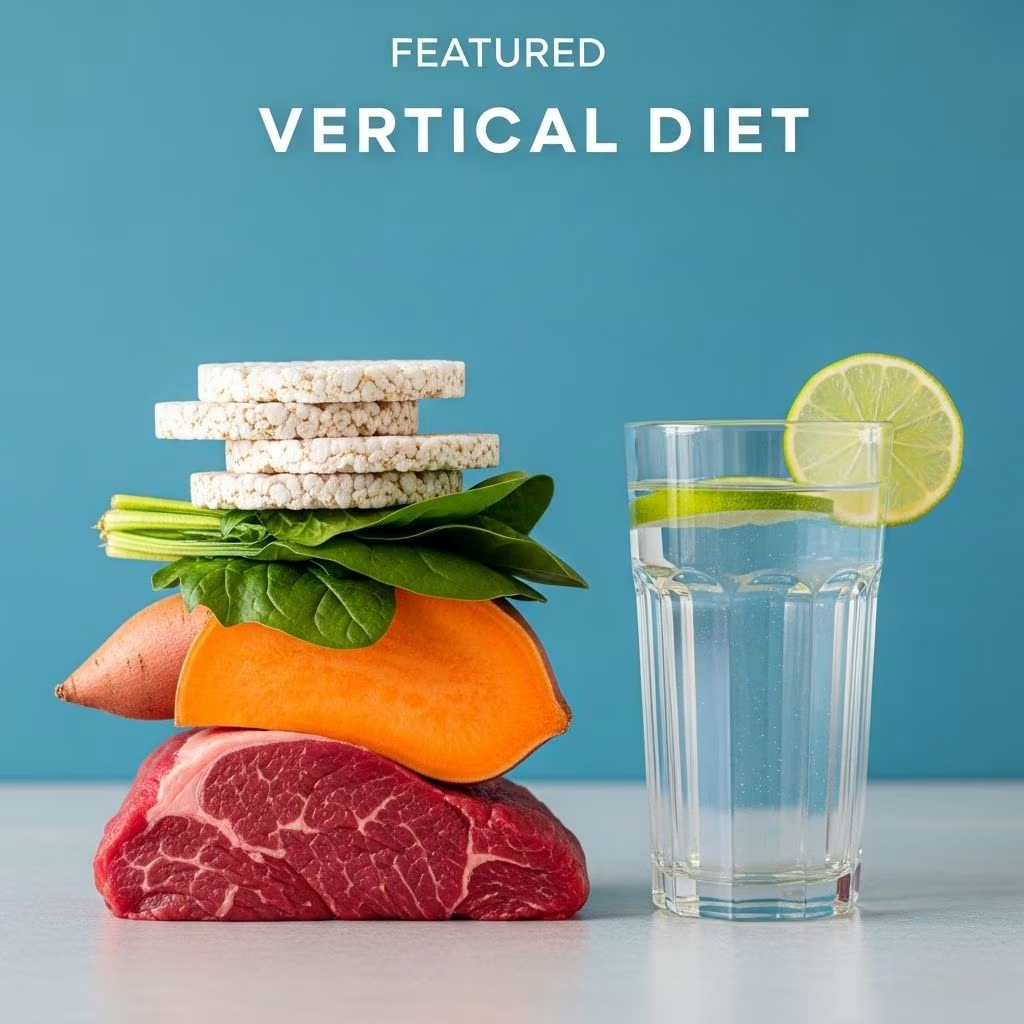
In the ever-evolving world of nutrition, fad diets come and go, but some, like the Vertical Diet, command ongoing interest—especially among athletes and bodybuilders. Created by professional bodybuilder Stan Efferding, the Vertical Diet promotes muscle gain, easier digestion, and improved training recovery by emphasizing a strategic selection of core foods. This eating plan, while praised for its simplicity and performance appeal, also stirs up debate in the nutrition community. Here, we break down what the Vertical Diet is, how it works, what you eat, potential risks, and more to help you make an informed decision.
What Is the Vertical Diet?
The Vertical Diet is a structured eating plan that centers around a narrow spectrum of nutrient-dense, easily digestible foods—most notably, red meat and white rice. Unlike “horizontal” diets that encourage dietary variety, the Vertical Diet takes a vertical approach: it starts with a foundational base (the “horizontal”) of micronutrient-rich foods, then adds vertical columns of high-performance foods to elevate caloric intake and support demanding physical goals such as muscle gain and athletic performance.
The diet was designed by Stan Efferding—a champion powerlifter and bodybuilder—who aimed to solve a common challenge faced by athletes: consuming sufficient calories and nutrients for muscle growth without experiencing digestive distress.
How Does the Vertical Diet Work?
The Vertical Diet’s core idea involves focusing on a small number of easily digestible foods to optimize calorie absorption and nutrient uptake. The plan is built on the following foundational foods:
- Red Meat: Particularly lean beef and bison, which are rich sources of protein, iron, zinc, choline, and B vitamins.
- White Rice: The main carbohydrate source chosen for its high caloric density and easy digestibility, minimizing stomach upset during high-volume eating.
This high-calorie system is especially suited for athletes, bodybuilders, or hard gainers with fast metabolisms who need to eat more without bloating or gastrointestinal discomfort.
The “vertical” part of the diet refers to increasing caloric intake—as training intensifies and hunger signals return—by adding more portions of meat and rice. Less emphasis is placed on dietary variety and more on volume from this selected food base.
Principles and Nutritional Philosophy
The Vertical Diet is guided by several nutrition principles designed to promote muscle growth, recovery, and overall health:
- Digestibility: The focus is on foods that are easy on the gut—minimizing dietary fiber and complex sugars that might cause gas or bloating.
- Bioavailable Micronutrients: Micronutrient-dense options, particularly those vital for athletes, are prioritized over fiber-rich or hard-to-digest sources.
- Calorie Surplus: For muscle gain or weight gain, the diet ensures you’re eating above your Basal Metabolic Rate (BMR)—the calories you burn at rest—and adjusting intake based on training intensity and goals.
- Minimal Variety (Compared to Typical Guidelines): Rather than eating a “rainbow” of foods, the Vertical Diet concentrations on a select few for performance and practicality.
Macros Breakdown
| Nutrient | Minimum Target | Source Examples |
|---|---|---|
| Protein | >0.8 g per pound body weight/day | Red meat, eggs, dairy |
| Fat | >0.3 g per pound body weight/day | Meats, dairy, egg yolks |
| Carbohydrate | Remainder of calories | White rice, sweet potatoes |
Carbohydrates are ideally 50–60% of the total daily calories, with protein and fat fulfilling minimum requirements. Excess fat and highly processed foods (especially those with reheated oils) are discouraged.
What Foods Can You Eat on the Vertical Diet?
The Vertical Diet is deliberately selective. Here are the foods that anchor the plan:
- Red Meats: Beef (lean or grass-fed), bison, and steak are dietary staples, valued for iron, B vitamins, and protein content.
- White Rice: Preferred for its digestibility and ability to deliver a high carbohydrate load without GI discomfort.
- Eggs: For highly bioavailable protein and additional vitamins.
- Dairy: Greek yogurt, whole milk—if tolerated well—for probiotics and extra calories.
- Spinach, Peppers, Carrots: Small amounts of these vegetables are included for micronutrients yet are low in FODMAPs (fermentable carbs that can cause bloating).
- Fruits and Juices: Orange juice, berries, and cranberry juice contribute vitamin C and antioxidants where tolerated.
- Oats and Potatoes: Occasionally included, especially when soaked or cooked for easier digestion.
- Salmon: Wild-caught, for omega-3 fats and additional protein diversity.
Foods to Limit or Avoid
- High-fiber vegetables such as broccoli, cauliflower, and onions (to prevent bloating and stomach upset, since they’re high in FODMAPs).
- Legumes and other grains like beans, lentils, brown rice, and whole grains unless prepared specifically to reduce anti-nutrient content.
- Processed foods—especially those high in sugars, trans fats, and reheated oils (such as fried or ultra-processed items).
- Artificial sweeteners or sugar alcohols (which can cause GI symptoms in sensitive people).
Sample Meal Plans for the Vertical Diet
Meal planning on the Vertical Diet is straightforward, focusing on repetition and simplicity. Here’s a sample 3-day meal plan, each day spread across 4 main meals and a snack. Portions and specific foods should be adjusted based on your calorie needs and training intensity.
Day 1
- Meal 1: Scrambled whole eggs with cheese, red peppers, and spinach; raw baby carrots; raw almonds; 4 oz (120 ml) cranberry juice
- Meal 2: Ground sirloin beef and white rice cooked in chicken stock; 4 oz (120 ml) orange juice
- Meal 3: Chicken breast with sweet potato; 4 oz (120 ml) orange juice
- Meal 4: Grass-fed steak with white rice and chicken stock; 4 oz (120 ml) cranberry juice
- Snack: Greek yogurt and baby carrots
Day 2
- Meal 1: Scrambled eggs with cheese, spinach, red peppers, bone broth; boiled potatoes; 4 oz (120 ml) cranberry juice
- Meal 2: Ground bison with white rice, sweet potato, bone broth; 4 oz (120 ml) orange juice
- Meal 3: Chicken breast with white rice, sweet potato, bone broth, and an orange
- Meal 4: Grass-fed steak with white rice, potatoes, zucchini, bone broth; 4 oz (120 ml) cranberry juice
- Snack: Whole milk and baby carrots
Day 3
- Meal 1: Eggs with cheese, spinach, red peppers, salt; overnight oats (yogurt, milk, optional raw honey and nuts)
- Meal 2: Ground sirloin steak with white rice, peppers, chicken broth; 4 oz (120 ml) cranberry juice
- Meal 3: Wild Atlantic salmon, white rice, spinach, peppers, chicken broth, baby carrots; 4 oz (120 ml) orange juice
- Meal 4: Grass-fed steak, white rice, sweet potatoes, chicken broth; 4 oz (120 ml) cranberry juice
- Snack: Greek yogurt and berries
What Are the Health Benefits?
The Vertical Diet claims several benefits for those who follow it, particularly for athletes and people struggling to gain weight:
- Supports muscle growth and repair, thanks to an emphasis on high-quality protein and calorie surplus.
- Improved digestive comfort for individuals sensitive to high-fiber, high-FODMAP foods.
- Simple meal prep and planning, relying on a handful of staple foods.
- Micronutrient support via selected vegetables, eggs, dairy, and red meat (for iron, choline, B vitamins, and zinc).
- Potential for improved energy and recovery during intense training periods.
Potential Downsides and Health Risks
Despite the reported benefits, the Vertical Diet poses several notable risks and shortcomings:
- Lack of diversity: Restricting food choices could lead to micronutrient deficiencies if not carefully balanced.
- Longevity concerns: High red meat intake has been associated with increased risk of cardiovascular disease and some cancers in certain studies.
- Digestive health: Low dietary fiber could increase risk for constipation and potentially affect gut microbiome diversity.
- High saturated fat: Depending on meat selection, the diet could exceed recommended limits for saturated fat.
- Not suitable for everyone: Individuals with kidney issues, heart concerns, or a family history of certain diseases may be advised to avoid this diet.
Who Might Benefit from the Vertical Diet?
- Serious athletes, bodybuilders, and powerlifters who need to consume large amounts of calories without bloating or GI issues.
- Hard gainers—naturally thin individuals who struggle to gain weight or muscle.
- People with specific digestive sensitivities (after seeking medical advice), since emphasis is on low-FODMAP foods.
However, the majority of people—especially those aiming for general weight loss, cardiovascular health, or balanced nutrition—may not benefit from the limited variety and high red meat intake.
Frequently Asked Questions (FAQs)
Is the Vertical Diet safe for long-term use?
The Vertical Diet can meet calorie and protein needs but tends to restrict variety and fiber, raising potential concerns over long-term heart health, cancer risk, and gut health. Most experts recommend dietary diversity for longevity.
Can you lose weight on the Vertical Diet?
While the Vertical Diet is typically used for muscle gain and athletic performance, it is possible to use it for weight loss by eating in a calorie deficit. However, the lack of dietary variety may make it challenging to stick with for some individuals seeking sustainable weight loss.
Is the Vertical Diet suitable for vegetarians or vegans?
No. The diet heavily centers on red meat and animal proteins. It is not suitable for those following a vegetarian or vegan lifestyle.
Are supplements necessary on the Vertical Diet?
Some people may need to supplement fiber (such as psyllium husk), omega-3s, or other micronutrients due to the diet’s restrictive nature. Consultation with a registered dietitian is advisable.
How does the Vertical Diet compare to traditional “balanced” diets?
| Vertical Diet | Traditional Balanced Diet |
|---|---|
| High red meat and refined carbs | Variety from all food groups |
| Emphasizes digestibility | Prioritizes fiber and micronutrients |
| Targeted at athletes, weight gain | General population, overall health |
| Risk of nutritional gaps | Designed for nutrient completeness |
Takeaway: Should You Try the Vertical Diet?
The Vertical Diet’s minimalist, performance-focused approach may benefit serious athletes and those struggling to gain weight without digestive discomfort. However, for the general population, its restrictive food list, high red meat content, and potential for nutritional gaps make it less advisable as a long-term health solution. Before starting any restrictive eating plan, speak with a registered dietitian or healthcare provider to ensure your nutritional needs are met and potential health risks are minimized.
References
- https://www.healthline.com/nutrition/vertical-diet-review
- https://bonytobeastly.com/vertical-diet-review/
- https://1stphorm.com/blogs/news/vertical-diet
- https://www.thestrength.co/blogs/news/the-vertical-diet-in-10-minutes
- https://barbend.com/vertical-diet/
- https://www.prevention.com/weight-loss/diets/a46179680/vertical-diet/
- https://www.bodi.com/blog/vertical-diet
- https://www.youtube.com/watch?v=d7Fdw5PObS8


