


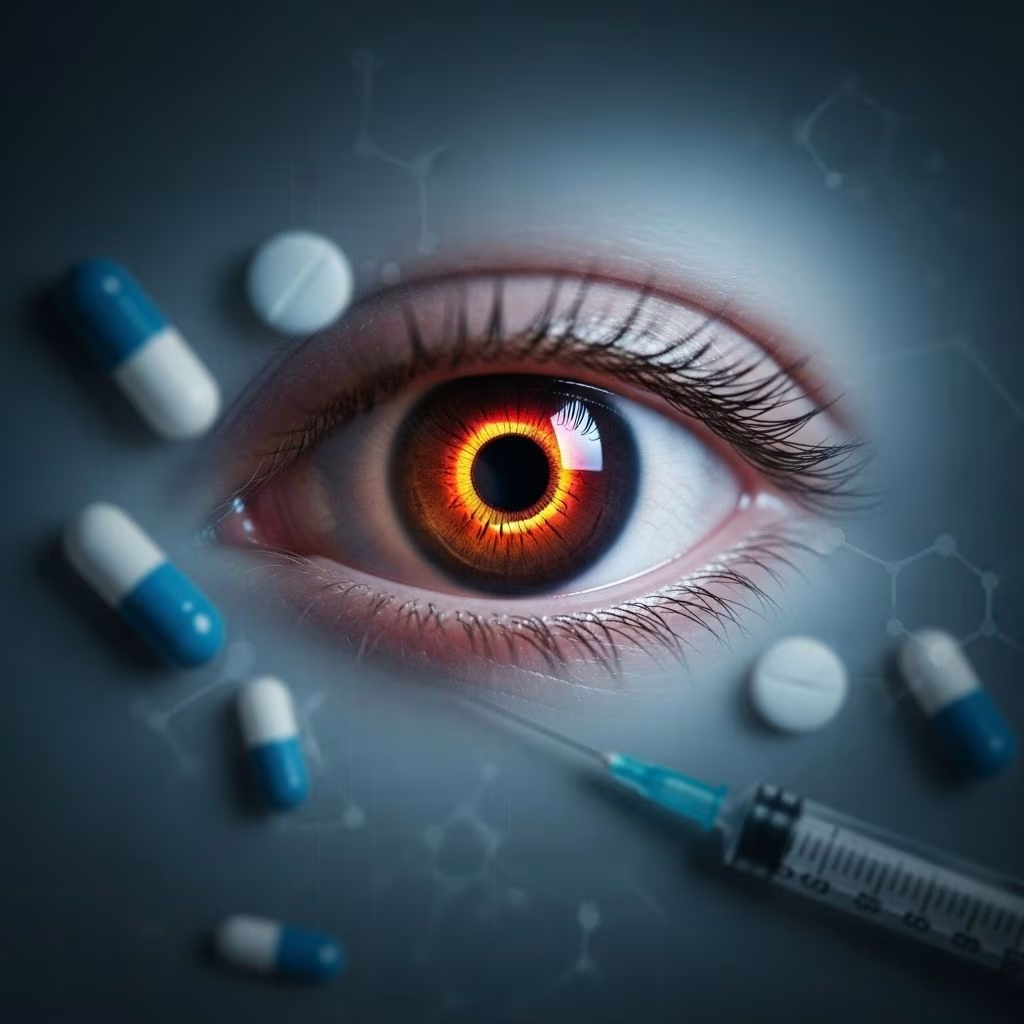
Ozempic, Semaglutide, and Concerns Over Vision Loss: What You Need to Know
Drugs like Ozempic and semaglutide have become household names thanks to their effectiveness in treating type 2 diabetes and supporting weight loss. However, recent investigations are uncovering a possible—albeit rare—side effect: sudden vision loss attributed to an eye condition called non-arteritic anterior ischemic optic neuropathy (NAION). As global usage surges, understanding this risk is vital for patients and healthcare providers.
Understanding GLP-1 Agonists: Ozempic and Beyond
- Ozempic (semaglutide) first launched as a GLP-1 receptor agonist for diabetes management.
- Similar medications—Wegovy, Rybelsus, and tirzepatide (Mounjaro, Zepbound)—are now widely prescribed for chronic weight control.
- GLP-1 drugs regulate blood sugar, promote satiety, and facilitate weight loss.
- Their popularity has grown rapidly, increasing exposure to both common side effects and rare complications.
What Is “Ozempic Blindness”?
The term Ozempic blindness refers to episodes of vision loss reported in some people taking GLP-1 drugs, especially Ozempic or Wegovy (semaglutide), and tirzepatide (Mounjaro, Zepbound). Contrary to the nickname, it is not a recognized medical diagnosis but a colloquialism for sudden, often permanent, vision loss associated with these medications. The primary culprit appears to be NAION, a rare condition where blood flow to the optic nerve becomes disrupted, resulting in optic neuropathy and possible blindness.
Key Facts About Ozempic Blindness
- Numerous studies link GLP-1 drugs to a higher incidence of NAION versus placebo or other medications.
- NAION can range from mild visual impairment to severe, irreversible blindness.
- The condition is exceedingly rare, but the tremendous number of prescriptions means even small risks matter.
- Other reported vision issues include bilateral papillitis (nerve swelling) and paracentral acute middle maculopathy (a retinal disorder).
How Rare Is This Side Effect?
Most users of semaglutide or similar medications will never experience vision loss. The European Medicines Agency (EMA) confirmed through its safety committee (PRAC) that NAION is a very rare side effect—affecting up to 1 in 10,000 individuals taking semaglutide. Large-scale studies revealed an approximately two-fold increased risk of NAION among those using semaglutide for diabetes, translating to about one extra case per 10,000 person-years of treatment. While the absolute risk remains minor, the FDA and regulatory bodies now require product labeling to reflect these findings.
| GLP-1 Drug | Indicated Use | Risk of NAION | Recommendation |
|---|---|---|---|
| Ozempic (semaglutide) | Type 2 diabetes, weight loss | Very rare (1 in 10,000) | Monitor vision, seek help if changes occur |
| Wegovy (semaglutide) | Weight loss | Very rare | Product info updated |
| Rybelsus (oral semaglutide) | Type 2 diabetes | Very rare | Monitor |
| Tirzepatide (Mounjaro, Zepbound) | Type 2 diabetes, weight loss | Similar risks under study | Monitor |
What Is NAION? The Science Behind the Concern
Non-arteritic anterior ischemic optic neuropathy (NAION) is one of the most common causes of sudden vision loss in adults. The loss results from reduced blood flow to the anterior portion of the optic nerve, often causing permanent damage. Previously, NAION risk was linked to vascular diseases, high blood pressure, diabetes, and certain anatomical eye features. Now, studies suggest a possible association with GLP-1 agonist use.
Symptoms and Warning Signs of NAION
- Sudden, painless vision loss (often in one eye)
- Rapidly worsening eyesight over hours or days
- Visual field defects—missing sections or blind spots
- Color vision disturbance
- Optic disc swelling, observable during eye exam
Why Might GLP-1 Drugs Affect Eyesight?
The causative link between GLP-1 drugs and NAION is not fully understood. Multiple hypotheses exist:
- Rapid blood sugar reduction: Sudden changes in blood glucose may disrupt proteins protecting blood vessels, inducing leakage and stressing the optic nerve.
- Sympathetic nervous system activation: GLP-1 drugs may trigger ‘fight or flight’ responses, narrowing blood vessels and restricting optic nerve blood flow.
- Underlying health conditions: Many semaglutide users already face diabetes, hypertension, or vascular issues—risk factors for NAION.
- No direct toxicity: Evidence shows semaglutide does not damage the eye directly, but may act through systemic effects.
Experts caution that these theories are plausible but unproven. More research is needed to clarify mechanisms and causality.
How Strong Is the Evidence?
Current knowledge is drawn from observational studies, clinical case reports, and post-marketing surveillance:
- A 2024 JAMA Ophthalmology study analyzed nine patients reporting severe vision loss while on semaglutide or tirzepatide. Seven had confirmed NAION; others had rare retinal conditions.
- Several epidemiological studies demonstrate a statistically significant but low absolute risk increase for NAION in semaglutide users.
- The European Medicines Agency (EMA) and FDA have updated guidance to include NAION as a recognized, very rare side effect.
- Still, the vast majority of patients do not experience vision issues.
Should Patients Be Worried?
Most experts agree the benefits of GLP-1 agonists for diabetes and obesity substantially outweigh the odds of vision loss for most patients. These medications can lower risk of heart disease and greatly aid weight management. Nonetheless, patients must remain vigilant and take vision changes seriously to allow prompt diagnosis and intervention if needed.
Who Is Most At Risk?
- Individuals with a personal or family history of NAION.
- Patients with extensive vascular disease (diabetes, hypertension, arteriosclerosis).
- Users experiencing sudden drops in blood sugar.
- Anyone on GLP-1 medication who notices acute vision changes.
What Should You Do If You Notice Vision Changes?
- Contact your doctor immediately—prompt ophthalmological assessment is crucial.
- Do not discontinue medication without medical guidance; evaluation is needed to determine whether vision loss relates to the drug or another factor.
- If NAION is confirmed, treatment with semaglutide should typically be stopped.
- Monitor and record any changes in vision, including blind spots or reduced acuity.
Long-Term Side Effects: Beyond Vision Loss
Besides rare ocular events, semaglutide and similar drugs can cause a variety of known side effects:
- Gastrointestinal issues—nausea, reflux, vomiting, constipation, diarrhea
- Gastroparesis (stomach paralysis)
- Decreased kidney function
- Possible risks for pancreatitis, gallbladder problems, and thyroid tumors
- Wrinkles or facial sagging due to rapid weight loss
Most adverse effects are manageable and temporary, but rare complications should be discussed with your healthcare provider.
Frequently Asked Questions (FAQs)
Does semaglutide affect your vision?
Evidence points to a possible link between semaglutide and NAION, a rare cause of permanent vision loss. However, most people taking these drugs will not experience vision changes. Ongoing research aims to clarify this risk.
What are the long-term side effects of Ozempic?
Common side effects include gastrointestinal discomfort, skin changes, and possible risks for pancreatitis, gallbladder issues, and kidney problems. Vision changes are rare but have been reported. On the positive side, Ozempic may reduce risk of cardiovascular events in people with diabetes and obesity.
If vision loss happens, will stopping the drug restore your sight?
In cases of NAION, stopping Ozempic or semaglutide does not reverse vision loss; the damage is typically permanent. Rapid assessment by an eye specialist is essential if symptoms develop.
How can I monitor for this risk?
- Schedule regular eye exams, especially if you have risk factors for eye disease.
- Report any sudden changes in vision to your healthcare provider, even if they seem minor.
- Discuss your complete medical history and risk profile before starting GLP-1 medications.
Practical Guidance for Patients and Providers
- The number of reported cases is very small, and vision loss remains an exception, not the rule.
- Weigh benefits versus risks with your doctor, especially for those at higher risk of NAION.
- Keep up to date with official recommendations and new research releases.
- Publishers, regulators, and medical societies continue to monitor outcomes and update safety guidance as needed.
Summary Table: GLP-1 Drugs and Vision Loss Risk
| Drug Name | Type | Primary Indication | NAION Risk | Precaution |
|---|---|---|---|---|
| Ozempic/Wegovy | semaglutide/GLP-1 agonist | Diabetes & Weight loss | Very rare; 1 in 10,000 users | Monitor vision, report sudden changes |
| Mounjaro/Zepbound | tirzepatide/GLP-1 & GIP agonist | Diabetes & Weight loss | Cases reported, risk under review | Monitor, report, follow-up |
| Rybelsus | Oral semaglutide | Diabetes | Very rare | Caution for those at risk |
Conclusion: Staying Safe While Benefiting From GLP-1 Drugs
Ozempic, semaglutide, and similar GLP-1 medications have transformed diabetes and obesity management. While the risk of vision loss exists, it remains very rare relative to the enormous benefits for most people. By knowing the warning signs, keeping open communication with your healthcare provider, and being proactive about eye health, patients can continue to make informed choices about these powerful drugs.
References
- https://www.webmd.com/obesity/ozempic-blindness
- https://ritms.rutgers.edu/news/scientists-explain-ozempic-blindness-link-between-sudden-vision-loss-and-weight-loss-drugs/
- https://www.ema.europa.eu/en/news/prac-concludes-eye-condition-naion-very-rare-side-effect-semaglutide-medicines-ozempic-rybelsus-wegovy
- https://jamanetwork.com/journals/jamaophthalmology/fullarticle/2820255
- https://pmc.ncbi.nlm.nih.gov/articles/PMC11657653/
- https://masseyeandear.org/news/press-releases/2024/07/prescription-weight-loss-drugs-linked-to-blinding-condition
- https://www.medicalnewstoday.com/articles/does-semaglutide-really-contribute-to-vision-loss


