


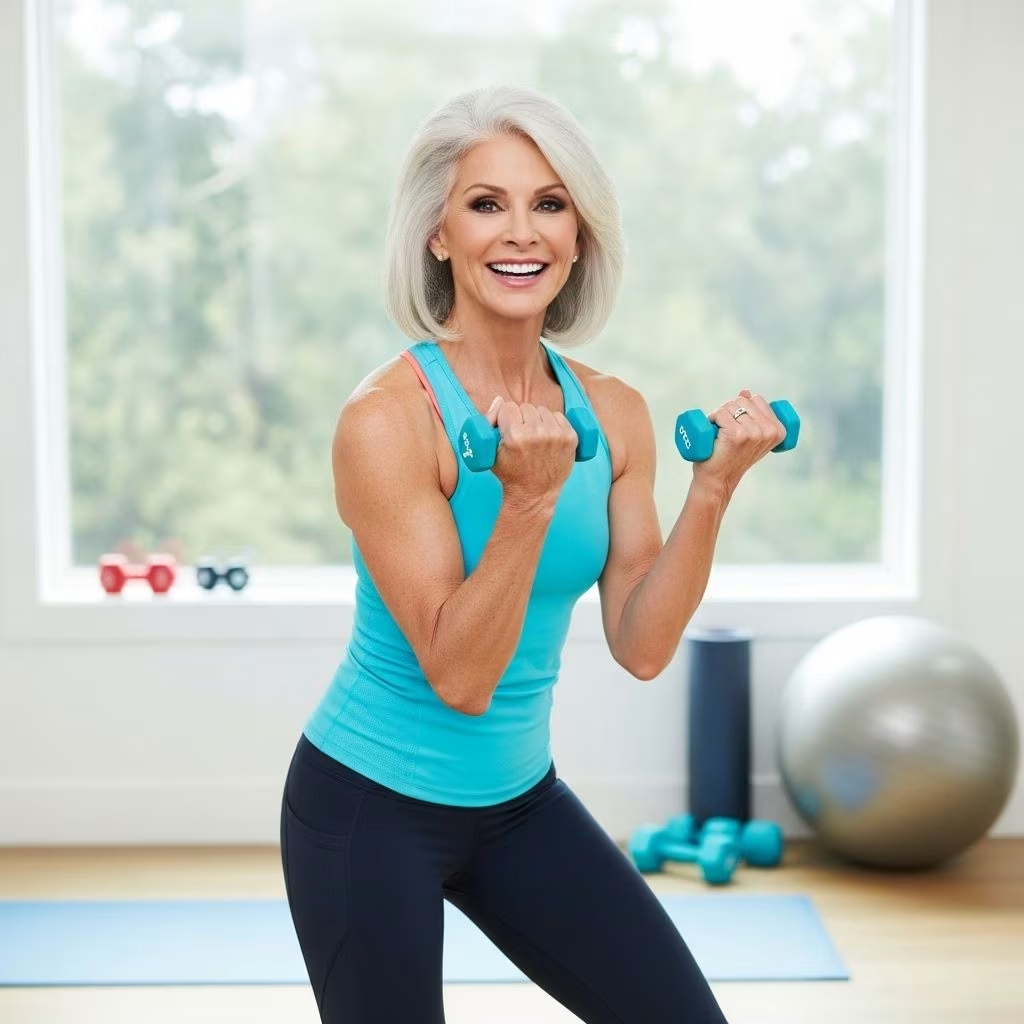
Weight loss can be especially challenging for women entering their fifties and beyond. Denise Austin—iconic fitness expert, author, and television personality—brings a wealth of practical advice for women looking to achieve healthier lifestyles, renewed confidence, and lasting results. Drawing from her decades of experience and personal journey, Denise’s holistic approach addresses the unique physical and metabolic changes that come with age. In this comprehensive guide, learn how Denise Austin’s top strategies can empower women over 50 to take charge of their health, build strength, and embrace vibrant living.
Why Weight Loss Changes After 50
As women age, hormonal shifts, especially those experienced during perimenopause and menopause, can dramatically impact metabolism, muscle mass, and overall energy levels. The body’s composition naturally transforms, making it easier to gain weight and more difficult to lose it. Yet, Denise Austin insists that age should never be a barrier to feeling and looking your best; instead, the right habits can make all the difference.
- Slower metabolism: Muscle mass declines, often lowering the metabolic rate and calorie requirements.
- Changes in hormone levels: Decreased estrogen and progesterone can influence fat storage and energy.
- Loss of muscle tone: Without continued strength training, muscles weaken and atrophy, leading to higher fat percentage.
- Lifestyle factors: Activity levels may drop, and eating habits can shift in response to emotional and environmental factors.
Denise Austin’s Four Core Weight Loss Tips for Women Over 50
Denise Austin’s philosophy is accessible and empowering. Here are her four crucial pillars for safe, healthy, and sustained weight management after 50.
1. Try Weight Training
“If you don’t use it, you lose it!” says Denise Austin, emphasizing the critical role of regular weight training for women over 50. As age advances, muscle tissue diminishes unless actively engaged. Strengthening exercises help preserve and build muscle mass, leading to a number of benefits:
- Boosted metabolism: Muscles require more energy, increasing the number of calories burned even at rest.
- Improved posture and core strength: Essential for balance, stability, and preventing injury.
- Reduced risk of sagging: Firm, toned muscles help keep the body looking and feeling youthful.
- Natural weight loss: Muscle conditioning promotes overall fat reduction and a leaner appearance.
Denise recommends integrating weight or resistance training at least twice per week. Options include:
- Bodyweight exercises (such as squats, push-ups, lunges)
- Resistance bands for joint-friendly toning
- Hand weights for targeted strength work
“Our muscles are what keep us young,” Denise explains. “If your muscles are toned, there’s less drooping, better metabolism, and you simply feel stronger. Muscle conditioning is critical as we go through perimenopause, menopause, and after.”
2. Listen to Hunger Cues
Austin advocates for eating in response to true hunger—not out of habit or boredom—especially avoiding late-night overeating. As metabolism slows in the evening, excess calories are more likely to be stored rather than burned. She recommends:
- Eat a nutritious dinner to help prevent unhealthy snacking at night.
- If hungry after dinner, opt for healthy snacks like:
- Apple slices with almond butter
- Cottage cheese topped with flax and hemp seeds
- Hummus with raw vegetables
- A handful of nuts (almonds, walnuts, pistachios)
- Prioritize foods high in fiber, vitamin C, and healthy fats to support satiety and overall wellness.
“Eating healthy as you age is important—not just for weight, but for energy, immunity, and skin health,” Denise advises.
3. Drink Plenty of Water
Hydration is foundational for health, particularly for women experiencing menopause symptoms like hot flashes. Denise emphasizes drinking at least eight 8-ounce glasses of water per day. Key benefits of staying hydrated include:
- Boosting energy levels and decreasing fatigue.
- Supporting healthy metabolism and digestion.
- Reducing bloat and water retention: Inadequate water intake prompts the body to hold on to fluids.
- Managing appetite: The body sometimes signals thirst as hunger, leading to unnecessary eating.
“Water is energy—it helps everything function better,” Denise says. Studies show that drinking water before meals can aid weight loss by reducing overall caloric intake.
4. Stay Active Every Single Day
Denise insists that consistency in movement is crucial for healthy aging and weight management. While formal workouts are valuable, the focus should be on embracing activity throughout your daily routine, including:
- Taking morning or evening walks
- Opting for stairs rather than elevators
- Doing housework, gardening, or playful movement with grandchildren or friends
- Participating in group fitness classes, from yoga to pickleball
- Standing and stretching during long periods of sitting
“Just move as often as you can. Find activities you enjoy—anything that makes you feel good and energized,” says Denise.
Denise’s Sample Five-Minute Full-Body Workout
For women short on time, Denise Austin shares an efficient, equipment-free circuit that’s accessible to all fitness levels. Perform each move for one minute, completing the circuit in five minutes. Repeat as desired or as fitness improves.
- March in place (or light jogging): Boosts heart rate and warms up the body.
- Arm circles: Loosens shoulders, improves posture, and increases blood flow.
- Standing side leg lifts: Strengthens hips and side glutes to support balance.
- Chair squats: Engages legs and glutes, improves core stability.
- Standing push-ups (against a wall): Builds upper-body strength while protecting joints.
This circuit, performed regularly, can help maintain strength, flexibility, and cardiovascular health.
Posture: The Hidden Key to Looking Slimmer and Feeling Younger
Beyond traditional exercises, Denise highlights the power of good posture in transforming your figure and supporting your core. “My favorite tip, I tell everybody, is good posture. If you’re slouched over, your tummy has nowhere to go but out. Sit tall, shoulders back, zip up those abs,” she explains. Simple isometric holds, such as tightening your core while standing or sitting, can tone muscles throughout the day.
- Benefits of Correct Posture:
- Visibly elongates and slims the body
- Reduces strain on the back and neck
- Engages abdominal and core muscles
Embracing a Positive Mindset and Consistency
Denise knows that mindset is just as important as physical discipline. She advocates for celebrating small wins, starting with realistic goals, and finding movement that’s enjoyable. “Start with just a ten-minute walk around the block, then build from there,” says Denise. Consistency—not perfection—paves the way to lifelong fitness.
Healthy Aging Habits Beyond Weight Loss
Denise’s approach to health is holistic, acknowledging that thriving after 50 means more than just watching the scale. Additional tips include:
- Prioritizing sleep to enhance recovery and hormonal balance
- Consuming nutrient-dense foods: colorful vegetables, lean proteins, whole grains, and good fats
- Practicing stress management via deep breathing, meditation, or light stretching
- Surrounding yourself with supportive friends, family, or fitness communities for motivation
Diet: Foods to Emphasize for Women Over 50
Denise’s sample snack suggestions double as nutritional guidelines for women over 50. Focus on:
| Food Group | Examples | Benefits |
|---|---|---|
| Fresh Fruits | Apples, berries, oranges | High in fiber, vitamin C, antioxidants |
| Dairy/Alternatives | Cottage cheese, plain yogurt | Protein and calcium for bone health |
| Healthy Fats | Almonds, walnuts, avocado, olive oil | Satiety, heart health, hormone support |
| Seeds | Flax, chia, hemp | Omega-3s, fiber, protein |
| Vegetables | Carrots, celery, bell peppers | Fiber, vitamins, low calories |
Denise encourages integrating these foods as snacks or in balanced meals to support muscle, metabolic, and overall health.
Frequently Asked Questions (FAQs)
Q: How often should women over 50 do weight training?
Aim for at least two sessions per week, focusing on all major muscle groups. Increase frequency as comfort and endurance improve.
Q: Is it safe to start weight training after age 50?
Yes, with proper technique and gradual progress. Consider consulting with a fitness professional for personalized routines and safety tips.
Q: What is the best time of day to exercise for weight loss after 50?
Experts recommend exercising whenever it fits your schedule and energy levels. Many find morning sessions help boost mood and motivation for the rest of the day.
Q: Are specific diets recommended for women over 50?
Focus on whole, unprocessed foods, high-quality proteins, complex carbohydrates, plenty of vegetables, and healthy fats. Avoid extreme or fad diets.
Q: What are some easy ways to stay active daily without a structured workout?
Include more walking, housework, gardening, or standing stretches. The key is to avoid prolonged sitting and make movement a regular part of every day.
Quick Tips Summary
- Start weight training twice a week to build and preserve muscle mass
- Listen to your body’s hunger cues—choose nutritious meals and smart snacks
- Stay hydrated throughout the day with water and herbal teas
- Move your body every day in ways you enjoy, from walking to sports
- Practice mindful posture for a slimmer appearance and better core health
- Maintain a positive mindset and celebrate each small victory
Final Thoughts
Denise Austin’s insights prove that weight loss after 50 is not only possible—it can also be incredibly rewarding, building strength, confidence, and vitality at every stage. By combining regular movement, mindful eating, proper hydration, and a positive approach to self-care, women over 50 can thrive physically and mentally, enjoying their healthiest years yet.
References
- https://www.prevention.com/weight-loss/a61675817/denise-austin-weight-loss-tips-women-over-50/
- https://www.prevention.com/fitness/workouts/a64490260/denise-austin-over-50-five-minute-circuit-workout-feel-strong-instagram-video/
- https://www.foxnews.com/entertainment/fitness-icon-denise-austins-tips-weight-loss-66-years-old
- https://www.deniseaustin.com/blog/healthy-aging-tips-for-women
- https://www.youtube.com/watch?v=Lr214rj0vuk
- https://www.aarp.org/videos/health/fitness/6284723629001/
- https://www.deniseaustin.com/fit-over-50


