RV travel offers families flexibility, adventure, and the opportunity to experience the great outdoors together. If you’re considering hitting the road with your loved ones for the first time, there are key insights to learn before you go. This guide covers ten crucial lessons drawn from real-life first-time RV experiences, helping you navigate everything from choosing your vehicle to maximizing fun at your destination.
1. You (Probably) Don’t Need a Special License to Drive an RV
One of the first concerns new RV travelers have is whether they’re permitted to legally drive such a large vehicle. The good news is that in most states, you do not need a special license to drive a standard motorhome. Even for Class A RVs as long as the vehicle is under 26,000 pounds—common for most rentals—a regular driver’s license usually suffices.
- Check your state’s DMV regulations prior to your trip. A few states do require a different class of license for very large or heavy rigs.
- If you’re renting, rental agencies will guide you through requirements.
Driving an RV is manageable with preparation and patience. Practice handling and parking the vehicle before your journey begins.
2. RVs Are More Affordable to Rent Than You Might Imagine
Owning an RV is a hefty investment, but renting opens the door to adventure on almost any budget. Between established rental agencies and peer-to-peer platforms, families can usually find a suitable RV within their price range.
- Compare rates on several rental platforms, including RV dealerships, websites like Cruise America, and peer-to-peer providers such as Outdoorsy and RVshare.
- Shop early for peak vacation times, especially summer and school holidays, when demand (and pricing) rises.
- Factor in insurance and mileage fees, which vary by company and vehicle size.
Renting allows you to experience different RV models and find the one that best suits your family needs.
3. Bringing Your Regular Car Along Can Be a Huge Help
If you’re traveling a longer distance or plan to explore local sites, consider bringing your car in addition to the RV. This makes day trips and supply runs much easier after you’ve set up camp.
- Driving a familiar passenger vehicle is less intimidating on winding or congested local roads, and parking is a breeze at local destinations.
- Many RVs are equipped with hitches for towing a small car. If not, you can drive both vehicles separately to your base camp.
This setup is especially useful if traveling with younger children, or if you anticipate frequent errands and excursions away from your main campsite.
4. Choose a Full-Service RV Park for Convenience and Comfort
While free parking options like Walmart lots or camping on national lands exist, full-service RV parks are ideal for new RV families. These facilities offer essentials and plenty of amenities that can make a world of difference.
- Basic utilities like electricity, water, and sewage hookups let you use the RV just like home.
- Additional perks may include pools, playgrounds, dog parks, convenience stores, and entertainment for all ages.
- Knowledgeable staff are on hand for support and troubleshooting—it’s invaluable if you’re new to RV systems and procedures.
Reserving ahead is essential, as popular destinations book up months in advance during travel season.
5. Campground Etiquette Is Important: Arrivals and Hookups
First-time RVers often overlook the rhythm and routines of campground life. There are a few basics that help ensure a smooth arrival and friendly experience with your neighbors.
- Check-in, then set up: Upon arrival, find the site assigned by staff and park before prepping your space.
- Hookups: Connect electrical, water, and sewage lines carefully—read the instructions, and ask staff if unsure.
- Quiet hours and rules: Every campground has published hours for noise and other restrictions. Be considerate so everyone can enjoy their stay.
Respecting the shared environment ensures a welcoming atmosphere for all campers.
6. Plan Meals—and Kitchen Gear—Before You Travel
Just as at home, food is a key part of family happiness. RV kitchens may be compact but can meet your needs with planning and a bit of flexibility.
| Essential RV Kitchen Items | Why They’re Useful |
|---|---|
| Portable grill or stovetop | Simple, efficient outdoor cooking |
| Stackable cookware | Space-saving and multi-functional |
| Reusable dishes & utensils | Eco-friendly and durable |
| Cooler or mini fridge | Extra space for cold storage |
| Condiments, spices, staples | Enhance even the simplest meals |
- Prep and pre-cook meals at home to simplify cooking at the campsite.
- Plan easy, one-pot meals, and use your outdoor grill for quick dinners.
- Keep a shopping list for perishables and refills as you travel.
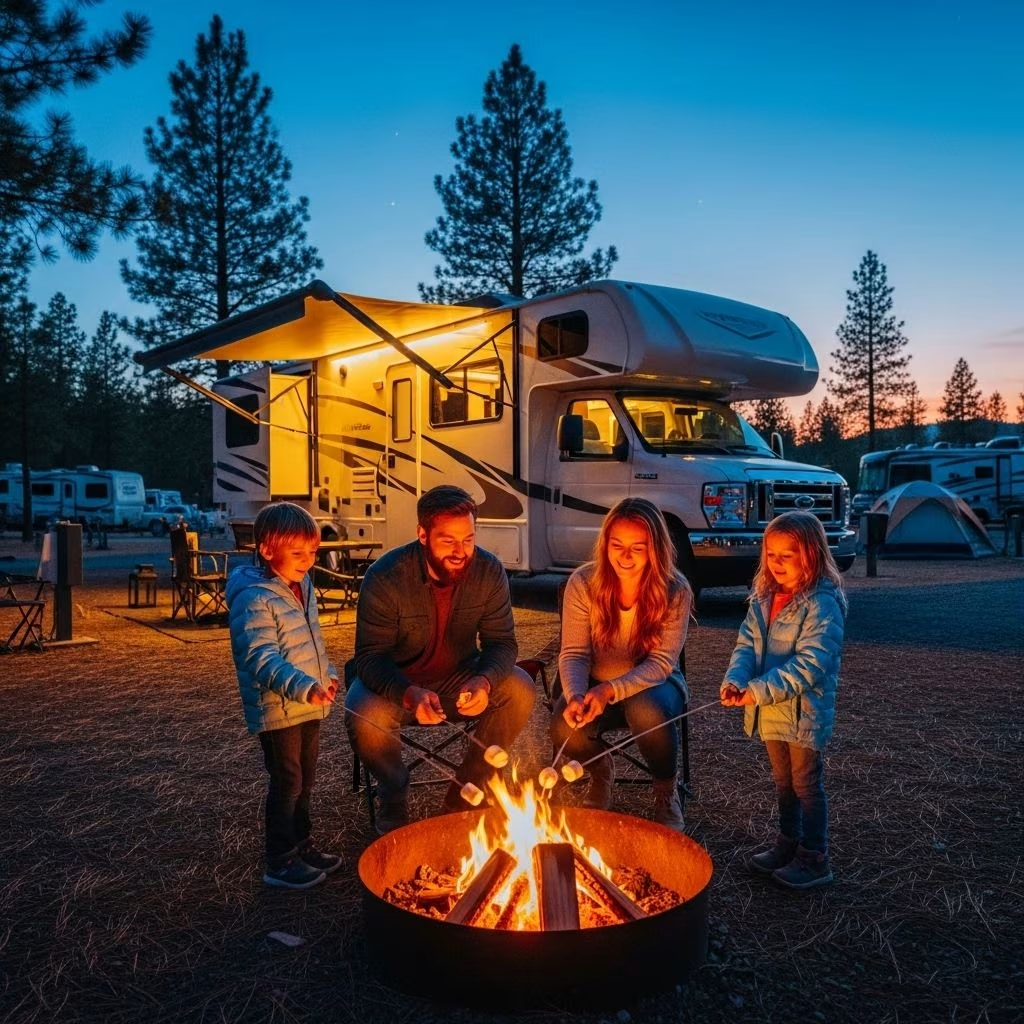
Sharing meals outdoors is part of the magic of RV life—embrace picnic tables and fireside dining!
7. Family Organization and Storage Solutions Are Key
Space in an RV is precious, so smart organization is crucial. Encourage each family member to pack light and favor multi-functional clothing and gear.
- Use storage bins, hanging organizers, and clearly labeled containers.
- Designate spaces for daily essentials, toys, and outdoor gear to keep the living area clutter-free.
- Secure all items before driving—RV cabinets and under-seat storage are your friends.
Flexibility is important, especially with kids. Encouraging everyone to pitch in helps maintain a tidy, comfortable environment.
8. Flexible Itineraries Make for Happy Travels
It’s tempting to plan every minute, but travel delays and unexpected discoveries are part of the RV experience.
- Build in extra time for each destination to allow for spontaneous adventures, rest breaks, or weather issues.
- Be open to changing plans—swap a day of driving for a local hike or lake swim if the mood strikes.
- Use online resources (and apps) to research sites, alternate routes, and campgrounds along your way.
Some of the most memorable moments come from the unplanned stops and discoveries along the journey.
9. Safety and Maintenance: Expect the Unexpected
Safety and peace of mind require a little preparation. A smoothly running RV trip depends on regular maintenance checks and readiness for minor repairs or health concerns.
- Inspect tires, brakes, and fluids before departure—and at each stop.
- Carry basic tools, a tire pressure gauge, and a first-aid kit.
- Familiarize yourself with the RV’s electrical and plumbing systems—call on park staff or mobile mechanics for help when needed.
- Keep emergency contact numbers and roadside assistance info readily available.
Remember to monitor weather conditions and adjust your plans for safety and comfort.
10. Make Memories: Engage in Family Fun and Local Experiences
At the heart of every family RV adventure are the memories you make together. Embrace the new, enjoy the journey, and foster appreciation for nature and each other’s company.
- Bring along favorite books, games, and art supplies for quiet evenings.
- Explore trails, lakes, and historic sites as a family—take plenty of photos to remember each stop.
- Keep a travel journal or scrapbook documenting your route, activities, and funny moments.
- Involve kids in daily chores and campground activities—it teaches responsibility and teamwork in a fun way.
Each family’s RV trip is unique, but the shared adventures last a lifetime. Take time to savor these moments together.
Frequently Asked Questions (FAQs)
Q: Can children safely travel and sleep in an RV?
A: Yes, children can safely travel in RVs when secured in age-appropriate car seats during driving. Many RVs have seat belts or tether anchors (check ahead), and beds are suitable once parked. Always double-check manufacturer safety recommendations for your specific vehicle.
Q: How do I find the best RV campgrounds for families?
A: Look for full-service RV parks that offer family amenities and activities. Read online reviews, and use resources like Campendium and RV Life to compare sites, amenities, and location.
Q: What if I need to work while traveling in an RV?
A: Many RV parks provide Wi-Fi, but speeds can vary. Consider bringing your own hotspot, and check ahead for reliable cell coverage if you need to work remotely. Flexible schedules and backup plans are helpful for remote work situations.
Q: What is the best way to plan an RV route?
A: Use RV-specific apps or GPS tools that account for your vehicle’s height and length. Avoid routes with low clearance bridges or restrictions. Pre-plan main stops but stay flexible for detours and scenic byways as you travel.
Q: Is it necessary to reserve campsites in advance?
A: For popular destinations and busy seasons, reservations are highly recommended, often months in advance. Some campgrounds fill quickly, especially near national parks and tourist areas. Off-season or less busy parks may offer more flexibility.
Final Thoughts
RV travel with your family is a blend of adventure, comfort, and shared exploration. A little preparation and flexibility go a long way toward ensuring your journey is memorable for all the right reasons. Whether it’s your first or tenth trip, each adventure offers fresh challenges and rewards. Happy travels!
References
- https://www.treelinereview.com/learn-skills/full-time-rv-road-trip
- https://travelswithwally.com/21-actionable-tips-solo-rving-across-america
- https://www.countryliving.com/life/travel/a39035/rv-travel-tips/
- https://rvinspectionandcare.com/rv-living-tips/
- https://weretherussos.com/rv-living-tips/
- https://theadventuredetour.com/how-do-people-afford-to-live-in-an-rv-full-time-cheap-rv-living/
- https://www.crazyfamilyadventure.com/3-years-of-full-time-rv-living/
- https://www.rvtravel.com/rvdt2636/
- https://roadslesstraveled.us/going-full-time-rving-how-to-transition-which-rv-is-best/