


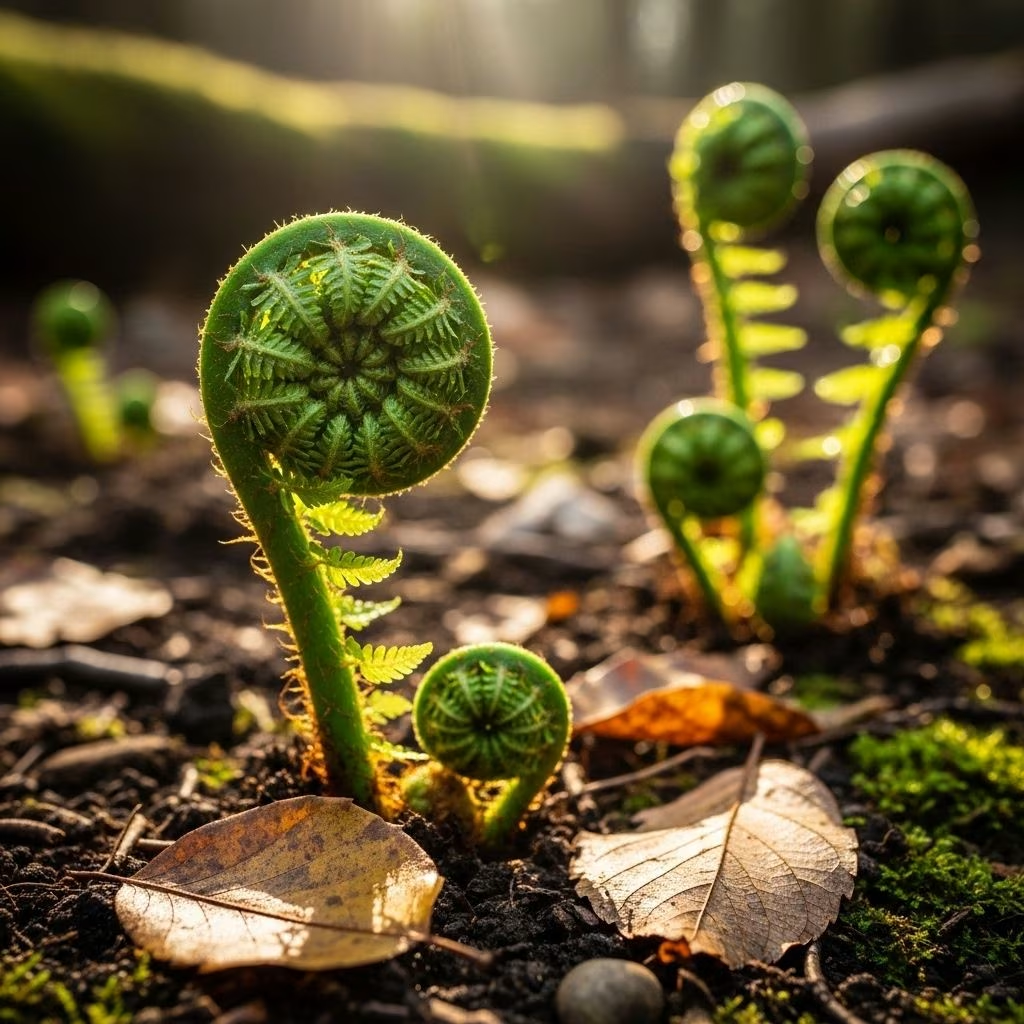
Fiddlehead ferns are among spring’s most enchanting natural delicacies—young, coiled fern fronds prized both for their culinary appeal and nutritional value. Both a hallmark of foragers and a favorite of chefs, these vibrant green spirals signal the arrival of a new season and offer a taste as unique as their appearance. This guide explores what fiddlehead ferns are, their anatomy, life cycle, health benefits, culinary uses, safety considerations, and much more.
What Are Fiddlehead Ferns?
Fiddlehead ferns are the tightly coiled young fronds of certain fern species, harvested early in spring before they unfurl into mature leaves. Named for their resemblance to the scroll on a violin (fiddle), these vibrant green spirals are fleetingly available and highly sought after as a springtime vegetable .
Not all ferns produce edible fiddleheads, and only specific species are commonly consumed across the globe. They have a long history as a wild-gathered food and a brief—but memorable—season each year .
Anatomy and Growth of Fiddlehead Ferns
Understanding the structure and growth of fiddleheads is key to appreciating their uniqueness:
- Coiled Frond: The essential feature of a fiddlehead is its tightly curled frond. This coiling is known as circinate vernation, an adaptation that protects the delicate foliage as it develops .
- Protective Scales: Most fiddleheads are sheathed in a thin, brown, and papery covering called the indusium or scales. This husk guards against environmental threats and helps retain moisture .
- Stem (Stipe): The coiled frond is connected to a short, often grooved stem. In ostrich ferns, for example, this stem usually has a U-shaped groove used as a conduit for water and nutrients .
- Leaflets (Pinnae): Inside the coil are compressed immature leaflets, which will expand as the frond unfurls .
- Emergence: Fiddleheads emerge from the soil in clusters, often alongside rivers, in forest understories, and damp, shaded habitats. They appear as the first new growth in spring, a sign of the forest’s annual renewal .
This intricate biology ensures the young fronds are well protected and primed for growth, which makes their short spring season even more special for foragers and chefs alike.
Edible Varieties of Fiddlehead Ferns
While many ferns produce curled shoots, only a handful are considered safe and flavorful for human consumption. The most well-known edible varieties include:
- Ostrich Fern (Matteuccia struthiopteris): The premier species for culinary use in North America and parts of Europe. Its fiddleheads are smooth, deep green, with a signature groove inside the stem, and are prized for their tender, subtle taste .
- Lady Fern (Athyrium filix-femina): Common in temperate climates, with thinner, delicate shoots. Not as widely consumed as ostrich fern, but popular in certain regions .
- Bracken Fern (Pteridium aquilinum): Found on multiple continents, bracken fiddleheads are traditionally eaten in Asia but can be toxic if not prepared correctly due to certain compounds (see safety section) .
- Cinnamon Fern (Osmunda cinnamomea): Sometimes foraged in North America, but generally considered less palatable .
- Vegetable Fern (Diplazium esculentum or Athyrium esculentum): Popular in Southeast Asia and the Pacific, valued for its edible shoots without bracken toxicity .
- Royal Fern (Osmunda regalis), Flowering Fern (Osmunda japonica), and Stenochlaena palustris: Regionally popular edible types in Asia and Oceania .
| Fern Species | Geographic Range | Edibility & Flavor Notes |
|---|---|---|
| Ostrich Fern (Matteuccia struthiopteris) | North America, Europe, Asia | Mild, crunchy, best for culinary use |
| Lady Fern (Athyrium filix-femina) | Temperate Northern Hemisphere | Delicate, slightly grassy |
| Bracken Fern (Pteridium aquilinum) | Worldwide | Traditional in Asia; toxic if not processed correctly |
| Vegetable Fern (Diplazium esculentum) | Asia, Oceania | Popular edible; no bracken toxins |
| Cinnamon Fern (Osmunda cinnamomea) | Eastern North America | Occasionally eaten, less palatable |
Nutritional Benefits of Fiddlehead Ferns
Fiddlehead ferns are valued not just for their taste, but for an impressive nutritional profile:
- Rich in Vitamins: Abundant in vitamins A and C, providing antioxidant and immune-boosting benefits.
- Mineral Content: Contain minerals such as iron, potassium, magnesium, and manganese.
- Antioxidants: Possess a variety of antioxidants thought to combat cellular stress and support overall wellbeing.
- Low in Calories: Very low in fat and calories, making them excellent for light, health-conscious dishes.
- Fiber: Supply dietary fiber for digestive health.
Due to their short harvest season, they are best enjoyed fresh for the highest nutrient content.
Culinary Uses: How to Cook and Serve
Fiddleheads are a traditional delicacy in springtime cuisine, embraced by foragers, chefs, and home cooks for their fleeting season, vibrant color, and delicate flavor.
- Preparation: Remove any remaining brown scales and rinse thoroughly. Discard any discolored or soft fiddleheads.
- Blanch First: Fiddleheads should be boiled or steamed (blanched) for at least 10–15 minutes to neutralize natural toxins and ensure tenderness, then quickly plunged into ice water to retain color.
- Recommended Cooking Methods:
- Light sautéing in olive oil or butter, often with garlic or shallots
- Incorporated into spring omelets, frittatas, or quiches
- Served in salads, pastas, or risottos
- Pickled for year-round enjoyment
- Paired as a vegetarian side dish with fish, poultry, or wild game
- Do Not Eat Raw: Always cook fiddlehead ferns before consuming; raw fiddleheads can harbor toxins or microorganisms.
What Do Fiddleheads Taste Like?
Fiddleheads offer a flavor profile that is distinct yet reminiscent of several familiar vegetables:
- Fresh, grassy, and woodsy, with spring-vegetable undertones
- Notes akin to asparagus, artichoke, green beans, and mushrooms
- Crisp, succulent texture with a mild nuttiness, especially when lightly cooked
- Light bitterness, which mellows with proper preparation
- A subtle snap when bitten into, not unlike a blanched green bean
Because of their unique taste and texture, fiddlehead ferns are best showcased in simple preparations where their character can shine.
Foraging and Sustainability
Foraging for fiddleheads is a cherished seasonal tradition, but it must be done responsibly to protect both harvesters and local ecosystems:
- Harvest only from abundant, healthy fern populations, and never take more than half of the available fiddleheads from each crown to ensure the parent plant’s survival .
- Use a gentle hand and a clean knife or scissors to avoid damaging the plant.
- Always forage only species you can definitively identify as edible; misidentification can be hazardous.
- Observe local guidelines regarding protected or at-risk native ferns.
Sustainable harvesting practices not only help preserve wild fern populations, but also support healthy, robust forests for generations to come.
Health and Safety Considerations
Not all fiddleheads are edible, and some can be toxic if improperly prepared:
- Ostrich fern is widely considered the safest and most palatable variety for consumption .
- Bracken fern contains ptaquiloside and thiaminase, compounds associated with carcinogenicity and thiamine deficiency; only traditional, thoroughly processed preparations are considered safe .
- Healthy cooking: Always boil or steam for 10–15 minutes before sautéing or adding to recipes to eliminate potential toxins and reduce the risk of foodborne illness.
- Symptoms of Toxicity: Eating undercooked or raw fiddleheads may result in nausea, vomiting, diarrhea, or abdominal pain.
- People with plant allergies should use caution when trying any wild edible for the first time.
Edibility varies among species, so reliance on an experienced forager or botanist is advised for identification and safe consumption.
Cultural Significance Around the World
Fiddlehead ferns have been prized as food and medicine in regions across the globe:
- North America: Foraged by Indigenous peoples and settlers alike, especially in eastern Canada and the northeastern United States.
- East Asia: Fiddleheads are a springtime delicacy in Japan (as warabi and zenmai) and Korea (as gosari).
- Southeast Asia & Oceania: Species like Diplazium esculentum are integral to rural diets and honored in local cuisine and traditional medicine.
- Europe: Eaten in select parts of Scandinavia and Eastern Europe during spring festivals and celebrations.
Across continents, these wild greens are valued for their symbolism of rebirth and renewal, as well as their culinary allure.
Buying, Harvesting, and Storage Tips
- Buy fiddleheads from reputable grocers or markets specializing in wild produce during their short spring season.
- Choose specimens that are tightly coiled, firm, and free of blemishes or slime. Avoid oversize, floppy, or yellowed fronds.
- Refrigerate fresh fiddleheads unwashed in a breathable bag for up to two days for best flavor and texture.
- Wash just before use, changing the water several times to remove any soil or grit.
- Fiddleheads may be blanched and frozen for long-term storage (up to several months) or pickled for year-round enjoyment.
Frequently Asked Questions (FAQs)
Q: Are all fiddlehead ferns safe to eat?
A: No. Only certain species such as ostrich fern are recommended for culinary use. Many others, like bracken, confer toxicity risks unless thoroughly prepared under expert guidance.
Q: How long is the fiddlehead season?
A: Extremely brief; generally only a few weeks in early to mid-spring depending on climate. This window can be even shorter in some locations—sometimes less than two weeks.
Q: Why should fiddlehead ferns never be eaten raw?
A: Raw or undercooked fiddleheads contain compounds and microbes that can cause foodborne illness. Always boil or steam them for at least 10–15 minutes before consuming.
Q: What is the best way to serve fiddleheads?
A: After blanching, enjoy them simply sautéed with butter or olive oil, tossed in salads or pasta, pickled, or added to light spring soups. Their distinctive shape and flavor pair well with eggs, grains, and mild fish.
Q: Can fiddleheads be grown in home gardens?
A: Yes, particularly ostrich fern, when provided with a shaded, damp location and rich soil. Allow mature fronds to grow each year so the plant remains healthy and productive.
References
- https://www.foraged.com/blog/the-anatomy-of-a-fiddlehead-and-how-it-grows
- https://specialtyproduce.com/produce/Fiddlehead_Ferns_551.php
- https://en.wikipedia.org/wiki/Fiddlehead
- https://foragerchef.com/how-to-identify-and-cook-fiddlehead-ferns/
- https://extension.umaine.edu/publications/4198e/
- https://gobotany.nativeplanttrust.org/species/matteuccia/struthiopteris/
- https://fearlesseating.net/fiddleheads/
- http://guide.michelin.com/us/en/article/features/fiddlehead-ferns-ingredient-food


