


Explore the distinctive baking roles, smart substitutes, and nutritional value of semolina flour in global cuisines.
Introduction to Semolina Flour
Semolina flour is a staple ingredient in bakeries, home kitchens, and culinary traditions around the world. Celebrated for its unique texture, nutty flavor, and distinctive color, this coarse wheat flour shapes iconic foods such as pasta, classic breads, daring desserts, and more. Its versatility and impressive nutrition have made semolina a go-to for both traditional and modern baking applications.
Semolina Flour: Origin and Overview
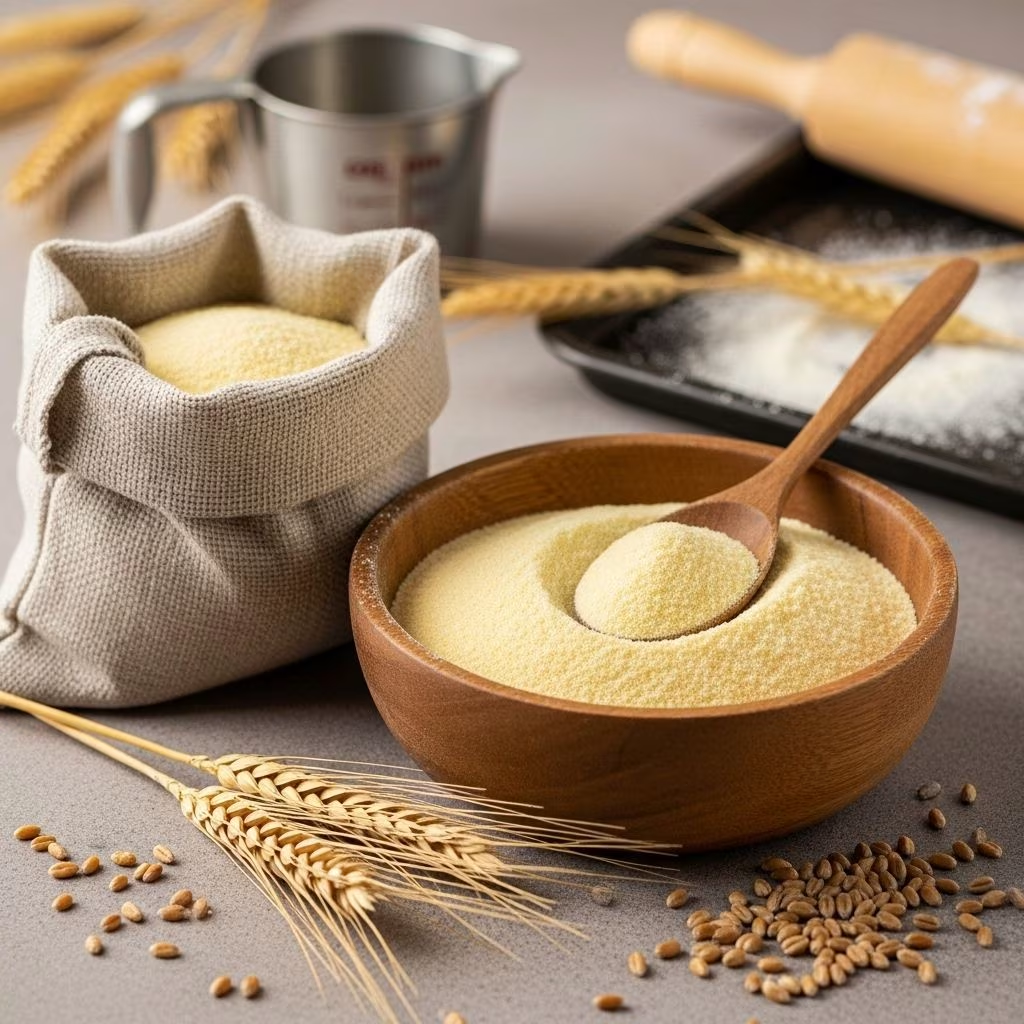
Semolina is a coarse, pale yellow flour milled from the endosperm of hard durum wheat (Triticum durum). Its name is derived from the Italian word “semolino,” meaning bran. Distinct from all-purpose or whole wheat flours, semolina possesses a higher protein and gluten content, which is essential for certain baked goods and pasta, providing them with their characteristic texture and bite.
- Source: Primarily extracted from durum wheat.
- Texture: Coarser and sandier than all-purpose flour.
- Color: Typically yellow or golden due to carotenoid pigments.
- Flavor: Mildly sweet, earthy, and nutty.
- Availability: Found in most supermarkets, specialty baking stores, and cultural food markets.
Distinctive Characteristics of Semolina
What makes semolina stand out among flours?
- High Protein Content: Providing 12-13% protein, semolina is ideal for gluten development—a necessity for chewy pastas and well-structured breads.
- Gluten Strength: The type of gluten produced by durum wheat gives elasticity and strength, crucial for certain doughs.
- Coarse Texture: The gritty quality is perfect for dusting surfaces and achieving crispy crusts.
- Natural Pigments: The golden hue sets semolina-based foods apart visually.
Baking Uses of Semolina Flour
Semolina’s unique textural properties and flavor profile make it a versatile component in a wide array of baking applications. Below are notable ways semolina is utilized in baking:
Breads
- Semolina Bread: Often made by blending semolina with bread or all-purpose flour, producing bread with a golden crust and a chewy interior. This combination offers extra crunch and depths of flavor, as seen in artisan Dutch oven breads and semolina baguettes.
- Flatbreads & Focaccia: Used across the Mediterranean, semolina imparts both structure and a pleasant bite to classic focaccia.
Cakes & Cookies
- Lemon Semolina Cake: The flour’s nutty flavor and crumbly bite pairs well with citrus for light, distinctive cakes.
- Semolina Biscotti: Adds durability and crunch, resulting in cookie varieties with a vivid yellow color and subtle texture.
Pastries & Desserts
- Greek Custard Cake (Politiko Thessalonikis): Semolina forms the base of the creamy custard in this traditional Greek cake, which is often enriched with flavors like cinnamon.
- Puddings & Halwa: In South Asian and Middle Eastern cuisines, semolina is cooked with sugar, ghee, and nuts for smooth desserts such as Sooji Ka Halwa.
- French Semolina Cake (Gâteau de Semoule): A simple classic highlighting the flour’s lightness and mellow flavor.
Pasta & Dumplings
- Fresh Pasta and Gnocchi: Semolina is the quintessential flour for traditional Italian pasta, imparting the desired chew thanks to its gluten strength and protein content. Used for rustic pastas, gnocchi alla romana, and more.
- Mediterranean Pancakes (Qatayef): These springy pancakes are fortified with semolina to achieve their signature tender-yet-strong crumb for holding sweet or nutty fillings.
Other Uses
- Dusting and Nonstick Agent: Semolina’s coarse grit is ideal for dusting baking trays, pizza peels, or proofing baskets to prevent sticking—much like cornmeal.
- Substitute for Cornmeal: Semolina can be boiled for porridges similar to grits, or incorporated into baked goods for a textured finish.
Popular Semolina Baking Recipes
| Recipe | Region/Cuisine | Description |
|---|---|---|
| Semolina Baguettes | French | Baguette with golden hue and nutty flavor, chewier than classic baguettes. |
| Lemon Semolina Cake | Mediterranean/Italian | Light crumb, subtle texture, and bright lemon notes. |
| Qatayef Pancakes | Middle East | Delicate pancakes sturdy enough for sweet nutty fillings. |
| Semolina Pasta | Italian | Durable, elastic noodles with a slightly gritty bite. |
| Semolina Biscotti | Italian | Crispy, golden-hued cookies for dipping or snacking. |
| Sooji Ka Halwa | South Asian | Creamy, sweet pudding garnished with nuts and raisins. |
Semolina in World Cuisine
Semolina’s reach stretches far beyond Italian pasta. It’s a foundation in numerous regional specialties:
- Indian Cuisine: Used as “sooji” in halwa, idli, upma, and various savory snacks.
- Middle Eastern Cuisine: Forms the base of qatayef, basbousa, and other cakes and pancakes.
- Mediterranean Desserts: Semolina is key in Greek revani cake, Turkish irmik helvasi, and Egyptian basbousa.
- French Baking: Finds its place in classic cakes like gâteau de semoule and loaf breads.
- Eastern European Cuisine: Featured in dumplings, porridge, and dessert bakes.
Substitutes for Semolina Flour
When semolina isn’t available, the following substitutes can emulate its texture and function, though some adaptations to the recipe may be necessary:
- All-Purpose Flour: For cakes and cookies, all-purpose flour is a workable swap, though the final product will lack the distinct chewiness and golden color of semolina. For best results, use up to 75% all-purpose flour, keeping at least a portion semolina for structure.
- Bread Flour: Higher in protein than all-purpose, it’s suitable for yeast breads, though loaf will be less grainy.
- Whole Wheat Flour: Closest in protein content but produces denser, darker results.
- Cornmeal: Excellent for dusting surfaces or replicating a coarse, nonstick finish, but flavor differs substantially and gluten content is negligible.
- ’00’ Pizza Flour: Ultra-fine wheat flour that pairs well for pasta when mixed with all-purpose, but lacks the gritty texture.
- Rice Flour or Farina: For gluten-free alternatives, rice flour or farina (cream of wheat) can provide similar structure in certain puddings or pancakes but adjust for lower gluten.
Tip: In pasta, semolina imparts the critical chew. Substitute with a blend (such as 50% bread flour, 50% all-purpose) for a closer match.
Nutrition Profile of Semolina Flour
Semolina flour is not just functional in the kitchen—it’s also nutritionally robust. Below is a general nutritional breakdown per 100g serving (values may vary between brands and fortifications):
| Nutrient | Amount per 100g | Key Health Benefits |
|---|---|---|
| Calories | 340 kcal | Provides sustained energy for activity |
| Protein | 12-13 g | Construction and repair of tissues |
| Carbohydrates | 72 g | Source of digestive and metabolic energy |
| Dietary Fiber | 3-4 g | Aids digestive health |
| Fat | 1-2 g | Low in total fat |
| Iron | 10% DV | Supports healthy blood cells |
| B Vitamins (Folate, Thiamin) | About 10-15% DV | Vital for metabolism and cell function |
| Potassium | 180 mg | Electrolyte balance and muscle function |
Semolina is low in sugar, contains minimal saturated fat, and is cholesterol-free. Its relatively slow-digesting carbohydrates provide steady energy, making it suitable for athletes and active individuals. The presence of iron and B vitamins supports red blood cell production and overall metabolic health.
Health Considerations & Dietary Implications
While semolina offers abundant nutrients, there are specific dietary factors to consider:
- Gluten Content: As a product of durum wheat, semolina contains significant gluten and is not suitable for individuals with celiac disease or severe gluten intolerance.
- Glycemic Index: Semolina has a moderate glycemic index; it raises blood sugar more slowly than refined white flour due to protein and fiber, but should still be consumed thoughtfully by people with diabetes.
- Allergies: Wheat allergies exclude the use of semolina.
- Nutrient Density: Fortified semolina boosts the intake of key micronutrients, especially when chosen in enriched forms (common in commercially available options).
Frequently Asked Questions (FAQs)
Q: Can I use semolina flour instead of all-purpose flour in baking?
A: You can replace up to 25% of all-purpose flour with semolina flour in cakes, muffins, and cookies for added flavor and texture. For yeast breads and pasta, semolina is often used in greater proportions to build structure and chew.
Q: Is semolina flour the same as other wheat flours?
A: No. Semolina is milled from durum wheat, giving it a distinct color, gritty texture, and higher protein content compared to flours milled from soft wheat varieties.
Q: Is semolina flour gluten-free?
A: Semolina flour contains gluten and is not suitable for gluten-free diets. For gluten-free baking, consider alternatives like rice flour or cornmeal.
Q: What does semolina flour taste like?
A: Semolina flour has a mild, nutty, slightly earthy flavor with a subtle sweetness. Its coarse texture yields a pleasant crunch in baked goods and pasta.
Q: How should semolina flour be stored?
A: Store in an airtight container in a cool, dry place. For longer shelf life, refrigerate or freeze semolina flour, especially in warm climates.
Conclusion
Semolina flour remains a cornerstone of countless cherished recipes—from the crustiest artisan breads to the smoothest traditional puddings and vibrant pastas. Its distinctive color, flavor, and nutritional benefits make it beloved by bakers and chefs worldwide. By understanding its best uses, optimal substitutes, and nutritional virtues, you can confidently incorporate semolina flour into your baking repertoire for outstanding results in both taste and health.
References
- https://www.kingarthurbaking.com/blog/2023/06/20/what-is-semolina-flour-and-how-do-i-bake-with-it
- https://bakefromscratch.com/sensational-semolina-bakes/
- https://www.gourmettraveller.com.au/recipe-collections/semolina-recipes-20971/
- https://www.lexasrecipes.com/semolina-bread/
- https://www.youtube.com/watch?v=rJQaCdyNYq0
- https://zerowastechef.com/2023/10/04/so-good-semolina-pastry-recipe/


