


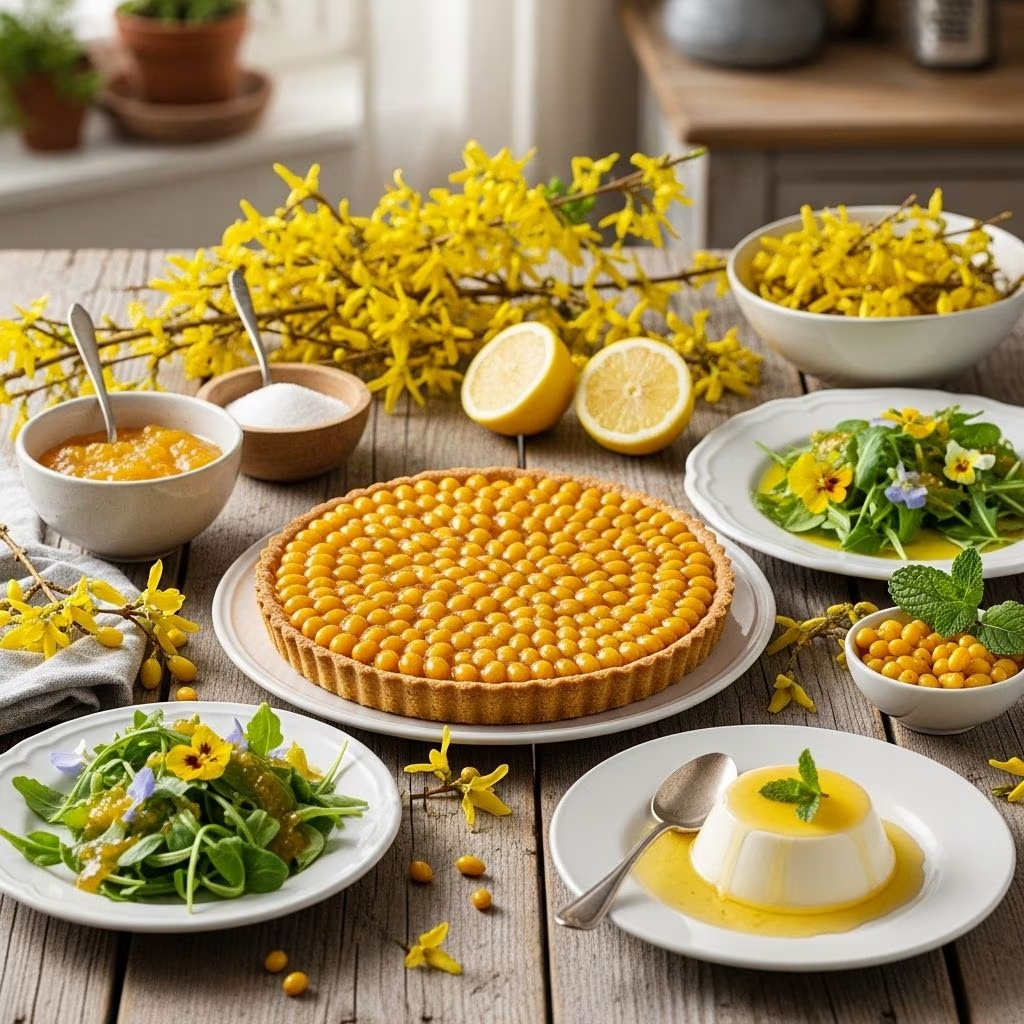
Forsythia, with its vibrant yellow blossoms, not only heralds spring but also offers a surprising culinary delight. Many home cooks and foragers overlook these early blooms, but forsythia is both edible and versatile, ideal for everything from jellies and teas to salads and elegant snacks. This comprehensive guide explores the best forsythia fruit recipes and the secrets behind perfect preparation, preservation, and serving.
About Forsythia: Edibility & Culinary Uses
Forsythia (Forsythia suspensa)—known for its cheerful yellow flowers—blooms early in spring and is best known as an ornamental shrub. Lesser known is its edible nature. Forsythia’s petals are mild, faintly sweet, and have subtle peachy notes, making them a delightful ingredient for recipes that call for floral undertones. Both supports wellness traditions and summer refreshment.
- Popular in traditional Chinese medicine for anti-inflammatory and immune-supporting properties.
- Petals and blooms are the only parts considered edible.
- May be enjoyed fresh, steeped, or preserved.
Preparing Forsythia Flowers for Cooking
Proper preparation is crucial for both taste and safety. Follow these steps before using forsythia in recipes:
- Harvest Fresh Flowers: Pick unsprayed, organically grown blossoms. Collect blooms in the morning for peak freshness.
- Remove Green Bases: The small green base at the bottom of each flower is bitter and must be removed. Use only the yellow petals for a sweet, peachy flavor.
- Rinse Thoroughly: Gently wash petals to eliminate dust, pollen, and insects.
- Dry Carefully: Pat the petals dry with a towel, or air-dry on clean cloth.
Top Forsythia Fruit Recipes
Forsythia flowers can be used in a surprising array of dishes, both sweet and savory. Below we detail the best recipes for classic jellies, teas, syrups, salads, and snacks.
Classic Forsythia Jelly
Nothing captures the essence of spring quite like forsythia jelly. The jelly’s delicate floral aroma and color are reminiscent of peaches, and it makes a lovely spread for toast or scones.
Ingredients
- 4 cups fresh forsythia blossoms (yellow petals only, green bases removed)
- 4 cups water
- 2 tablespoons lemon juice
- 1–4 cups sugar (to taste; start with less and add more for a lighter flavor)
- 1 box powdered pectin (1.75 oz, regular or low sugar)
Instructions
- Separate and clean the blossoms. Carefully remove all green parts to avoid bitterness.
- Steep in water: Pour 4 cups boiling water over the cleaned petals, cover, and steep for 15–20 minutes.
- Strain tea into a saucepan, discarding petals.
- Add lemon juice (boosts color, flavor, and safety).
- Bring to boil and stir in powdered pectin. Boil for 1 minute.
- Add sugar gradually, stirring until fully dissolved. Bring the mixture back to a rolling boil for 1 minute.
- Ladle into sterilized jars, leaving 1/4 inch headspace.
- Process in a water bath for 10 minutes (15 if over 6,000 ft elevation) or allow to cool and store in the fridge for up to 1 month (or freezer for 6 months).
Tips for Perfect Jelly
- Do not add sugar before the pectin—this ensures a good set.
- Use only yellow petals for best color and flavor.
- Lemon juice increases acidity, improves set, and brightens flavor.
Forsythia Tea & Syrup
Delicate and peachy, forsythia tea is a springtime treat served hot or iced; forsythia syrup is ideal for drizzling on pancakes or stirring into cocktails.
Forsythia Tea
- 1/4 cup fresh forsythia petals (green sepals removed)
- 1 cup hot (<80°C) water
- Honey or lemon, optional
- Place petals in a teapot or infuser.
- Pour over hot water and steep 10–15 minutes.
- Strain and serve with optional sweetener.
Tip: Longer steeping brings richer floral notes without bitterness.
Forsythia Syrup
- 1 cup forsythia petals
- 1 cup water
- 1 cup sugar or honey
- Zest of 1 lemon (optional)
- Simmer petals in water for 10–15 minutes. Strain.
- Add sugar/honey and lemon zest. Simmer until syrup thickens.
- Bottle and refrigerate. Use on waffles, toast, or in drinks.
Salads, Snacks & Breakfast with Forsythia
Forsythia Blossom Salads
The brilliant yellow petals brighten any spring salad. Try these serving ideas:
- Top fresh spinach, arugula, or dandelion greens with forsythia petals, sliced cucumbers, goat cheese, and a light vinaigrette.
- Combine forsythia with other edible flowers (nasturtium, pansy, calendula) for a vibrant, nutritious salad.
- Mix forsythia into a fruit salad with honeydew, kiwi, berries, and grapes for a sweet, fragrant touch.
Forsythia in Breakfasts & Snacks
- Blossom Syrup on Pancakes: Drizzle homemade forsythia syrup over waffles or pancakes for floral sweetness.
- Forsythia Breakfast Tea: A gentle, caffeine-free way to welcome the day.
- Edible Flower Cheese Log: Mix cream cheese with herbs, roll in forsythia petals and other flowers, and serve as a unique appetizer.
- Floral Herb Butter: Blend softened butter, forsythia petals, and mild herbs (dill, tarragon, chervil); serve on toasted baguette slices.
- Edible Flower Cookies: Press forsythia blossoms onto shortbread or vegan cookie dough before baking for a stunning spring treat.
Forsythia also makes a beautiful garnish on cheese boards, or pressed onto cakes and desserts for a natural, elegant finish.
How to Preserve Forsythia Flowers
- Drying: Air-dry petals on clean cloth for tea blends or decoration.
- Jelly or Syrup: Prepare jellies and syrups for long-term enjoyment.
- Freeze Cleaned Petals: Preserve petals for up to six months for use in winter teas or desserts.
Store finished products in sterilized, airtight containers away from direct sunlight for maximum shelf life and flavor.
Safety Tips and Allergy Notes
- Use only petals from unsprayed, non-polluted garden bushes—never from roadside or commercially treated plants.
- Remove green sepal/bases to avoid bitterness.
- Pregnant women or individuals on blood thinners should consult a health professional before consuming forsythia due to possible blood-thinning effects.
- Always test a small amount first to check for rare allergic reactions.
Frequently Asked Questions (FAQs)
Q: Are all parts of forsythia edible?
A: Only the petals and flowers are considered edible. Remove green bases and avoid leaves, stems, and berries.
Q: Does forsythia taste sweet?
A: The petals have a light, mildly sweet flavor with faint peach notes, perfect for floral desserts and drinks.
Q: What is the best time to harvest forsythia?
A: Early to mid-spring, as soon as the blooms have fully opened but remain fresh and untarnished.
Q: Can you preserve forsythia for later use?
A: Yes! Dry petals for teas, make jelly or syrup, or even freeze cleaned petals for winter recipes.
Q: Are there health benefits to eating forsythia?
A: Forsythia has a history of use in traditional medicine for its possible anti-inflammatory and immune-supporting effects, but consult your doctor for advice specific to your health.
Q: Can forsythia be used in cocktails?
A: Absolutely! Forsythia syrup and infused spirits add a floral note to cocktails—try stirring syrup into gin fizzes or adding petals to homemade bitters.
Final Tips for Cooking with Forsythia
- Start Simple: Begin with tea or jelly to appreciate forsythia’s subtle flavor.
- Pairing Flavors: Forsythia pairs well with citrus, honey, berries, mild herbs, and other spring greens.
- Presentation: Use whole petals for decorative effect on cakes or salads.
- Preservation: Explore jelly and syrup making for long shelf-life; dried petals for tea blends year-round.
Forsythia brings both beauty and flavor to your kitchen, offering a range of creative possibilities for home cooks and seasoned foragers alike. With the right preparation and a little inspiration, these golden blossoms can brighten your plate and palate throughout the year.
References
- https://creativecanning.com/forsythia-jelly/
- https://adamantkitchen.com/forsythia-recipes/
- https://adamantkitchen.com/forsythia-tea/
- https://www.growforagecookferment.com/forsythia-syrup/
- https://localkitchenblog.com/2010/04/13/forsythia-syrup/
- https://adventuresincooking.com/lemon-and-forsythia-syrup/
- https://thenerdyfarmwife.com/9-things-to-make-with-forsythia-flowers/
- https://www.eattheweeds.com/foraging-for-forsythia-2/
- https://homesteadlady.com/forsythia-dandelion-jelly-recipe/
- https://serendibkitchen.com/2021/04/04/making-forsythia-tea/


