


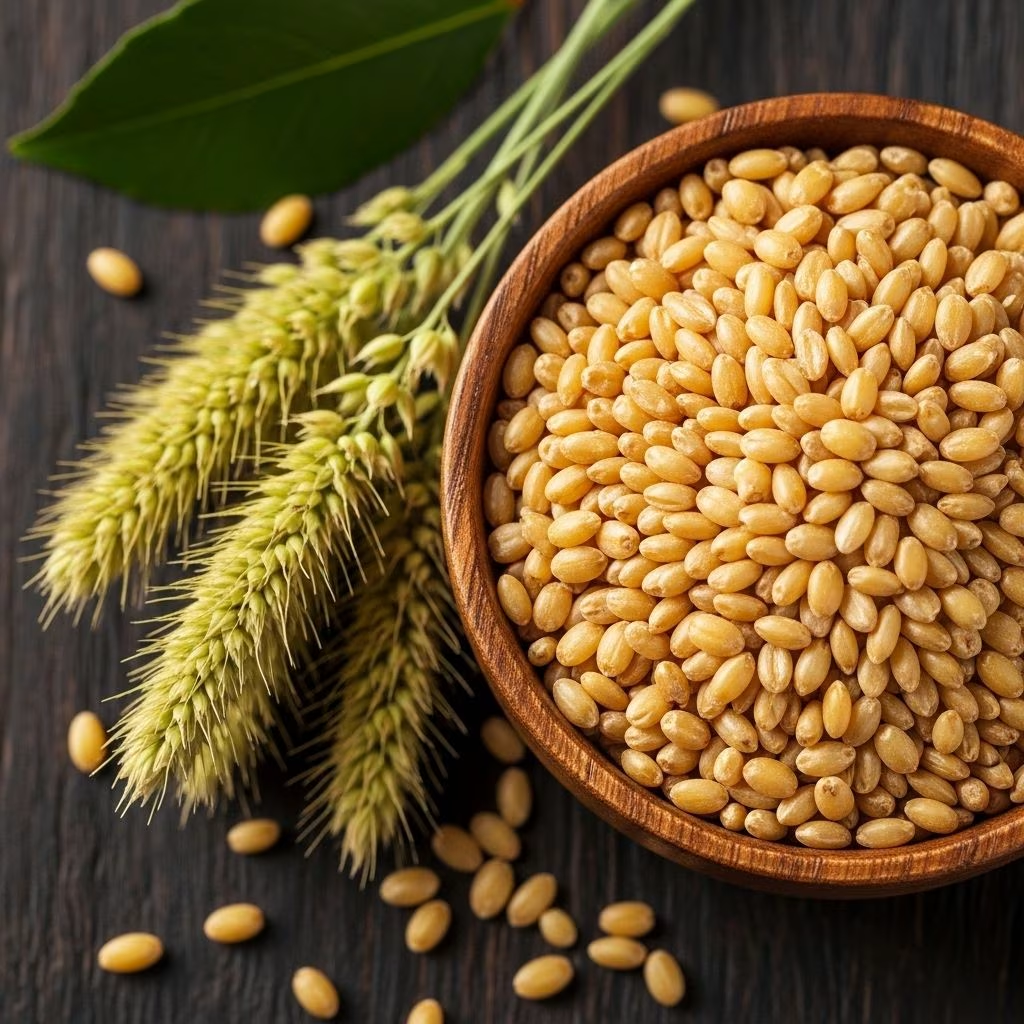
Foxtail millet (Setaria italica) is an ancient cereal grain prized for its adaptability, impressive nutritional profile, and versatile culinary applications. Once a staple of ancient cultures and now celebrated for its health benefits and environmental resilience, foxtail millet is undergoing a global resurgence. This comprehensive guide covers the grain’s origins, cultivation, health benefits, common uses, and its unique flavor, offering everything you need to know to embrace this remarkable millet.
Introduction to Foxtail Millet
Foxtail millet is one of the world’s oldest cultivated plants, classified in the grass family Poaceae. Botanically known as Setaria italica, this millet is the second-most widely grown millet globally and has sustained generations across Asia, Africa, and Europe. In recent years, foxtail millet has gained popularity as a gluten-free alternative in health-conscious and traditional diets alike, appreciated for its nutritional density, resilience in challenging climates, and culinary versatility.
History and Origins of Foxtail Millet
The origins of foxtail millet trace back over 8,000 years to ancient China, where archaeological evidence from the Yellow River Valley underscores its early domestication. Foxtail millet was revered in ancient Chinese rituals; it was one of the five “holy grains” sown ceremonially by emperors as early as 2700 BCE. Its spread follows ancient trade routes into India, Central Asia, Japan, and parts of Europe.
Known by various names such as dwarf setaria, Italian millet, and Hungarian millet, foxtail millet became crucial to agricultural communities for its dependable yields—even in drought-prone or marginal soils.
Botanical Description and Cultivation
Foxtail millet is an annual grass that grows between 2 and 6 feet (60–200 cm) tall. Its stems are erect and slim, bearing broad, green leaves similar to those of common millet, but generally less hairy. The characteristic inflorescence is a dense, bristly panicle (commonly described as “foxtail”-like), 2–12 inches (5–30 cm) long, with spikelets mixed among distinctive, stiff bristles that may display yellow, reddish or purplish hues.
Each small, oval seed is about 2 mm in diameter. The hull is papery and easy to remove, making processing simple.
Growth Habits and Adaptation
- Thrives in a variety of soils (from sandy to loamy, pH 5.5–7).
- Rapid growth in warm weather (harvested 75–90 days after planting).
- Highly drought-tolerant; adapts to semi-arid regions and requires less water than other cereal crops.
- Grows well in both highland and lowland conditions and at elevations up to 1500 meters.
- High tolerance to soil salinity.
Geographical Distribution
- Asia: Especially important in China and India, as well as Nepal, Japan, and Korea.
- Europe: Secondary importance, mainly in Eastern and Southern regions.
- United States: Cultivated mostly in the Great Plains for forage and hay.
- Africa and Russia: Also cultivated in select regions, particularly for its hardiness.
Nutritional Profile of Foxtail Millet
Foxtail millet is celebrated for its rich nutrient content and suitability as a gluten-free grain. Its whole grain status means it offers a mix of macronutrients, dietary fiber, vitamins, and minerals.
| Component | Typical Value |
|---|---|
| Calories | 340–365 kcal |
| Carbohydrates | 60–70 g |
| Dietary Fiber | 6–8 g |
| Protein | 11–13 g |
| Fat | 2.5–4 g |
| Calcium | 30–40 mg |
| Iron | 2.7–3.5 mg |
| Magnesium | 80–90 mg |
| B vitamins | B1, B2, B3 in significant amounts |
| Gluten | Absent (naturally gluten-free) |
Its moderate to high protein, along with a mix of macro and micro-nutrients, makes foxtail millet an excellent option for balanced diets and those with gluten intolerance or celiac disease.
Health Benefits
Regular consumption of foxtail millet offers several health advantages:
- Supports Metabolic Health: The low glycemic index (GI) helps regulate blood sugar levels, making foxtail millet suitable for those with diabetes and for metabolic syndrome management.
- Promotes Heart Health: Rich in dietary fiber and magnesium, foxtail millet can lower cholesterol and support cardiovascular function.
- Improves Digestive Health: High fiber content encourages good digestion and regular bowel movements, reducing constipation risk.
- Strengthens Bones: Contains nutrients like calcium, phosphorus, and magnesium for optimal bone health.
- Weight Management: The combination of fiber, protein, and slow-release carbohydrates increases satiety and reduces unhealthy snacking.
- Antioxidants: Millet grains contain phenolic compounds and antioxidants that combat cellular stress.
- Suitable for Gluten-Free Diets: An excellent substitute for wheat and other gluten-containing grains for those with allergies or celiac disease.
- Supports Environmental Sustainability: Its drought tolerance and modest soil requirements mean foxtail millet has a lower environmental impact compared to other cereals.
Culinary Uses and Preparation
Foxtail millet’s versatility is showcased in kitchens around the world. Its delicate flavor, fluffy texture, and rapid cooking time make it suitable for a wide array of traditional and modern dishes.
Traditional Uses
- Asia: Used as a staple or side dish, often replacing rice or wheat. It appears in porridges, rotis, steamed breads (Idli, Dhokla), and sticky rice cakes (as in Japan’s “Mochi-Awa”).
- India: Heavily featured in local “millet Idli,” “Dosa,” and “Pulao” recipes, along with snacks and breakfast foods.
- China, Korea, and Japan: Cooked as a porridge, mixed with legumes or vegetables, or brewed for traditional alcoholic drinks.
Modern Applications
- Gluten-free baking: Ground into flour for breads, cakes, cookies, and pancakes.
- Salads and grain bowls: Cooked millet tossed with vegetables, nuts, and dressings.
- Baby and elderly nutrition: Easily digestible, making it a gentle food for infants and senior citizens alike.
- Snacks: Formed into energy bars, puffs, or roasted as a quick snack.
- Thickener: Used as a nutritious thickener for soups and gravies.
How to Cook Foxtail Millet
- Rinse thoroughly to remove dust and natural bitterness.
- For every 1 cup of millet, use 2 to 2.5 cups of water.
- Bring water to a boil, add millet, cover, and simmer for about 15–20 minutes until water is absorbed.
- Fluff with a fork and serve; it can be cooked like rice or quinoa.
Taste and Texture
Foxtail millet has a mild, nutty flavor with subtle earthy undertones. When cooked, its small grains retain a light, fluffy texture, reminiscent of couscous or slightly firm rice. The taste is gentle, making it an excellent base for both savory and sweet dishes as it readily absorbs spices, broths, and other flavors.
Compared to other millets, it is considered less grassy, more palatable, and less prone to bitterness. When toasted, foxtail millet develops an enhanced, richer aroma.
Foxtail Millet vs. Other Millets
| Millet Type | Scientific Name | Growing Region | Protein (per 100g) | Texture | Common Uses |
|---|---|---|---|---|---|
| Foxtail Millet | Setaria italica | Asia, Africa, Europe, US | 11–13 g | Light, fluffy | Porridge, breads, rice substitute |
| Pearl Millet | Pennisetum glaucum | India, Africa | 10–12 g | Tender, coarse | Breads, gruels, beer |
| Finger Millet | Eleusine coracana | Africa, India | 7–8 g | Dense, smooth | Porridge, cakes, flour |
| Proso Millet | Panicum miliaceum | Europe, North America | 9–12 g | Mild, fluffy | Porridge, breads, birdseed |
Storage Tips and Safety Considerations
- Storage: Store foxtail millet in an airtight container in a cool, dry place. Once cooked, refrigerate and consume within 2–3 days.
- Allergy and Sensitivity: Naturally gluten-free, but individuals with grain allergies should introduce gradually.
- Animal Feed Caution: While foxtail millet is safe for most livestock, avoid feeding plants severely stressed by drought or fertilization, as they may accumulate excess nitrates.
Frequently Asked Questions (FAQs)
Q: Is foxtail millet suitable for people with diabetes?
A: Yes, its low glycemic index helps manage blood sugar levels, making it suitable for diabetics.
Q: How does foxtail millet compare to rice or wheat nutritionally?
A: Foxtail millet is richer in dietary fiber, proteins, and certain micronutrients, and is naturally gluten-free, unlike wheat.
Q: Can foxtail millet replace other grains in recipes?
A: Absolutely. It can substitute rice, quinoa, or couscous in most recipes, adjusting for slight differences in cooking time and water absorption.
Q: Does foxtail millet require soaking?
A: Soaking speeds up cooking and improves digestibility, but is not strictly necessary.
Q: Is foxtail millet environmentally sustainable?
A: Yes. Its ability to grow in marginal soils, lower water requirements, and minimal need for fertilizers make it a sustainable crop choice.
Conclusion
Foxtail millet is much more than an ancient grain—it’s a vital source of balanced nutrition with broad culinary appeal and agro-ecological advantages. Whether you’re exploring gluten-free diets, aiming to diversify healthy grains, or seeking sustainable food choices, foxtail millet offers a unique blend of benefits, uses, and a pleasant mild taste. Incorporate it into your meals for a wholesome, time-tested addition to your modern dining table.
References
- https://www.plantguide.org/foxtail-millet.html
- https://en.wikipedia.org/wiki/Foxtail_millet
- https://plants.usda.gov/DocumentLibrary/plantguide/pdf/pg_seit.pdf
- https://plants.usda.gov/plant-profile/SEIT/characteristics
- https://extension.msstate.edu/foxtail-millet-setaria-italica
- https://www.merriam-webster.com/dictionary/foxtail%20millet
- https://www.feedipedia.org/node/382
- https://gobotany.nativeplanttrust.org/species/setaria/italica/


