


Table of Content
6. Frequently Asked Questions (FAQs)
What is Gorgonzola Cheese?
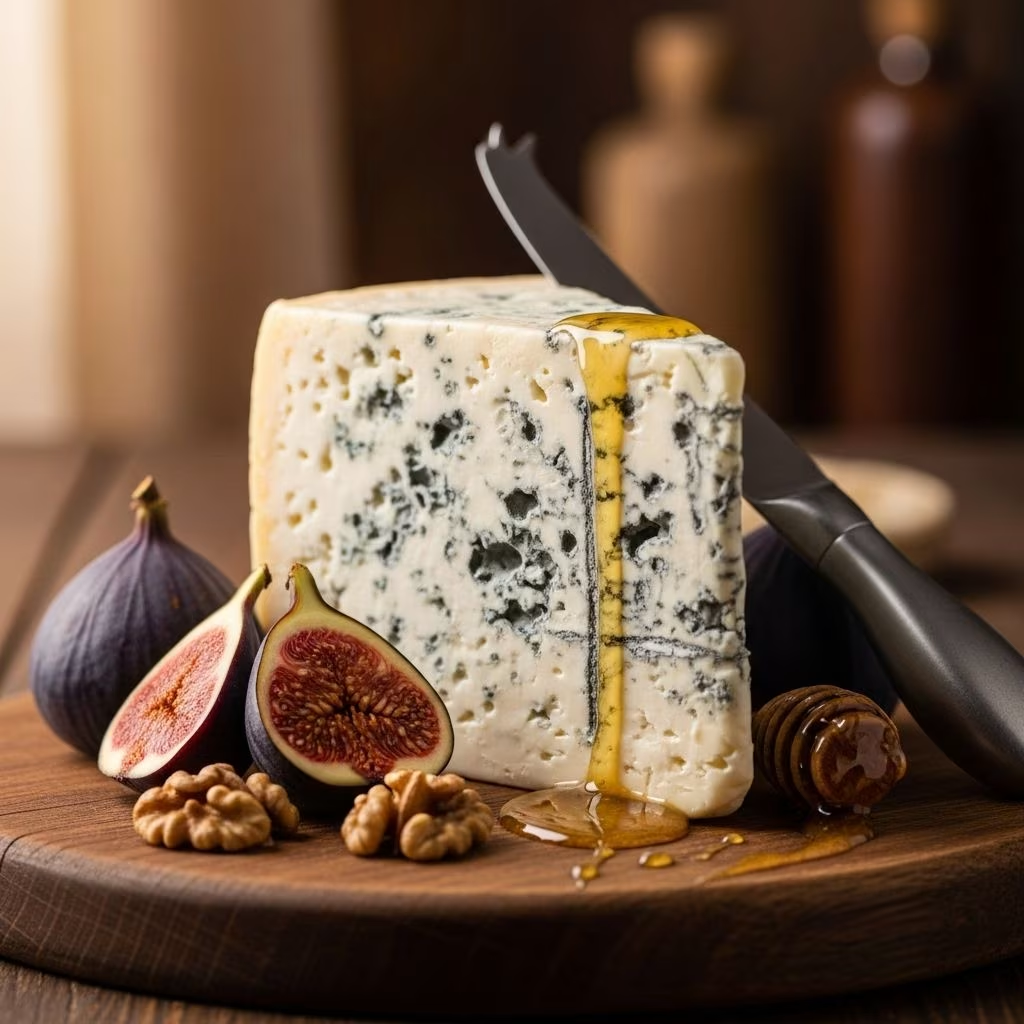
Gorgonzola is a renowned Italian blue cheese made from unskimmed cow’s milk, characterized by its distinctive blue-green veins and a texture that ranges from creamy to crumbly. It originated in the town of Gorgonzola near Milan, Italy, and is now produced primarily in the Lombardy and Piedmont regions. Gorgonzola comes in two main variations: Gorgonzola dolce and Gorgonzola piccante, with the former being milder and creamier, while the latter is more robust and tangy.
Origins of Gorgonzola
Gorgonzola’s history dates back to the 9th century, with its origins linked to cowherders who, during their seasonal migrations, would leave milk with local villagers. This milk was used to make a cheese called stracchino, which, when stored in natural caves, developed a blue mold, creating the first Gorgonzola. The cheese gained popularity as these cowherders would take it back with them during their migrations, spreading it across the region.
Benefits of Gorgonzola
Gorgonzola is not only a culinary delight but also offers several health benefits due to its rich nutritional profile. Some of its key benefits include:
- Rich in Protein: Gorgonzola is a good source of protein, which is essential for muscle growth and repair.
- Calcium Content: It is rich in calcium, crucial for maintaining strong bones and teeth.
- Antioxidant Properties: Gorgonzola contains antioxidants that help protect against oxidative stress and free radicals.
- Supports Heart Health: The potentials of reducing inflammation and improving heart health make it an attractive option for a healthy diet.
Uses of Gorgonzola
Gorgonzola is incredibly versatile in its culinary applications. Here are some of its most popular uses:
- Pasta Sauces: Combining Gorgonzola with mascarpone or other cheeses creates a rich and creamy pasta sauce.
- Salads: It adds a tangy flavor when crumbled over salads.
- Appetizers: Gorgonzola is a great addition to platters, especially when paired with crackers or bread.
- Cheese Platters: It pairs well with fruit and nuts on a cheese board.
Taste and Pairing
Gorgonzola’s taste is complex, with a mild, buttery flavor in its dolce version and a sharper, more pungent taste in the piccante version. For wine pairing, Pinot Bianco is recommended due to its bright acidity and creamy texture, which complements Gorgonzola dishes well.
Frequently Asked Questions (FAQs)
Q: Is Gorgonzola a Protected Designation of Origin (PDO) cheese?
A: Yes, Gorgonzola is a PDO cheese, meaning it must be produced in specific regions of Italy, primarily Lombardy and Piedmont.
Q: How long does Gorgonzola take to age?
A: Gorgonzola typically aged for 3 to 6 months, depending on the variety.
Q: Can Gorgonzola be used in desserts?
A: Yes, Gorgonzola can be used in desserts, such as cheesecakes or fruit tarts, for a unique flavor profile.
References
- https://pastaevangelists.com/blogs/blog/spotlight-on-gorgonzola
- https://cheesetalks.com/gorgonzola-101/
- https://en.gorgonzola.com/the-origins-of-gorgonzola-cheese/
- https://www.igorgorgonzola.com/gorgonzola.php?lingua=en
- https://en.wikipedia.org/wiki/Gorgonzola
- https://www.wisconsincheese.com/the-cheese-life/article/226/what-creates-the-distinctive-blue-veins-in-gorgonzola
- https://igourmet.com/blogs/gourmet-food-guide/gorgonzola-cheese-cheese-guide
- https://www.castellocheese.com/en-us/cheese-types/blue-mold-cheese/gorgonzola/


