


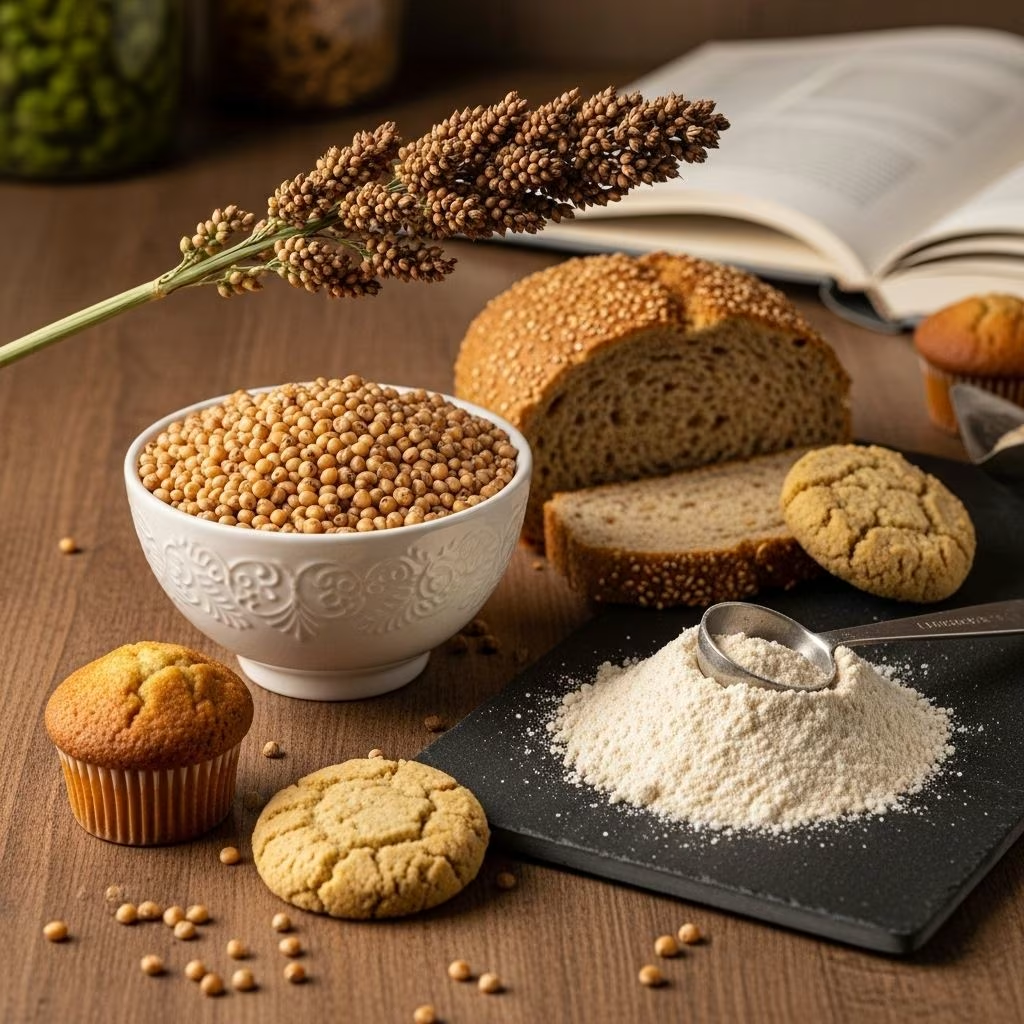
Grain Sorghum: Baking Uses, Nutrition Profile & Ingredient Substitutes for Modern Kitchens
Grain sorghum, an ancient cereal originating in Africa, has cemented its position as a versatile and nutritious staple in kitchens worldwide. Valued for its resilience to drought, unique flavor profile, and gluten-free status, sorghum flour is gaining popularity in health-conscious and allergen-aware baking. This article explores how grain sorghum can elevate baked goods, details its nutritional strengths, and highlights the best ingredient substitutes for different recipes.
Introduction to Grain Sorghum
Sorghum (Sorghum bicolor) is one of the world’s most important cereal grains, long cultivated in Africa, Asia, and more recently, North America. Its grain, naturally gluten-free, offers a mild, earthy flavor and subtle sweetness, making it an attractive choice for those seeking nutrition-rich, allergen-friendly alternatives to wheat and rye.
- Drought tolerant: Sorghum thrives in areas with low water availability, preserving valuable agricultural resources.
- Gluten-free: Ideal for celiac disease or gluten sensitivity, sorghum flour contains no gluten proteins.
- Ancient grain: Sorghum’s nutritional value and culinary utility have made it a dietary mainstay for millennia.
Baking Uses: Sorghum Flour in Modern Recipes
Sorghum flour’s fine texture and neutral taste enable it to blend seamlessly into a variety of baked goods from breads to muffins, cookies, and cakes. Its natural sweetness complements both sweet and savory recipes.
Common Baking Applications
- Breads: Sorghum flour can create soft, flavorful loaves, either solo or blended with other gluten-free flours. When baking 100% sorghum bread, recipes often use binders such as psyllium husk for structure and moisture retention.
- Muffins: Sorghum adds tenderness and a nutty dimension to gluten-free muffins, including banana, pumpkin, and fruit-studded varieties.
- Cookies: Sorghum flour gives cookies a chewy texture and mild sweetness. It is often used alongside all-purpose flour or other gluten-free blends for old-fashioned treats.
- Cakes & Cupcakes: Sorghum’s subtle flavor supports moist and delicate crumb in spice cakes, streusel cupcakes, and citrus-infused bakes.
- Pancakes & Waffles: Sorghum flour pancakes and waffles offer a hearty, wholesome twist to breakfast classics.
- Flatbreads: Traditional sorghum flatbreads are popular in Indian and African cuisines, such as jowar roti and kisra.
Advantages of Sorghum Flour in Baking
- No gluten, no compromise: It behaves similarly to wheat flour in terms of flavor but needs additional stabilizers for structure in yeast breads.
- Nutritious: Sorghum flour brings fiber, protein, vitamins, and antioxidants to your bakes, boosting the health profile of every treat.
- Allergen-friendly: Free from wheat, dairy, and common allergens, making it suitable for restrictive diets.
Baking Challenges and Solutions
- Structure: Sorghum flour lacks gluten, so baked goods may be crumbly if not paired with binders (psyllium husk, eggs, xanthan gum, or konjac powder).
- Moisture: Sorghum can sometimes produce dryer results; adding extra liquid or fat and letting dough hydrate during mixing helps.
- Flavor balance: Its mild taste can be complemented with spices, nuts, seeds, dried fruits, or natural sweeteners.
| Flour | Texture | Flavor | Main Application | Binder Required? |
|---|---|---|---|---|
| Sorghum | Fine, slightly gritty | Mild, earthy | Breads, muffins, cookies | Yes |
| Rice | Smooth, powdery | Neutral | Cakes, batters | Yes/No |
| Millet | Fine, soft | Slightly sweet, nutty | Muffins, pancakes | Yes |
| Buckwheat | Coarse, hearty | Robust, grassy | Pancakes, waffles, rustic breads | Yes |
Common Substitutes for Sorghum Flour
When sorghum flour is not available or suitable, choosing the right substitute depends on the desired outcome and dietary needs. Below are popular alternatives:
- Millet Flour: Similar protein and fiber content, mild flavor; excellent for muffins and cakes.
- Rice Flour: Neutral taste, commonly used in gluten-free blends. Good for structure but less flavor.
- Corn Flour: Slightly sweet, fine-textured, works well in quick breads and pancakes. Can give a yellow hue.
- Teff Flour: Earthy, nutrient-packed, ideal for dense breads and tortillas. Good iron source.
- Oat Flour: Adds natural sweetness and moisture but check for gluten-free certification.
- Psyllium Husk: Although not a flour, psyllium acts as a binder to replace gluten’s effect in doughs.
- Almond & Coconut Flours: High in fat, flavor, and protein, best for cakes and cookies.
When substituting, gradually increase binder or moisture if using non-grain flours, as their absorbency and binding ability varies significantly.
Grain Sorghum Nutrition: Health Benefits
Sorghum is more than just a flour alternative; it’s a nutritional powerhouse. Its makeup provides slow-burning energy, essential minerals, and antioxidants rare in other grains.
| Component | Amount | Comparison with Wheat |
|---|---|---|
| Energy | 329 kcal | Similar |
| Protein | 10.6 g | Slightly lower |
| Carbohydrate | 72.6 g | Similar |
| Fiber | 6.3 g | Higher |
| Fat | 3.1 g | Higher |
| Iron | 3.3 mg | Higher |
| Magnesium | 168 mg | Much higher |
Health Benefits of Sorghum
- High fiber: Supports digestive health and maintains stable blood sugar.
- Rich in antioxidants: Contains compounds such as phenolics that combat inflammation and oxidative stress.
- Mineral dense: Offers iron, phosphorus, potassium, and magnesium, supporting bone and heart health.
- Low glycemic index: Provides long-lasting energy without spikes.
- Suitable for gluten-free diets: Safe for those avoiding wheat.
Sample Sorghum Baking Recipes
Sorghum Flour Bread
- Mix water with whole psyllium husk and allow to gel.
- Combine sorghum flour, sugar or chosen sweetener, salt, yeast, and baking powder.
- Add gelled psyllium and oil, mix for a smooth dough (electric mixer preferred).
- Transfer to lined loaf pan, proof at 24°C until the dough rises to the rim.
- Preheat oven to 175°C, optionally top with seed mix using whisked egg wash for adhesion.
- Bake for 1 hour 45 minutes, cool on rack for up to 5 hours before slicing.
Old-Fashioned Sorghum Cookies
- Cream together melted butter and sugars, blend in egg and sorghum syrup (molasses can substitute).
- Add spices, salt, baking soda, and flour. Mix thoroughly.
- Shape dough into balls, roll in sugar, flatten with a fork in crisscross pattern.
- Bake at 350°F for 12 minutes; cool on racks for chewy texture.
Gluten-Free Muffins with Sorghum Flour
- Combine sorghum flour with millet or rice flour for best texture.
- Add mashed banana, pumpkin puree, or chopped fruits for moisture.
- Incorporate spices (ginger, cinnamon) and baking powder or soda.
- Bake in muffin pan at 175°C until set and golden.
Tips & Tricks for Baking with Sorghum
- Use binders like psyllium husk, eggs, or xanthan gum to improve structure in yeast-based breads.
- Store sorghum flour in an airtight container to prevent bitterness due to oxidation or moisture absorption.
- Sorghum flour works best in recipes where a tender crumb is desired; avoid in extremely dense cakes without support.
- Experiment with seed toppings and nut inclusions for enhanced nutrition and crunch.
- Allow sorghum dough to hydrate fully before baking, which reduces grittiness and improves texture.
Frequently Asked Questions (FAQs)
Q: Is sorghum flour good for gluten-free baking?
A: Yes, sorghum flour is excellent for gluten-free baking, offering a texture and flavor similar to wheat but without gluten, making it ideal for celiac or gluten-sensitive individuals.
Q: Can I substitute sorghum flour with other gluten-free flours?
A: Absolutely. Millet, rice, corn, and teff flours are suitable alternatives, but you may need to adjust binders and liquid quantities for optimal results.
Q: Is sorghum flour healthier than wheat flour?
A: Sorghum flour has higher fiber, magnesium, and antioxidant levels compared to wheat flour, and it doesn’t provoke gluten responses.
Q: What does sorghum taste like in baked goods?
A: Sorghum imparts a mild, earthy sweetness, making it versatile for both sweet and savory bakes. Its flavor is often complemented by spices, nuts, and seeds.
Q: What are the main challenges with baking sorghum bread?
A: The absence of gluten can make sorghum breads dense or crumbly. This is usually resolved with binders such as psyllium husk and by ensuring proper hydration and mixing.
Conclusion: Sorghum for Every Home Baker
Grain sorghum flour is a remarkable ingredient for bakers seeking healthy, versatile, and gluten-free solutions. Its nutritional profile stands out among grains, and its adaptable nature allows sorghum to shine in breads, muffins, cookies, and beyond. With the right substitutes, techniques, and understanding of its properties, anyone can enjoy nutritious, flavorful sorghum-based baked goods in any kitchen.
References
- https://www.natashashome.com/sorghum-bread/
- https://rockymountaincooking.com/2020/10/old-fashioned-sorghum-cookies/
- https://www.youtube.com/watch?v=aMhLyenNsPI
- https://bojongourmet.com/gluten-free-flour/sorghum-flour/
- https://fromthelarder.co.uk/sorghum-flour-recipes/
- https://www.sorghumcheckoff.com/recipes/
- https://kateray.substack.com/p/baking-with-sorghum
- https://www.eastewart.com/recipes-and-nutrition/ancient-grains-20-sorghum-recipes-youll-love/


