


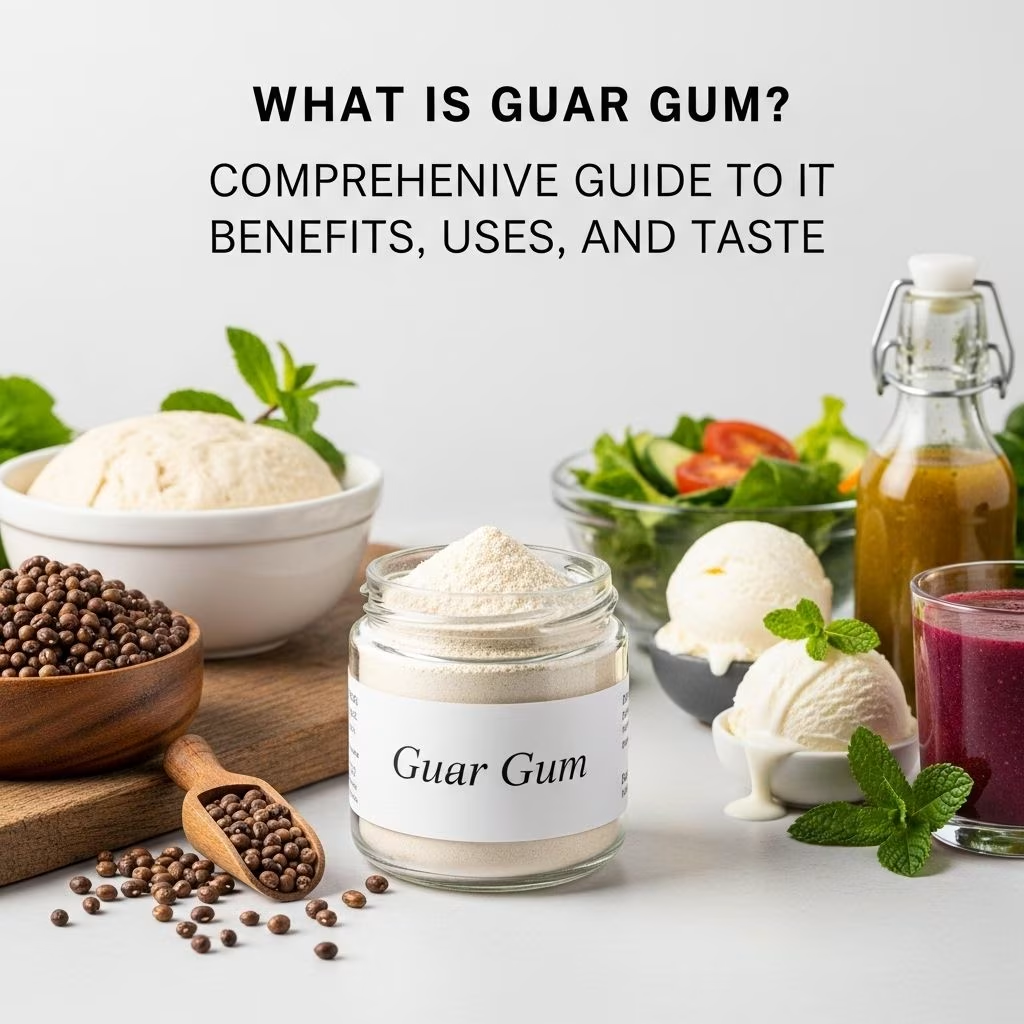
Guar gum is a highly versatile natural ingredient whose role extends far beyond the food industry, impacting nutrition, pharmaceuticals, cosmetics, and industrial applications. As a powerful thickening, stabilizing, and emulsifying agent derived from guar beans, it has become indispensable in modern food processing as well as in specialized sectors such as oil drilling and textiles. This in-depth guide unpacks guar gum’s origins, processing, nutritional properties, health implications, culinary uses, and unique impact on taste and food texture.
What Is Guar Gum?
Guar gum, also known as guaran, is a natural polysaccharide extracted from the seeds of the guar plant (Cyamopsis tetragonoloba), a legume mainly cultivated in India and Pakistan. The core of its value lies in its remarkable thickening and stabilizing capabilities, which are leveraged in food manufacturing, pharmaceuticals, cosmetics, and several industrial processes.
It is primarily available as an off-white, odorless, and tasteless powder that hydrates quickly in cold or hot water, forming a viscous colloidal solution .
- Botanical family: Leguminosae/Fabaceae (legumes)
- Source plant: Guar bean
- Form: Fine, odorless, off-white powder
How Guar Gum Is Made
The production process of guar gum begins with harvesting the pods of the guar plant, followed by extraction, de-husking, milling, and grinding:
- Harvest: Guar seeds are separated from pods, then cleaned and refined.
- Splitting: Seeds are split to remove the outer hull; the endosperm is isolated.
- Grinding: The endosperm is milled into a fine powder, which is the commercial guar gum.
This powder is then packaged for use in the food industry or processed further for pharmaceutical and industrial applications.
Nutritional Profile of Guar Gum
Guar gum consists predominantly of soluble dietary fiber, with negligible protein, fat, or digestible carbohydrates. It is not a significant source of vitamins or minerals for human nutrition but acts as a functional food additive.
| Nutrient | Amount per 100g |
|---|---|
| Calories | ~200 kcal |
| Protein | <1 g |
| Fat | <1 g |
| Soluble Fiber | ~80 g |
| Vitamins/Minerals | Negligible |
Health Benefits of Guar Gum
- Digestive Health: Owing to its soluble fiber content, guar gum can promote bowel regularity, help bulk up stool, and alleviate constipation.
- Blood Sugar Control: Guar gum has demonstrated the ability to slow absorption of carbohydrates, reducing post-meal blood glucose spikes and improving glycemic control in some studies.
- Cholesterol Management: It may bind bile acids and reduce cholesterol levels, contributing to cardiovascular risk reduction.
- Satiety and Weight Management: By absorbing water and expanding in the gut, guar gum can increase feelings of fullness and potentially aid in appetite control, though evidence for weight-loss efficacy is limited and should be interpreted cautiously.
- Prebiotic Effects: Its fermentation by gut bacteria may support beneficial microbiota, enhancing digestive and immune health.
Potential Side Effects and Risks
Guar gum is considered safe for most people when consumed in moderate quantities as a food additive. However, potential adverse effects include:
- Digestive discomfort: Excess intake can cause gas, bloating, or diarrhea.
- Choking hazard: Large amounts can expand too rapidly in the esophagus or intestines if not properly mixed with liquids.
- Medication interaction: As a bulking agent, it may diminish absorption or effectiveness of some oral medications when taken together.
Overall, experts recommend limiting intake to the amounts typically found in processed foods. High-dose supplements containing guar gum should only be used under medical supervision.
Uses of Guar Gum
Guar gum’s unique chemical structure and high water-binding capacity allow it to function as a:
- Thickener
- Stabilizer
- Emulsifier
- Binder
- Gelling agent
Its versatility makes it valuable in the following domains:
| Application | Purpose |
|---|---|
| Food | Improves texture, shelf life, and stability |
| Pharmaceuticals | Tablet binder and disintegrant; laxative |
| Cosmetics | Thickens creams and shampoos |
| Industrial | Hydraulic fracking, papermaking, textiles |
Guar Gum in Food: Applications and Examples
Guar gum is pervasive in modern food processing, offering gluten-free and low-fat solutions for various products:
- Gluten-Free Baking: Replaces gluten’s elasticity, enabling bread, cakes, and muffins to rise and maintain structure.
- Dairy Alternatives: Creamier, stable textures in yogurt, coconut or almond milk, and cheese.
- Sauces and Dressings: Prevents ingredient separation and ensures consistent mouthfeel.
- Frozen Foods: Limits ice crystal formation, improving smoothness of ice creams and frozen desserts.
- Processed Meats: Binds ingredients in sausages, keeps fat and moisture intact.
- Snacks and Fried Foods: Reduces oil absorption and creates crispier crusts.
- Beverages: Extends shelf life and prevents settling in protein or meal replacement drinks.
Industrial and Pharmaceutical Uses
- Pharmaceuticals: Functions as a binder and disintegrant in tablets, as well as a bulking or suspending agent in syrups and elixirs.
- Fracking/Oil Gas Extraction: Provides viscosity and gelling capability needed to transport proppants and facilitate oil recovery.
- Papermaking: Enhances paper strength and finish.
- Textiles: Used as a sizing agent in fabric manufacturing.
- Cosmetics: Thickens lotions and shampoos, prevents separation of ingredients.
Guar Gum vs. Other Thickeners
| Property | Guar Gum | Xanthan Gum | Cornstarch | Gelatin |
|---|---|---|---|---|
| Origin | Guar bean plant | Bacterial fermentation | Corn kernel | Animal collagen |
| Solubility | Cold & hot water | Cold & hot water | Hot water | Hot water |
| Vegan | Yes | Yes | Yes | No |
| Thickening Power (per gram) | Very high | High | Moderate | Gel-forming, not thickening |
| Common Use | Gluten-free, low-fat foods | Dressings, gluten-free foods | Soups, gravies | Desserts |
| texture | Smooth, viscous | Slightly elastic | Glossy, translucent | Jelly-like |
Taste and Texture Impact of Guar Gum
Guar gum is virtually tasteless and odorless in the small quantities used for culinary purposes. Its main value lies in enhancing texture:
- Thickening: Gives viscosity to liquids with very little powder, making soups and sauces fuller-bodied.
- Creaminess: Provides a creamy, rich sensation particularly in dairy alternatives and low-fat products.
- Elasticity: Mimics gluten’s elastic properties in baked goods; improves chewiness without added fats.
- Shelf Stability: Prevents weeping or syneresis (water separation) in yogurts, cheeses, and sauces.
Overuse can result in a gummy, slick, or even unpleasantly thick texture, so precise dosing is critical to maintaining optimal mouthfeel.
How to Use Guar Gum at Home
- For Baking: Use 1/2 to 1 teaspoon per cup of gluten-free flour to improve rise and texture.
- As a Thickener: Sprinkle a small amount into smoothies, sauces, gravies, or soups and whisk well; too much may create a slippery texture.
- In Dairy Alternatives: Add a pinch to almond, soy, or coconut milk for a creamier consistency.
Always combine guar gum with other dry ingredients first to ensure even dispersion, and avoid adding directly to hot liquids to prevent clumping.
Frequently Asked Questions (FAQs)
Q: Is guar gum safe for everyone?
A: Most people tolerate guar gum well in food-level intakes. Individuals with a history of gastrointestinal disorders, allergies to legumes, or sensitivities to fiber should consult their healthcare provider before consuming products containing guar gum.
Q: Can guar gum replace gluten in recipes?
A: Yes, guar gum is frequently used in gluten-free baking to replicate the binding and structural properties of gluten, enabling similar rise and texture in breads and cakes.
Q: Is guar gum vegan and non-GMO?
A: Guar gum is plant-based and naturally vegan. Non-GMO versions are available; however, always check labels if sourcing is important for your dietary preferences.
Q: Does guar gum affect flavor?
A: Guar gum is flavorless in typical culinary applications; it does not add or alter taste but impacts mouthfeel, thickness, and creaminess.
Q: How does guar gum compare with xanthan gum?
A: Both are effective thickeners and stabilizers suitable for gluten-free and vegan recipes. Guar gum is less expensive and works best in cold foods, while xanthan gum is more versatile across hot or acidic dishes and has a slightly different mouthfeel.
Q: Are there any natural alternatives to guar gum?
A: Psyllium husk, chia seeds, and flaxseed meal are natural alternatives that can similarly bind or thicken, though they may impart their own flavor or texture. Cornstarch and arrowroot are further options, especially in sauces and gravies.
Conclusion
Guar gum is an invaluable ingredient in both the food industry and other sectors, prized for its high thickening efficiency, stability-enhancing properties, and clean, neutral taste. While it does offer certain digestive and metabolic benefits due to its fiber content, moderation is essential to avoid potential side effects. Always use as directed in recipes, and consider individual dietary needs when choosing guar gum or alternative thickeners. Whether baking a gluten-free loaf or stabilizing your favorite almond milk, understanding guar gum’s special role helps you achieve the desired consistency and quality in a wide variety of foods and products.
References
- https://www.webmd.com/diet/what-to-know-guar-gum
- https://www.guarresources.com/uses-of-guar-gum/
- https://draxe.com/nutrition/guar-gum/
- https://www.altrafine.com/blog/what-is-guar-gum-exploring-its-properties-uses-and-global-importance/
- https://pmc.ncbi.nlm.nih.gov/articles/PMC3931889/
- https://www.healthline.com/nutrition/guar-gum


