


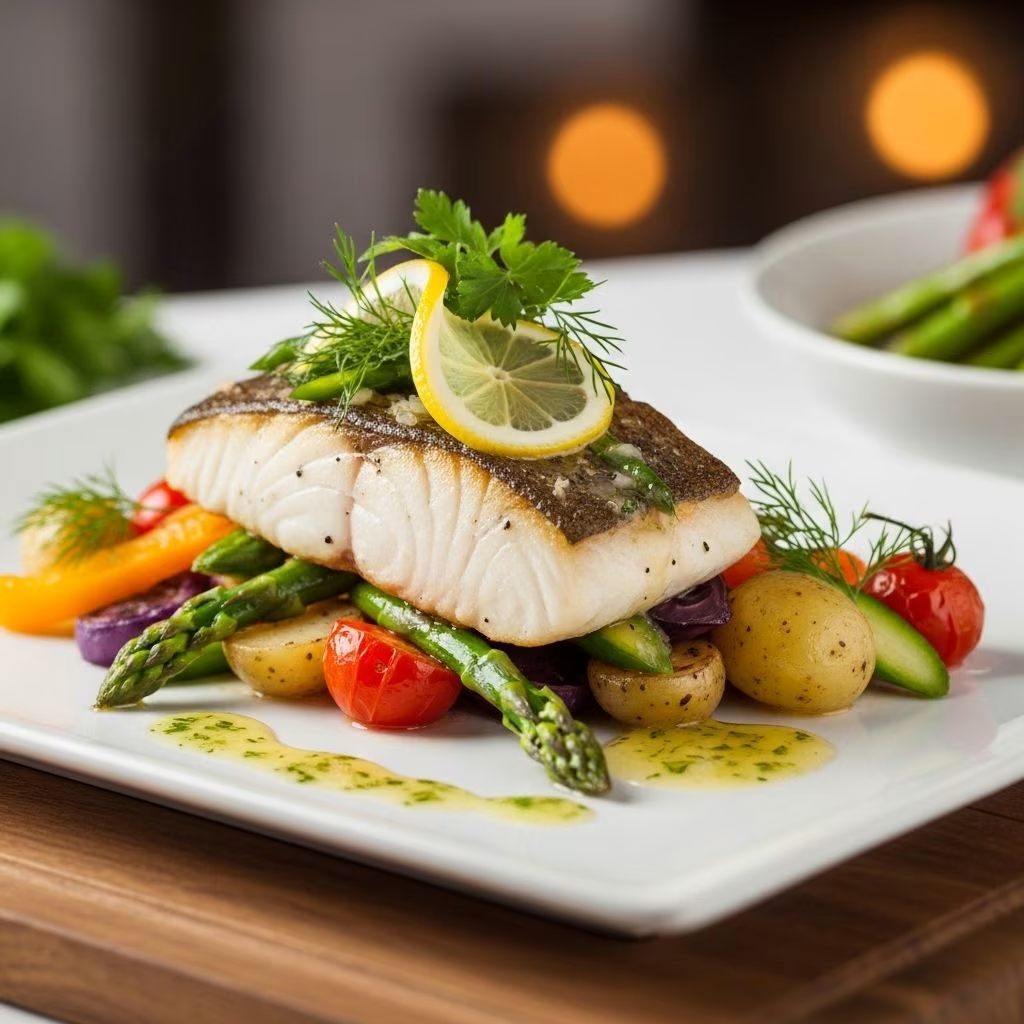
Hake, a mild-flavored, nutrient-packed white fish, is gaining popularity internationally for its versatile culinary use and impressive health benefits. This article provides an in-depth look at what hake is, its core characteristics, nutritional profile, culinary uses, sustainability, and its unique flavor profile—all organized for easy navigation and practical insights.
What Is Hake?
Hake refers to a group of medium-to-large predatory fish in the Merlucciidae family, related to cod and haddock. Recognized for its economical price, mild flavor, and flexible culinary applications, hake is a globally significant fish for both commercial fisheries and everyday home cooks. Its white, lean flesh and minimal bones contribute to its reputation as a staple in many cuisines.
Key Facts
- Family: Merlucciidae (with some related in Phycidae).
- Taxonomic Order: Gadiformes (shared with cod, whiting, and haddock).
- Common Species: European hake (Merluccius merluccius), silver hake (Merluccius bilinearis), Pacific hake (Merluccius productus), red hake (Urophycis chuss).
- Global Importance: Highly prized in Europe (especially Spain, Portugal, France), New Zealand, South Africa, and Latin America.
Physical Characteristics
Hake is recognized by its slender, elongated body, large slightly sunken eyes, and a large mouth equipped with sharp teeth. Its coloration typically ranges from a metallic gray or bluish hue on the back to a pale whitish belly, aiding camouflage in deep waters.
- Length: Usually 20–60 cm; some species can exceed 100 cm.
- Weight: Commonly 0.5 to 3.6 kg; large specimens may reach up to 27 kg.
- Distinctive Features: Single long dorsal fin, chin barbel (sensory organ), elongated pectoral and dorsal fins.
Habitat and Life Cycle
Hake are demersal fish (living and feeding near the sea bottom) and widely distributed in both the Atlantic and Pacific Oceans. They thrive in temperate and subtropical waters, preferring depths of 200 to 350 meters by day and often moving closer to the surface at night.
Distribution and Preferred Environment
- Found from the Arctic Ocean to Morocco and throughout the Mediterranean and off the coasts of North and South America.
- They prefer rocky or sandy substrates, often near strong currents and mixed salinities.
- Temperature range: 2–25°C, mostly found in 14–16°C zones.
Life Cycle
- Spawning typically occurs late winter through spring.
- Adult females can lay up to 400,000 eggs in a season.
- Eggs float and hatch near the surface, with larvae migrating deeper as they mature.
- Lifespan: Up to 14 years.
Health Benefits of Hake
Hake is more than just a low-cost fish; it is a nutritional powerhouse offering a range of health benefits.
- Low in Calories: 100 grams of hake offer only about 90 calories, making it ideal for weight management.
- High in Protein: Delivers around 18 grams per 100-gram serving, supporting muscle growth and repair.
- Rich in Selenium: Provides almost half the recommended daily value, supporting immune health and antioxidant functions.
- Source of Vitamin B12: Essential for nerve health, cell metabolism, and red blood cell production.
- Contains Magnesium: Important for muscle, nerve function, and enzyme activity.
- Lower in Mercury: Safer option for children and pregnant women compared to larger predatory fish.
Nutritional Profile
| Nutrient | Value | Benefits |
|---|---|---|
| Calories | 90 kcal | Low calorie food |
| Protein | 18 g | Supports muscle and tissue repair |
| Fat | 1.5 g | Very low in total and saturated fat |
| Vitamin B12 | 1.2 mcg | Critical for nerve health and energy |
| Selenium | 22 mcg | Antioxidant support |
| Magnesium | 36 mg | Enzyme activation, bone health |
Culinary Uses and Cooking Methods
Hake is a favorite in many cuisines for its adaptability in the kitchen and easy-to-eat, relatively boneless flesh. Its mild taste makes it amenable to a variety of flavor profiles, from subtle herbs and butter to bold spices and tomato-based sauces.
Popular Cooking Methods
- Baking – Whole or fillets, lightly seasoned.
- Grilling – Especially suitable for thick steaks or fillets, preserves moisture.
- Poaching – In stock or wine, produces tender results.
- Steaming – Retains most of the nutritional value.
- Pan-frying – Fast, creates a delicate, flaky crust.
- Stews and Casseroles – A classic ingredient in Mediterranean bouillabaisse and Spanish-style fish stews.
- Fish and Chips – Hake provides a lighter alternative to cod or haddock in traditional recipes.
Notable International Dishes Featuring Hake
- Spain: Merluza a la Koskera (hake with asparagus, peas, clams, and white wine sauce)
- France: Hake chausson in bouillabaisse
- Portugal: Pescada cozida (boiled hake with vegetables and olive oil)
- South Africa: Cape hake grilled or curried
- United Kingdom: Hake in place of cod for fish and chips
Taste and Texture
Hake’s taste stands out for its mild, slightly sweet flavor, making it highly adaptable in recipes. The flesh is white, firm yet delicate, and once cooked, it becomes flaky, moist, and tender.
- Comparison to Other Fish: Softer and firmer than haddock, sweeter than cod, less oily than pollock.
- Few bones, making it ideal for all ages and types of cooks.
Sustainability and Sourcing
Hake fisheries are of great economic importance, but their sustainability has faced challenges due to overfishing and demand. Thankfully, increased awareness and regulation have improved the outlook for many hake populations.
Sustainable Practices
- Enforcement of strict quotas and fishing seasons in the European Union, New Zealand, and other regions.
- Promotion of hake from certified sustainable sources (e.g., Marine Stewardship Council certification).
- Encouragement of responsible fishing practices to protect hake habitats and fish stocks.
Buying Tips
- Seek out MSC-certified or other sustainably-sourced hake.
- Fresh hake should have bright, clear eyes, metallic sheen, and a mild ocean scent.
- Frozen hake retains quality and is available year-round.
Comparison: Hake vs. Other White Fish
| Fish | Flavor | Texture | Typical Uses | Caloric Value* (per 100g) |
|---|---|---|---|---|
| Hake | Mild, slightly sweet | Firm, delicate, moist, flaky | Baked, grilled, stews, fried | 90 kcal |
| Cod | Mild, savory | Firm, flaky | Battered, baked, stews | 80-105 kcal |
| Haddock | Mild, slightly sweet | Delicate, tender, light flakes | Poached, smoked, fried | 90 kcal |
| Pollock | Mild, slightly briny | Softer, less flaky | Fish sticks, imitation crab, fried | 92 kcal |
*Approximate caloric values
Frequently Asked Questions (FAQs)
Q: Is hake safe for pregnant women and children?
A: Yes, hake is a low-mercury white fish, making it a safe option for pregnant women, nursing mothers, and young children when consumed as part of a balanced diet.
Q: How do you know if hake is fresh?
A: Look for clear, bright eyes, shiny and metallic skin, firm flesh, and a clean, mild sea scent. Fresh hake should spring back when pressed.
Q: What are the best substitutions for hake in recipes?
A: If hake is unavailable, cod, haddock, or pollock can be used as substitutes due to their similar flavor and texture profiles.
Q: How should hake be stored?
A: Keep fresh hake refrigerated and use within two days. For longer storage, freeze in airtight packaging. Thaw in the refrigerator before use for best texture.
Q: Is hake a sustainable seafood choice?
A: When bought from MSC-certified or regulated fisheries, hake is a sustainable choice. Always check for sustainability certifications and country of origin.
Conclusion
Hake is an affordable, mild-tasting, and highly nutritious fish that deserves attention both for its health benefits and culinary versatility. Its year-round availability and suitability for numerous cooking methods make it a smart addition to any kitchen. Plus, with increased global focus on sustainable fishing, choosing responsibly sourced hake supports both your health and the health of our oceans.
References
- https://www.delfinultracongelados.es/en/hake-fish/
- https://frozenfish.direct/fishopedia/hake/
- https://en.wikipedia.org/wiki/Hake
- https://www.webmd.com/diet/health-benefits-hake
- https://www.talleys.co.nz/seafood/species/hake
- https://www.fisheries.noaa.gov/species/silver-hake
- https://www.congalsa.com/en/news/hake-a-low-fat-fish-and-a-source-of-high-biological-value-protein
- https://www.fisheries.noaa.gov/species/pacific-whiting


