


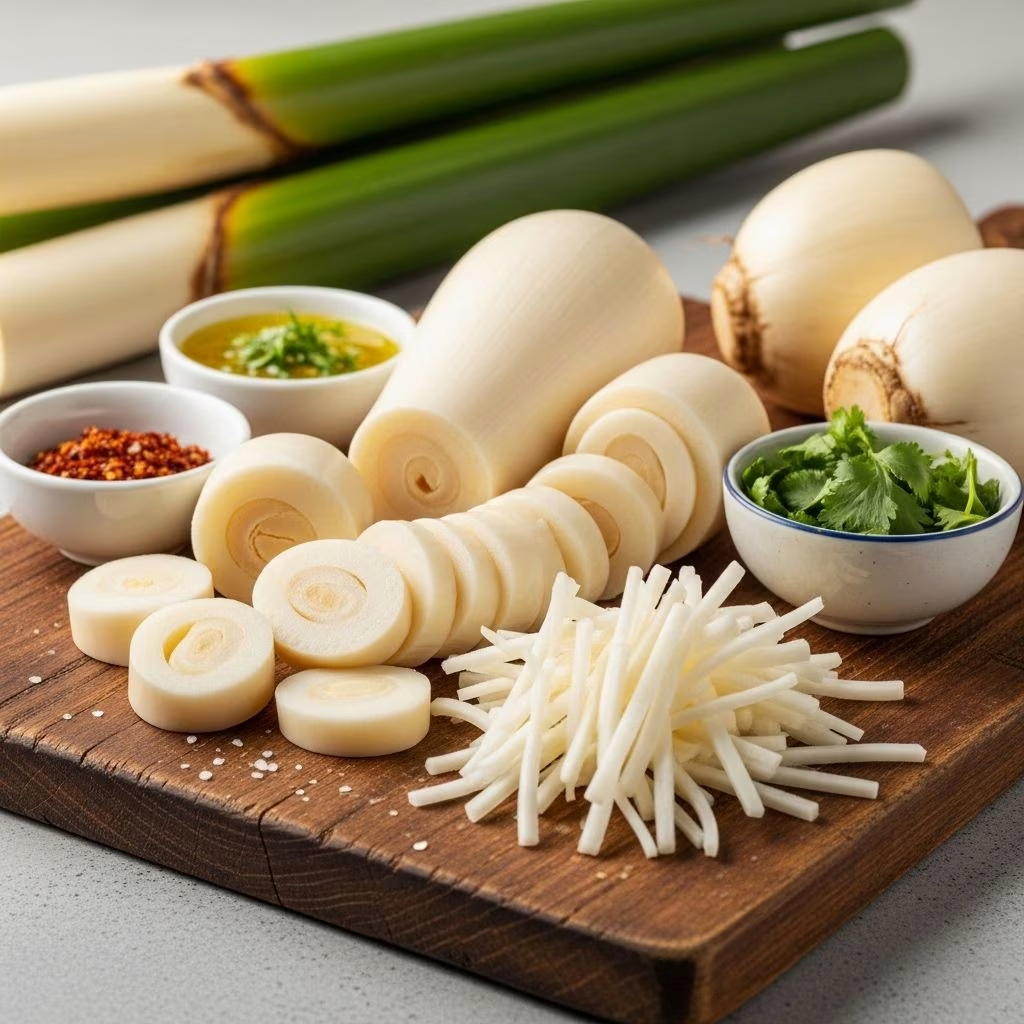
Heart of palm has gained recognition as a nutrient-rich delicacy and a sustainable plant-based food source celebrated for its subtle flavor, versatility, and impressive health benefits. Whether you’re seeking new vegetables to add to your diet, looking for meat or seafood substitutes, or interested in mindful, eco-friendly eating, heart of palm may deserve a spot on your table. This comprehensive guide covers everything you need to know about heart of palm: its origins, nutrient profile, health impacts, taste, and innovative ways to enjoy it.
Introduction to Heart of Palm
Heart of palm is the tender, ivory-hued inner core and growing bud of select palm trees. Treasured for its delicate flavor, smooth texture, and remarkable versatility, it is cultivated as both a culinary treat and a health-supporting food. Native to the tropical forests of Central and South America, it’s also known by several regional names: palmito, palm cabbage, or ubod (Philippines) to name a few.
Traditionally considered a delicacy, heart of palm is now appreciated worldwide—especially among those seeking plant-based or gluten-free foods. Whether enjoyed fresh in its native regions or preserved in brine for global distribution, its unique qualities have made it a valuable ingredient in international cuisines.
Botanical Origins and Sourcing
From the Rainforests to Your Plate
Heart of palm is primarily sourced from several species in the Arecaceae (palm) family. While there are over 2,600 palm species, only a few are edible. The most common include:
- Peach palm (Bactris gasipaes)
- Juçara palm (Euterpe edulis)
- Coconut palm (Cocos nucifera)
- Açaí palm (Euterpe oleracea)
- Sabal palm (Sabal spp.)
These palms are grown throughout rainforest and humid tropical regions in Central America, South America, parts of Asia, and the Caribbean.
| Palm Species | Main Uses | Sustainability |
|---|---|---|
| Peach Palm (Bactris gasipaes) | Most commonly canned and exported; multiple shoots per plant | Highly sustainable (multi-stemmed; plant not destroyed on harvest) |
| Juçara Palm (Euterpe edulis) | Regional specialty in Brazil | Single-stemmed; risk of overharvesting and species depletion |
| Coconut Palm (Cocos nucifera) | Sometimes used, but less common | Depends on region |
| Açaí Palm (Euterpe oleracea) | Popular for hearts of palm and açaí berries | Sustainable when managed as multi-stemmed |
Harvesting Process
The harvest is labor-intensive and requires careful extraction of the inner core. In single-stemmed palms, the entire tree is removed to get the heart, while multi-stemmed varieties allow harvest from one stem at a time, ensuring the plant’s survival. After harvest, the heart is processed quickly—either enjoyed fresh, especially in local markets, or preserved in brine for export.
Nutrition Facts and Health Benefits
Impressive Nutrient Density
Heart of palm is remarkably low in calories yet dense in nutrients. A one-cup serving provides:
- Roughly 35 to 40 calories
- About 4 grams of protein—exceptional for a plant-based food
- High amounts of fiber (almost 4g per cup), supporting digestive health
- Essential minerals: Potassium, Iron, Phosphorus, Zinc, Copper, and Magnesium
- Vitamins: a good source of Vitamin C, certain B vitamins (folate, riboflavin), Vitamin A, and Vitamin K
- Contains 17 different amino acids, including all nine essential amino acids
Health Benefits
- Source of Plant-Based Protein: Unusually high protein for a vegetable—beneficial for plant-based and vegan diets.
- Rich in Fiber: Supports a healthy digestive tract and balances blood sugar.
- Low Calorie and Low Fat: Suitable for weight-conscious or low-fat diets.
- Potassium-Rich: Essential for heart function, nerve signaling, and muscle health.
- Iron and Zinc: Contribute to immune function and energy metabolism.
- Promotes Satiety: High fiber and protein content can help you feel full longer.
- Gluten-Free and Paleo Friendly: Safe for most dietary restrictions.
Antioxidant and Anti-inflammatory Properties
Heart of palm contains antioxidant compounds—like Vitamin C and phenolics—that help defend cells against oxidative stress and inflammation. Some research also points to its role in metabolic wellness, promoting balanced blood sugar and cholesterol levels.
Sustainability and Ethical Sourcing
Sustainable harvesting is crucial due to environmental concerns. Historically, the popularity of heart of palm led to overharvesting and in some cases, near extinction of native palm species. Today, regulations, improved farming techniques, and the use of multi-stemmed species like peach and açaí palm help:
- Protect biodiversity and rainforest ecosystems
- Allow for continuous harvest without destroying palm populations
- Support local economies through ethical, fair-trade sourcing
Savvy consumers should look for sustainably sourced or certified heart of palm products and avoid brands contributing to deforestation.
Culinary Uses: How to Prepare and Serve
Raw or Cooked: Heart of Palm in the Kitchen
Hearts of palm are beloved for their versatility and are used in numerous culinary traditions. You can purchase them fresh (in growing regions) or more commonly canned and jarred in brine.
- Salads: Sliced and added to green salads or composed salads, especially with avocado, citrus, beans, or tomatoes
- Plant-Based Dishes: Used as a substitute for crab in vegan ‘crab’ cakes, calamari, lobster rolls, and sushi (mock crab sticks)
- Grilled or Roasted: Hearts of palm can be grilled, pan-seared, or roasted for unique textures and flavors
- Stir-Fries & Sautés: Works well with stir-fried vegetables or mixed into pilafs and pasta
- Pickled or Marinated: Commonly served as antipasti, with olives and artichokes
- Soups & Casseroles: Can be added to creamy soups, stews, or bakes for a mild, creamy component
Preparation Tips
- Drain and rinse canned hearts of palm to reduce sodium content and remove brine flavor
- Fresh hearts must be peeled and sometimes blanched before culinary use
- Slice crosswise for rounds, lengthwise for strips (mimicking shredded crab or lobster)
Recipe Ideas
- Hearts of Palm Ceviche (with lime, herbs, and vegetables)
- Hearts of Palm and Avocado Salad
- Plant-Based ‘Lobster’ Rolls using shredded hearts of palm
- Hearts of Palm Pasta (as spiralized pasta substitute)
- Grilled Hearts of Palm Skewers with chimichurri
Taste and Texture Explained
Heart of palm is prized for its delicate, mild flavor and pleasingly firm, yet tender texture. Food enthusiasts often describe it as:
- Mild, slightly nutty, with a hint of sweetness
- Subtly reminiscent of artichoke hearts or white asparagus
- Soft yet crisp—offering a satisfying bite, similar to bamboo shoots or water chestnuts
- A pleasing, non-fibrous texture when fresh, and a creamy feel in cooked dishes
This subtle culinary profile allows heart of palm to absorb surrounding flavors, making it an ideal base for both delicate and boldly seasoned applications. In vegan recipes, it’s especially valued for its ability to mimic seafood texture and appearance.
Buying Guide and Storage Tips
How to Source and Store Heart of Palm
- Fresh: Usually available only near cultivating regions; refrigerate and use within a few days
- Canned/Jarred: Widely available; store unopened at room temperature, use within a week after opening and keep refrigerated in its brine
- Look for products labeled “sustainably harvested” or with certifications for ethical sourcing
- Check sodium content in canned versions if you’re watching salt intake
Frequently Asked Questions (FAQs)
Q: Is heart of palm a healthy food?
A: Yes, heart of palm is both nutrient-dense and low in calories, offering protein, fiber, and important minerals like potassium and iron, making it a valuable addition to most diets.
Q: Can heart of palm be eaten raw?
A: Freshly harvested heart of palm can be eaten raw and is crisp, sweet, and tender. Canned or jarred hearts are ready to use and typically enjoyed cold or cooked.
Q: Is heart of palm suitable for vegans and people with food allergies?
A: Heart of palm is naturally vegan, gluten-free, and paleo-friendly. It contains almost no fat and very little carbohydrate. However, check canned products for added ingredients or allergens.
Q: Is harvesting heart of palm sustainable?
A: It depends on the species and harvesting method. Sourcing from multi-stemmed palms (like peach or açaí) is considered sustainable, while harvesting from single-stemmed wild species can be harmful or even illegal in some regions. Certifications and brand transparency are important for ethical purchase.
Q: What dishes is heart of palm used in?
A: Classic uses include salads, antipasti, vegan seafood substitutes, soups, and casseroles. Its mild flavor suits both raw and cooked applications, and it’s highly adaptable in plant-based cooking.
Conclusion
Heart of palm stands out as a delicacy that brings together nutrition, culinary creativity, and environmental responsibility. With its mild flavor and healthful benefits, it’s an excellent choice for anyone seeking nutrient-dense, plant-based foods or innovative dishes. Choosing sustainably harvested heart of palm supports ecosystem health and responsible agriculture. From salads to vegan seafood and everything in between, heart of palm is much more than a trendy vegetable—it’s a celebration of nature’s bounty and conscious eating.
References
- https://www.rupahealth.com/post/heart-of-palm-a-nutrient-rich-addition-to-support-your-wellness-goals
- https://en.wikipedia.org/wiki/Heart_of_palm
- https://specialtyproduce.com/produce/Fresh_Hearts_of_Palm_874.php
- https://cuisineforhealing.org/hearts-of-palm/
- https://www.nybg.org/files/scientists/mbalick/Hearts%20of%20Palm%20(Bactris,%20Euterpe%20and%20others).pdf
- http://farmsforestsfoods.blogspot.com/2011/07/heart-of-palm-part-i.html
- https://www.britannica.com/topic/heart-of-palm


