


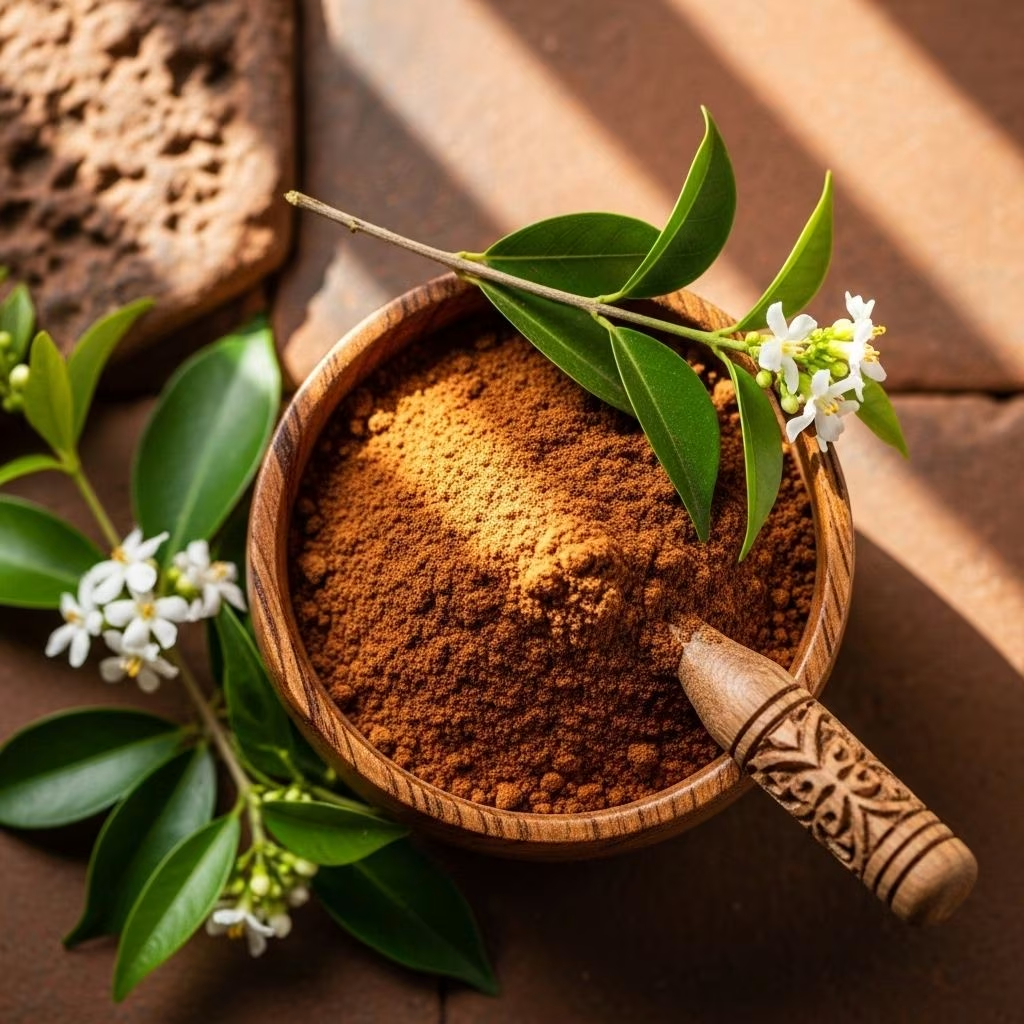
What Is Henna?
Henna, scientifically known as Lawsonia inermis, is a tropical shrub or small tree celebrated for its highly pigmented leaves which yield a distinctive red-brown dye. Henna is predominantly known for body art and hair coloring, but its benefits and uses extend into medicine, perfumery, and traditional rituals.
Botanical Profile and Origins
Botanically called Lawsonia inermis, henna belongs to the loosestrife family (Lythraceae). The plant is native to North Africa, the Middle East, South Asia, and has spread throughout Africa and northern Australia. Mature henna shrubs reach up to 20 feet (6 meters) tall and bear small, elliptic leaves with fragrant white to deep pink flowers.
- Common Names: Henna, Egyptian privet
- Growth Conditions: Prefers full sun, tolerates drought, and adapts to clay, rocky, and dry soils.
- Physical Features:
- Leaves: Opposite, 2 inches long, containing dye pigment (lawsone).
- Flowers: Highly fragrant; white to reddish-pink.
- Branches: Slender, often with thorns.
Historical and Cultural Significance
Henna holds a rich cultural heritage that spans continents. Its use dates back thousands of years:
- Ancient Egypt: Utilized for mummification, hair, and nail coloring.
- Middle Eastern and South Asian Traditions: Central to wedding rituals, religious holidays (Eid, Diwali), and body decoration.
- Northern Africa and Morocco: Linked to protection, healing, and beauty.
This revered plant is symbolic of joy and fertility, with ornate henna tattoos featured in numerous rites of passage and celebratory customs.
Chemical Components and Properties
The leaves of henna contain a variety of phytochemicals responsible for its pigment and therapeutic action:
| Compound | Primary Role |
|---|---|
| Lawsone (2-hydroxy-1,4-naphthoquinone) | Natural pigment used for dyeing skin, hair, and textiles |
| Flavonoids (quercetin, apigenin, luteolin) | Antioxidant, anti-inflammatory |
| Tannins | Astringent, antimicrobial |
| Mannitol, mucilage | Moisturizing, emollient properties |
| Catechins, coumarins, xanthones | Therapeutic effects |
Secondary metabolites in henna empower its resilience against harsh climates and contribute to its medicinal value.
Benefits of Henna
Henna offers a spectrum of health and wellness benefits due to its rich phytochemical content:
- Antibacterial and antifungal: Supports skin health, wound healing, and scalp conditions.
- Astringent: Tightens pores, soothes irritation, and manages oily skin.
- Anti-inflammatory: Calms skin reactions and helps alleviate inflammation.
- Antioxidant: Neutralizes free radicals, thereby protecting cells.
- Hair & Scalp Care: Reduces dandruff, strengthens follicles, and imparts a healthy shine.
- Pain Relief: Traditional use in easing arthritis, muscle pains, and headaches.
- Protective: Skin applications increase resistance against infections.
- Medicinal Uses: Folk remedy for ulcers, burns, and fevers.
Traditional and Modern Uses
Henna’s versatility is showcased in numerous applications:
Cosmetic Uses
- Temporary Body Art: Intricate designs painted on hands, feet, and body for celebrations.
- Hair Dye: Natural alternative to chemical hair color, producing reddish and auburn hues.
- Perfumes: Extracts from henna flowers are used for aromatic oils and perfumes.
- Nail Dye: Historic use in coloring nails for ceremonial or personal grooming.
Medicinal Applications
- Topical treatments for wounds, burns, and fungal infections.
- Traditional remedies for headaches, fevers, and digestive issues.
Ornamental and Cultural Uses
- Landscaping shrub for mixed borders or hedges.
- Essential role in festive and spiritual rituals.
Henna in Beauty and Medicine
The dual function of henna as both a cosmetic and therapeutic agent underpins its global popularity.
For Skin
- Natural dye for body art, producing lasting but impermanent tattoos.
- Addresses acne, eczema and provides a cooling effect against irritation.
- Improves wounds healing and reduces scar formation.
For Hair
- Strengthens roots, reduces split ends, and acts as a conditioner.
- Balances scalp oils, minimizes dandruff, and leaves a natural shine.
- Safe, hypoallergenic alternative to synthetic dyes.
Medicinal Applications
- Topical application for fungal and bacterial skin infections due to its antimicrobial properties.
- Used as a folk remedy for arthritis and joint pain by applying a paste on affected areas.
- Relieves headaches by applying henna paste to the scalp.
- May assist in lowering fevers.
Note: While many traditional claims exist, scientific validation varies. Always consult healthcare professionals about medicinal use.
Henna in Culinary Traditions: Exploring Its Taste
Though henna leaves are not mainstream food items, they do feature in regional cuisine and folk medicine in some cultures.
What Does Henna Taste Like?
- Primary Taste: Bitter and astringent due to high tannin content.
- Aroma: Earthy, slightly herbal, sometimes faintly floral from the flowers.
- Mouthfeel: Drying or puckering, analogous to strong black tea or certain medicinal herbs.
Henna’s taste is generally considered unpleasant in large amounts due to a bitter, vegetal profile and is rarely eaten directly. In rare instances, henna extracts, powdered leaves, or infusions have entered traditional remedies and beverages for their health-supportive compounds.
Culinary Uses (Rare & Medicinal)
- Henna water: Occasionally employed in folk medicine drinks for its purported cooling and anti-inflammatory attributes.
- Henna powder: Very sparingly used in herbal bitter blends or mixed with other ingredients in traditional remedies.
- Henna flowers: Sometimes used to flavor perfumes and aromatics.
Warning: Due to bioactive compounds and potential toxicity, ingesting henna is uncommon and not recommended without expertise or proper preparation.
Safety, Allergies, and Precautions
Henna is generally safe for external use, but certain precautions are crucial:
- Pure henna is rarely allergenic, but adulterated or “black henna” containing para-phenylenediamine (PPD) can cause severe reactions.
- Do not use henna on broken skin or open wounds unless directed by a healthcare professional.
- Pregnant or breastfeeding women should consult a doctor before topical use.
- Ingestion poses risks and should be avoided except under supervision of experienced practitioners.
- Always perform a patch test before using henna products for the first time.
Note: Counterfeit or contaminated henna can lead to toxicity or other health issues.
Growing and Harvesting Henna
Lawsonia inermis thrives in hot, arid climates and adapts to poor soils:
- Sunlight: Requires full sun for optimal growth.
- Soil: Grows well in rich to dry, clay, rocky, or sandy substrates.
- Watering: Drought-tolerant after establishment.
- Leaves: Harvested once mature and dried for use in dye or powder.
- Flowers: Picked for use in perfumes or aromatics.
Henna can be cultivated as a shrub or shaped as a hedge in Mediterranean-style gardens.
Frequently Asked Questions (FAQs)
Q: Is henna safe for children?
A: Pure, natural henna is generally safe for external use on children, but always test for allergies and avoid chemical-laced “black henna” which is toxic.
Q: Will henna stain my skin permanently?
A: No, henna creates a temporary stain lasting from several days up to two weeks, gradually fading as skin exfoliates.
Q: Can henna treat scalp conditions?
A: Yes, henna’s antimicrobial and astringent properties can help reduce dandruff, soothe irritation, and condition the scalp.
Q: Is ingesting henna safe?
A: Henna ingestion is not recommended due to potential toxicity and bitter taste. Use medicinally only under expert guidance.
Q: What’s the difference between pure and black henna?
A: Pure henna comes from Lawsonia inermis and is reddish-brown. “Black henna” contains added chemicals like PPD, which can be harmful.
Conclusion
Henna is an ancient botanical marvel that bridges the worlds of beauty, health, ritual, and tradition. Its lasting appeal rests not only on its vibrant stains and gentle nourishment for hair and skin, but also in the cultural tapestry it threads across civilizations. Although bitter in taste and rarely consumed, henna remains a foundation in cosmetic and folk medicine, with modern research continuing to explore its full spectrum of benefits.
References
- https://www.missouribotanicalgarden.org/PlantFinder/PlantFinderDetails.aspx?taxonid=282498
- https://www.britannica.com/plant/henna
- https://pmc.ncbi.nlm.nih.gov/articles/PMC6556789/
- https://www.kew.org/read-and-watch/five-things-henna
- https://www.rxlist.com/supplements/henna.htm
- https://awkwardbotany.com/2016/12/21/ethnobotany-the-henna-tree/
- https://www.terzaluna.com/en/blog/everything-you-needed-to-know-about-henna
- https://www.gardeningknowhow.com/ornamental/trees/henna-tree/henna-plant-care-and-uses.htm


