


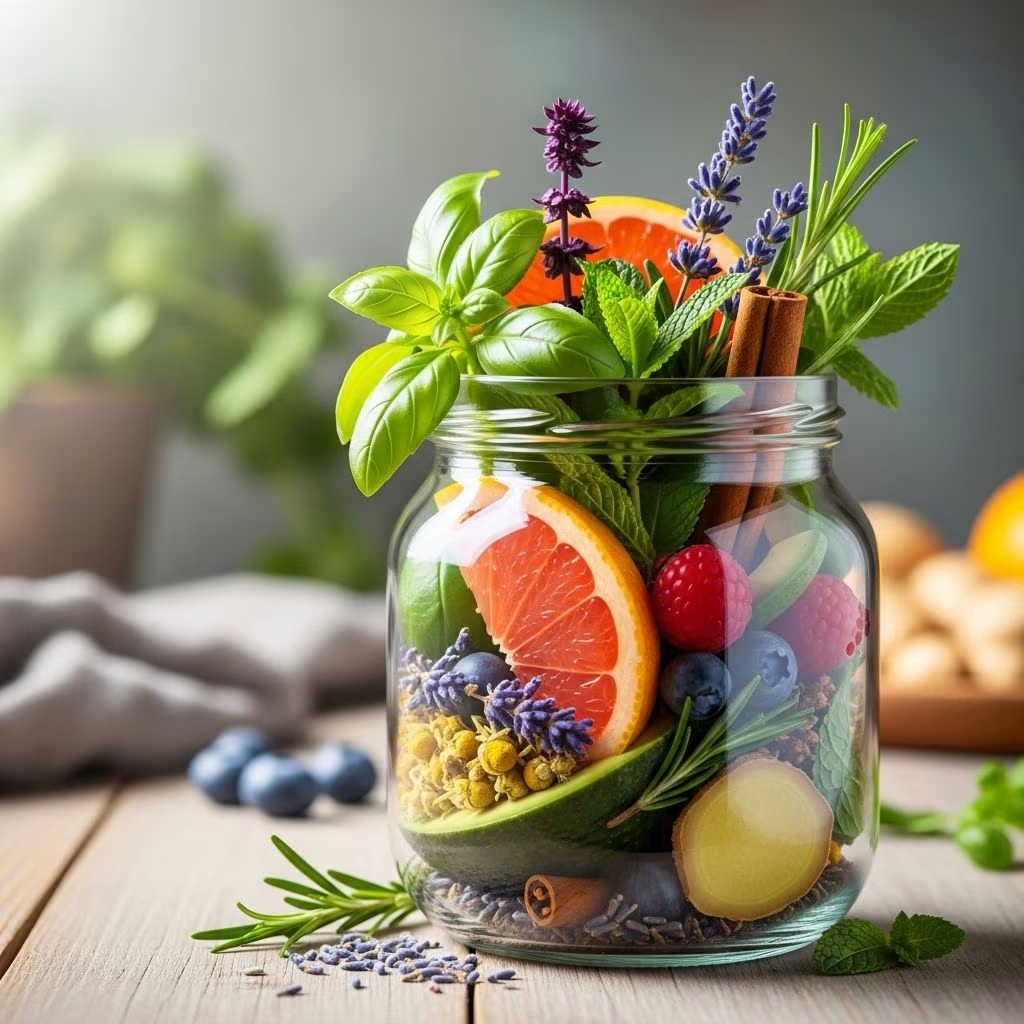
Natural Remedies for Estrogen Dominance
Estrogen dominance is a common hormonal imbalance among women—and increasingly men—leading to symptoms such as weight gain, fatigue, mood swings, irregular periods, headaches, and increased risk of health complications like PCOS, thyroid dysfunction, and fertility issues. While conventional treatments may help, natural and holistic approaches focused on nutrition, lifestyle changes, and targeted supplements can play a critical role in restoring healthy estrogen levels.
What is Estrogen Dominance?
Estrogen dominance refers to a state where the body has excess estrogen relative to other hormones, especially progesterone. This imbalance disrupts normal hormonal function and is associated with:
- Irregular or heavy periods
- Bloating and weight gain, especially around the hips and abdomen
- Mood swings, anxiety, and depression
- Fatigue
- Headaches and migraines
- Breast tenderness
- PMS symptoms and fertility challenges
- Thyroid dysfunction and PCOS
Common Causes of Estrogen Dominance
Several factors can contribute to estrogen dominance, including:
- Chronic stress leading to elevated cortisol, which interferes with progesterone production
- Poor liver function, affecting estrogen detoxification
- Gut dysbiosis—they gut microbiome helps regulate estrogen clearance
- Diet high in processed and high-fat foods
- Exposure to xenoestrogens (synthetic chemicals that mimic estrogen), found in plastics (BPA), pesticides, and personal care products
- Lack of physical activity and excess body fat
- Excessive use of hormonal birth control
Core Principles for Treating Estrogen Dominance Naturally
Treating estrogen dominance holistically involves four core strategies:
- Optimizing diet to support hormone metabolism and elimination
- Making lifestyle changes to reduce stress and support healthy hormonal cycles
- Minimizing environmental exposures to synthetic estrogens
- Supporting detoxification with targeted supplements and nutrients
1. Support Hormonal Balance through Nutrition
Choose a Fiber-Rich, Plant-Based Diet
Eating a fiber-rich, plant-based diet—or Mediterranean diet—can significantly lower estrogen levels because fiber binds excess estrogen in the digestive tract for elimination. Incorporate:
- Whole grains (brown rice, oats, quinoa)
- Legumes (beans, lentils, chickpeas)
- Vegetables, especially cruciferous types (broccoli, kale, cabbage)
- Berries (strawberries, raspberries, blueberries)
- Bitter greens (arugula, dandelion, radicchio)
- Healthy fats (avocado, olive oil, nuts, seeds)
Foods to Avoid
- Red and processed meats
- Highly processed foods, sugars, and refined grains
- Dairy (as some sources contain added hormones)
- Alcohol (can strain the liver and worsen estrogen imbalance)
Estrogen-Lowering Superfoods
| Food | Key Effect |
|---|---|
| Cruciferous vegetables (broccoli, cabbage, kale) | Contain DIM and indole compounds that support estrogen metabolism |
| Green tea | Rich in catechins, support liver detoxification of estrogen |
| Berries | Antioxidants help reduce inflammation and support hormone balance |
| Fatty fish (salmon, mackerel) | Omega-3 fats modulate hormone production and inflammation |
| Garlic | Sulfur compounds aid liver detoxification of excess estrogen |
| Turmeric | Curcumin impacts hormone regulation and supports liver health |
2. Lifestyle Changes to Regulate Estrogen
Exercise Regularly
Moderate exercise helps regulate weight, support insulin sensitivity, reduce stress, and promote healthy metabolic hormone clearance. Avoid chronic over-exercising, which can raise cortisol and contribute to further hormone imbalance.
Prioritize Sleep
Getting 7–9 hours of restorative sleep each night supports the body’s natural hormone cycles and recovery. Poor sleep increases cortisol, suppresses progesterone, and worsens estrogen dominance.
Manage Stress Effectively
Stress management is essential for hormonal harmony. High stress increases cortisol, which disrupts estrogen and progesterone production. Try:
- Yoga and gentle stretching
- Meditation and mindfulness practice
- Breathwork and relaxation exercises
- Acupuncture
- Spending time in nature
Sauna and Sweating
Sauna sessions and regular sweating (via exercise or steam baths) can support the elimination of endocrine disruptors and toxins from the body.
Seed Cycling
Seed cycling involves eating specific seeds at different stages of your menstrual cycle to balance estrogen and progesterone:
- Flaxseed and pumpkin seed during the follicular phase (first half of cycle)
- Sesame and sunflower seeds during the luteal phase (second half)
3. Avoid Estrogenic Environmental Exposures
Avoiding environmental xenoestrogens—substances that mimic estrogen in the body—is crucial. Major sources include:
- BPA in plastics (water bottles, food containers): opt for glass or stainless steel
- Pesticides: buy organic produce when possible
- Personal care products: choose natural, chemical-free cosmetics and toiletries
- Hormonal birth control: consider non-hormonal alternatives
- Household cleaners: use plant-based non-toxic formulas
4. Supplements & Herbal Support for Estrogen Detox
DIM (Diindolylmethane)
DIM is a bioactive compound found in cruciferous vegetables that supports healthy metabolism of estrogen, aiding its breakdown and elimination.
Chaste Berry (Vitex agnus-castus)
Low-dose chaste berry supplementation may help balance estrogen and progesterone, especially for PMS and cycle regulation.
Milk Thistle
Milk thistle supports liver health and estrogen detoxification.
Calcium D-Glucarate
This supplement helps remove excess estrogen by supporting liver and digestive pathways of elimination.
Additional Nutrients & Herbs
- Methylated B vitamins: vitamin B6, folate, and B12 aid detox and progesterone synthesis
- Curcumin and quercetin: anti-inflammatory, support hormone regulation
- Fish oil (omega-3): anti-inflammatory, supports hormone balance
- Licorice root, cinnamon: support metabolism and gut health
5. Gut Health and Estrogen Clearance
Estrogen clearance depends on a healthy gut microbiome. Strategies include:
- Probiotic and prebiotic supplements
- Fermented foods: kefir, sauerkraut, kimchi, yogurt
- Limiting antibiotics and unnecessary medications
- Reducing alcohol intake
- Avoiding sleep deprivation and excessive stress
These changes support the breakdown and elimination of excess estrogen, reducing symptoms and risk of chronic disease.
Sample Holistic Plan for Estrogen Dominance
- Transition to a plant-forward, high-fiber diet with daily cruciferous and bitter greens
- Practice stress management daily: breathwork, meditation, gentle movement
- Supplement with DIM, calcium D-glucarate, and methylated B vitamins
- Exercise moderately 4–5 times weekly; include sauna or steam therapy for detox
- Switch to non-toxic personal care and cleaning products
- Prioritize gut health with probiotics and fermented foods
- Monitor sleep hygiene for consistent 7–9 hours nightly
- Consider non-hormonal contraceptive options if applicable
Frequently Asked Questions (FAQs)
Q: What are the main symptoms of estrogen dominance?
A: Common symptoms include irregular or heavy periods, mood swings, bloating, breast tenderness, headaches, weight gain, PMS, and fertility issues.
Q: Can men experience estrogen dominance?
A: Yes. Men can develop estrogen dominance due to obesity, liver dysfunction, certain medications, and exposure to environmental estrogens, leading to symptoms like low libido, fatigue, and weight gain.
Q: How quickly do lifestyle and dietary changes affect estrogen levels?
A: Some people notice improvements within weeks, while deeper hormonal shifts may require several months of consistent dietary and lifestyle changes.
Q: Are supplements necessary for everyone?
A: Not always. Diet and lifestyle changes are foundational. Supplements may benefit those with diagnosed estrogen dominance, persistent symptoms, or increased exposure to environmental estrogens.
Q: Is it safe to stop hormonal birth control due to estrogen dominance?
A: Discuss with your doctor before changing contraceptive methods. There are non-hormonal options, but abrupt discontinuation may disrupt cycles if not managed properly.
Conclusion
Estrogen dominance is a prevalent health issue for many women (and men), manifesting through a spectrum of chronic symptoms and increasing disease risk if left unmanaged. The most effective natural remedies integrate nutritional strategies, stress management, avoidance of xenoestrogen exposures, and targeted supplementation to restore balance and support holistic well-being. Consistency, patience, and individualization are key—work with a healthcare practitioner for tailored guidance. With these natural interventions, healthy estrogen balance and symptom relief are achievable for most.
References
- https://my.clevelandclinic.org/health/diseases/22363-high-estrogen
- https://citynaturopathic.ca/how-to-treat-estrogen-dominance/
- https://www.va.gov/WHOLEHEALTHLIBRARY/tools/estrogen-dominance.asp
- https://www.rupahealth.com/post/a-functional-medicine-protocol-for-estrogen-dominance
- https://tanyaleend.com/how-to-treat-estrogen-dominance-naturally-through-diet-lifestyle/
- https://www.letsgetchecked.com/articles/how-to-naturally-decrease-estrogen-levels/
- https://www.holisticvitalitycenter.com/8-holistic-ways-to-reverse-estrogen-dominance/
- https://www.medicinenet.com/what_foods_lower_decrease_flush_excess_estrogen/article.htm
- https://www.plateandcanvas.com/the-best-estrogen-dominance-diet-dietitian-s-top-tips


