


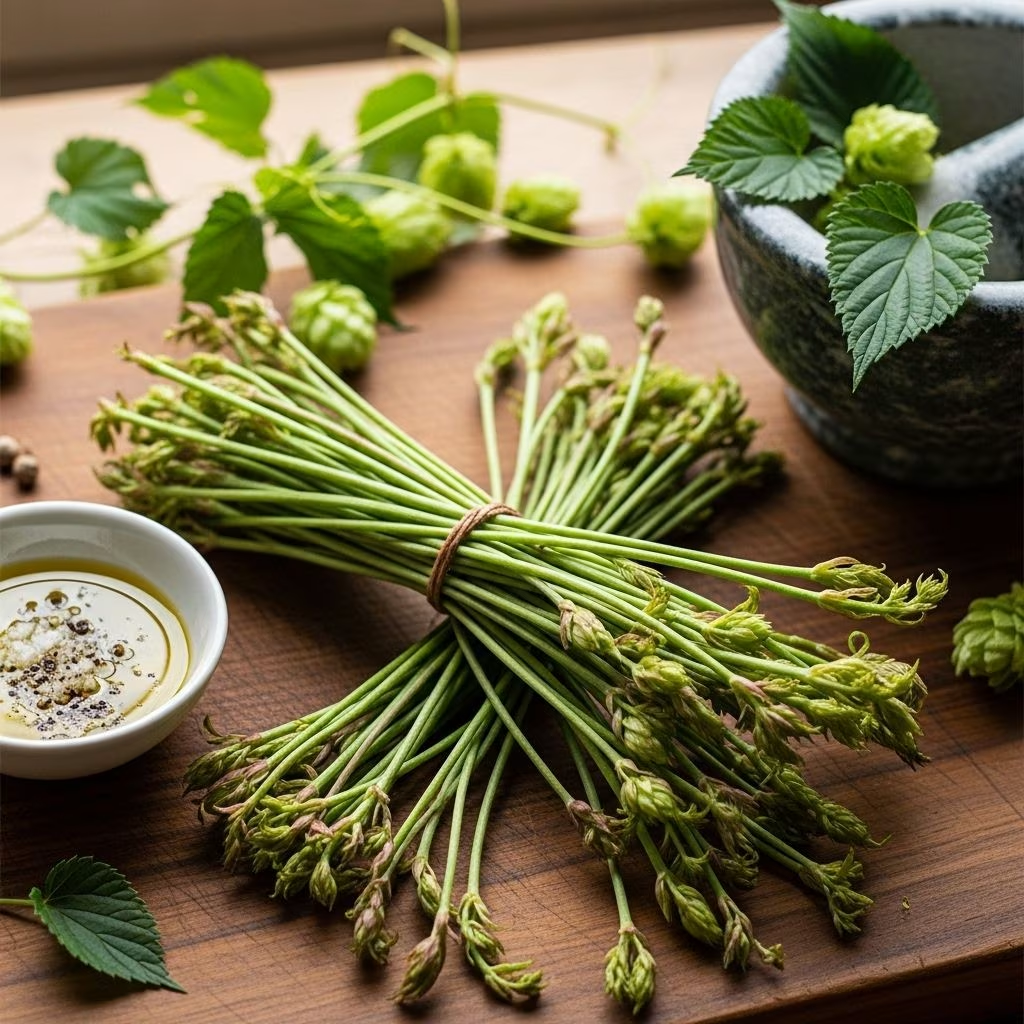
Hop shoots, the tender young sprouts of the Humulus lupulus plant, are cherished by foragers, chefs, and health-conscious individuals alike for their rarity, unique flavor, and impressive nutritional qualities. While best known as the parent plant of the hops used in brewing beer, hop plants also yield these edible shoots that have become a seasonal delicacy in many parts of the world. This article provides a comprehensive exploration of hop shoots: their botanical background, nutritional value, health benefits, culinary applications, where to find them, and insights into their distinctive taste.
What Are Hop Shoots?
Hop shoots are the tender, early-spring growths that emerge from the rhizome of the hop plant (Humulus lupulus) before the plant develops into tall, woody vines known as bines. The plant itself is a perennial herbaceous climber, and its shoots can grow rapidly—sometimes 20 to 50 cm (8 to 20 inches) per week at the peak of their spring growth. Unlike grapevines, hop bines climb using stiff hairs on their robust stems, winding clockwise around supports.
Cultivated primarily for the female flowers (hops) used in beer brewing, the shoots are a distinct and lesser-known edible crop harvested only in spring, before the plant matures into tall, flowering bines.
Key Characteristics of Hop Shoots
- Appearance: Early shoots are typically dark purple, turning green as they mature. They are slender, flexible, and emerge in tufts or clusters from the base of the plant.
- Growth Habit: Shoots continually emerge after initial harvesting, often filling large areas if not managed.
- Scientific Classification: Humulus lupulus (common hop). Related wild varieties exist, such as Humulus americanus in North America.
- Part Used: Only the tender upper portions and tips of new shoots are typically eaten, as lower parts quickly become tough and fibrous.
History and Cultivation of Hop Shoots
Hop plants have been cultivated and foraged for over a thousand years, originally discovered as wild plants in Eurasia and North America. They were historically considered weeds until their valuable brewing and medicinal properties were realized. Today, hops are intensively farmed for the brewing industry, but hop shoots remain a niche, high-value spring crop.
Geographical Distribution
- Europe: Hop shoots are a traditional delicacy in Belgium, Germany, and the Netherlands, featured in local cuisine, farmers’ markets, and specialty restaurants, mostly from late March to May.
- Asia: Used in seasonal Japanese and Chinese dishes.
- North America: While commercial production is rare, wild hop shoots are foraged in the spring. The Pacific Northwest, Northeast US, and parts of Canada have wild and cultivated hop plants.
- India: Cultivation is rare due to unsuitable climate; small-scale growing exists in the Himalayan regions (Himachal Pradesh, Jammu & Kashmir, Uttarakhand).
Why Are Hop Shoots So Rare and Expensive?
Hop shoots are widely reported as one of the world’s most expensive vegetables. This is due to their delicate nature, labor-intensive harvesting, limited harvesting window, and the necessity to reduce future hop cone harvests for beer if too many shoots are picked. As a result, they often appear only in high-end culinary markets and specialty restaurants.
Nutritional Profile and Health Benefits
Traditional and modern sources suggest that hop shoots are not just a gourmet delight but also offer various health benefits. While specific nutritional profiles depend on soil and climate, the following are the most widely acknowledged benefits:
- Rich in Vitamins and Minerals: Contains B-complex vitamins (such as thiamine, riboflavin), vitamin C, and minerals like iron, magnesium, potassium, and manganese.
- Dietary Fiber: Their fibrous structure provides digestive fiber, aiding gastrointestinal health.
- Antioxidants: Contains antioxidant compounds that may help combat oxidative stress.
- Anti-inflammatory Properties: The plant is traditionally known for anti-inflammatory components, reflecting those found in mature hops.
- Low Calorie: Like asparagus or fiddlehead ferns, hop shoots are very low in calories.
Potential Medicinal Uses:
- Compounds from hops (found in all parts of the plant, including shoots) have been researched for sedative, antimicrobial, and mild pain-relieving effects.
- Research attributes many of the observed health benefits to bitter acids and flavonoids, mainly in the mature cones, but similar properties exist in the young shoots.
Culinary Uses of Hop Shoots
Hop shoots are prized as a wild gourmet vegetable and are often compared to rare delicacies like asparagus or morels. Their culinary applications reflect their delicate structure and unique taste.
Popular Ways to Prepare and Eat Hop Shoots
- Raw: When very young and tender, hop shoots can be added to salads for a crisp texture and fresh, slightly bitter flavor.
- Sautéed: A classic preparation involves lightly sautéing hop shoots in butter or olive oil, optionally with garlic and lemon.
- Blanched: Brief blanching in boiling water, then plunging into ice water, preserves color and tenderness while mellowing bitterness.
- Stir-fried: Incorporated into Asian-style stir fries with mushrooms, tofu, or other seasonal vegetables.
- Omelettes and Frittatas: Adds a seasonal crunch and bright green flavor to eggs.
- Pasta: Tossed with pasta, olive oil, and herbs for a spring-themed dish.
- Pickled: Preserved in brine as a gourmet condiment.
Sample Recipe: Simple Sautéed Hop Shoots
Ingredients:- 200g fresh hop shoots- 1 tbsp olive oil or butter- 1 garlic clove (optional)- Pinch of salt and fresh lemon juiceInstructions:1. Wash and trim the hop shoots, removing any tough bases.2. Heat oil or butter in a shallow pan.3. Add hop shoots (and garlic if using). Sauté on medium-high heat for 2-3 minutes until just tender.4. Sprinkle with a little salt and fresh lemon juice. Serve immediately.Seasonality and Availability
Hop shoots are available only for a brief window in early spring—usually late March to May in the Northern Hemisphere. The harvesting window for tender shoots lasts only 2 to 3 weeks, as shoots quickly become too tough to eat as the plant matures.
- Fresh hop shoots: Most commonly available from specialty foragers, farmers’ markets, select high-end grocers, or directly from hop farms during the early spring.
- Foraged hop shoots: Those with access to wild or homegrown hop plantings may be able to harvest their own.
Flavor and Taste Profile
Hop shoots are famous for their complex and distinctive taste, which can vary based on maturity, soil, and preparation. Most descriptions compare the taste to a mix of:
- Asparagus (for its green, grassy, slightly sweet notes)
- Green beans (fresh and tender bite)
- Mild bitterness reminiscent of hops or dandelion greens
- Occasionally a hint of nuttiness or subtle herbal spice
While uncooked hop shoots can be quite bitter, their bitterness mellows with cooking, revealing a subtly earthy and vegetal flavor. The most prized shoots are the smallest, youngest tips, which are both tender and delicately flavored.
How to Harvest and Prepare Hop Shoots
Harvesting hop shoots requires timing and precision. Only the top five to ten centimeters (2-4 inches) of the earliest spring shoots are tender enough to eat. Follow these guidelines:
- Identify young shoots emerging from the rhizome, typically purple to pale green initially.
- Cut or snap the tips just above the soil line, selecting only the most flexible shoots (woody stems are not palatable).
- Wash thoroughly to remove soil or mulch and trim away any tough segments.
- Sort shoots by tenderness: Use the tender tops for raw or light-cooked dishes; reserve firmer tips for parboiling or discard woody bases.
Buying and Storing Hop Shoots
- Purchasing: Look for bright, crisp, and unblemished shoots; avoid any that are wilted or yellowing.
- Storing: Store in the refrigerator, lightly wrapped in a damp paper towel and in a perforated plastic bag. Use within 2-3 days for best quality.
- Freezing: Blanch briefly (1 minute), then shock in ice water before freezing in airtight containers.
Potential Risks and Considerations
- Hop shoots are generally safe to eat for most people. As with any wild foraged food, correct identification is crucial to avoid accidental harvesting of lookalike plants.
- Some individuals may have allergies to hop plants or related botanicals; caution is advised on first use.
- Pregnant or breastfeeding individuals should consult a healthcare professional regarding dietary inclusion, given the mild sedative properties of some hop compounds.
- Eating large quantities may cause digestive discomfort due to fiber content.
Frequently Asked Questions (FAQs)
Q: What are hop shoots used for besides eating?
A: Beyond culinary uses, hop shoots have historical medicinal applications (as tonics or sedatives) and are occasionally used ornamentally for their vigorous spring growth.
Q: Can you eat hop shoots raw?
A: Yes, the youngest, most tender hop shoots can be eaten raw—typically in salads. They are more commonly cooked to mellow bitterness and enhance their flavor.
Q: Are hop shoots bitter like hops used in beer?
A: Hop shoots are mildly bitter, but not nearly as strong as mature hops. Cooking reduces this bitterness, yielding a milder, more agreeable taste.
Q: Why are hop shoots so expensive?
A: Their short harvest window, back-breaking harvesting process, and competition with the beer industry for the same plants make them rare and costly.
Q: How do hop shoots compare nutritionally to other spring vegetables?
A: Their nutritional profile is similar to other wild spring shoots like asparagus or fiddleheads: low in calories, good fiber, and rich in micronutrients and antioxidants.
Conclusion
Hop shoots combine rarity, delicate flavor, and nutritional value to create a truly unique vegetable experience. For adventurous food lovers and creative cooks, their brief spring season offers a chance to try a dish steeped in tradition and flavor. Next time you see hop shoots at a market—or spot the first tips emerging from a hop bine—consider bringing this historical, healthy, and delicious wild vegetable to your plate.
References
- https://en.wikipedia.org/wiki/Humulus
- https://justagriculture.in/wp-content/uploads/2025/04/ARTICLE-28.pdf
- http://www.nomiforager.com/blog/2020/4/2/hop-shoots
- https://steemit.com/food/@haphazard-hstead/hop-shoots-the-other-hop-crop-5-ways-to-eat-hop-shoots
- https://beermaverick.com/what-are-hop-shoots/
- https://www.foodforest.garden/2016/10/24/hop-shoots/
- https://foragerchef.com/hop-shoots/
- https://www.fondazioneslowfood.com/en/ark-of-taste-slow-food/hopshoots/


