


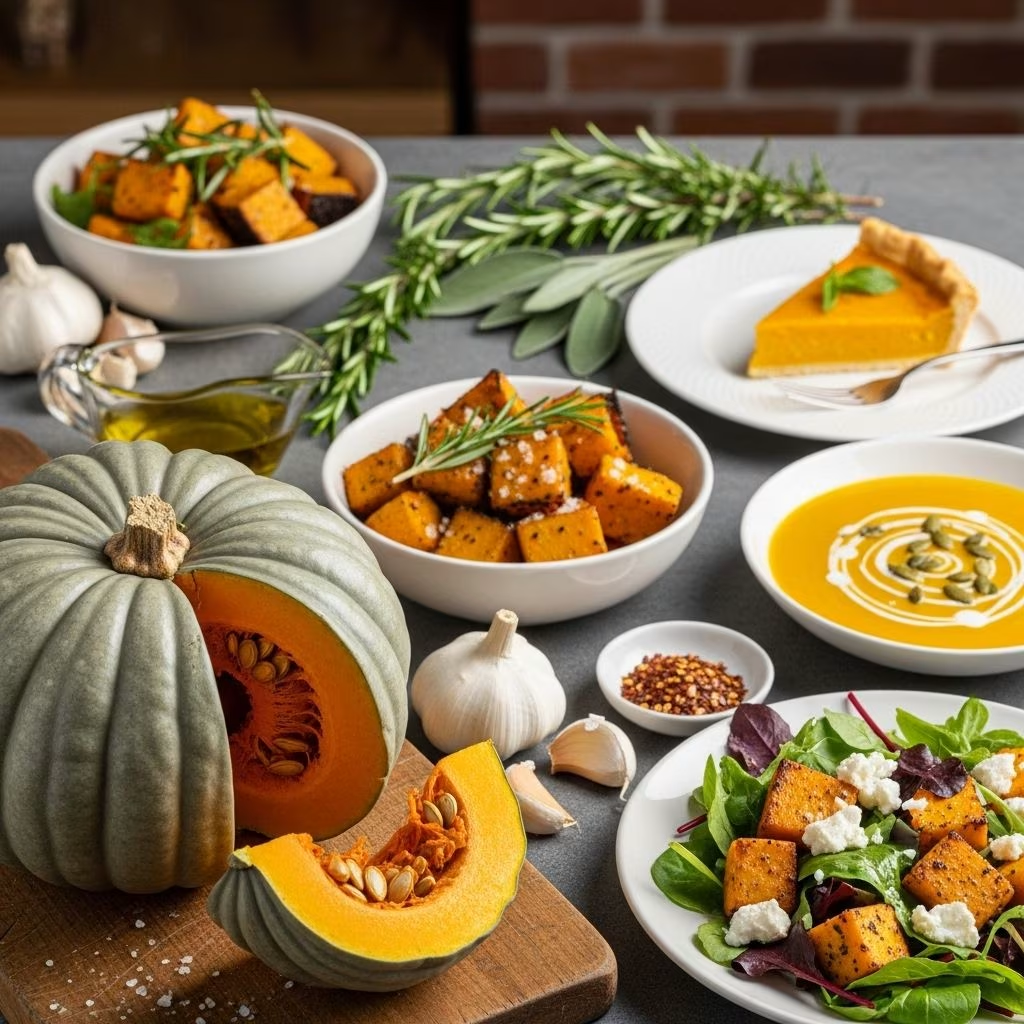
Hubbard squash is a winter squash variety renowned for its dense, sweet flesh and versatility in both savory and sweet applications. Whether roasted whole, blended into soups, or incorporated into hearty entrées, mastering Hubbard squash cooking unlocks countless culinary possibilities. This guide delivers the best recipes and perfect cooking tips, ensuring your Hubbard squash shines at every meal.
Introduction to Hubbard Squash
Hubbard squash stands out among winter squashes for its large size, hard rind, and vibrant orange or blue-tinged flesh. Its unique nutty sweetness pairs well in both main courses and desserts. Ways to enjoy Hubbard squash include roasting, baking, mashing, blending into soups, or using it as a healthier substitute in recipes calling for pumpkin or sweet potatoes.
Key characteristics:
- Large, hardy shell: Requires careful cutting.
- Rich flavor profile: Earthy, slightly sweet, and nutty.
- Versatile applications: Soups, side dishes, hashes, baked goods, and salads.
How to Cook Hubbard Squash Perfectly
Cooking Hubbard squash is straightforward, but getting it perfect demands attention to its unique texture and size. The best cooking techniques ensure tender, flavorful flesh without dryness or toughness.
Preparation Tips
- Washing: Scrub the tough exterior to remove dirt.
- Cutting: Use a heavy chef’s knife or cleaver. Cut in half or wedges; for easier handling, microwave for a few minutes to soften the skin.
- Seeding: Scoop out seeds and fibers. Save seeds for roasting if desired.
Cooking Methods
- Roasting (halved or whole): Yields deep flavor and creamy texture. Preheat oven to 400°F (205°C); roast until the flesh is fork-tender, typically 45–60 minutes halved or 1–1.5 hours whole depending on size .
- Steaming/Boiling: Quick but may dilute flavor. Cut into chunks and steam or boil until soft (approx. 20–30 minutes).
- Microwaving: Fast option for smaller pieces; microwave on high in covered dish with splash of water for 10–15 minutes until soft.
Flavor Pairings
- Spices: cinnamon, nutmeg, clove, ginger, allspice
- Herbs: thyme, rosemary, sage
- Other: butter, brown sugar, honey, maple syrup, coconut oil, garlic
Classic Roasted Hubbard Squash
Roasting brings out Hubbard squash’s natural sweetness and nutty undertones. For a simple side or base for other dishes, follow this recipe.
Ingredients
- 1 whole Hubbard squash or halves/wedges
- 2 tbsp unsalted butter or olive oil
- ½ tsp salt
- ½ tsp cracked black pepper
- 2 tbsp brown sugar (optional)
- Preferred spices/herbs
Instructions
- Preheat oven to 400°F (205°C).
- Carefully halve squash and scoop out seeds.
- Spread softened butter or oil on both sides of flesh.
- Season with salt, pepper, and additional spices.
- Place squash on foil-lined baking sheet, cut side up. Sprinkle with brown sugar if desired.
- Roast 45–60 minutes until flesh is soft when pierced with fork.
Serving Variations
- Serve as is, as a wholesome side.
- Blend roasted flesh into purée for soups and sauces.
- Scoop flesh into salads or grain bowls.
Creamy Hubbard Squash Soup
Hubbard squash soup epitomizes fall comfort—with velvety texture and natural sweetness complemented by subtle spice. The following recipe is dairy-free, emphasizing pure squash flavor .
Ingredients
- 1 large Hubbard squash (about 3 cups flesh)
- 1 tbsp olive oil
- 2 tbsp rice flour (for thickening, optional)
- 3 cups water
- ½ tsp salt
- ⅛ tsp ground pepper
- 1 tbsp butter (optional for richness)
- ¼ tsp ground nutmeg
Instructions
- Preheat oven to 400°F (205°C).
- Slice squash in half, remove seeds, brush flesh with olive oil, sprinkle salt and pepper.
- Bake cut side up for 45–60 minutes until soft.
- Scoop out flesh and purée with 1 cup water in blender.
- Transfer purée to pot, add remaining water, rice flour, butter, and nutmeg.
- Simmer over medium heat for 10–15 minutes, stirring occasionally.
- Adjust seasoning; serve topped with sour cream, pumpkin seeds, or fresh herbs.
Flavor Variations
- Blend in a handful of roasted hazelnuts for nuttiness.
- Add curry powder, ginger, or coconut milk for global twists.
- Garnish with fresh scallions, sautéed pumpkin seeds, or dried cranberries.
Stuffed Hubbard Squash Ideas
Hubbard squash’s large cavity makes it ideal for stuffing. Fill with grains, meats, cheese, or veggies for an impressive entrée or cozy meal.
- Grain-stuffed squash: Combine cooked quinoa or rice, sautéed spinach, onions, garlic, dried cranberries, and nuts. Add grated cheese for richness; bake until cheese melts.
- Meat and vegetable stuffing: Mix ground turkey, sausage, mushrooms, and herbs. Brown meat first, then stuff squash and bake until filling is cooked through.
- Vegetarian: Use lentils, chickpeas, kale, sun-dried tomatoes, and feta; drizzle with olive oil before baking.
- Southwest style: Fill with black beans, corn, jalapeño, tomato, cumin, and cheddar.
Innovative Hubbard Squash Recipes
Hubbard squash is as versatile as it is flavorful. Beyond the classics, try these creative recipes for new culinary adventures:
- Hubbard Hash: Sauté diced squash with onions, garlic, rosemary and potatoes. Top with fried eggs for breakfast.
- Lasagna rolls: Spread mashed squash over lasagna noodles, sprinkle with blue cheese and sage, roll up and bake in herbed tomato sauce .
- Squash muffins: Substitute purée for pumpkin—add cinnamon and ginger—for sweet, moist breakfast muffins.
- Pasta sauce: Blend roasted squash with heavy cream, garlic, and parmesan for a decadent sauce over linguine.
- Salads and Buddha bowls: Toss chilled, roasted chunks over greens, grains, or legumes with vinaigrette.
| Recipe Type | Texture & Flavor | Main Ingredients |
|---|---|---|
| Roasted Halves | Mild, caramelized, soft | Squash, butter/oil, spices |
| Soup | Silky, sweet, aromatic | Squash, water, nutmeg, flour |
| Stuffed | Hearty, chewy, herbed | Squash, grains/meats, veggies |
| Hash | Chunky, savory | Squash, potatoes, onions |
| Muffins/Desserts | Moist, spiced | Squash purée, flour, eggs |
Storage and Handling Tips
Proper storage maximizes Hubbard squash shelf life and flavor.
- Raw squash: Keep in cool, dry place (basement/root cellar at ~55°F/15°C). Lasts 2–4 months; not ideal for the fridge as it shortens shelf life .
- Cooked squash: Store in airtight container; refrigerate for 3–5 days or freeze in chunks/purée for 3–6 months.
- Soup: Can be frozen for up to 6 months.
Nutritional Benefits
Hubbard squash is a nutrient powerhouse, rich in antioxidants and vitamins essential for health :
- Beta carotene: Converts to vitamin A, supports vision and immunity.
- Vitamin C: Antioxidant, boosts immunity and skin health.
- Fiber: Improves digestion and supports satiety.
- Low calorie: About 100 calories per cup.
Swap Hubbard squash for butternut or pumpkin in recipes for similar nutrition and flavor profiles.
Frequently Asked Questions (FAQs)
Q: What does Hubbard squash taste like?
A: It’s mildly sweet, nutty, and earthy—less sugary than butternut yet richer than acorn squash.
Q: Is Hubbard squash hard to cut?
A: Yes, the shell is tough. Use a large, sharp knife or cleaver, and try microwaving whole for a few minutes to soften first.
Q: Can I use Hubbard squash instead of pumpkin or butternut?
A: Absolutely. It swaps perfectly for butternut, kabocha, or pumpkin in soups, pies, and baked goods .
Q: What is the easiest way to cook Hubbard squash?
A: Roasting it whole or halved in the oven is easiest. Just cut, seed, season, and roast until tender .
Q: Any tips for using squash in meal prep?
A: Roast bulk squash ahead, portion into containers, refrigerate or freeze for quick soups, salads, or veggie sides all week.
Q: Are there gluten-free options?
A: Yes, Hubbard squash itself is gluten-free. Soups and stuffed recipes can use gluten-free flours and grains.
Hubbard Squash Cooking Time Reference
| Method | Sliced/Wedges | Whole |
|---|---|---|
| Roasting | 45–60 min (400°F) | 60–90 min (400°F) |
| Boiling/Steaming | 20–30 min | N/A |
| Microwave | 10–15 min (chunks) | 15–20 min (pierced) |
Conclusion
Hubbard squash deserves a prominent role in the home cook’s winter repertoire. From simple roasted halves to gourmet soups, hearty hashes, and creative casseroles, this nutritious, versatile squash adapts to nearly every cuisine and diet. Perfecting basic cooking methods like roasting and blending is the key to unlocking the full flavor and benefits of Hubbard squash in your kitchen.
References
- https://www.binkysculinarycarnival.com/blue-hubbard-squash-recipe/
- https://recipesworthrepeating.com/hubbard-squash-soup/
- https://www.pookspantry.com/how-to-bake-hubbard-squash-whole/
- https://www.pookspantry.com/hubbard-squash-recipes/
- https://fruitsandveggies.org/blog/top-10-ways-to-enjoy-hubbarb-squash/
- https://catfishoutofwater.com/roasted-red-hubbard-squash-cubes/


