


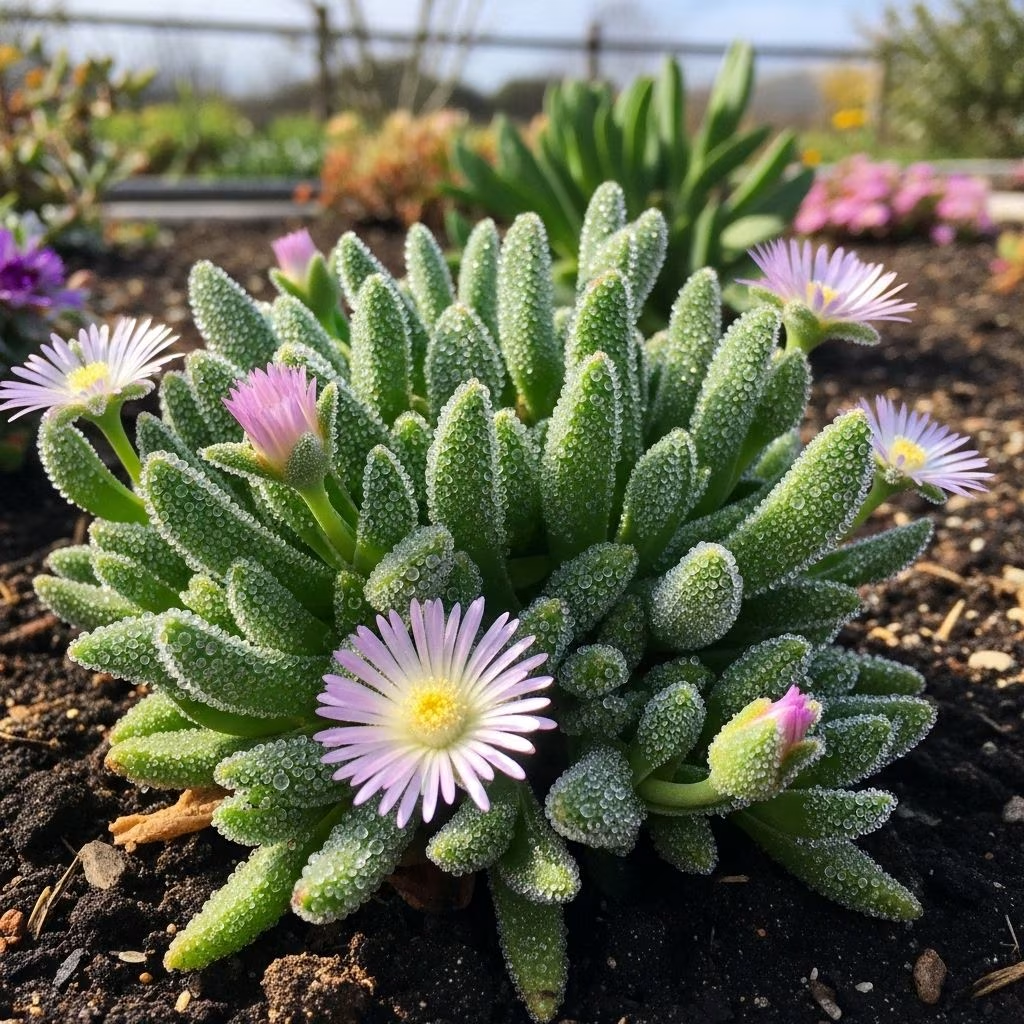
The ice plant is a striking, drought-resistant succulent that not only adds splashes of color and texture to gardens worldwide, but also offers unique culinary possibilities. With sparkling, dew-like surfaces and vibrant, daisy-like blooms, the ice plant family—spanning genera such as Delosperma, Lampranthus, Carpobrotus, and Mesembryanthemum—has intrigued gardeners, home cooks, and foragers alike. This article explores every key aspect of the ice plant: its origins, benefits, cultural and culinary uses, growth tips, and the science behind its refreshing taste.
Ice Plant Overview and Botanical Background
The term “ice plant” encompasses several succulent species in the Aizoaceae family, particularly the genera Delosperma, Lampranthus, Carpobrotus, and Mesembryanthemum. These perennials originate mainly from South Africa, where their ability to conserve water allows them to thrive in harsh, arid environments. Their name comes from glistening, cell-filled surfaces on their leaves that look like dew or frozen ice crystals, especially in sunlight or morning dew. These specialized bladder cells help limit water loss in dry conditions.
| Common Name | Ice Plant |
| Botanical Names | Delosperma spp., Lampranthus spp., Carpobrotus edulis, Mesembryanthemum crystallinum |
| Plant Type | Succulent, perennial or annual (varies by species) |
| Family | Aizoaceae |
| Hardiness Zones | 4–11 USDA (varies by species) |
| Origin | South Africa, Mediterranean basin, Pacific Coast USA, Australia |
Main Types and Botanical Varieties
- Delosperma: Noted for mat-forming growth, vivid magenta, yellow or white daisy-like flowers. Widely used in rock gardens for their frost tolerance.
- Lampranthus: Known for more shrubby forms and profuse, colorful blooms. Common in Mediterranean landscapes.
- Carpobrotus edulis (Sour Fig, Hottentot Fig, Sea Fig): Renowned for edible fruits and leaves; highly invasive in some coastal regions.
- Mesembryanthemum crystallinum (Crystalline Ice Plant): Identified by shimmering, bladder-like cells that resemble ice. Sometimes grown for ornamental and edible purposes in the Mediterranean.
Distinctive Characteristics and Appearance
- Leaf Structure: Fleshy, three-sided or paddle-shaped succulent leaves, coated with tiny, reflective, water-filled cells which give the foliage its ‘icy’ look.
- Flower Form: Showy, radially-symmetrical flowers resembling small daisies or sea anemones, featuring bright pink, magenta, purple, yellow, orange, or white hues. Blooms open in daylight and close at night.
- Growth Habit: Low-growing ground cover or trailing succulent, rapidly spreading with carpet-like dense mats; heights range from 3-12 inches and can spread several feet wide.
- Fruit: Figs or berry-like capsules, known in some as ‘sour fig,’ which are edible and resemble the size and arrangement of true figs.
Benefits of Growing Ice Plant
- Drought Resistance: Requires minimal irrigation due to water-storing leaves; ideal for xeriscaping and water-conscious gardens.
- Vibrant Aesthetics: Bright, long-lasting flowers liven up dry landscapes and provide visual interest; blooms from spring through fall in succession.
- Low Maintenance: Thrives in poor, sandy soils with good drainage; minimal care once established.
- Erosion Control: Root systems stabilize soil, making the plant popular alongside highways, on slopes, and in coastal dunes.
- Pollinator Friendly: Flowers attract bees, butterflies, and other beneficial insects, supporting local biodiversity.
- Tolerance for Salinity and Poor Soils: Can grow where many other plants fail, such as in coastal or sandy locations.
Practical and Environmental Uses
- Ornamental Ground Cover: Rapid, dense spread for beautiful, living carpets in gardens, filling in gaps, and trailing over retaining walls.
- Erosion and Bank Stabilization: Used on embankments, sea cliffs, and highway verges for soil retention and to limit dust and runoff.
- Living Mulch: Suppresses weeds and moderates soil temperature.
- Pollinator Habitat: Enhances habitat for nectar-loving insects.
- Landscaping for Low-Water Regions: Valuable in Mediterranean, desert, and coastal gardens; sometimes used around pools and in patios.
Culinary Uses and Taste Profile
The edible parts of many ice plant species provide chefs and foragers with unique textures and flavors. Young leaves and fruits, in particular, are celebrated in cuisines of Southern Africa, Australia, the Mediterranean, and increasingly in specialty markets.
What Does Ice Plant Taste Like?
- Leaves: Crisp, exceedingly juicy, with a cool, refreshing mouthfeel. Flavors are mild, grassy, salty, and slightly tangy. Surface cells pop with each bite, sometimes giving a sparkling sensation.
- Fruits (Sour Fig): Jelly-like interiors; sour, salty, mildly sweet when ripe, with hints of tropical fruit. Fruits darken and gain sweetness as they mature.
How to Use Ice Plant in Recipes
- Salads: Leaves add crispness, juiciness, and salty freshness to green salads; combine well with citrus, tomatoes, seafood, and mild cheeses.
- Pickled: Pickled ice plant leaves make for a tangy, crunchy garnish.
- Stir-fried or Sautéed: Brief sautéing highlights its unique texture but retains juiciness.
- Garnish: Decorative, refreshing addition to sushi, sashimi, or cold appetizers.
- Fruits: Sour fig pulp is used in jams, chutneys, sauces, and sometimes stewed with sugar or honey.
Nutrition and Health Benefits
- Rich in Water: High water content aids hydration and provides a cooling effect in meals.
- Minerals and Antioxidants: Contains calcium, magnesium, potassium, and antioxidants; cells responsible for salty taste may contain trace minerals from the soil.
- Traditional Medicinal Uses: In some cultures, extracts from the leaves are applied to soothe sunburn or minor skin irritations, though clinical evidence is sparse.
- Low Calorie: Ice plant is low in calories, fat, and carbohydrates, making it suitable for weight-conscious diets.
Note that the exact chemical makeup and nutritional profile of ice plant species can vary. Generally, their overall nutrient contribution is modest, but their hydrating effect and micronutrients offer some dietary value.
How to Grow and Care for Ice Plant
Ice plant’s resilience and easy-care reputation make it a favorite for beginner and seasoned gardeners alike. Here is a comprehensive care guide:
- Light: Requires full sun for best flowering and compact growth. Will tolerate partial shade but may flower less profusely.
- Soil: Favors sandy, well-draining soils. Avoid waterlogged or clay-heavy soils; raised beds or rock gardens are excellent.
- Watering: Highly drought-tolerant. Water once roots establish, only during prolonged droughts; overwatering leads to rot.
- Temperature: Hardy in USDA zones 4–11, some species survive down to 20°F (-7°C). Frost tolerance depends on the type.
- Propagation: Easily propagated by stem cuttings; cut, let callus, then press into soil or potting mix. Rooting usually occurs within weeks.
- Pruning and Spacing: Prune aggressively to control spread and rejuvenate older mats. Allow space for spreading; typically grows 3–6 in. high, up to 24 in. wide or more.
- Pest and Disease Resistance: Few pests; occasionally susceptible to root rot in very wet conditions.
- Use Protections: Young ice plants may be browsed by rabbits or rodents—consider protective mesh until established.
Potential Concerns and Invasiveness
- Invasive in Some Regions: The ice plant, especially Carpobrotus edulis and certain others, grows aggressively and can displace native vegetation, leading to management issues along California’s coast, parts of Australia, and the Mediterranean.
- Seed Sterility in Hybrids: Some ornamental forms don’t self-seed and are less likely to spread excessively.
If planting ice plant near wild areas, choose non-invasive cultivars and monitor containment. Responsible gardening ensures both beauty and ecological safety.
Frequently Asked Questions (FAQs)
Q: Is ice plant edible for humans?
A: Yes, many species’ young leaves and fruits are edible, offering a juicy, salty-tangy flavor. Always forage carefully, ensuring species identification and pesticide-free sources.
Q: Can ice plants be grown indoors?
A: If provided with ample sunlight (ideally a south-facing window), ice plant can thrive in pots with grit-rich succulent soil. Indoor plants flower less than those outdoors but offer striking foliage.
Q: How do I propagate ice plant?
A: Simply snip off a healthy stem, allow the cut end to dry for a few days, then plant in moist, well-draining soil. Most cuttings take root quickly with minimal care.
Q: Is ice plant safe for pets?
A: Generally non-toxic for dogs and cats, though excessive consumption can lead to minor digestive upset. Some reports suggest mild toxicity for livestock if grazed in large quantities due to oxalate content.
Q: Why are some ice plant species called ‘sour fig’?
A: The name refers to the sour, sometimes tart flavor of the ripe fruits from Carpobrotus edulis and related species, whose jelly-like, fig-shaped fruits are eaten fresh or made into jams.
Conclusion
The ice plant stands out as a garden star and culinary curiosity: drought-tolerant, low-maintenance, and full of possibilities. Whether you’re seeking a vibrant, resilient ground cover or an adventurous, edible plant with a refreshing crunch, the ice plant’s vivid flowers, edible leaves and fruits, and unique crystal-like sparkle make it an excellent choice. With awareness of local invasiveness risk and proper care, it will reward gardeners and food enthusiasts alike with both beauty and bounty.
References
- https://yourhomify.com/ice-plant/
- https://specialtyproduce.com/produce/Ice_Plant_10703.php
- https://horticultureunlimited.com/plant-guide/common-ice-plant/
- https://en.wikipedia.org/wiki/Mesembryanthemum_crystallinum
- https://thepointeruwsp.com/plant-of-the-week-ice-plant/
- https://www.drhauschka.com/plant-glossary/ice-plant/
- https://www.uaex.uada.edu/yard-garden/resource-library/plant-week/ice-plants-7-17-09.aspx
- https://awkwardbotany.com/2019/05/15/drought-tolerant-plants-ice-plants/


