


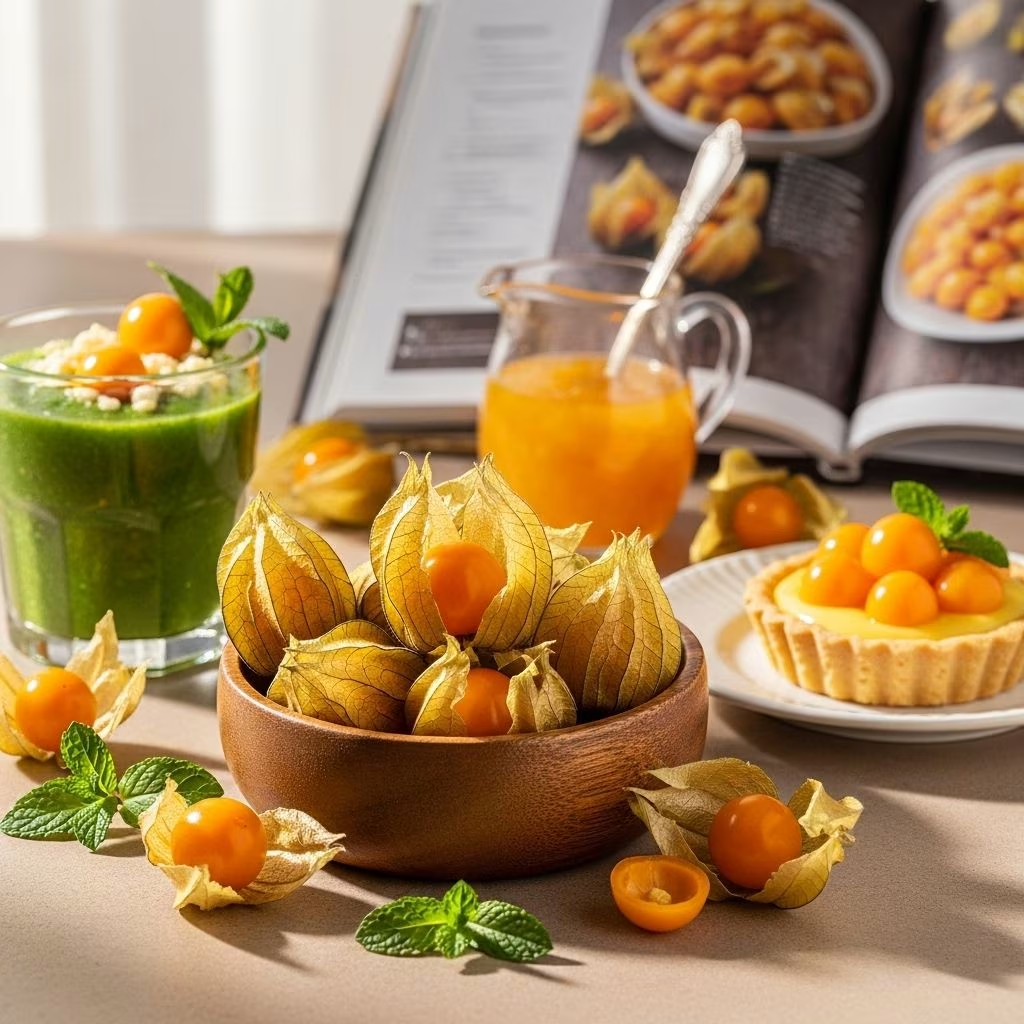
If you’re a fan of superfoods or love experimenting with exotic fruits, incaberries—also known as golden berries or Physalis—are a must-have in your pantry. Praised for their vibrant sweet-tart flavor and strong nutritional profile, incaberries pair beautifully in both sweet and savory dishes. This comprehensive guide explores the best incaberry recipes, expert cooking tips, and frequently asked questions, so you can enjoy this unique fruit at its finest.
About Incaberries
Incaberries (Physalis peruviana), also called golden berries or cape gooseberries, are native to South America and have been cultivated since ancient times. They are bright yellow-orange, marble-sized berries with a crisp skin and a sweet–tart taste, often compared to the flavor of pineapple, mango, and citrus combined. When dried, incaberries become chewy, deeply tangy, and are packed with nutrients including antioxidants, vitamin C, vitamin A, and fiber.
Incaberries are versatile. You can eat them raw, dried, cooked, or baked into oat bars, cookies, salads, and even savory mains.
How to Cook Incaberries Perfectly
Cooking and baking with incaberries is remarkably simple, but maximizing their unique texture and flavor requires a few strategic tips. Here’s how to ensure they shine in all your culinary creations:
- Soaking Dried Incaberries: For baking, soak dried incaberries in hot water (or juice, or a splash of brandy for adult desserts) for 10–20 minutes. This plumps them up and ensures even distribution of moist, flavorful fruit throughout the recipe.
- Chopping: Chopping the berries into smaller pieces can help them integrate smoothly into granola, cookies, or bars while reducing the risk of overpowering tart bites.
- Roasting Fresh Incaberries: Remove the husks, rinse off the sticky film, quarter the berries, and roast with a light sprinkle of sugar at 200°C/400°F for 10–12 minutes until soft, then drain excess liquid for use in muffins or as salad toppers.
- Mix in Last: Add incaberries as the final ingredient when mixing batters or granolas. This helps prevent them from being crushed or hampering the rise of baked goods.
Proper technique transforms incaberries into flavor-packed gems that elevate every dish.
Best Incaberry Baking Recipes
Baking allows incaberries’ signature flavors to meld with other ingredients, resulting in irresistible treats. Here are several must-try recipes, each offering a balance of chewy, sweet, and tangy elements.
1. Incaberry and Date Oat Bars
A wholesome, delicious snack bar with layers of chewy incaberries and dates, enhanced with oats and a buttery crust. Ideal for breakfast or a satisfying afternoon treat.
- 1 cup dried incaberries
- 1 cup dates
- 1/2 cup sugar
- 3/4 cup water
- 2 oz brandy (optional, for a gourmet twist)
- 1 cup plain flour
- 1 cup quick oats
- 1/2 cup brown sugar (packed)
- 1/2 cup softened butter
Directions: Simmer incaberries, dates, and sugar with water until very soft, adding extra water if necessary to reach a thick, spreadable consistency. Purée the mixture, then set aside. Use a food processor to combine the crust ingredients into soft crumbs. Reserve one cup of crumb mixture; press the rest into a buttered 8″×8″ pan, spread the fruit layer over, sprinkle remaining crumbs, and bake at 180°C/350°F for 30–35 minutes until golden.
2. Chewy Incaberry Oat Breakfast Bars
This grab-and-go option is loaded with slow-release oats and tangy berries—perfect for busy mornings.
- Combine rolled oats, desiccated coconut, flour, brown sugar, and a little cinnamon.
- Stir in chopped dried incaberries.
- Mix through eggs, melted butter, and a drop of vanilla, and bake at 180°C/350°F for about 40 minutes until golden and set.
3. Incaberry and White Chocolate Chip Cookies
Incaberries’ sharp tang complements creamy white chocolate in these irresistible bakery-style cookies.
- 125g butter, softened
- 165g brown sugar
- 1 egg
- 1 tsp vanilla essence
- 1 cup plain flour, 1/4 cup self-raising flour
- 1/2 tsp baking soda
- 120g incaberries
- 250g white chocolate chips
Directions: Cream butter and sugar, mix in egg and vanilla. Add sifted flours and baking soda, then stir in incaberries and white chocolate. Place heaped tablespoons on a greased tray and bake at 170°C/325°F for about 15–20 minutes until golden.
4. Incaberry Granola
Homemade granola packed with crunchy seeds, toasted oats, and juicy incaberries makes for a healthy yogurt topper or cereal bowl.
- Mix oats, sunflower seeds, pumpkin seeds, coconut flakes, and chopped nuts with honey or maple syrup and a splash of oil.
- Bake at 160°C/320°F for 20 minutes, tossing halfway, until golden.
- Cool, then add generously chopped dried incaberries for a tart-sweet finish.
Healthy Incaberry Breakfast Ideas
Incaberries supply both energy and flavor for breakfast. Try these nourishing ideas to start your day right:
- Oatmeal with Incaberries: Simmer oats with milk or plant-based alternatives. Stir in chopped incaberries, fresh banana, and a drizzle of honey.
- Incaberry Smoothie: Blend frozen banana, Greek yogurt, a handful of spinach, and a handful of incaberries for an antioxidant-rich smoothie. The berries’ tartness cuts sweetness and brightens flavors.
- Breakfast Muffins: Fold rehydrated incaberries into muffin batter in place of or alongside raisins or sultanas for tang and chew. Roasted or fresh incaberries may also be added to the mix.
Incaberry in Savory Dishes
Incaberries aren’t just for dessert or breakfast—their tart pop adds dimension to salads, grain bowls, and even roasts.
Broccolini and Incaberry Salad
- 1 bunch broccolini, ends trimmed and chopped
- 1 tbsp olive oil
- 1 tbsp wholegrain mustard
- 1/4 cup slivered almonds
- 1/4 cup dried incaberries
Sauté broccolini in olive oil until vibrant and slightly tender. Toss with mustard, toasted almonds, and rehydrated incaberries. Serve warm or at room temperature for a balance of earthy, tart, and nutty flavors.
Ideas for More Savory Uses:
- Grain Bowls: Mix incaberries into wild rice or quinoa bowls with feta and roasted vegetables.
- Stuffings: Use chopped incaberries in meat or plant-based stuffing for poultry or roast pumpkin.
- Sauces and Relishes: Simmer incaberries with onion, vinegar, and spices for a tangy chutney to accompany meats or cheese boards.
Snacks and On-the-Go Treats
Incaberries make for ideal nibbles between meals—eat them straight from the bag, dip them in chocolate, or add them to trail mixes with nuts and seeds.
- Trail Mix: Mix incaberries with almonds, cashews, pepitas, and a handful of dark chocolate drops for a nutritious energy boost.
- Chocolate-Dipped Incaberries: Dip incaberries into melted dark or white chocolate, allow to set, and store in an airtight container. These make a gourmet treat or unique homemade gift.
- Energy Bites: Blitz oats, peanut butter, honey, and incaberries in a food processor; roll into balls; and chill for grab-and-go snacks.
Nutritional Benefits of Incaberries
In addition to their flavor, incaberries offer robust nutritional advantages:
- High in antioxidants like polyphenols and carotenoids, which help protect cells from oxidative stress.
- Rich source of vitamin C for immune support.
- Good dietary fiber to promote digestive health and satiety.
- No added sugar, preservatives, or sulfites—especially when purchased organically.
Tips for Using Incaberries in Recipes
- Substitution: Incaberries can often be swapped with other tart dried fruit, like cranberries, sour cherries, or apricots. Use them to add zing to any recipe calling for dried fruit.
- Adjust Sweetness: Incaberries are notably tart, so consider increasing the sugar or honey in batters if a sweeter balance is desired.
- Storage: Store dried incaberries in an airtight container in a cool, dark place for several months. Keep homemade snacks containing incaberries refrigerated.
- Combining Flavors: Incaberries pair beautifully with white chocolate, toasted nuts, coconut, brown sugar, and mild cheeses.
Frequently Asked Questions (FAQs)
Q: What are incaberries, and where can I find them?
A: Incaberries are the dried fruit of Physalis peruviana, native to South America. Look for them in health food shops, specialty grocers, and online organic food suppliers.
Q: How do I substitute incaberries in baking?
A: Swap incaberries for any tart dried fruit, such as cranberries or cherries, using a 1:1 ratio by weight or volume. Consider chopping larger berries for even mixing.
Q: Can I use fresh incaberries in place of dried?
A: Fresh incaberries impart more moisture. For baking, reduce liquid in your recipe or briefly roast the berries first to concentrate flavor and avoid a soggy result.
Q: Are incaberries suitable for vegan and gluten-free diets?
A: Yes. Incaberries are vegan and naturally gluten-free. Remember to check recipes for any added animal or gluten ingredients.
Q: Do incaberries need to be soaked before use?
A: Soaking is optional but recommended when using incaberries in baking or bars, as it plumps them up and prevents dryness. For well-hydrated berries, soak in hot water or juice for 10–20 minutes and drain before adding to mixtures.
Conclusion
With their complex sweet-tart taste and exceptional nutrition, incaberries are a fantastic addition to your kitchen. From oat bars and cookies to salads and granolas, these recipes offer creative, healthy, and delicious ways to showcase this superfruit. Simply follow the cooking tips outlined above, and experiment to find your own favorite uses for incaberries.
References
- https://orgasmicchef.com/incaberry-and-date-bars/
- https://incaberry.com.au/docs/Incaberry-oat-bars.pdf
- https://cookcleancraft.com/incaberry-and-white-chocolate-cookies/
- https://www.cookrepublic.com/broccolini-and-incaberry-salad/
- https://antiquitynow.org/2014/08/06/bon-appetit-wednesday-baking-with-the-ancient-inca-berry/
- https://www.52kitchenadventures.com/2010/10/03/week-30-inca-berries/
- https://www.sarahcooks.com.au/2018/09/inca-berry-granola.html
- http://www.realfoodsource.org/recipes/tag/inca+berries
- https://www.cookalmostanything.com/2013/08/apple-and-inca-berry-muffins.html


